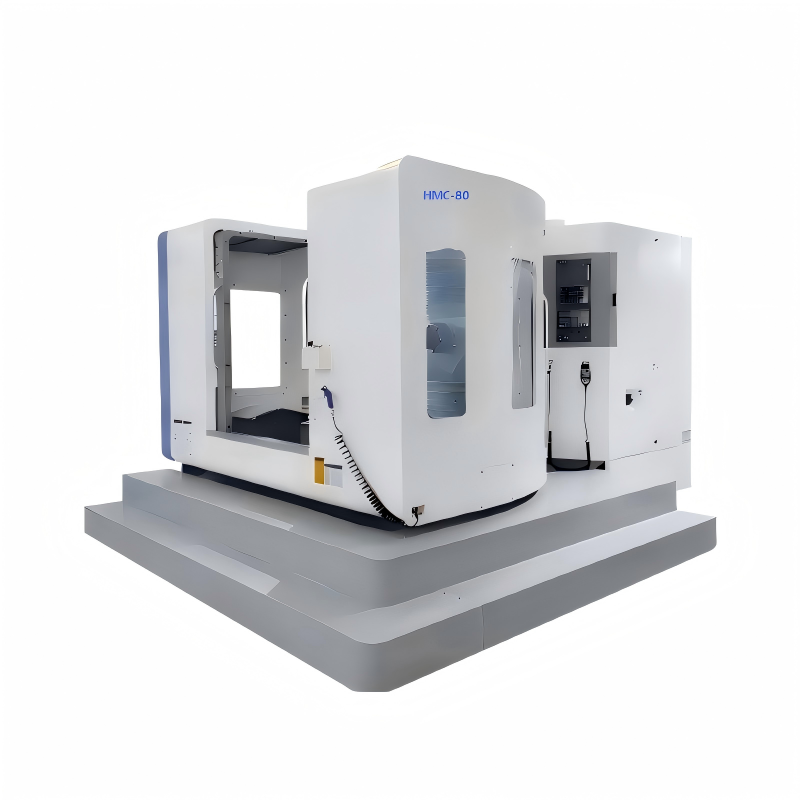
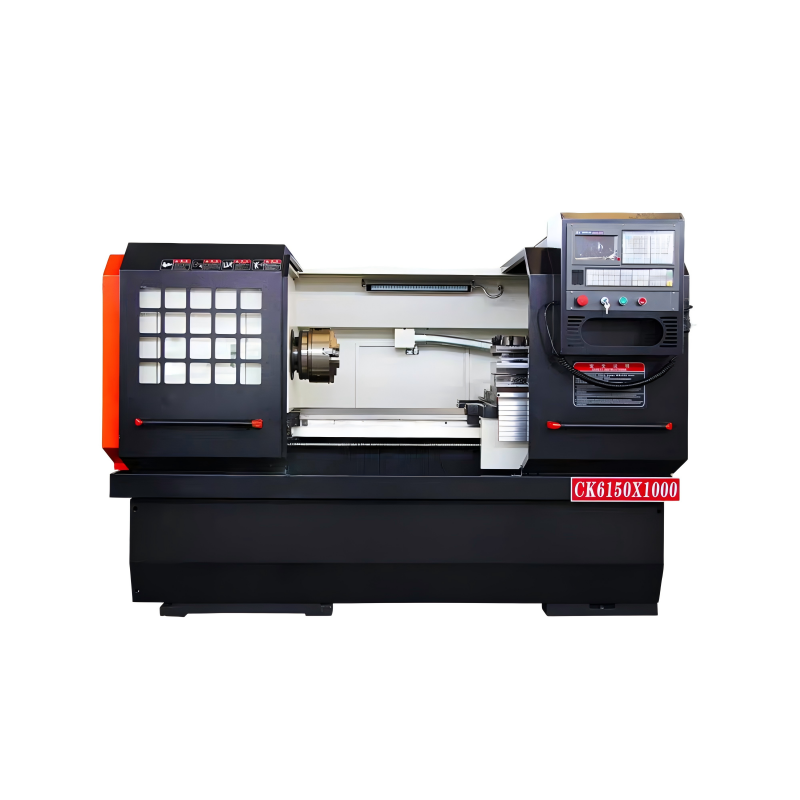
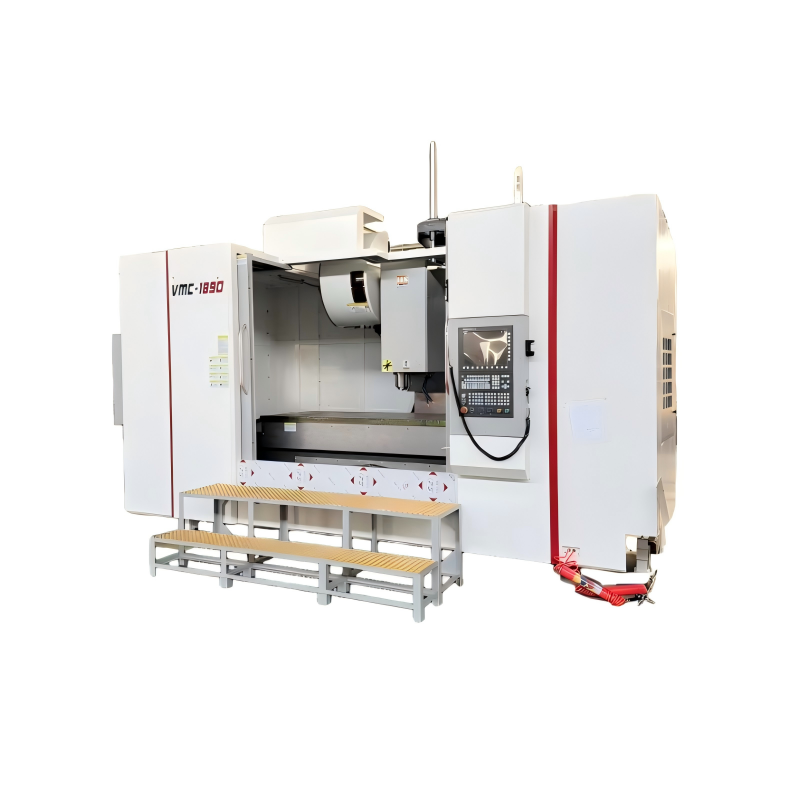
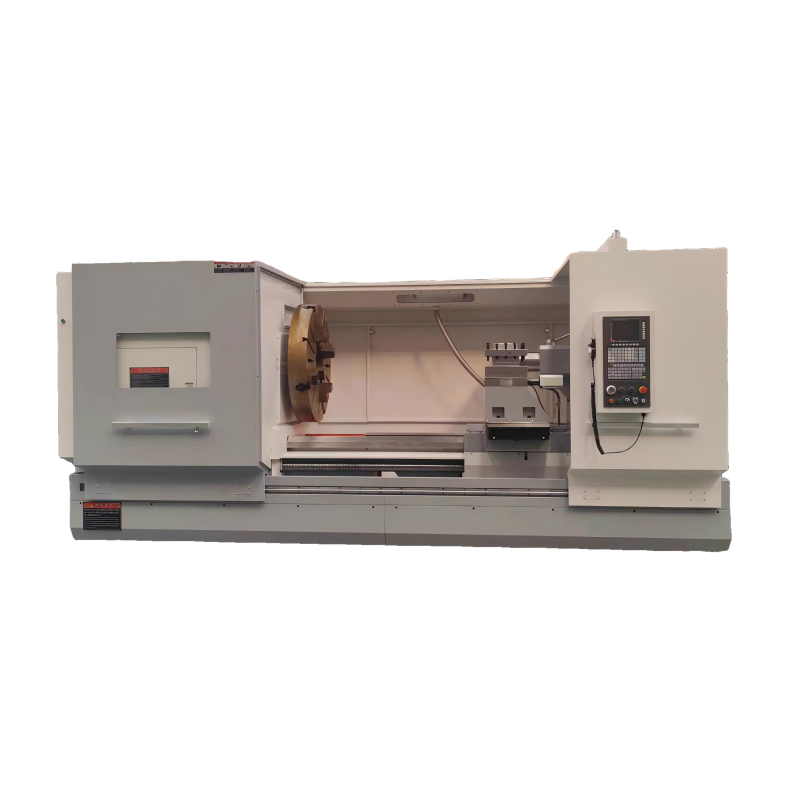
ISO 9001, a globally recognized standard for quality management systems (QMS), provides a framework to ensure consistent quality in the products and services an organization offers. For VMC (Vertical Machining Center) manufacturers, implementing ISO 9001 can be a strategic move towards enhancing operational efficiency, customer satisfaction, and market competitiveness. However, several barriers often hinder the successful adoption of ISO 9001 within this sector. This report aims to identify these challenges and propose actionable solutions to overcome them, facilitating smoother integration of ISO 9001 principles into VMC manufacturing processes.
The VMC manufacturing industry is characterized by its high precision requirements, complex machinery, and stringent quality standards. Adopting ISO 9001 can significantly contribute to achieving these standards by providing a structured approach to quality management. The certification ensures that all aspects of the production process, from design and development to final inspection, are systematically controlled and continuously improved. It also helps in building trust with customers, as it demonstrates the manufacturer's commitment to delivering reliable and high-quality products. Additionally, ISO 9001 compliance can open up new markets and business opportunities, as many clients and partners prefer or require working with certified suppliers.
Despite the clear benefits, VMC Manufacturers face several obstacles when adopting ISO 9001. One of the primary barriers is the perceived complexity and cost of implementation. Many organizations view the initial investment in training, documentation, and system changes as prohibitive. Another challenge is the resistance to change from employees who may be accustomed to existing practices and skeptical about the value of a formal QMS. Furthermore, the lack of internal expertise in quality management and the difficulty in aligning ISO 9001 requirements with existing processes can also impede adoption. Lastly, the continuous improvement aspect of ISO 9001, which requires ongoing monitoring and adjustment, can be daunting for some VMC manufacturers, especially those with limited resources.
To address these barriers, VMC manufacturers can adopt several strategies. First, conducting a thorough gap analysis can help identify specific areas where the organization falls short of ISO 9001 requirements. This analysis should be followed by a phased implementation plan, breaking down the process into manageable steps to reduce the initial burden. Providing comprehensive training and support to employees is crucial, as it not only enhances their understanding of the QMS but also fosters a culture of continuous improvement. Engaging external consultants or hiring internal experts with experience in ISO 9001 can also be beneficial, as they can guide the organization through the implementation process and provide valuable insights. Finally, leveraging technology, such as quality management software, can streamline the documentation and monitoring processes, making it easier to maintain compliance and track improvements over time.
Once the barriers to ISO 9001 adoption are overcome, VMC manufacturers can leverage the certification to gain a competitive edge. By consistently meeting and exceeding quality standards, certified manufacturers can enhance their reputation and attract more customers. The systematic approach to quality management also leads to reduced waste, lower defect rates, and increased operational efficiency, ultimately resulting in cost savings. Moreover, ISO 9001 can serve as a foundation for other certifications, such as ISO 14001 (Environmental Management) and ISO 45001 (Occupational Health and Safety), further strengthening the organization's position in the market. By embracing ISO 9001, VMC manufacturers can not only improve their internal processes but also position themselves as leaders in the industry, ready to meet the evolving demands of the global marketplace.
The journey to ISO 9001 certification for VMC manufacturers is not without its challenges, but the benefits far outweigh the initial hurdles. By understanding the importance of ISO 9001, identifying and addressing common barriers, and implementing effective strategies, VMC manufacturers can successfully integrate a robust quality management system. This not only enhances their operational efficiency and product quality but also positions them as trusted and competitive players in the global VMC manufacturing sector. As the industry continues to evolve, the adoption of ISO 9001 will remain a critical factor in ensuring long-term success and sustainability.
 27/06/2026
ISO 9001 is a globally recognized standard for quality management systems (QMS) that provides a framework to ensure consistent delivery of products and services. For VMC (Vertical Machining Center) manufacturers, adhering to ISO 9001 not only enhances the
Read More27/06/2026ISO 9001, a globally recognized standard for quality management systems (QMS), plays an indispensable role in ensuring the consistent quality of products and services across various industries. In the context of VMC (Vertical Machining Center) manufacturi
Read More27/06/2026ISO 9001, a globally recognized standard for quality management systems (QMS), plays a pivotal role in enhancing the operational efficiency and product quality of VMC (Vertical Machining Center) manufacturers. This report delves into how leveraging ISO 90
Read More27/06/2026ISO 9001 is a globally recognized standard for quality management systems (QMS), which provides a framework to help organizations ensure that they meet the needs of customers and other stakeholders while meeting statutory and regulatory requirements. In t
Read More26/06/2026ISO 9001 is a globally recognized standard for quality management systems (QMS). It provides a framework and set of principles that organizations can use to ensure that their products and services consistently meet customer and regulatory requirements. Fo
Read More26/06/2026ISO 9001, an internationally recognized standard for quality management systems (QMS), serves as a cornerstone for organizations aiming to enhance their operational efficiency and customer satisfaction. For VMC (Vertical Machining Center) manufacturers, a
Read More26/06/2026Understanding the Importance of ISO 9001 for VMC ManufacturersThe International Organization for Standardization (ISO) has established a set of quality management standards known as ISO 9001. These guidelines serve as a framework for organizations to ensu
Read More26/06/2026As the manufacturing sector continues to evolve, adhering to international standards such as ISO 9001 has become increasingly important for VMC (Vertical Machining Center) manufacturers. This standard not only ensures quality but also promotes continuous
Read More26/06/2026As a VMC (Vertical Machining Center) manufacturer, maintaining ISO 9001 compliance is not only a commitment to quality but also a strategic move that can significantly enhance your company's reputation and operational efficiency. This document outlines th
Read More25/06/2026Under the ISO 9001 guidelines, VMC (Vertical Machining Center) manufacturers must adhere to a set of best practices that ensure the quality and reliability of their products. This technical report outlines key strategies for VMC manufacturers to optimize
Read More25/06/2026In today's highly competitive global market, VMC (Vertical Machining Center) manufacturers are increasingly recognizing the importance of adhering to international standards to ensure their products meet the highest quality and reliability benchmarks. One
Read More25/06/2026ISO 9001, an internationally recognized standard for quality management systems, has been adopted by numerous organizations across various sectors to improve their operational efficiency and overall product quality. In the context of VMC (Vertical Machini
Read More25/06/2026Introduction to ISO 9001 and VMC ManufacturingThe International Organization for Standardization (ISO) has established a set of quality management standards, with ISO 9001 being the most well-known. This standard is designed to help organizations ensure t
Read More25/06/2026Implementing ISO 9001 standards in the manufacturing sector, particularly for VMC (Vertical Machining Center) manufacturers, presents a unique set of challenges. This technical report aims to navigate these complexities, providing insights and strategies
Read More24/06/2026ISO 9001, a globally recognized standard for quality management systems (QMS), plays a crucial role in ensuring that VMC (Vertical Machining Center) manufacturers meet customer and regulatory requirements while continuously improving their operations. Ach
Read More24/06/2026Implementing ISO 9001 within a VMC (Vertical Machining Center) manufacturing environment is not just about meeting an international standard; it's a strategic move that can significantly enhance operational efficiency, product quality, and customer satisf
Read More24/06/2026In the realm of manufacturing, especially within the vertical machining center (VMC) industry, adhering to international standards is not just a regulatory requirement but also a strategic move towards enhancing product quality and customer satisfaction.
Read More24/06/2026Introduction to ISO 9001 and Its Relevance for VMC ManufacturersThe International Organization for Standardization (ISO) has established a set of criteria, known as ISO 9001, which is widely recognized across the globe. This standard serves as a guideline
Read More24/06/2026In the rapidly evolving world of manufacturing, achieving and maintaining high standards of quality and efficiency are critical for success. One such standard that has gained international recognition is ISO 9001, which plays a pivotal role in enhancing t
Read More23/06/2026ISO 9001 is a globally recognized standard for quality management systems (QMS), providing a framework to ensure that organizations consistently meet the needs of customers and other stakeholders. For VMC (Vertical Machining Center) manufacturers, achievi
Read More23/06/2026The Importance of Quality Management Systems in VMC Manufacturing Implementing an ISO 9001 certified quality management system (QMS) is a strategic move for any VMC manufacturer. This international standard provides a framework that ensures consistent pro
Read More23/06/2026ISO 9001 is a globally recognized standard that sets out the criteria for a quality management system. It can be used by any organization, large or small, regardless of its field of activity. This certification helps businesses and organizations to be mor
Read More23/06/2026ISO 9001 is a globally recognized standard for quality management systems (QMS) that provides a framework for organizations to ensure they meet the needs of customers and other stakeholders while meeting statutory and regulatory requirements. For VMC (Ver
Read More23/06/2026ISO 9001, as a globally recognized standard for quality management systems, plays an essential role in shaping the operational practices of manufacturing enterprises. This document delves into how ISO 9001 influences modern manufacturing standards, partic
Read MoreOur professional sales team is always ready to assist you.