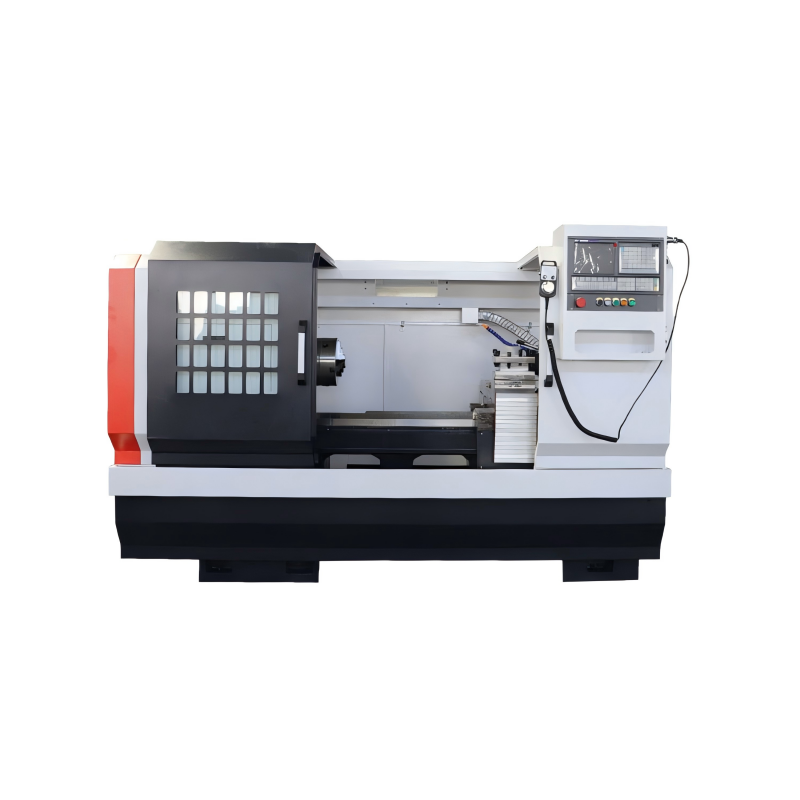
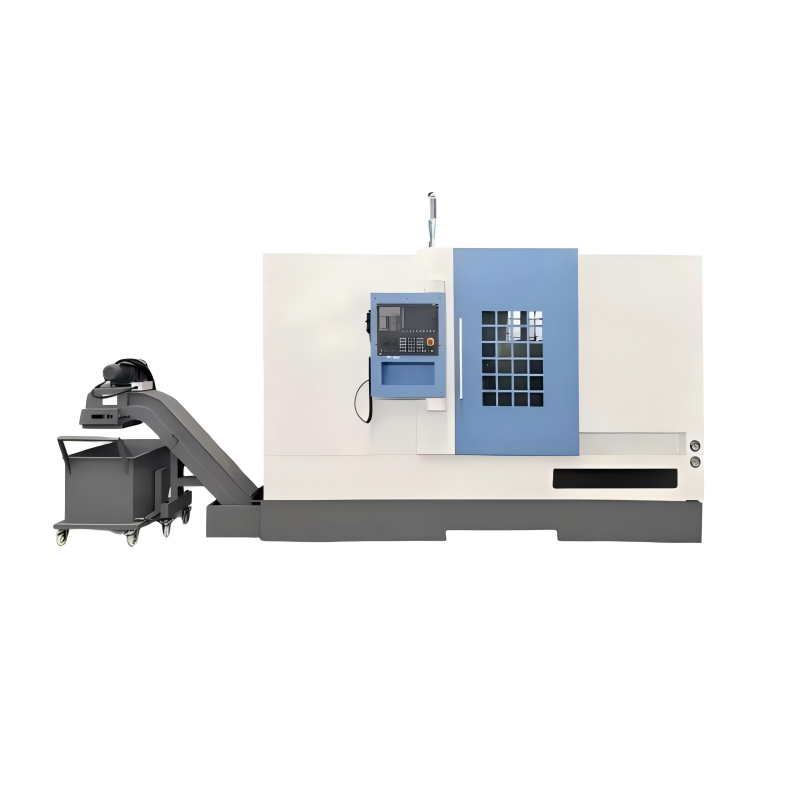
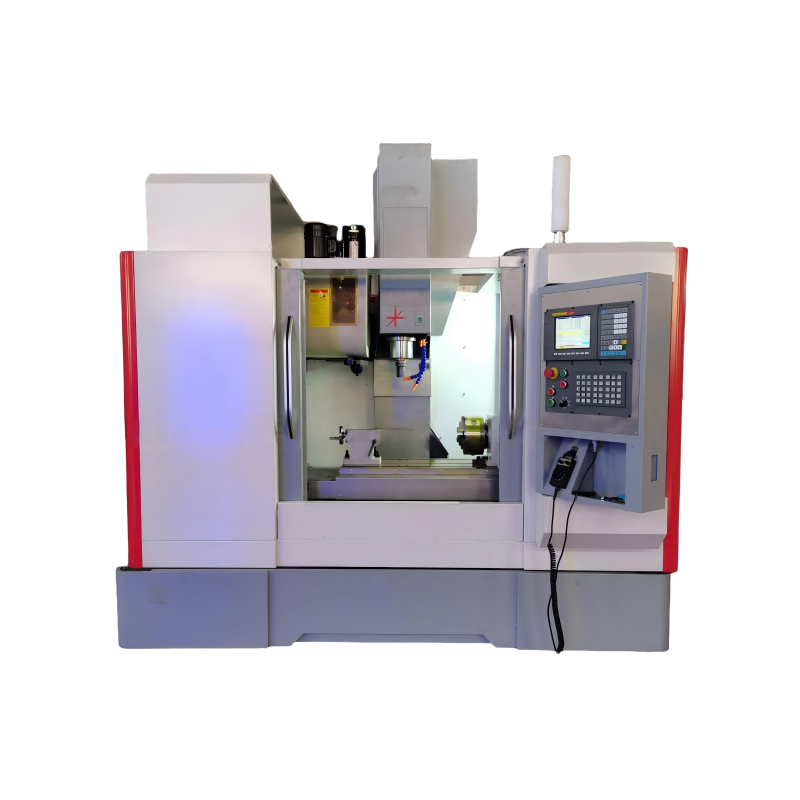
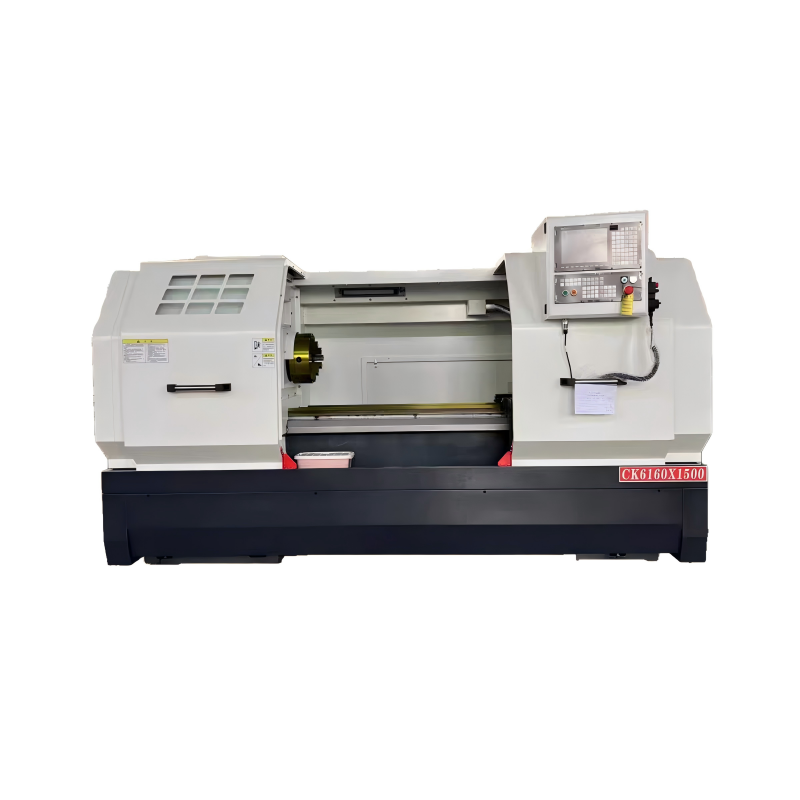
In the realm of modern manufacturing, multi-axis CNC workcells have emerged as a game-changing solution for producing complex and precise components. These advanced systems offer unparalleled flexibility and accuracy, making them indispensable in industries ranging from aerospace to medical devices. However, the adoption and effective use of multi-axis CNC workcells come with their own set of challenges. This report delves into the key obstacles faced by manufacturers and provides actionable insights on how to overcome these hurdles. By addressing issues such as integration, training, and maintenance, we aim to equip businesses with the knowledge needed to maximize the potential of multi-axis CNC workcells.
One of the primary challenges in implementing a multi-axis CNC workcell is ensuring compatibility with existing production systems. Many manufacturers already have a well-established infrastructure, and integrating a new, sophisticated system can be disruptive. To address this, it is crucial to conduct a thorough assessment of the current setup. This includes evaluating the software, hardware, and communication protocols. Working closely with the supplier to customize the workcell to fit seamlessly into the existing environment can significantly reduce integration time and costs.
Effective data management is another critical aspect of integrating a multi-axis CNC workcell. The workcell generates a significant amount of data, which needs to be managed, analyzed, and shared across different departments. Implementing a robust data management system that supports interoperability is essential. This can include using standardized data formats, such as MTConnect, and leveraging cloud-based solutions to facilitate real-time data sharing and analysis. By ensuring that data is easily accessible and usable, manufacturers can make informed decisions and optimize their operations.
Operating a multi-axis CNC workcell requires specialized skills and knowledge. Operators need to be trained not only on the technical aspects of the machine but also on the specific processes and workflows. Developing comprehensive training programs is essential to ensure that operators are proficient in using the workcell. These programs should cover both theoretical and practical aspects, including hands-on training, simulations, and ongoing support. Additionally, providing regular refresher courses and access to online resources can help keep operators up-to-date with the latest techniques and best practices.
Beyond operator training, building a skilled workforce is crucial for the long-term success of multi-axis CNC workcells. This involves investing in continuous education and development programs for all employees involved in the production process. Collaboration with educational institutions and industry partners can provide valuable opportunities for skill enhancement. For example, apprenticeship programs, internships, and partnerships with technical schools can help create a pipeline of skilled workers. By fostering a culture of learning and innovation, manufacturers can ensure that they have the talent needed to fully leverage the capabilities of multi-axis CNC workcells.
To ensure the longevity and reliability of a multi-axis CNC workcell, a proactive approach to maintenance is essential. Preventive maintenance strategies, such as regular inspections, cleaning, and component replacements, can help identify and address issues before they become major problems. Implementing a condition-based monitoring system, which uses sensors and data analytics to track the health of the workcell, can further enhance maintenance efforts. By staying ahead of potential failures, manufacturers can minimize downtime and extend the lifespan of their equipment.
Having access to reliable technical support is crucial for maintaining the smooth operation of a multi-axis CNC workcell. Manufacturers should establish a strong relationship with the supplier to ensure that they have access to timely and effective support. This can include on-site visits, remote assistance, and access to a dedicated support team. Additionally, creating an internal support structure, such as a helpdesk or a team of in-house experts, can provide immediate assistance when needed. By having a robust support system in place, manufacturers can quickly resolve any issues and keep their operations running smoothly.
The initial investment in a multi-axis CNC workcell can be substantial, which may be a deterrent for some manufacturers. However, it is important to consider the long-term benefits and return on investment (ROI). Multi-axis CNC workcells offer significant advantages in terms of productivity, quality, and flexibility. They can reduce production times, minimize material waste, and improve part accuracy, leading to cost savings over time. Conducting a detailed cost-benefit analysis, including factors such as labor costs, material savings, and increased throughput, can help justify the investment. Additionally, exploring financing options, such as leasing or financing programs, can make the initial outlay more manageable.
To maximize the ROI of a multi-axis CNC workcell, manufacturers should focus on optimizing operational efficiency. This involves streamlining processes, reducing setup times, and improving overall workflow. Implementing lean manufacturing principles, such as 5S (Sort, Set in Order, Shine, Standardize, Sustain), can help create a more organized and efficient work environment. Additionally, using advanced software tools, such as CAM (Computer-Aided Manufacturing) and simulation software, can help optimize tool paths and reduce cycle times. By continuously improving processes and leveraging the full capabilities of the workcell, manufacturers can achieve higher productivity and profitability.
One of the key advantages of a multi-axis CNC workcell is its ability to produce highly accurate and precise parts. However, maintaining this level of quality consistently can be challenging. Implementing a robust quality control system is essential to ensure that parts meet the required specifications. This can include using in-process inspection tools, such as probes and sensors, to monitor and verify part dimensions during the machining process. Additionally, conducting regular calibration and verification of the workcell's axes and tools can help maintain accuracy over time. By focusing on quality control, manufacturers can deliver high-quality products that meet customer expectations.
Traceability and documentation are critical for ensuring the consistency and reliability of parts produced by a multi-axis CNC workcell. Maintaining detailed records of the entire production process, including tooling, materials, and process parameters, can help identify and address any issues that may arise. Implementing a digital traceability system, such as a MES (Manufacturing Execution System), can automate the collection and management of this data. This not only improves the accuracy and accessibility of the information but also helps in meeting regulatory and compliance requirements. By ensuring that every step of the production process is documented and traceable, manufacturers can build trust with their customers and maintain a high standard of quality.
This content is designed to provide a comprehensive overview of the challenges and solutions associated with multi-axis CNC workcells, covering integration, training, maintenance, cost considerations, and quality control. Each section is structured to offer practical insights and actionable steps for manufacturers looking to maximize the potential of these advanced systems. 08/06/2026
In the realm of advanced manufacturing, a multi-axis CNC workcell stands out as an essential tool for producing complex and precise components. This technical report aims to provide best practices for operating such a system, ensuring optimal performance,
Read More08/06/2026In the realm of advanced manufacturing, multi-axis CNC workcells have become indispensable tools for achieving high precision and flexibility in production processes. These sophisticated machines are designed to handle complex tasks that require multiple
Read More08/06/2026In the realm of custom fabrication, multi-axis CNC workcells have emerged as a transformative technology, offering unparalleled precision, flexibility, and efficiency. This report delves into the benefits of integrating multi-axis CNC workcells into custo
Read More08/06/2026In the realm of modern manufacturing, multi-axis CNC workcells stand out as a pinnacle of precision and efficiency. These sophisticated systems, capable of moving along multiple axes, are crucial for producing complex parts with high accuracy. However, th
Read More07/06/2026Exploring the Benefits of Multi-Axis CNC Workcells delves into the transformative impact of multi-axis CNC (Computer Numerical Control) workcells on modern manufacturing. This report highlights how these advanced systems not only enhance productivity and
Read More07/06/2026In the realm of modern manufacturing, the integration of advanced multi-axis CNC workcells has become a pivotal factor in boosting productivity. These sophisticated systems are designed to handle complex machining tasks with precision and efficiency, allo
Read More07/06/2026In the rapidly evolving field of manufacturing, multi-axis CNC workcell technology stands out as a pivotal innovation. This report delves into the advancements in multi-axis CNC workcell technology, exploring how these systems have transformed production
Read More07/06/2026In today's competitive manufacturing landscape, the efficiency and flexibility of production processes are paramount. This technical report delves into the optimization of multi-axis CNC workcell configurations to maximize output, focusing on how strategi
Read More07/06/2026Implementing a multi-axis CNC workcell is an endeavor that requires careful planning, technical expertise, and a thorough understanding of the manufacturing process. This report delves into the intricacies of setting up such a system, highlighting the key
Read More06/06/2026In the modern manufacturing landscape, multi-axis CNC workcells have emerged as a pivotal technology, revolutionizing the way products are designed, prototyped, and mass-produced. These advanced systems, capable of manipulating tools along multiple axes s
Read More06/06/2026Multi-axis CNC workcells are essential in modern manufacturing for their ability to perform complex operations with high precision and efficiency. However, maintaining these sophisticated machines is crucial to ensure they operate at optimal performance l
Read More06/06/2026Integrating a multi-axis CNC workcell into an existing production line can significantly enhance the efficiency, precision, and flexibility of manufacturing processes. This technical report delves into the various aspects of incorporating such advanced ma
Read More06/06/2026In the aerospace industry, where precision and efficiency are paramount, integrating multi-axis CNC workcells has become a key strategy for enhancing productivity. This report explores how these advanced manufacturing systems can be seamlessly integrated
Read More06/06/2026In today's fast-paced manufacturing environment, the adoption of advanced multi-axis CNC workcells is pivotal for enhancing both efficiency and accuracy. These sophisticated systems not only streamline production processes but also significantly reduce er
Read More05/06/2026In the realm of advanced manufacturing, the multi-axis CNC workcell stands out as a pinnacle of precision and versatility. This report delves into the capabilities of such a system, exploring its potential to transform production processes through enhance
Read More05/06/2026In the realm of modern manufacturing, precision and efficiency are paramount. The integration of multi-axis CNC workcells has revolutionized how complex parts are machined, offering unparalleled accuracy and versatility. This report delves into the transf
Read More05/06/2026In this comprehensive guide, we will delve into the intricate world of multi-axis CNC workcells, providing an in-depth look at their design, functionality, and applications. The multi-axis CNC workcell is a sophisticated manufacturing system that enables
Read More05/06/2026A Comprehensive Guide to Choosing the Right Multi-Axis CNC Workcell offers an in-depth analysis of the key factors that influence the selection process for multi-axis CNC workcells. This guide is designed to help manufacturers and engineers make informed
Read More05/06/2026In the rapidly evolving landscape of automotive manufacturing, multi-axis CNC workcells have emerged as a transformative force, significantly enhancing production efficiency, precision, and flexibility. These advanced systems are not only revolutionizing
Read More04/06/2026With the rapid advancements in manufacturing technology, multi-axis CNC workcells have emerged as a game-changer, transforming industries by enhancing productivity, precision, and flexibility. These advanced systems are capable of performing complex opera
Read More04/06/2026In the realm of modern manufacturing, multi-axis CNC workcells have emerged as a transformative force, reshaping how products are designed and produced. These advanced systems, which combine multiple axes of motion with computer numerical control (CNC), o
Read More04/06/2026In the realm of advanced manufacturing, the multi-axis CNC workcell stands out as a beacon of precision and flexibility. This technology integrates multiple axes of movement, allowing for complex geometries to be machined with unparalleled accuracy. The m
Read More04/06/2026In the rapidly evolving landscape of manufacturing, the integration of advanced technologies such as multi-axis CNC workcells is reshaping the industry. These sophisticated systems are not only enhancing productivity and precision but also enabling manufa
Read More04/06/2026In today's competitive manufacturing landscape, maximizing efficiency is crucial for staying ahead. A multi-axis CNC workcell offers a powerful solution to enhance productivity and precision. This report explores the benefits of integrating a multi-axis C
Read More04/06/2026In the rapidly evolving landscape of manufacturing, multi-axis CNC (Computer Numerical Control) workcells are emerging as a transformative force. These advanced systems offer unparalleled precision, flexibility, and efficiency, making them indispensable i
Read More04/06/2026In today's manufacturing landscape, the selection of an appropriate multi-axis CNC workcell is critical for enhancing productivity, precision, and flexibility. This technical report aims to guide manufacturers through the process of choosing the right mul
Read More04/06/2026In today's fast-paced manufacturing environment, the integration of a multi-axis CNC workcell can significantly enhance productivity and efficiency. This report delves into how adopting such advanced machinery not only optimizes production processes but a
Read More04/06/2026In the rapidly evolving landscape of precision machining, the multi-axis CNC workcell stands out as a transformative technology. This advanced manufacturing solution not only enhances the efficiency and accuracy of production processes but also opens up n
Read More04/06/2026In the rapidly evolving landscape of modern manufacturing, the integration of multi-axis CNC workcells has become a game-changer. These advanced systems offer unparalleled precision, flexibility, and efficiency, enabling manufacturers to produce complex p
Read MoreOur professional sales team is always ready to assist you.