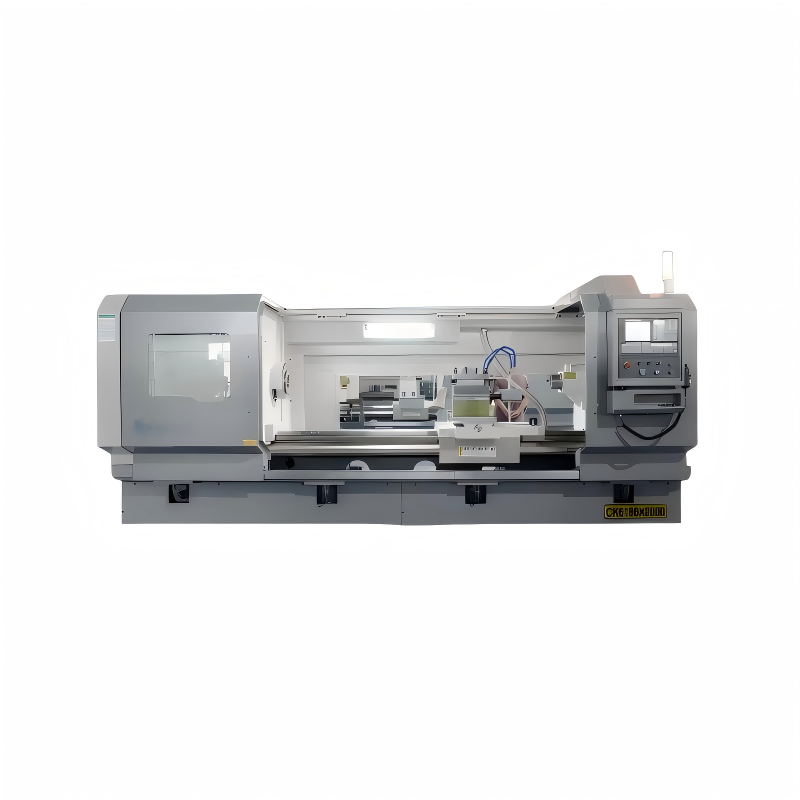
The manual lathe machine is a versatile tool in the manufacturing and engineering industry, used for creating cylindrical parts with high precision. Before delving into techniques that can enhance efficiency, it's essential to understand the basic operations and components of a manual lathe machine. This section will provide an overview of how these machines work, including the setup, the role of each part, and fundamental safety measures.
A typical manual lathe consists of several key components such as the bed, headstock, tailstock, carriage, and cutting tool. The bed forms the base and supports all other parts. The headstock houses the main spindle, which rotates the workpiece. The tailstock, located at the opposite end of the headstock, can be adjusted along the bed to support long workpieces or to hold drill bits. The carriage, which moves along the bed, holds the cutting tool and allows for precise control over the depth and direction of the cut.
One of the most critical aspects of efficient machining on a manual lathe machine involves optimizing the cutting speeds and feeds. These parameters directly affect the quality of the finished product, the tool life, and the overall productivity of the operation. By carefully selecting the appropriate speed (rotations per minute, RPM) and feed (the rate at which the tool advances), operators can achieve smoother cuts, reduce wear on tools, and increase the throughput of the process.
To determine the optimal settings, one must consider factors such as the material being machined, the type of cutting tool, and the desired surface finish. For instance, harder materials like steel require slower speeds and lighter feeds compared to softer materials like aluminum. Additionally, using coolant or lubricant can further improve the efficiency by reducing friction and heat, thereby extending the tool life and improving the quality of the cut.
For those looking to take their skills to the next level, mastering advanced techniques on a manual lathe machine is crucial. These techniques not only enhance the precision and quality of the final product but also contribute to more efficient use of time and resources. Some of these advanced methods include threading, knurling, and taper turning.
Threading, for example, requires a specific set of tools and careful adjustment of the lathe’s gear ratios to produce threads of the correct pitch and depth. Knurling, on the other hand, involves creating a pattern on the surface of the workpiece, often for aesthetic or functional purposes, such as providing a better grip. Taper turning, which is the process of creating a conical shape, demands precise control over the angle and movement of the cutting tool. Mastering these techniques can significantly expand the range of tasks that can be accomplished on a manual lathe, making it a more valuable and versatile tool in any workshop.
Regular maintenance and calibration are essential for ensuring the longevity and accuracy of a manual lathe machine. Over time, wear and tear can lead to inaccuracies in the machine's performance, affecting the quality of the work produced. By following a routine maintenance schedule, operators can keep their lathes in top condition, minimizing downtime and maximizing productivity.
Key maintenance tasks include cleaning the machine, lubricating moving parts, checking and adjusting the alignment of the headstock and tailstock, and inspecting the cutting tools for wear. Calibration, particularly of the cross-slide and compound rest, is also crucial. This ensures that the machine maintains its precision, allowing for consistent and accurate results. By investing time in these maintenance activities, operators can extend the life of their equipment and ensure that it continues to perform at its best.
Finally, the success of any machining operation, especially when using a manual lathe machine, depends heavily on the skill and knowledge of the operators. Continuous training and skill development are essential to build a competent workforce capable of handling the complexities of manual lathe machining. Training programs should cover both theoretical knowledge and practical skills, including safety protocols, basic and advanced machining techniques, and troubleshooting common issues.
By fostering a culture of continuous learning, workshops can ensure that their operators are up-to-date with the latest practices and technologies. This not only enhances the quality of the work produced but also boosts the confidence and job satisfaction of the workforce. Investing in training and development is a long-term strategy that pays off in terms of increased efficiency, reduced errors, and a safer working environment.
 25/06/2026
The manual lathe machine, a cornerstone of machining technology, has been an essential tool in the manufacturing industry for centuries. Despite the rise of CNC (Computer Numerical Control) machines, mastering the art of operating a manual lathe remains a
Read More25/06/2026Since the dawn of the Industrial Revolution, manual lathe machines have played a crucial role in shaping the world as we know it. These versatile tools, capable of turning raw materials into precision components, continue to hold a special place in both h
Read More24/06/2026Manual Lathe Machines, despite being one of the oldest types of machine tools, continue to hold a significant place in modern workshops. This report aims to explore the enduring charm and functionality of manual lathes, highlighting their unique advantage
Read More24/06/2026In an era dominated by automation and digital technology, the traditional manual lathe machine continues to hold a significant place in the manufacturing industry. This tool, while seemingly simple, requires a high degree of skill and precision from its o
Read More24/06/2026The manual lathe machine, a tool that has been around for centuries, continues to play an essential role in the manufacturing and prototyping industries. This versatile piece of equipment allows for the creation of complex shapes and parts with high preci
Read More23/06/2026In the realm of precision machining, few tools hold as much significance as the manual lathe machine. This versatile piece of equipment has been a cornerstone in manufacturing and engineering for centuries, enabling craftsmen and engineers to produce intr
Read More23/06/2026Mastering the manual lathe machine is a fundamental skill for anyone involved in manufacturing or machining. This versatile tool, known as the manual lathe machine, has been at the heart of precision engineering for centuries. In this technical report, we
Read More23/06/2026The art of precision in manual lathe machining is a testament to the enduring relevance of traditional manufacturing techniques, even in an era dominated by automation and digitalization. This report delves into the intricacies of manual lathe operations,
Read MoreOur professional sales team is always ready to assist you.