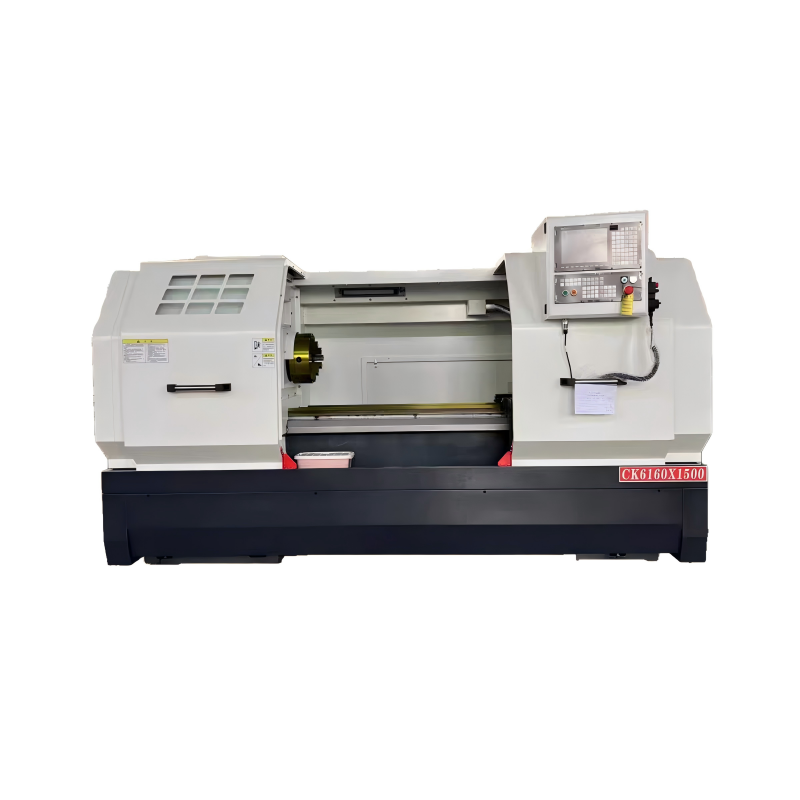
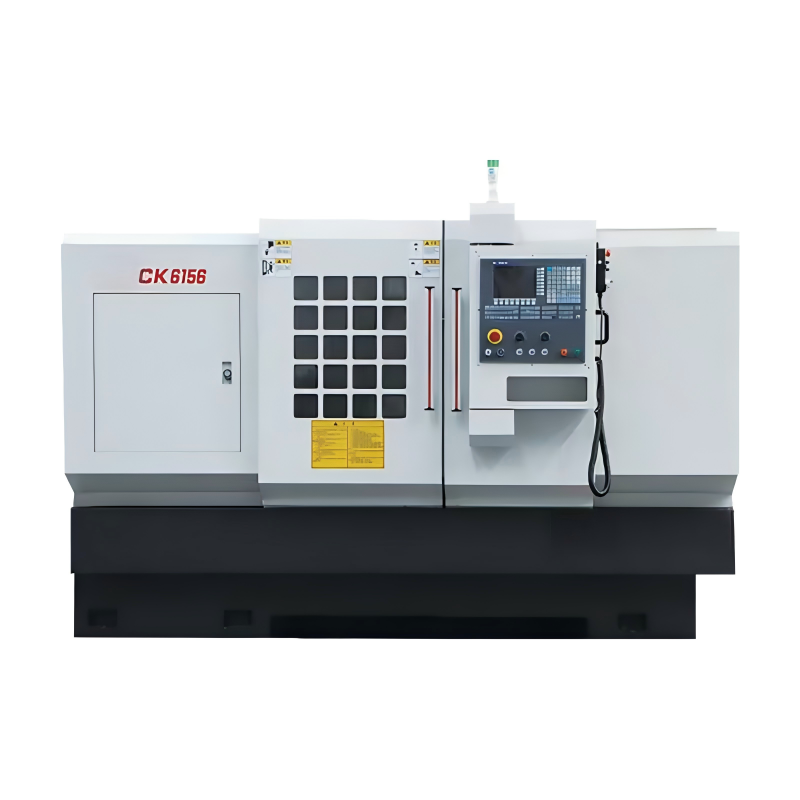
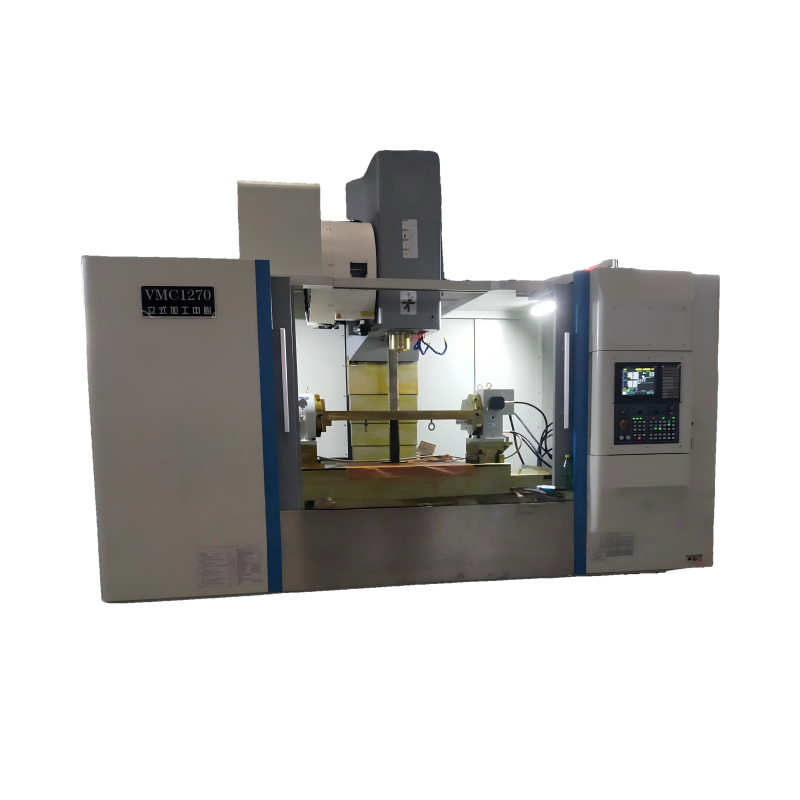
While the focus of this report is on exploring The Advantages of Using a Two-Axis CNC Lathe for Small Workshops, it's important to recognize that within the broader landscape of machining technologies, such as the CNC Horizontal Machining Center, there are multiple options available for workshops aiming to enhance their manufacturing capabilities. A two-axis CNC Lathe, in particular, stands out as an efficient and versatile solution for small-scale operations. This document aims to provide a comprehensive analysis of why a Two-Axis CNC Lathe can be a strategic choice for small workshops, offering insights into its operational benefits, cost-effectiveness, and adaptability to varying production needs.
One of the primary advantages of integrating a two-axis CNC lathe into a small workshop is the significant improvement in precision and consistency of the machined parts. Unlike manual lathes, which rely heavily on the operator’s skill and experience, a CNC lathe operates based on pre-programmed instructions, ensuring that each part is manufactured to exact specifications. This level of accuracy is crucial for industries where tolerances are tight, and even minor deviations can lead to defective products. The use of computer-aided design (CAD) and computer-aided manufacturing (CAM) software allows for the creation of highly detailed and precise toolpaths, which the CNC lathe then follows with remarkable accuracy. As a result, small workshops can produce high-quality components consistently, thereby enhancing their reputation and customer satisfaction.
Another key benefit of using a two-axis CNC lathe is the substantial increase in productivity and efficiency. Traditional lathes require constant supervision and manual adjustment, which can be time-consuming and labor-intensive. In contrast, a CNC lathe can operate autonomously once the program is set, allowing operators to focus on other tasks or oversee multiple machines simultaneously. This automation not only reduces the need for skilled labor but also minimizes the risk of human error. Additionally, CNC lathes can perform complex operations, such as threading, drilling, and tapering, in a single setup, eliminating the need for multiple setups and reducing the overall production time. For small workshops, this means they can handle a higher volume of work without compromising on quality, making them more competitive in the market.
Investing in a two-axis CNC lathe can be a cost-effective solution for small workshops, especially when considering the long-term benefits. While the initial investment may be higher compared to traditional lathes, the return on investment (ROI) is often significant due to the increased efficiency and reduced labor costs. CNC lathes are designed to minimize material waste by optimizing the cutting process, which can lead to substantial savings in raw materials. Furthermore, the ability to produce high-precision parts reduces the likelihood of rework and scrap, further contributing to cost savings. Over time, these savings can offset the initial cost of the machine, making it a financially viable option for small workshops. Additionally, the versatility of a CNC lathe allows it to be used for a wide range of applications, from simple turning operations to more complex machining tasks, providing a good return on the investment.
Small workshops often face the challenge of adapting to changing production requirements and market demands. A two-axis CNC lathe offers the flexibility and adaptability needed to meet these challenges. With the ability to quickly reprogram and adjust the machine settings, workshops can easily switch between different jobs and product lines. This flexibility is particularly valuable in industries where product designs and specifications frequently change. Moreover, the integration of CAD/CAM software allows for rapid prototyping and iterative design, enabling workshops to respond quickly to customer feedback and make necessary adjustments. This adaptability not only enhances the workshop's ability to meet diverse customer needs but also positions it as a reliable and responsive partner in the supply chain.
While the transition to a two-axis CNC lathe may require some initial training, the long-term benefits in terms of skill development and workforce enhancement are significant. Modern CNC lathes come with user-friendly interfaces and intuitive programming tools, making the learning curve more manageable for operators. Training programs and resources are readily available, and many manufacturers offer comprehensive support to help workshops get up to speed. As operators become proficient in using the CNC lathe, they develop a deeper understanding of advanced machining techniques and processes, which can be applied to other areas of the workshop. This skill development not only improves the overall quality of work but also enhances the career prospects of the operators, making the workshop a more attractive place to work.
In conclusion, the integration of a two-axis CNC lathe into a small workshop can bring about numerous advantages, including enhanced precision and consistency, increased productivity and efficiency, cost-effectiveness, flexibility, and skill development. These benefits collectively contribute to the workshop's competitiveness and sustainability in the rapidly evolving manufacturing landscape. While the initial investment may seem daunting, the long-term returns and operational improvements make it a worthwhile consideration for small workshops looking to stay ahead of the curve.
 29/06/2026
In the realm of precision manufacturing, the integration of advanced machinery such as the CNC Horizontal Machining Center and custom lathe machines plays a pivotal role in achieving high-quality and complex part production. This report delves into the si
Read More29/06/2026A CNC Horizontal Machining Center (HMC) is a versatile and powerful tool used in manufacturing for producing complex parts with high precision. Selecting the right HMC for your specific needs can significantly impact productivity, efficiency, and overall
Read More29/06/2026Introduction to CNC Horizontal Machining CentersThe advent of Computer Numerical Control (CNC) technology has revolutionized the manufacturing industry, offering unparalleled precision and efficiency. Among the various types of CNC machines, the CNC Horiz
Read More29/06/2026The evolution of machining technology has led to significant advancements in the manufacturing industry, particularly with the introduction and continuous improvement of CNC Horizontal Machining Centers. These machines are designed for high-precision and
Read More28/06/2026The advent of Computer Numerical Control (CNC) technology has revolutionized the manufacturing industry, enabling more precise and efficient production processes. Among the various types of CNC machines available, the CNC Horizontal Machining Center stand
Read More27/06/2026In the realm of modern manufacturing, efficiency is not just a goal but a necessity. As industries strive to increase productivity while maintaining high standards of quality, the adoption of advanced machinery has become more critical than ever. One such
Read More26/06/2026CNC Horizontal Machining Centers (HMCs) have become an indispensable part of precision engineering, offering unparalleled accuracy and efficiency in the manufacturing process. These machines are designed to perform a wide range of operations, from simple
Read More25/06/2026In the realm of advanced manufacturing, the CNC Horizontal Machining Center (HMC) stands out as a critical piece of equipment, enabling precision and efficiency in producing complex parts. This article delves into the recent innovations that have transfor
Read MoreOur professional sales team is always ready to assist you.