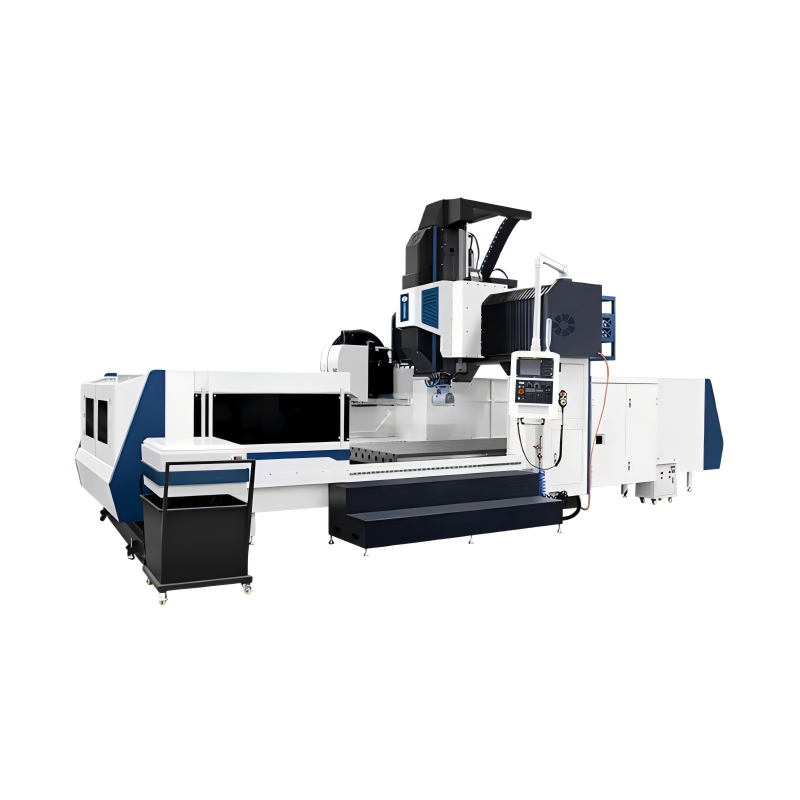
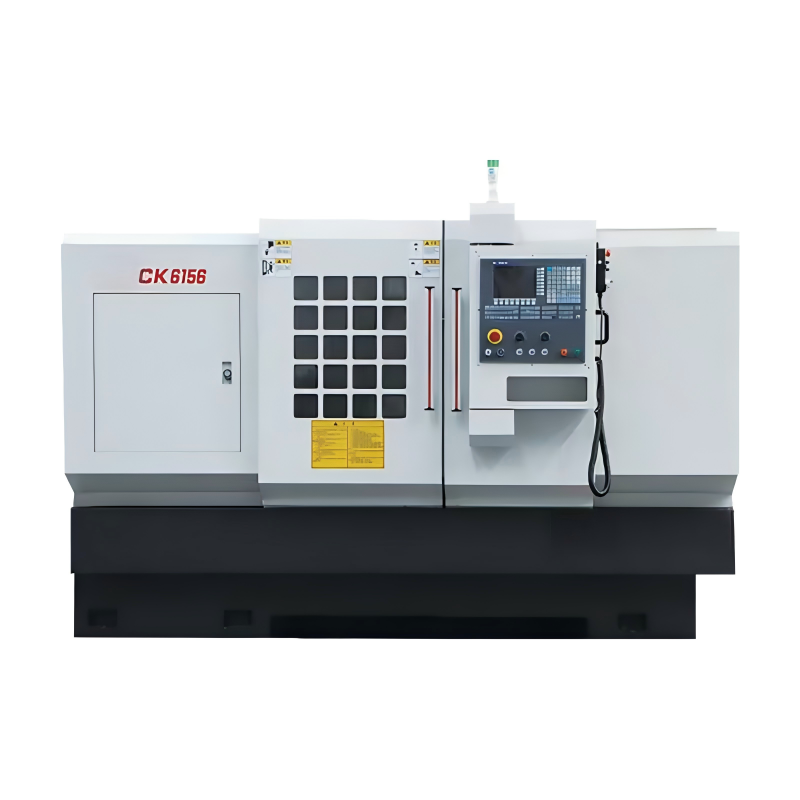
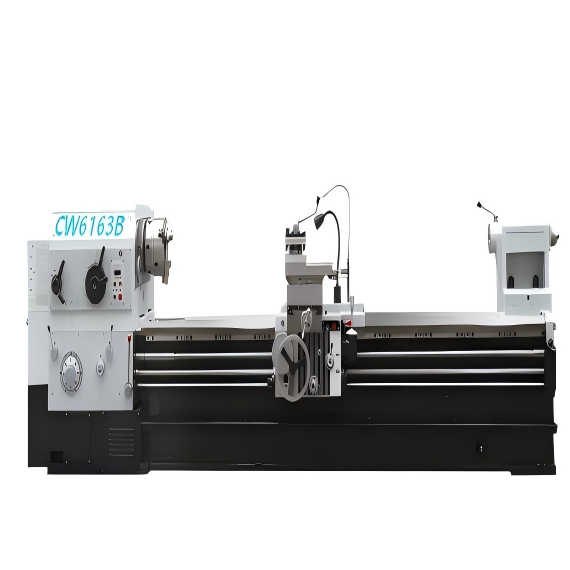
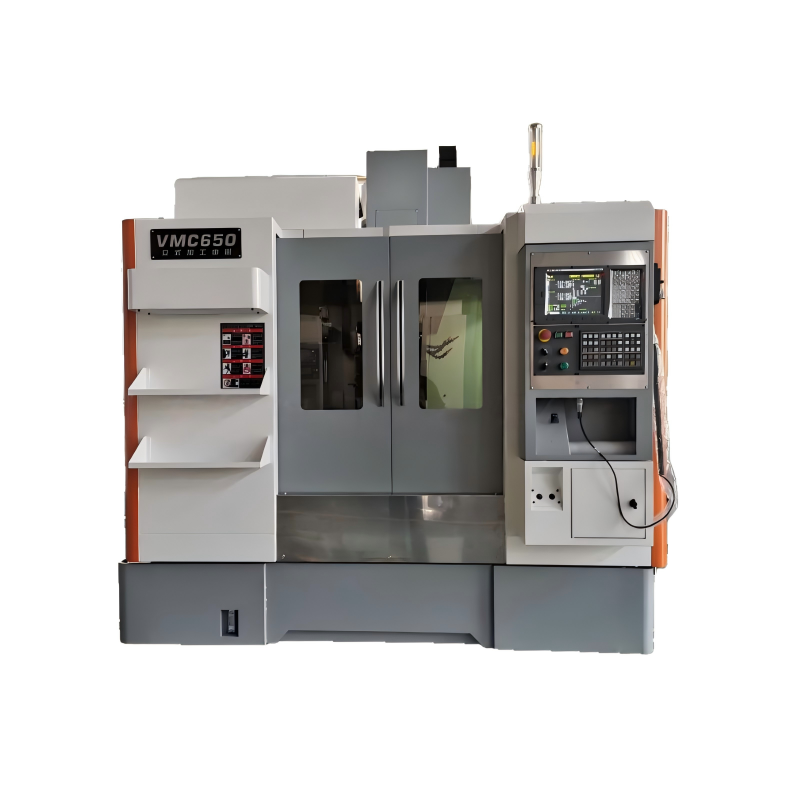
The evolution of machining technology has been nothing short of remarkable, with heavy duty CNC turning centers standing at the forefront of this transformation. These advanced machines not only promise to revolutionize the way we manufacture components but also set new standards for precision, efficiency, and versatility. In this report, we will explore the future of machining with Heavy duty CNC turning centers, examining their capabilities, the benefits they offer, and the potential they hold for the industry.
One of the most significant advancements in heavy duty CNC turning centers is the unparalleled level of precision and accuracy they achieve. Modern CNC turning centers are equipped with state-of-the-art control systems that can execute complex programs with micron-level accuracy. This level of precision is crucial in industries such as aerospace, automotive, and medical devices, where even the slightest deviation can lead to catastrophic failures.
Moreover, these machines utilize high-resolution encoders and advanced feedback mechanisms to ensure that every cut, turn, and drill is executed with the utmost precision. The integration of real-time monitoring and adaptive control technologies further enhances the machine's ability to maintain consistent performance, even under varying conditions. This not only improves the quality of the final product but also reduces the need for post-machining operations, thereby increasing overall productivity.
Heavy duty CNC turning centers are designed to maximize efficiency and productivity, making them an indispensable asset in modern manufacturing. These machines are capable of handling large and complex workpieces, and their robust construction allows for continuous operation without compromising on performance. The use of multi-axis configurations, such as 4-axis and 5-axis machining, enables the simultaneous processing of multiple surfaces, reducing the need for repositioning and setup time.
Additionally, the integration of automation and robotics in heavy duty CNC turning centers further enhances their efficiency. Automated loading and unloading systems, coupled with robotic arms, enable the seamless transfer of workpieces between different stages of the machining process. This not only minimizes downtime but also ensures that the machine operates at optimal capacity, leading to higher throughput and reduced cycle times.
Another key advantage of heavy duty CNC turning centers is their increased versatility and flexibility. These machines are designed to handle a wide range of materials, from soft metals like aluminum to hard alloys and even exotic materials. The ability to switch between different tools and cutting strategies allows for the efficient production of a diverse array of parts, catering to various industrial applications.
Furthermore, the software used in heavy duty CNC turning centers is highly customizable, allowing operators to create and modify programs to suit specific requirements. This flexibility is particularly valuable in industries that require frequent changes in production, such as prototyping and small-batch manufacturing. The ability to quickly adapt to new designs and specifications ensures that the machine remains a valuable asset throughout its lifecycle.
In an era where sustainability is a top priority, heavy duty CNC turning centers are increasingly being designed with energy efficiency in mind. Advanced power management systems and energy-efficient drives help reduce the overall power consumption of the machine, leading to lower operational costs and a smaller environmental footprint. Additionally, the use of regenerative braking systems and energy recovery technologies further enhances the machine's energy efficiency.
Beyond energy consumption, these machines also contribute to sustainability by minimizing waste and maximizing material utilization. The precision and accuracy of heavy duty CNC turning centers result in minimal scrap and rework, reducing the amount of material that needs to be discarded. This not only saves resources but also reduces the environmental impact associated with waste disposal.
The future of machining with heavy duty CNC turning centers is closely tied to the integration of Industry 4.0 technologies. These machines are increasingly being equipped with sensors, IoT (Internet of Things) connectivity, and data analytics capabilities, enabling real-time monitoring and predictive maintenance. By collecting and analyzing data on machine performance, operators can identify potential issues before they become critical, reducing downtime and extending the lifespan of the machine.
Moreover, the integration of cloud-based platforms and artificial intelligence (AI) allows for the optimization of production processes. AI algorithms can analyze historical data to predict future trends, optimize tool paths, and even suggest improvements to the machining parameters. This not only enhances the efficiency of the machine but also enables manufacturers to stay competitive in a rapidly evolving market.
In conclusion, the future of machining with heavy duty CNC turning centers is bright, with these machines offering unprecedented levels of precision, efficiency, and versatility. As the industry continues to evolve, the integration of advanced technologies and sustainable practices will further enhance their capabilities, ensuring that they remain at the forefront of manufacturing innovation.
 17/06/2026
Understanding the Importance of Heavy Duty CNC Turning Centers in Modern Manufacturing In today's highly competitive manufacturing landscape, the demand for precision and efficiency has never been higher. One piece of equipment that stands out as a critic
Read More17/06/2026In the modern manufacturing landscape, the demand for precision, efficiency, and durability has never been higher. A heavy duty CNC turning center is a critical piece of equipment that can significantly enhance the durability of manufactured parts. This r
Read More17/06/2026The evolution of manufacturing technology has seen significant advancements over the years, with heavy duty CNC turning centers playing a pivotal role in shaping the modern industrial landscape. These machines are designed to handle large, complex parts w
Read More17/06/2026In today’s manufacturing landscape, the demand for high precision and efficiency in production processes has never been greater. The advent of advanced heavy duty CNC turning centers marks a significant leap forward in addressing these needs, providing un
Read More16/06/2026In the realm of modern manufacturing, the heavy duty CNC turning center stands out as a critical component in enhancing industrial productivity. This advanced piece of machinery not only accelerates production processes but also ensures precision and reli
Read More16/06/2026Understanding the Requirements for a Heavy Duty CNC Turning CenterIn the realm of precision manufacturing, selecting the appropriate machinery is crucial for both efficiency and product quality. A heavy duty CNC turning center stands out as an essential p
Read More16/06/2026In the contemporary landscape of manufacturing, the advent of advanced machinery has significantly transformed the way materials are processed and parts are produced. Among these innovations, the heavy duty CNC turning center stands out as a critical tool
Read More16/06/2026Choosing the right heavy duty CNC turning center is a critical decision that can significantly impact the efficiency, quality, and cost-effectiveness of your manufacturing processes. With a wide range of options available on the market, it's essential to
Read More16/06/2026The Evolution of Heavy Duty CNC Turning CentersOver the past few decades, heavy duty CNC (Computer Numerical Control) turning centers have become an indispensable part of modern manufacturing. These machines are designed to handle large, complex, and heav
Read More15/06/2026In the realm of modern manufacturing, the heavy duty CNC turning center stands out as a pivotal piece of equipment for industries that demand precision, durability, and efficiency. These machines are designed to handle large, complex parts with high accur
Read More15/06/2026Heavy duty CNC turning centers represent a significant advancement in the field of machining, offering unparalleled precision, efficiency, and versatility. These machines are designed to handle large, complex parts with high accuracy, making them indispen
Read More15/06/2026In the realm of precision manufacturing, the heavy duty CNC turning center stands out as a critical piece of equipment for achieving high-accuracy and efficient production. This article explores the capabilities, applications, and advantages of heavy duty
Read More15/06/2026Heavy duty CNC turning centers are essential tools in the manufacturing industry, capable of producing complex and precise parts with high efficiency. This report delves into the capabilities of a heavy duty CNC turning center, exploring its advanced feat
Read More15/06/2026The evolution of manufacturing technology has led to significant advancements in precision machining, with the heavy duty CNC turning center emerging as a pivotal tool for industries requiring high accuracy and efficiency. This comprehensive guide aims to
Read MoreOur professional sales team is always ready to assist you.