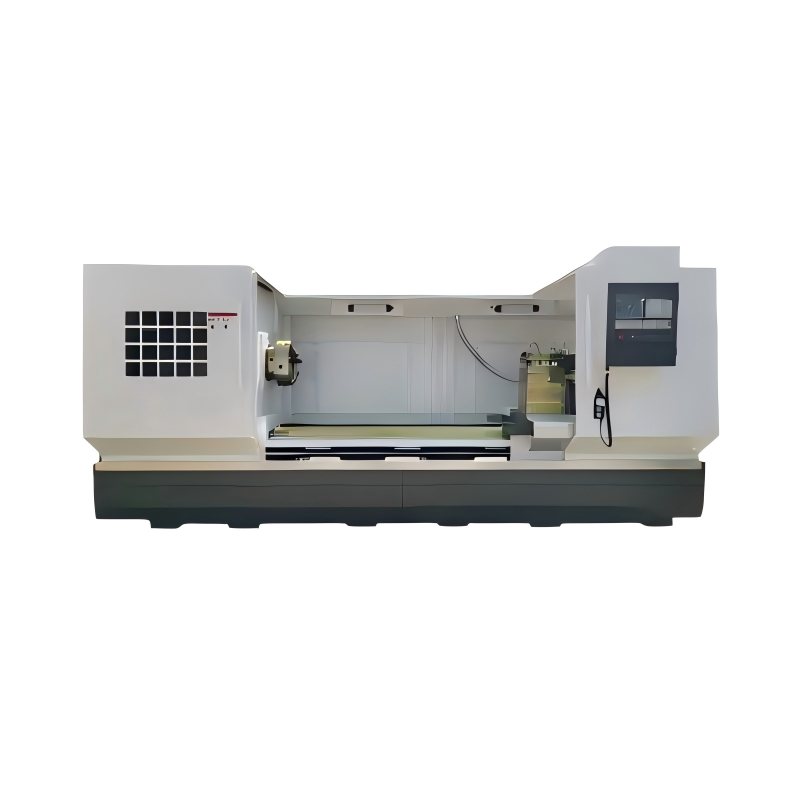
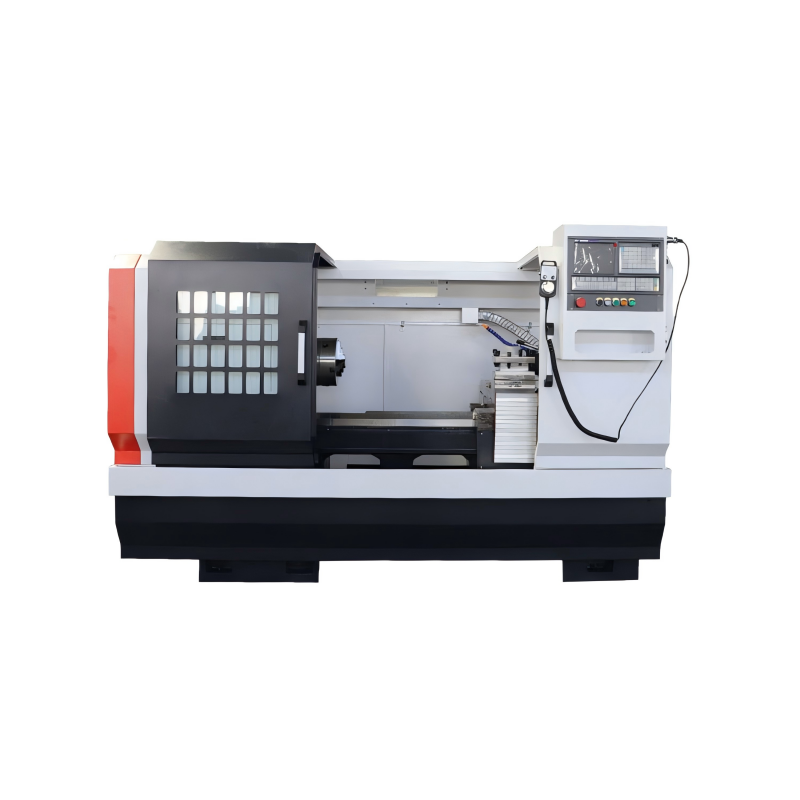
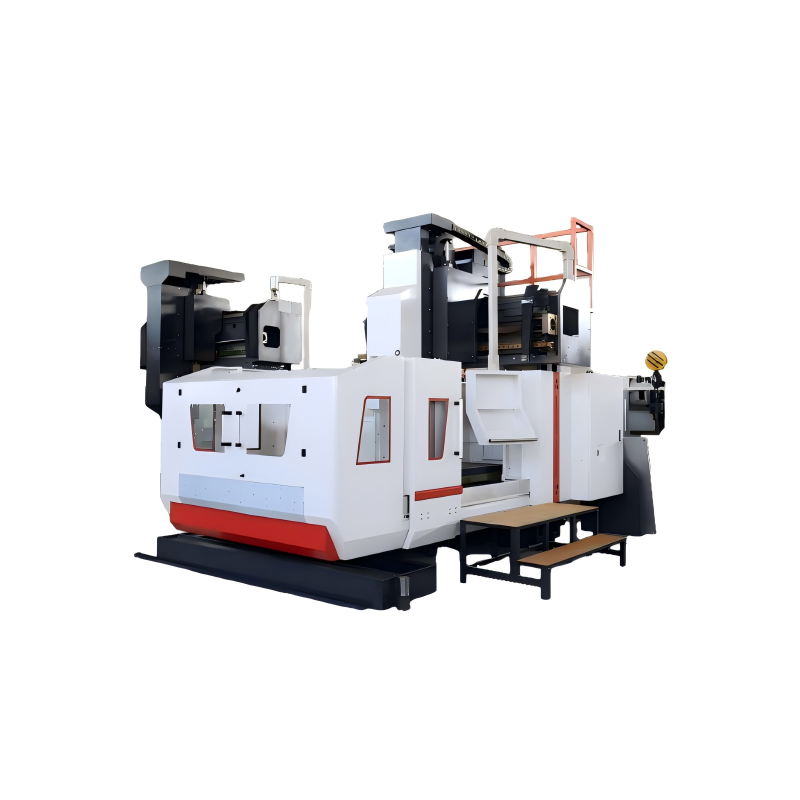
The advent of CNC Vertical Machining Centers has revolutionized the mold making industry, offering unparalleled precision, efficiency, and versatility. This report delves into the significant impact of CNC Vertical Machining Centers on mold making processes, highlighting key advancements and benefits.
One of the most notable impacts of CNC Vertical Machining Centers on mold making is the enhanced precision and accuracy they provide. Traditional methods often relied on manual operations, which were prone to human error and inconsistency. With CNC technology, molds can be manufactured with extremely high precision, ensuring that each part is identical and meets the exact specifications required. This level of accuracy is crucial in industries such as automotive, aerospace, and medical, where even the slightest deviation can lead to catastrophic failures. The use of advanced software and high-precision tools in CNC vertical machining centers allows for the creation of complex geometries and intricate designs, which would be nearly impossible to achieve manually.
CNC vertical machining centers have significantly increased production efficiency in mold making. These machines are capable of operating 24/7 with minimal supervision, allowing for continuous production and reducing downtime. The automation of the machining process eliminates the need for frequent tool changes and manual adjustments, which can be time-consuming and labor-intensive. Additionally, CNC vertical machining centers can perform multiple operations in a single setup, such as drilling, milling, and tapping, further streamlining the production process. This not only reduces the overall production time but also minimizes the risk of errors and inconsistencies that can occur during manual handling. The ability to program and store multiple jobs also means that switching between different mold designs is quick and efficient, enabling manufacturers to respond rapidly to changing market demands.
While the initial investment in a CNC vertical machining center may be higher compared to traditional equipment, the long-term cost savings are substantial. The increased efficiency and reduced scrap rates result in lower material costs and less waste. Moreover, the consistent quality and reduced rework requirements mean that fewer resources are needed for quality control and post-production adjustments. The ability to produce molds with high precision and consistency also leads to longer tool life, as the wear and tear on the tools are minimized. This, in turn, reduces the frequency of tool replacements and maintenance, contributing to overall cost savings. Additionally, the automation and reduced labor requirements mean that the operational costs are significantly lower, making CNC vertical machining centers a cost-effective solution in the long run.
CNC vertical machining centers offer a high degree of flexibility and versatility in mold design. The advanced software used in these machines allows for the creation of highly complex and intricate mold designs, which can be easily modified and updated. This flexibility is particularly valuable in industries that require frequent design changes or customizations, such as consumer electronics and automotive. The ability to quickly adapt to new designs and specifications without the need for extensive retooling or setup changes makes CNC vertical machining centers an ideal choice for modern manufacturing environments. Furthermore, the use of multi-axis capabilities in these machines enables the machining of parts from multiple angles, allowing for the creation of molds with complex internal and external features. This versatility not only enhances the design possibilities but also improves the overall functionality and performance of the final products.
Quality control and consistency are critical factors in mold making, and CNC vertical machining centers excel in this area. The use of computer-controlled processes ensures that every mold is manufactured to the same high standards, with minimal variations. Advanced sensors and monitoring systems in these machines can detect and correct any deviations in real-time, ensuring that the final product meets the specified tolerances and quality requirements. This level of control is particularly important in industries where the failure of a single component can have severe consequences, such as in the medical and aerospace sectors. The ability to maintain consistent quality across large production runs also builds customer trust and enhances the reputation of the manufacturer. Additionally, the detailed documentation and traceability provided by CNC systems make it easier to track and analyze production data, facilitating continuous improvement and quality assurance.
In conclusion, the integration of CNC Vertical Machining Centers into mold making processes has brought about significant improvements in precision, efficiency, cost-effectiveness, flexibility, and quality control. These advancements have not only enhanced the capabilities of mold makers but have also driven innovation and competitiveness in various industries. As technology continues to evolve, the role of CNC vertical machining centers in mold making is expected to become even more pivotal, shaping the future of manufacturing.
 26/06/2026
In the realm of aerospace manufacturing, precision and reliability are paramount. The use of CNC Vertical Machining Center (VMC) has become increasingly prevalent due to their ability to deliver high-precision components with consistent quality. This repo
Read More26/06/2026Understanding the Versatility of CNC Vertical Machining CentersThe CNC (Computer Numerical Control) vertical machining center is a fundamental tool in modern manufacturing, known for its precision and versatility. These machines are capable of performing
Read More26/06/2026The CNC Vertical Machining Center (VMC) is a cornerstone of modern manufacturing, enabling precise and efficient production across a wide range of industries. As the demand for high-precision components continues to grow, selecting the right VMC becomes i
Read More25/06/2026In today’s rapidly evolving manufacturing landscape, the integration of advanced technologies has become a cornerstone for enhancing productivity and maintaining a competitive edge. One such technology that stands out is the CNC (Computer Numerical Contro
Read More25/06/2026Understanding the Importance of Regular Maintenance for CNC Vertical Machining CentersThe CNC Vertical Machining Center is a critical piece of equipment in many manufacturing and engineering environments. These machines are designed to perform complex and
Read More25/06/2026Introduction to CNC Vertical Machining CentersThe evolution of manufacturing technology has seen the rise of CNC (Computer Numerical Control) vertical machining centers as a pivotal tool in modern metalworking. These machines, characterized by their abili
Read More25/06/2026In the world of manufacturing, efficiency and precision are paramount. The advent of Computer Numerical Control (CNC) technology has revolutionized how parts and components are machined, offering unparalleled accuracy and repeatability. Among the various
Read More24/06/2026In the rapidly evolving landscape of modern manufacturing, CNC (Computer Numerical Control) Vertical Machining Centers have emerged as a cornerstone technology, offering unparalleled precision, efficiency, and versatility. These machines play a crucial ro
Read More24/06/2026The advent of CNC (Computer Numerical Control) technology has revolutionized the manufacturing industry, particularly in sectors such as aerospace, where precision and efficiency are paramount. Among the various types of CNC machines, the CNC Vertical Mac
Read More24/06/2026A CNC Vertical Machining Center (CNC VMC) is a critical piece of equipment in modern manufacturing, designed to perform a wide range of machining operations with high precision and efficiency. Selecting the right CNC VMC for your specific needs can be a d
Read More24/06/2026The evolution of manufacturing technologies has significantly impacted the way products are designed, produced, and delivered. Among these advancements, the CNC Vertical Machining Center stands out as a pivotal tool in modern machining processes. This rep
Read More23/06/2026The CNC Vertical Machining Center is a cornerstone in the world of precision engineering, offering unparalleled accuracy and efficiency. This comprehensive guide aims to provide an in-depth understanding of CNC vertical machining centers, their applicatio
Read More23/06/2026Introduction to CNC Vertical Machining Centers in Automotive Parts Production The automotive industry is one of the most technologically advanced and competitive sectors globally, constantly pushing the boundaries of innovation. A key enabler in this rele
Read More23/06/2026In the realm of precision engineering, the advent of CNC (Computer Numerical Control) technology has revolutionized manufacturing processes, allowing for unprecedented levels of accuracy, efficiency, and flexibility. Among the various types of CNC machine
Read More23/06/2026In the rapidly evolving landscape of modern manufacturing, CNC (Computer Numerical Control) vertical machining centers have become an indispensable tool for achieving precision, efficiency, and flexibility. These advanced machines are at the forefront of
Read MoreOur professional sales team is always ready to assist you.