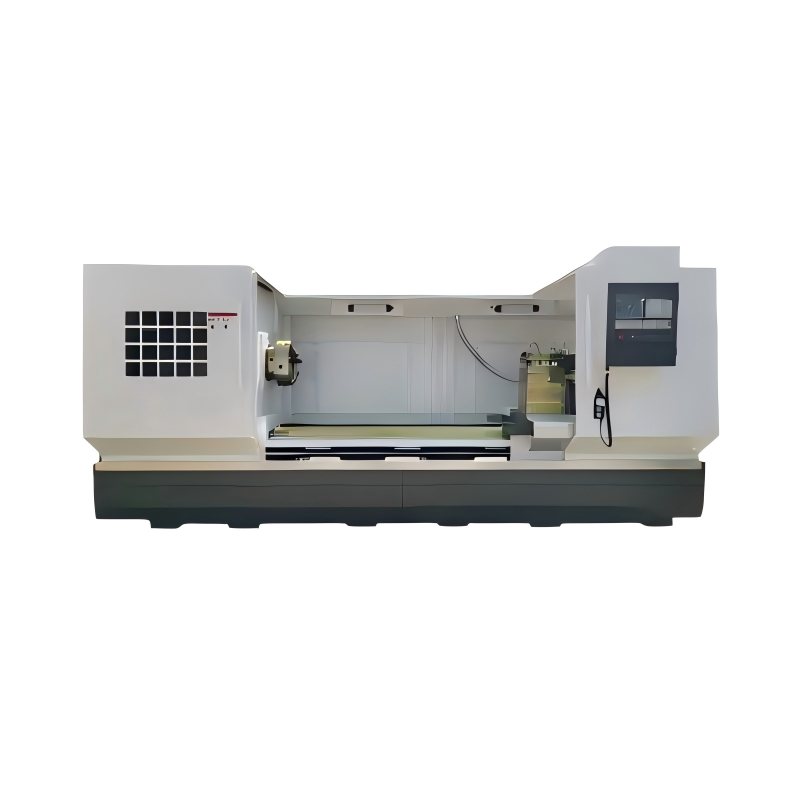
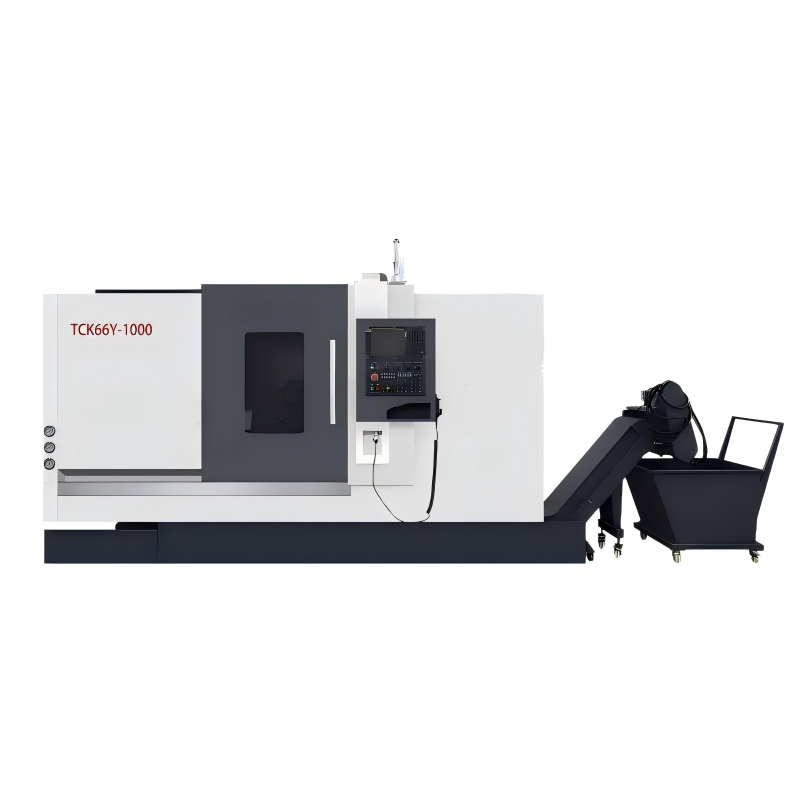
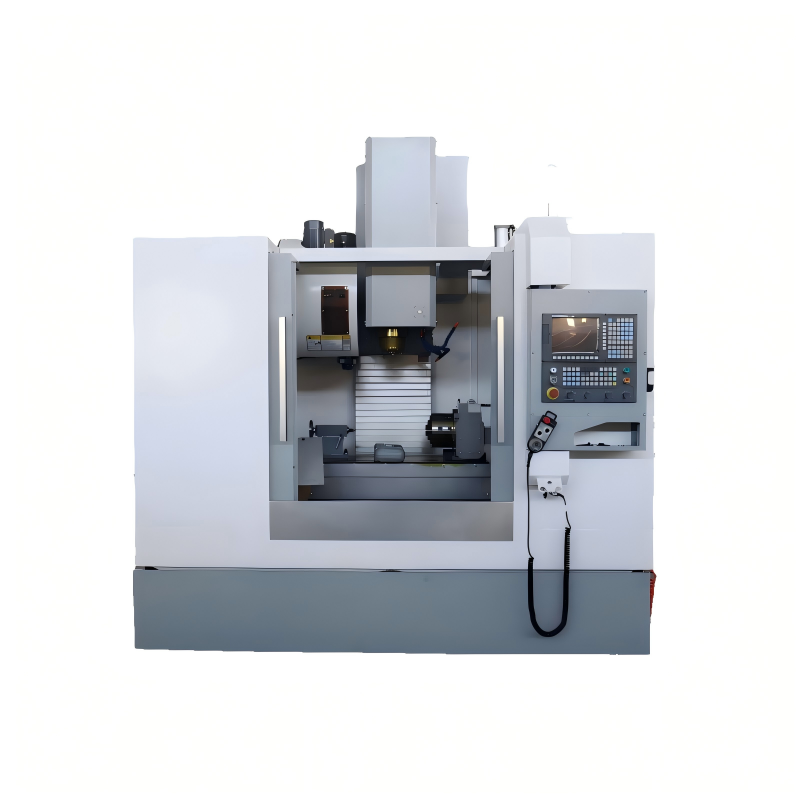
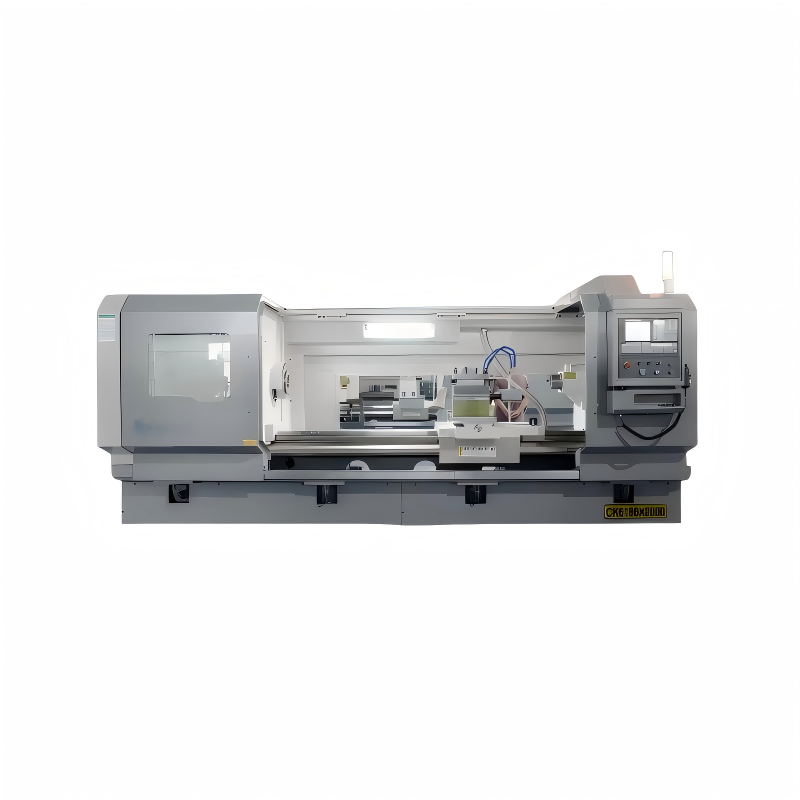
Bed-Type Milling Machines have been a cornerstone of the manufacturing industry for decades, playing an essential role in the production of precision components. These machines are known for their robust construction and ability to handle large workpieces, making them indispensable in various industrial applications. This report aims to explore the significance of bed-type milling machines in modern manufacturing, focusing on their versatility, precision, and adaptability to advanced technologies.
The foundation of any bed-type milling machine is its sturdy and stable base, which is designed to support heavy workpieces and withstand the forces generated during machining operations. The bed, typically made from high-quality cast iron, provides excellent vibration damping properties, ensuring that the machine remains stable even under high cutting loads. This stability is crucial for maintaining the accuracy and surface finish of the machined parts. In addition, the rigid construction of these machines allows for consistent performance over long periods, reducing the need for frequent maintenance and calibration. The robust nature of bed-type milling machines makes them ideal for heavy-duty operations, such as those found in the aerospace, automotive, and energy sectors.
One of the key advantages of bed-type milling machines is their versatility in performing a wide range of machining operations. These machines can be equipped with various tooling options, including face mills, end mills, and drills, allowing them to handle tasks such as milling, drilling, boring, and tapping. The ability to perform multiple operations on a single machine reduces setup times and increases overall productivity. Furthermore, bed-type milling machines often feature multi-axis capabilities, enabling complex contouring and 3D machining. This versatility makes them suitable for both small batch production and high-volume manufacturing, catering to the diverse needs of modern industries.
Precision and accuracy are paramount in modern manufacturing, and bed-type milling machines excel in this aspect. These machines are equipped with advanced control systems, such as CNC (Computer Numerical Control), which provide precise control over the machining process. CNC technology allows for the programming of intricate tool paths, ensuring that the machined parts meet the exact specifications required. Additionally, bed-type milling machines often incorporate features such as linear scales and feedback systems, which further enhance their positional accuracy. The combination of robust construction, advanced control systems, and precise tooling results in high-quality finished products with tight tolerances. This level of precision is particularly important in industries where the slightest deviation can lead to significant performance issues, such as in the medical and electronics sectors.
In the era of Industry 4.0, the integration of advanced technologies is becoming increasingly important in manufacturing. Bed-type milling machines are no exception, as they are being adapted to incorporate cutting-edge technologies such as IoT (Internet of Things), AI (Artificial Intelligence), and automation. For example, IoT sensors can be used to monitor the machine's performance in real-time, providing data on parameters such as temperature, vibration, and wear. This data can then be analyzed using AI algorithms to predict maintenance needs and optimize the machining process. Automation, on the other hand, allows for the seamless integration of bed-type milling machines into larger production lines, reducing human intervention and increasing efficiency. The adoption of these technologies not only enhances the performance of bed-type milling machines but also enables manufacturers to stay competitive in a rapidly evolving market.
Bed-type milling machines continue to play a vital role in modern manufacturing, thanks to their robust construction, versatility, precision, and adaptability to advanced technologies. These machines are capable of handling a wide range of machining operations with high accuracy and consistency, making them indispensable in various industrial applications. As the manufacturing industry continues to evolve, the integration of advanced technologies will further enhance the capabilities of bed-type milling machines, ensuring their relevance in the future of manufacturing.
 28/06/2026
Understanding the Bed-Type Milling Machine The bed-type milling machine, a staple in manufacturing and metalworking industries, is designed for precision and versatility. It stands out due to its robust construction, which includes a heavy-duty bed that p
Read More27/06/2026Bed-Type Milling Machines, also known as knee-type milling machines, are a fundamental tool in the manufacturing industry, offering versatility and precision that make them indispensable for various applications. This report delves into the features and b
Read More26/06/2026The bed-type milling machine is an essential piece of equipment in the manufacturing and machining industries, offering versatility and precision that are crucial for producing high-quality components. This technical report delves into advanced techniques
Read More25/06/2026The bed-type milling machine is a versatile piece of equipment widely used in various industries for its precision and efficiency. This technical report aims to provide a comprehensive understanding of the basics of the bed-type milling machine, including
Read MoreOur professional sales team is always ready to assist you.