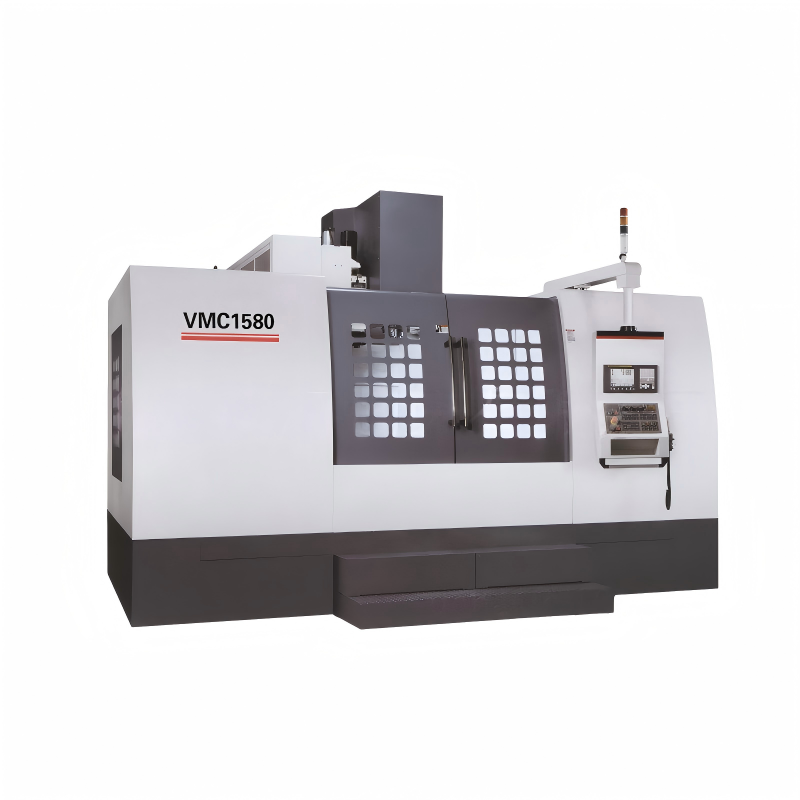
In the realm of modern manufacturing, the heavy-duty vertical CNC Machining Center has emerged as an indispensable tool, revolutionizing production processes and enhancing efficiency. These machines, designed to handle large workpieces with precision and speed, play a crucial role in various industries, from automotive to aerospace. This report delves into the multifaceted impact of Heavy-duty vertical CNC machining centers on contemporary manufacturing, highlighting their technological advancements, economic benefits, and the challenges they address.
Enhancing Precision and Efficiency
One of the primary advantages of a heavy-duty vertical CNC machining center is its ability to achieve unparalleled precision and efficiency. These machines are equipped with advanced control systems that allow for highly accurate positioning and cutting. The use of high-resolution encoders and servo motors ensures that the machine can execute complex operations with minimal error, resulting in superior product quality. Additionally, the vertical configuration of these machines allows for better chip evacuation and improved visibility, which further enhances the machining process.
Moreover, the integration of multi-axis capabilities in heavy-duty vertical CNC machining centers enables them to perform multiple operations in a single setup, reducing the need for retooling and minimizing downtime. This not only speeds up the production process but also reduces the likelihood of human error, as the machine can handle intricate tasks with consistent accuracy. The result is a more efficient and cost-effective manufacturing process, capable of meeting the stringent requirements of modern industries.
Adapting to Diverse Manufacturing Needs
The versatility of heavy-duty vertical CNC machining centers makes them suitable for a wide range of applications. These machines can handle a variety of materials, including metals, plastics, and composites, making them ideal for industries such as automotive, aerospace, and medical device manufacturing. The ability to switch between different tools and cutting parameters allows for the production of diverse components, from simple parts to complex, high-precision assemblies.
Furthermore, the modular design of many heavy-duty vertical CNC machining centers allows for easy customization and expansion. Manufacturers can add additional axes, tool changers, and other accessories to meet specific production requirements. This flexibility is particularly valuable in industries where product designs frequently change or where there is a need to produce a wide range of components. By adapting to diverse manufacturing needs, these machines help companies stay competitive and responsive to market demands.
Driving Innovation and Technological Advancements
Heavy-duty vertical CNC machining centers are at the forefront of technological innovation in the manufacturing industry. Advances in control software, sensor technology, and automation have significantly enhanced the capabilities of these machines. For example, the integration of artificial intelligence (AI) and machine learning algorithms allows for predictive maintenance, reducing downtime and extending the lifespan of the equipment. Real-time monitoring and data analytics provide insights into machine performance, enabling operators to optimize settings and improve overall efficiency.
Additionally, the development of new cutting tools and materials has further expanded the applications of heavy-duty vertical CNC machining centers. High-speed steel, carbide, and diamond-coated tools offer increased durability and cutting performance, allowing for faster and more efficient machining. The use of lightweight, yet strong, materials in the construction of these machines also contributes to their performance, as it reduces vibrations and improves stability during operation. These technological advancements continue to drive the evolution of heavy-duty vertical CNC machining centers, making them an essential tool for modern manufacturing.
Economic Benefits and Cost Savings
The adoption of heavy-duty vertical CNC machining centers offers significant economic benefits to manufacturers. The increased efficiency and precision of these machines lead to reduced material waste and lower production costs. By minimizing errors and rework, companies can achieve higher yields and improve their bottom line. Additionally, the ability to perform multiple operations in a single setup reduces the need for additional machinery and labor, further lowering operational expenses.
Moreover, the long-term reliability and durability of heavy-duty vertical CNC machining centers contribute to their cost-effectiveness. These machines are built to withstand the rigors of industrial use, with robust construction and high-quality components. Regular maintenance and the use of advanced diagnostics can help extend the lifespan of the equipment, ensuring a high return on investment. As a result, companies that invest in heavy-duty vertical CNC machining centers can expect to see substantial cost savings over time, making them a wise choice for both small and large-scale manufacturing operations.
Addressing Industry Challenges and Future Prospects
Despite their numerous advantages, heavy-duty vertical CNC machining centers face certain challenges that need to be addressed. One of the key challenges is the initial cost of acquisition and installation, which can be a barrier for smaller manufacturers. However, the long-term benefits and cost savings often outweigh the initial investment. Another challenge is the need for skilled operators and programmers who can effectively utilize the advanced features of these machines. Training and education programs are essential to ensure that the workforce is well-equipped to handle the complexities of modern CNC machining.
Looking ahead, the future of heavy-duty vertical CNC machining centers is promising. Ongoing research and development are likely to bring about even more advanced features and capabilities, such as fully autonomous operation and enhanced connectivity through the Internet of Things (IoT). These developments will further enhance the efficiency and productivity of these machines, solidifying their role as a cornerstone of modern manufacturing. As the industry continues to evolve, heavy-duty vertical CNC machining centers will remain a critical component, driving innovation and supporting the growth of global manufacturing.

 29/06/2026



