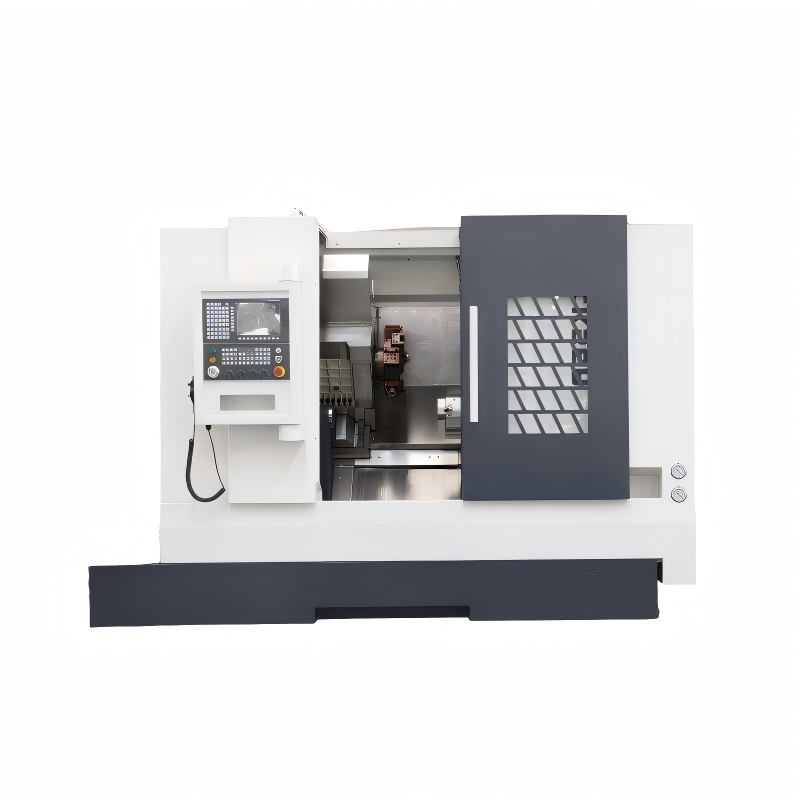
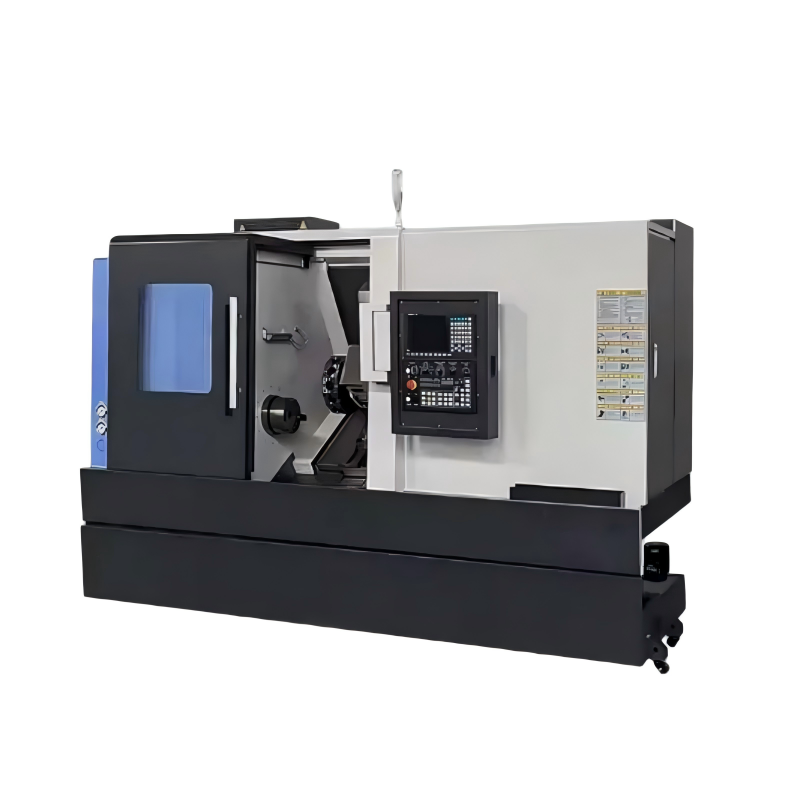
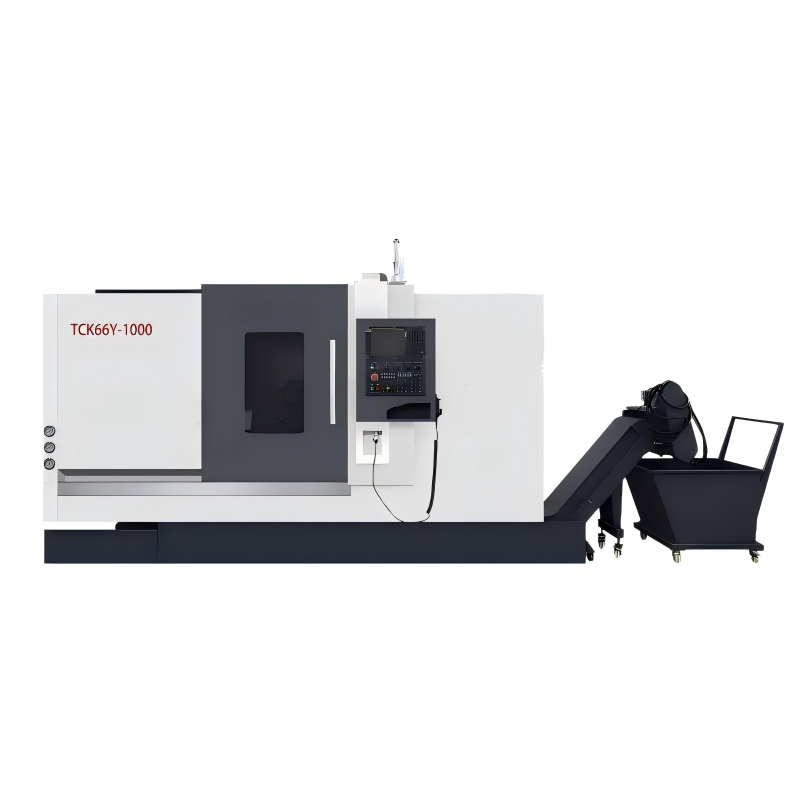
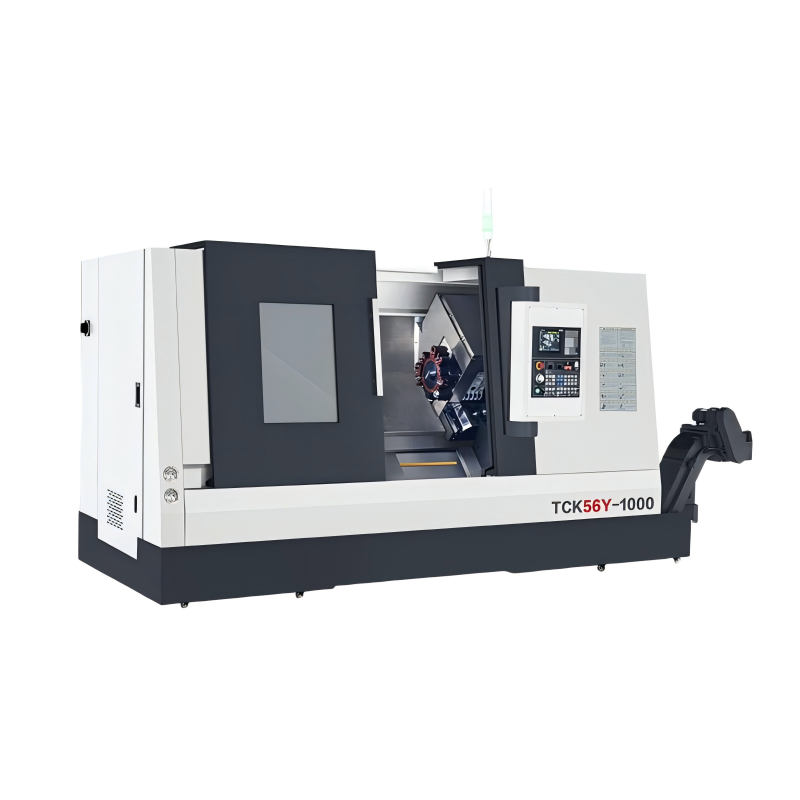
In the rapidly evolving landscape of manufacturing, turning and milling machines are at the forefront of technological advancements. The integration of automation and intelligence is transforming these traditional machining processes into highly efficient and precise operations. This section explores three key aspects of this transformation.
Modern turning and milling machines are equipped with advanced control systems that utilize real-time data and machine learning algorithms to optimize performance. These systems can automatically adjust cutting parameters based on material properties, tool wear, and other variables, ensuring consistent quality and reducing downtime.
The integration of robotics into turning and milling operations has significantly enhanced productivity and flexibility. Robots can handle complex tasks such as loading and unloading parts, changing tools, and performing inspections. This not only improves efficiency but also reduces the risk of human error and injury.
Predictive maintenance is a crucial aspect of intelligent machining. By using sensors and data analytics, manufacturers can monitor the health of their turning and milling machines in real time. This allows for proactive maintenance, preventing unexpected breakdowns and extending the lifespan of the equipment.
Additive manufacturing (AM) is increasingly being integrated with traditional subtractive processes like turning and milling. This hybrid approach offers new possibilities for part design and production, combining the strengths of both technologies. This section delves into three key areas where AM is making an impact.
Hybrid machining centers combine additive and subtractive capabilities in a single machine. This allows for the creation of complex geometries and the ability to add or remove material as needed. Such versatility is particularly useful in industries requiring high-precision and customized parts.
One of the significant advantages of integrating AM with turning and milling is the increased material flexibility. Manufacturers can now work with a wider range of materials, including metals, polymers, and composites, expanding the applications and potential of their products.
AM enables the creation of intricate and innovative designs that would be impossible with traditional machining alone. This design freedom allows engineers to optimize part performance, reduce weight, and improve functionality, leading to more efficient and cost-effective solutions.
As the world becomes more environmentally conscious, the manufacturing industry is under increasing pressure to adopt sustainable practices. Turning and milling technologies are no exception, and there are several ways in which they can contribute to a greener future. This section highlights three key sustainability initiatives.
Energy consumption is a major concern in manufacturing. Modern turning and milling machines are designed with energy-efficient components and systems, such as variable speed drives and regenerative braking. These features help reduce power usage and lower the overall carbon footprint of the operation.
Reducing waste is another critical aspect of sustainable manufacturing. Advanced turning and milling machines use precision cutting techniques and optimized tool paths to minimize material waste. Additionally, recycling and reusing metal chips and coolant can further reduce the environmental impact of these processes.
The use of eco-friendly materials is becoming more prevalent in turning and milling. Biodegradable and recyclable materials, as well as those with lower environmental impacts, are being developed and used in various applications. This shift towards more sustainable materials helps reduce the overall environmental footprint of the manufacturing process.
 05/06/2026
Introduction to Advanced Turning and Milling Machines In the realm of modern manufacturing, the integration of advanced turning and milling machines has become a pivotal element in enhancing productivity. These sophisticated pieces of equipment are design
Read More04/06/2026Understanding the Core Requirements for High-Precision In the realm of manufacturing, where precision is paramount, the choice of a turning and milling machine can significantly impact the quality and efficiency of production. A high-precision milling mac
Read More03/06/2026The automotive industry is one of the most technologically advanced and competitive sectors globally. The production of high-precision, durable, and cost-effective parts is crucial for maintaining a competitive edge. Among the many tools and machines used
Read More02/06/2026Advancements in Control Systems for Enhanced Precision Integration of AI and Machine Learning The integration of artificial intelligence (AI) and machine learning (ML) into the control systems of turning and milling machines represents a significant leap
Read More01/06/2026Understanding the Importance of Regular Maintenance for CNC Turning Centers The reliability and precision of a CNC turning center are directly influenced by how well it is maintained. This section will explore why regular maintenance is not just beneficia
Read More31/05/2026Choosing the right turning and milling machine for your workshop is a decision that can significantly impact the efficiency, quality, and versatility of your operations. This guide aims to provide you with comprehensive insights into making an informed ch
Read More30/05/2026Understanding the Fundamental Capabilities of a Milling Machine A milling machine, often referred to as a turning and milling machine when equipped with additional functionalities, is an indispensable tool in modern manufacturing. This section explores th
Read More29/05/2026In the dynamic landscape of modern manufacturing, the choice of machinery plays a pivotal role in determining the efficiency, quality, and cost-effectiveness of production processes. One such versatile and indispensable tool is the turning and milling mac
Read More28/05/2026Understanding the Core Components of a CNC Milling MachineThe foundation of any CNC (Computer Numerical Control) milling machine lies in its robust construction and the precision of its components. These machines are designed to perform complex cutting op
Read MoreOur professional sales team is always ready to assist you.