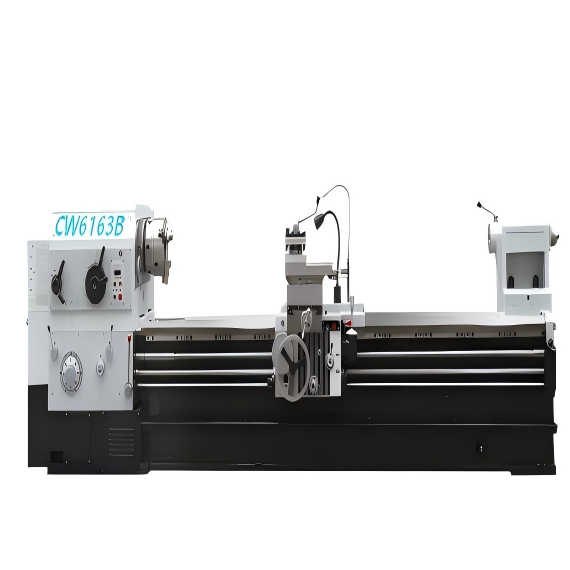
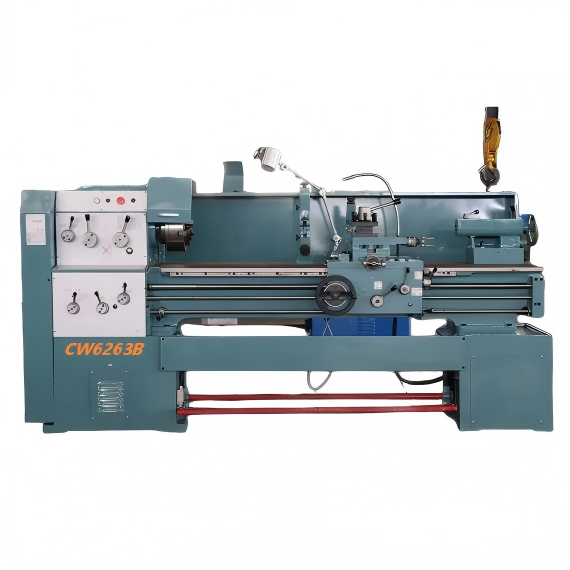
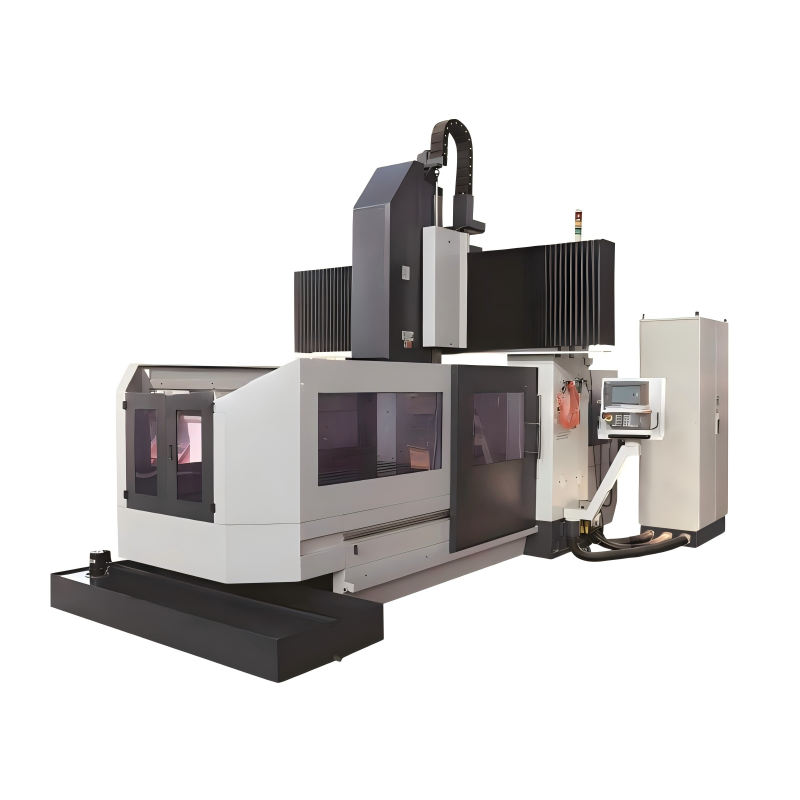
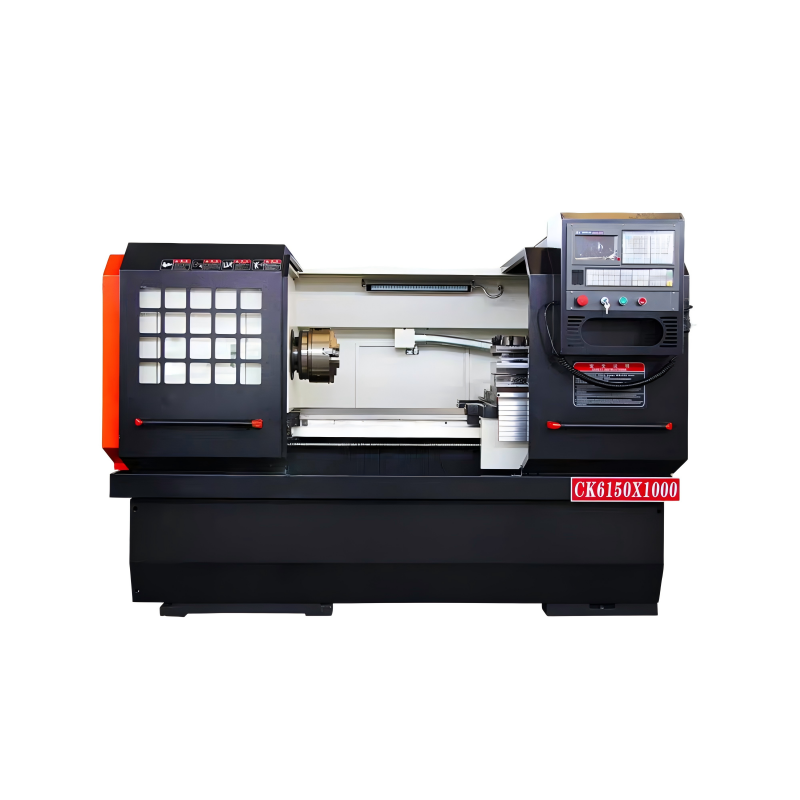
Horizontal lathe machines have been a cornerstone in the manufacturing industry for over a century, but their capabilities and functionalities have evolved significantly. Originally designed for basic turning operations, modern horizontal lathes now incorporate advanced technologies such as CNC (Computer Numerical Control) systems, which allow for precise and complex machining tasks. The integration of these systems has not only improved the accuracy and repeatability of parts but also increased productivity by automating many of the processes that were once performed manually. This evolution is driven by the need for higher precision, faster production times, and reduced human error in the manufacturing process.
One of the key advantages of using horizontal lathe machines in precision machining is their ability to handle large and heavy workpieces with ease. The design of horizontal lathes, with the spindle axis parallel to the floor, allows for better support and stability of the workpiece, reducing vibrations and improving surface finish. Additionally, the horizontal orientation provides easier access for operators and maintenance personnel, leading to more efficient setup and operation. Another significant advantage is the versatility of these machines; they can perform a wide range of operations, from simple turning to more complex milling, drilling, and threading, all within a single setup. This multifunctionality reduces the need for multiple machines and setups, thereby increasing overall efficiency and reducing production costs.
Recent advancements in horizontal lathe machine technology have focused on enhancing precision, speed, and automation. One such innovation is the use of linear motors, which provide smoother and more precise motion control compared to traditional ball screws. Linear motors eliminate the backlash and wear associated with mechanical components, resulting in higher accuracy and longer machine life. Another notable development is the integration of artificial intelligence (AI) and machine learning algorithms into the control systems of horizontal lathes. These intelligent systems can optimize cutting parameters, predict tool wear, and even detect potential issues before they become critical, thus minimizing downtime and maximizing productivity. Furthermore, the use of high-speed spindles and advanced cooling systems has enabled horizontal lathes to achieve higher cutting speeds and feed rates, further enhancing their performance and efficiency.
While horizontal lathe machines offer numerous benefits, there are also challenges that must be addressed to fully leverage their potential. One of the primary challenges is the initial cost of investment, as these machines can be expensive, especially when equipped with advanced features. However, the long-term benefits, such as increased productivity and reduced labor costs, often outweigh the initial expenses. Another challenge is the need for skilled operators who are trained to use the advanced features and programming interfaces of these machines. To address this, many manufacturers now offer comprehensive training programs and user-friendly interfaces to simplify the learning curve. Additionally, the maintenance and upkeep of these machines require regular attention to ensure optimal performance. Regular servicing, software updates, and timely replacement of worn-out parts are essential to maintain the reliability and longevity of horizontal lathes.
As the manufacturing industry transitions towards Industry 4.0, horizontal lathe machines are playing a crucial role in this digital transformation. The integration of IoT (Internet of Things) sensors and data analytics enables real-time monitoring and data collection, providing valuable insights into machine performance and operational efficiency. This data can be used to optimize production processes, predict maintenance needs, and improve overall quality control. Moreover, the connectivity of horizontal lathes to other machines and systems in a smart factory environment allows for seamless communication and coordination, enabling a more flexible and responsive manufacturing system. The ability to adapt to changing production demands and integrate with other advanced technologies, such as robotics and additive manufacturing, positions horizontal lathes as a key component in the future of precision machining.
In conclusion, horizontal lathe machines have come a long way from their early days and continue to evolve to meet the demands of modern manufacturing. Their ability to handle large and heavy workpieces, combined with advanced features such as CNC systems, linear motors, and AI, makes them indispensable in precision machining. While there are challenges in terms of cost and operator training, the long-term benefits and the role they play in Industry 4.0 make them a worthwhile investment. As technology continues to advance, we can expect horizontal lathes to become even more versatile, efficient, and integral to the future of precision machining.
 09/06/2026
The evolution of machining technologies has led to significant advancements in the design and functionality of horizontal lathes. These machines, known for their precision and versatility, have become an indispensable part of manufacturing processes acros
Read More09/06/2026Understanding the Basics of Horizontal Lathe Machines A horizontal lathe machine is a fundamental tool in any workshop, used for shaping and machining metal, wood, or other materials. It operates by rotating the workpiece on its axis while a cutting tool
Read More09/06/2026In the realm of manufacturing, the efficiency and precision of machining processes are paramount. One of the most versatile and widely used machines in this field is the Horizontal Lathe Machine. These machines have been a cornerstone in the industry for
Read More09/06/2026Horizontal Lathe Machine technology has seen significant advancements over the past few years, with China emerging as a key player in the global market. This report delves into the top trends that are shaping the future of Horizontal Lathe Machines from C
Read More09/06/2026The advancements in manufacturing technology have led to significant improvements in the efficiency, precision, and versatility of machining processes. One such innovation that stands out is the Horizontal Lathe Machine, which has become a cornerstone in
Read More09/06/2026The evolution of manufacturing technologies has witnessed significant advancements, with the horizontal lathe machine standing out as a pivotal tool in modern production environments. This report delves into the advantages that make horizontal lathes indi
Read More05/06/2026In today's fast-paced manufacturing environment, the integration of advanced machinery like the Horizontal Lathe Machine and the Industrial Gantry Router Unit is crucial for optimizing production efficiency. This technical report delves into how an Indust
Read More05/06/2026Horizontal Lathe Machines, a cornerstone in the manufacturing industry, have seen significant advancements with the integration of Computer Numerical Control (CNC) technology. This report delves into the advanced features of CNC lathes that enhance produc
Read More05/06/2026Horizontal Lathe Machines are essential tools in the manufacturing industry, known for their precision and versatility. This report delves into advanced techniques that can be employed to maximize the efficiency of a Horizontal Lathe Machine. By optimizin
Read More05/06/2026In the realm of precision engineering, the Horizontal Lathe Machine plays a crucial role in achieving high-precision machining. This machine is designed to handle a wide range of materials and is capable of producing intricate and complex parts with excep
Read More05/06/2026In the realm of modern manufacturing, Horizontal Lathe Machines have emerged as a versatile and indispensable tool. These machines, designed to shape and cut materials with precision, are used across various industries, from automotive to aerospace. This
Read More04/06/2026This comprehensive guide aims to provide an in-depth understanding of operating a Horizontal Lathe Machine, which is essential for anyone involved in machining processes. From the basics of setting up and preparing the machine, through to executing variou
Read More04/06/2026Horizontal Lathe Machines, an essential tool in the manufacturing and machining industry, have been a cornerstone of precision engineering for decades. These machines are designed to shape metal or other rigid materials by rotating them against a cutting
Read More04/06/2026Choosing the right China lathe manufacturer for precision work, especially when it comes to a Horizontal Lathe Machine, is a critical decision that can significantly impact the quality and efficiency of your manufacturing processes. This technical report
Read More04/06/2026Horizontal lathe machines have become an indispensable part of modern manufacturing, playing a crucial role in the production of precision components. This report delves into the significance of horizontal lathe machines, exploring their versatility, effi
Read MoreOur professional sales team is always ready to assist you.