In the realm of precision engineering, the CNC lathe machine from China plays a pivotal role in shaping the future of manufacturing. This technical report delves into how these advanced machines contribute to the industry's growth, focusing on their capabilities, applications, and the technological advancements that set them apart. The integration of Vertical Machine Centers alongside CNC Lathes is also explored, highlighting the synergies between these tools and their combined impact on achieving unparalleled precision and efficiency. By examining case studies, operational benefits, and the latest trends, this document aims to provide a comprehensive overview of the importance of CNC lathe machines in modern manufacturing.
The development of CNC (Computer Numerical Control) technology has been a game-changer in the manufacturing industry. From its inception, CNC lathes have evolved significantly, offering greater precision and flexibility. The early models were basic, with limited capabilities, but as technology advanced, so did the complexity and functionality of these machines. Today, CNC lathes are highly sophisticated, capable of performing intricate operations with minimal human intervention.
Modern CNC lathes are equipped with state-of-the-art features such as high-speed spindles, multi-axis capabilities, and advanced software. These enhancements allow for more complex and precise machining, making them indispensable in industries where accuracy is paramount. Additionally, the integration of automation and robotics has further streamlined the production process, reducing cycle times and increasing productivity. The continuous innovation in CNC technology ensures that these machines remain at the forefront of precision engineering.
The aerospace sector demands the highest levels of precision and reliability. CNC lathes are crucial in manufacturing components such as turbine blades, engine parts, and structural elements. These machines can produce parts with tight tolerances, ensuring that every component meets the stringent safety and performance standards required in the aerospace industry. The ability to work with a wide range of materials, including exotic alloys, makes CNC lathes an essential tool for aerospace manufacturers.
In the medical device industry, precision is not just a requirement; it is a necessity. CNC lathes are used to manufacture surgical instruments, implants, and other medical devices that require exact specifications. The ability to produce intricate and delicate parts with high repeatability is critical in this field. CNC lathes ensure that each component is manufactured to the highest standards, contributing to the overall quality and safety of medical devices. The use of biocompatible materials and the need for sterile environments further highlight the importance of these machines in the medical sector.
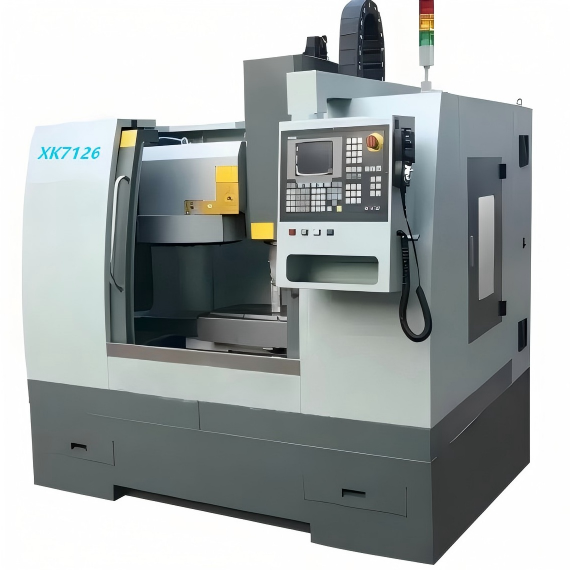
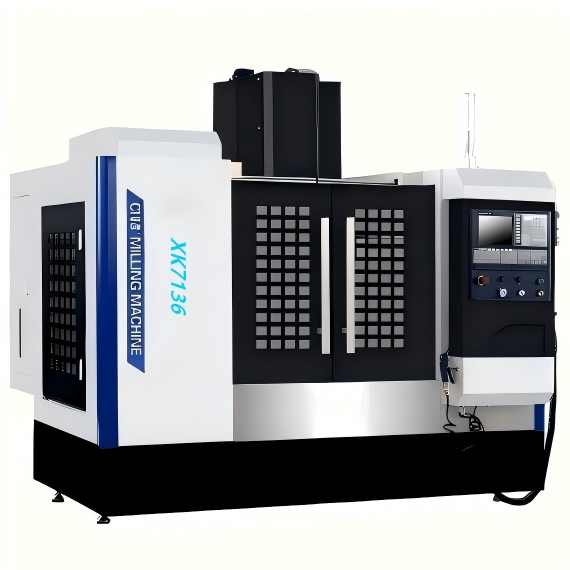
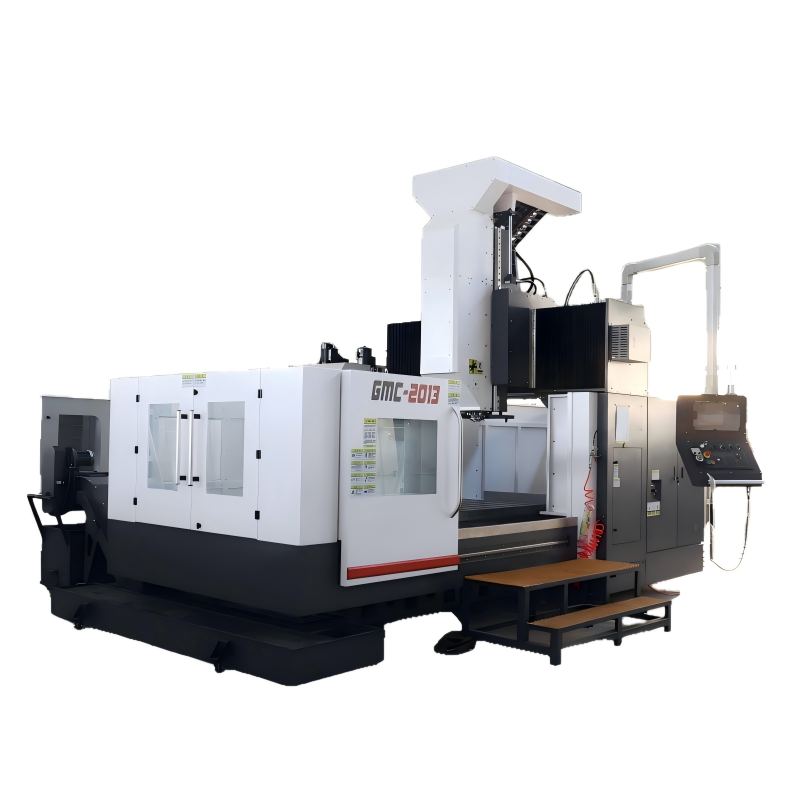
While CNC lathes excel in turning and milling operations, vertical machine centers (VMCs) offer unique advantages in machining. VMCs are designed for high-precision milling, drilling, and tapping, making them ideal for producing complex 3D shapes and contours. The combination of CNC lathes and VMCs allows manufacturers to achieve a broader range of machining capabilities, enabling them to tackle more diverse and challenging projects. This synergy between the two types of machines enhances the overall efficiency and versatility of the manufacturing process.
Integrating CNC lathes and VMCs into a single production line can significantly optimize the workflow. By strategically placing these machines, manufacturers can reduce material handling and minimize setup times. This streamlined approach not only improves productivity but also reduces the risk of errors and defects. Advanced software solutions, such as CAD/CAM systems, facilitate seamless communication between the machines, ensuring that each step of the process is executed with precision. The result is a more efficient and cost-effective manufacturing operation.
CNC lathes and VMCs offer significant cost savings over traditional machining methods. The high precision and repeatability of these machines reduce scrap rates and minimize rework, leading to lower production costs. Additionally, the ability to automate many processes reduces labor costs and increases overall productivity. As the demand for precision-engineered components continues to grow, the economic benefits of investing in CNC technology become increasingly apparent.
The global market for CNC machines, including lathes and VMCs, is expected to experience steady growth in the coming years. Factors such as the increasing adoption of automation, the rise of Industry 4.0, and the growing demand for precision engineering in various industries are driving this growth. Manufacturers in China, known for their competitive pricing and technological advancements, are well-positioned to capitalize on this trend. The expanding market presents numerous opportunities for companies to innovate and expand their offerings, further solidifying the role of CNC lathes in precision engineering.
Modern CNC lathes and VMCs are designed with energy efficiency in mind. Advances in motor technology, such as the use of servo motors and variable frequency drives, have significantly reduced power consumption. Additionally, the implementation of smart sensors and predictive maintenance systems helps to optimize energy usage and reduce downtime. These energy-efficient features not only lower operating costs but also contribute to a more sustainable manufacturing process.
One of the key benefits of using CNC lathes and VMCs is the reduction in waste. The high precision and repeatability of these machines minimize material waste, as each part is machined to exact specifications. Furthermore, the ability to recycle and reuse metal chips and other byproducts further reduces the environmental impact of the manufacturing process. By adopting these sustainable practices, manufacturers can meet the growing demand for eco-friendly products while maintaining high levels of productivity and quality.
The future of CNC lathes and VMCs is closely tied to advancements in software and automation. The integration of artificial intelligence (AI) and machine learning (ML) algorithms will enable these machines to become even more intelligent and adaptive. AI-powered software can optimize tool paths, predict maintenance needs, and improve overall machine performance. Additionally, the use of collaborative robots (cobots) and autonomous systems will further enhance the flexibility and efficiency of the manufacturing process.
The development of new materials and machining processes will also play a crucial role in the future of CNC technology. For example, the use of composite materials and additive manufacturing techniques, such as 3D printing, will require CNC lathes and VMCs to adapt and evolve. These machines will need to be capable of handling a wider range of materials and performing more complex operations. The continuous innovation in materials science and machining processes will drive the evolution of CNC technology, ensuring that these machines remain at the cutting edge of precision engineering.
 05/06/2026
In today's manufacturing landscape, the vertical machine center (VMC) stands out as a versatile and essential tool across various industries. From automotive to aerospace, VMCs play a crucial role in shaping the future of precision engineering. This techn
Read More05/06/2026When it comes to selecting a vertical machine center, making an informed decision is crucial for ensuring that the investment not only meets but exceeds expectations in terms of performance, reliability, and efficiency. A vertical machine center (VMC) is
Read More05/06/2026When it comes to selecting the best CNC lathe machine in China, numerous factors come into play. From precision and efficiency to cost-effectiveness and durability, the decision-making process can be overwhelming. This comprehensive guide aims to provide
Read MoreOur professional sales team is always ready to assist you.