In today's manufacturing landscape, the Vertical Machine Center (VMC) stands out as a versatile and essential tool across various industries. From automotive to aerospace, VMCs play a crucial role in shaping the future of precision engineering. This technical report aims to explore the capabilities of a Vertical Machine Center, highlighting its applications, advantages, and the transformative impact it has on diverse industrial sectors. By delving into specific use cases and technological advancements, we will uncover how VMCs are not just tools but enablers of innovation and efficiency.
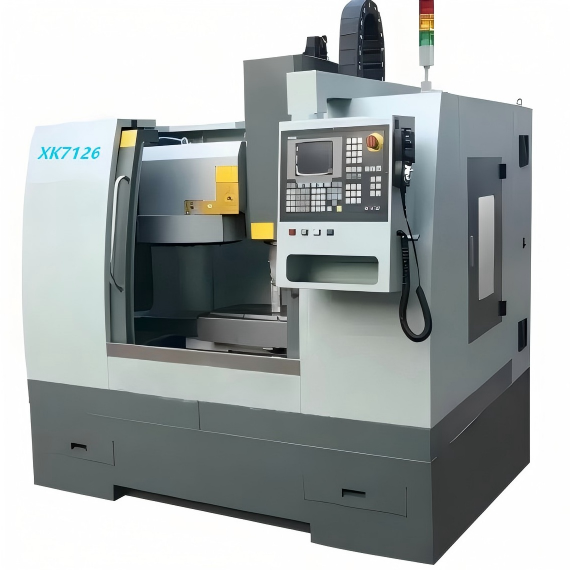
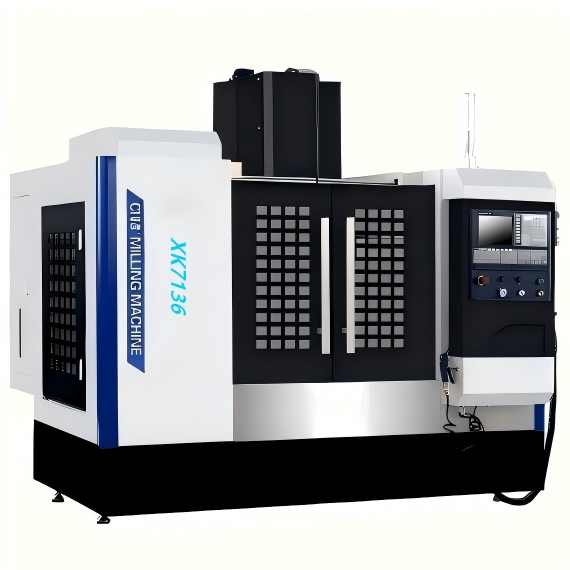
A Vertical Machine Center, or VMC, is a type of CNC (Computer Numerical Control) milling machine where the spindle axis is vertically oriented. The primary function of a VMC is to perform multi-axis machining operations, such as drilling, milling, and tapping, with high precision and speed. The vertical orientation of the spindle allows for efficient chip evacuation and better visibility of the workpiece, making it ideal for complex and intricate parts.
VMCs are equipped with several key components that enhance their performance and versatility. These include the spindle, which can rotate at high speeds; the table, which holds the workpiece and can move in multiple axes; and the control system, which manages the entire machining process. Additionally, modern VMCs often feature advanced technologies like automatic tool changers, coolant systems, and integrated software solutions, further boosting their capabilities.
One of the most significant advantages of VMCs is their ability to achieve high levels of precision and accuracy. The rigid construction and stable design of VMCs minimize vibrations and deflections during machining, ensuring consistent and reliable results. This is particularly important in industries where tight tolerances and exact specifications are critical, such as in the production of medical devices and aerospace components.
VMCs are designed to maximize productivity and efficiency through their high-speed spindles, rapid traverse rates, and automated features. Automatic tool changers, for example, allow for quick and seamless transitions between different cutting tools, reducing setup times and increasing overall throughput. Moreover, the ability to perform multiple operations in a single setup minimizes the need for manual intervention, leading to faster production cycles and lower labor costs.
The automotive industry is one of the largest users of VMCs, leveraging their capabilities to produce a wide range of components, from engine blocks and transmission housings to brake calipers and steering knuckles. VMCs enable the mass production of these parts with high precision and consistency, meeting the stringent quality standards required by the industry. Additionally, the flexibility of VMCs allows for the rapid prototyping and testing of new designs, accelerating the development of innovative automotive solutions.
In the aerospace and defense sectors, VMCs play a vital role in the manufacture of critical components, such as aircraft frames, turbine blades, and missile guidance systems. The high precision and repeatability of VMCs are essential for ensuring the safety and reliability of these components, which must withstand extreme conditions and operate flawlessly. Furthermore, the ability of VMCs to handle a variety of materials, including exotic alloys and composites, makes them indispensable in these demanding industries.
Modern VMCs are increasingly being integrated with advanced software solutions, such as CAD/CAM (Computer-Aided Design/Computer-Aided Manufacturing) systems and simulation tools. These software packages enable more efficient programming, simulation, and optimization of machining processes. For example, CAD/CAM software can generate toolpaths directly from 3D models, while simulation tools can predict and optimize the machining process, reducing errors and improving cycle times.
The advent of Industry 4.0 and smart manufacturing has led to the adoption of various technologies in VMCs, such as IoT (Internet of Things) sensors, data analytics, and predictive maintenance. IoT sensors can monitor the health and performance of the machine in real-time, providing valuable insights into its operation. Data analytics can help identify trends and patterns, enabling proactive maintenance and reducing downtime. Predictive maintenance algorithms can forecast potential failures and schedule maintenance activities, ensuring optimal machine uptime and productivity.
While VMCs offer numerous benefits, their initial investment cost can be a significant barrier for some businesses, especially small and medium-sized enterprises (SMEs). The cost of purchasing, installing, and maintaining a VMC can be substantial, and companies must carefully evaluate the return on investment (ROI) before making a decision. However, the long-term benefits of increased productivity, reduced labor costs, and improved product quality often justify the initial expense.
Another challenge in implementing VMCs is the need for skilled operators and programmers. VMCs require specialized knowledge and training to operate effectively, and companies must invest in employee education and development. Training programs, both in-house and external, can help bridge the skills gap and ensure that employees are proficient in using VMCs. Additionally, ongoing training and support are necessary to keep up with the latest technological advancements and best practices.
One of the emerging trends in VMC technology is the development of hybrid machining centers, which combine the capabilities of traditional VMCs with other machining processes, such as turning, grinding, and laser cutting. These hybrid machines offer a more comprehensive solution for complex and multifaceted parts, reducing the need for multiple setups and machines. The integration of these additional processes can significantly improve production efficiency and reduce lead times, making hybrid VMCs an attractive option for many manufacturers.
Advancements in materials science and cutting tool technology are also driving innovations in VMCs. New materials, such as high-performance ceramics and advanced composites, are being developed to meet the demands of high-precision and high-stress applications. Similarly, cutting tool manufacturers are continually developing new materials and coatings that enhance tool life, cutting speed, and surface finish. These advancements not only improve the performance of VMCs but also expand their application in various industries, pushing the boundaries of what is possible in precision machining.
 05/06/2026
When it comes to selecting a vertical machine center, making an informed decision is crucial for ensuring that the investment not only meets but exceeds expectations in terms of performance, reliability, and efficiency. A vertical machine center (VMC) is
Read More05/06/2026When it comes to selecting the best CNC lathe machine in China, numerous factors come into play. From precision and efficiency to cost-effectiveness and durability, the decision-making process can be overwhelming. This comprehensive guide aims to provide
Read More05/06/2026In the realm of precision engineering, the CNC lathe machine from China plays a pivotal role in shaping the future of manufacturing. This technical report delves into how these advanced machines contribute to the industry's growth, focusing on their capab
Read MoreOur professional sales team is always ready to assist you.