When it comes to selecting the best CNC lathe machine in China, numerous factors come into play. From precision and efficiency to cost-effectiveness and durability, the decision-making process can be overwhelming. This comprehensive guide aims to provide a detailed overview of the key considerations for choosing the right CNC Lathe machine. By understanding the various types of machines available, their features, and how they align with your specific manufacturing needs, you can make an informed decision that will benefit your production line. Whether you're looking at a Vertical Machine Center or a horizontal lathe, this guide will help you navigate through the technical specifications and operational requirements to find the perfect fit.
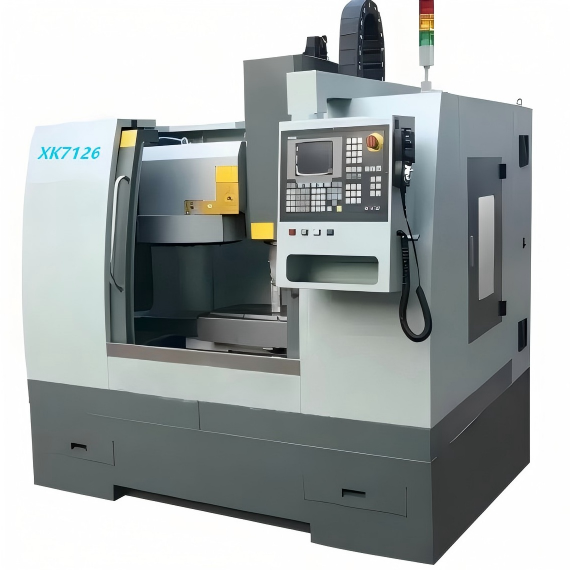
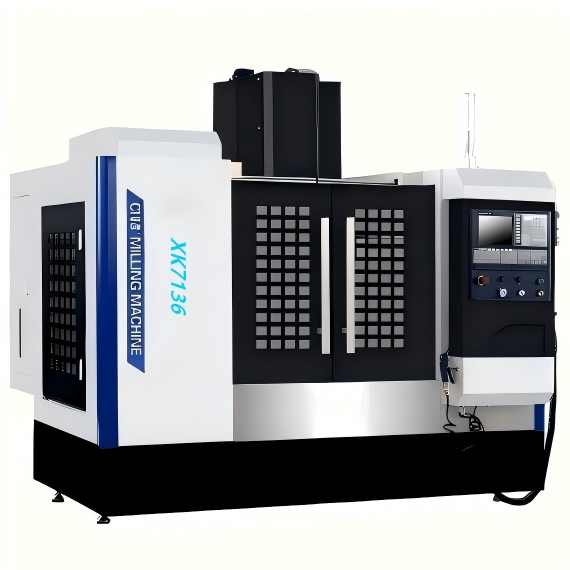
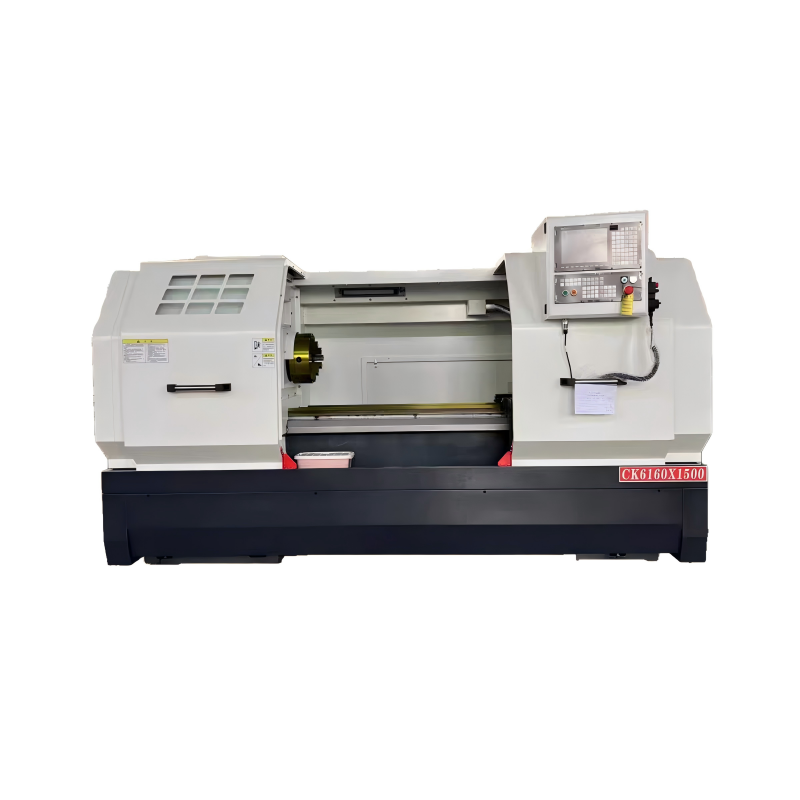
Before diving into the specifics, it's essential to understand the different types of CNC lathes available. The two primary categories are vertical and horizontal lathes. Each type has its unique advantages and is suited for particular applications. For instance, a Vertical Machine Center (VMC) is ideal for machining parts that require multiple operations, as it allows for easy access from all sides. On the other hand, a horizontal lathe is better suited for long, cylindrical parts that need to be turned or drilled.
The volume of production is another critical factor. High-volume production often requires more robust and efficient machines, such as those with higher spindle speeds and advanced automation features. Conversely, low-volume or custom production may benefit from more flexible and versatile machines that can handle a variety of tasks. Understanding your production volume will help you determine the appropriate machine size and capabilities.
The spindle speed and power are crucial for determining the machine's performance. A higher spindle speed allows for faster cutting and increased productivity, while a more powerful spindle can handle tougher materials. It's important to match the spindle specifications to the materials and operations you plan to perform. For example, a Vertical Machine Center typically offers high spindle speeds and power, making it suitable for complex and high-precision machining.
The tool capacity and the presence of an automatic tool changer (ATC) are also key considerations. A larger tool capacity means you can store more tools, reducing the need for frequent tool changes and increasing efficiency. An ATC system further enhances productivity by automatically changing tools during the machining process. This feature is particularly valuable in high-volume production environments where minimizing downtime is essential.
Accuracy and repeatability are critical for ensuring consistent and high-quality output. Positioning accuracy refers to the machine's ability to place the tool in the exact location specified, while repeatability measures the consistency of these placements over time. High-precision machines, such as a Vertical Machine Center, are designed to achieve sub-micron positioning accuracy and excellent repeatability, making them ideal for applications requiring tight tolerances.
Thermal stability and vibration damping are additional factors that affect machine accuracy. Machines with thermal compensation systems can adjust for temperature variations, ensuring consistent performance. Vibration damping features, such as rigid construction and vibration-dampening materials, help maintain stability and reduce tool wear, leading to longer tool life and better surface finishes.
Automation can significantly enhance the efficiency and productivity of your CNC lathe. Automatic loading and unloading systems, such as robotic arms or pallet changers, can reduce manual labor and increase throughput. These systems are especially beneficial in high-volume production, where continuous operation is required. A Vertical Machine Center, for example, can be equipped with advanced automation features to streamline the entire machining process.
Seamless integration with Computer-Aided Design (CAD) and Computer-Aided Manufacturing (CAM) software is essential for optimizing the machining process. Modern CNC lathes should support industry-standard file formats and offer user-friendly interfaces for programming and simulation. This integration allows for efficient part design, toolpath generation, and real-time monitoring, ultimately leading to faster setup times and reduced errors.
When evaluating the cost of a CNC lathe, it's important to consider both the initial investment and the ongoing operating costs. The initial investment includes the purchase price, installation, and any necessary modifications to your facility. Operating costs, on the other hand, encompass energy consumption, maintenance, and consumables like cutting tools. A Vertical Machine Center, for example, may have a higher initial cost but can offer significant long-term savings through increased efficiency and lower maintenance requirements.
Calculating the return on investment (ROI) is crucial for justifying the purchase of a new CNC lathe. Factors to consider include the expected increase in production, reduction in labor costs, and improvements in product quality. A machine that can significantly boost productivity and reduce waste will likely have a shorter payback period and a higher ROI. Additionally, the availability of financing options and tax incentives can further improve the financial viability of the investment.
Effective training and technical support are essential for maximizing the performance of your CNC lathe. A reputable vendor should offer comprehensive training programs for operators and maintenance personnel, as well as ongoing technical support. This ensures that your team can operate the machine efficiently and troubleshoot any issues that may arise. Additionally, a strong support network can help minimize downtime and keep your production running smoothly.
A reliable warranty and regular maintenance services are also important considerations. A comprehensive warranty provides peace of mind and protects your investment against unexpected failures. Regular maintenance, including scheduled inspections and preventive care, helps extend the lifespan of the machine and ensures optimal performance. When evaluating vendors, look for those that offer extended warranties and maintenance contracts, as well as a track record of responsive and reliable service.
 05/06/2026
In today's manufacturing landscape, the vertical machine center (VMC) stands out as a versatile and essential tool across various industries. From automotive to aerospace, VMCs play a crucial role in shaping the future of precision engineering. This techn
Read More05/06/2026When it comes to selecting a vertical machine center, making an informed decision is crucial for ensuring that the investment not only meets but exceeds expectations in terms of performance, reliability, and efficiency. A vertical machine center (VMC) is
Read More05/06/2026In the realm of precision engineering, the CNC lathe machine from China plays a pivotal role in shaping the future of manufacturing. This technical report delves into how these advanced machines contribute to the industry's growth, focusing on their capab
Read MoreOur professional sales team is always ready to assist you.