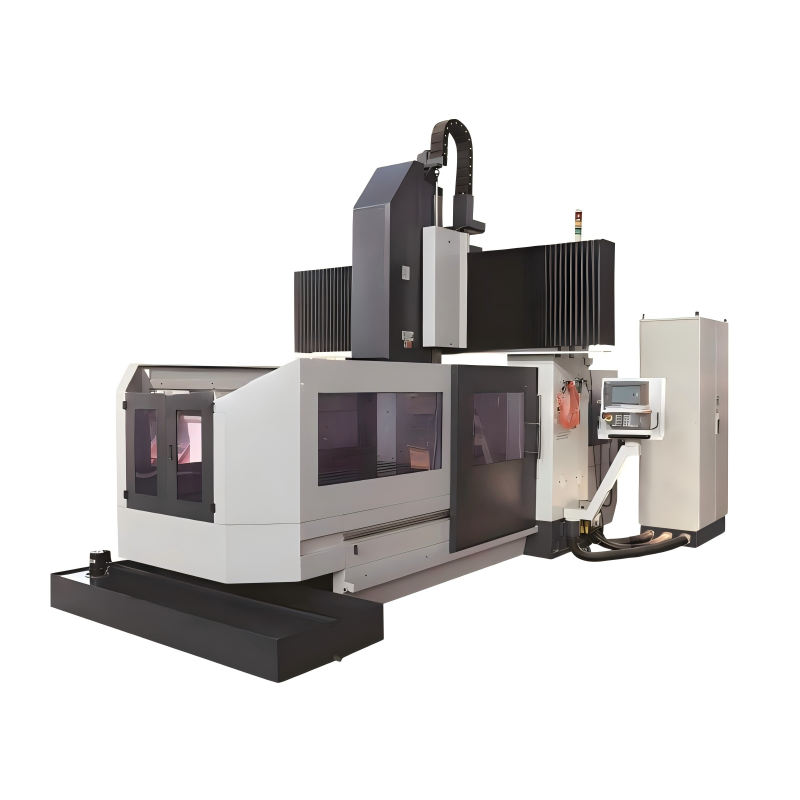
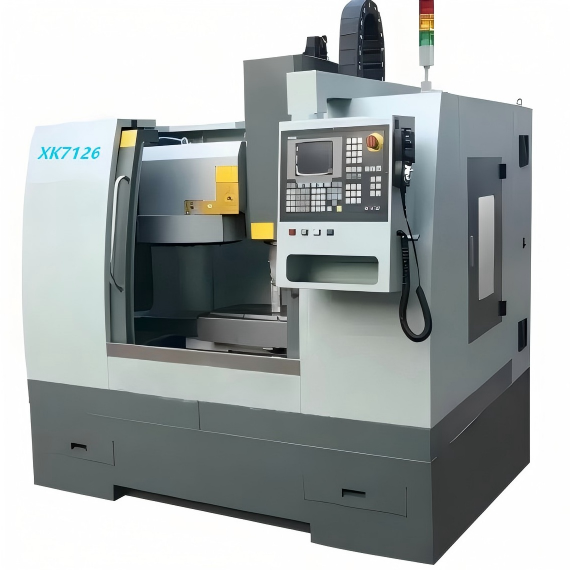
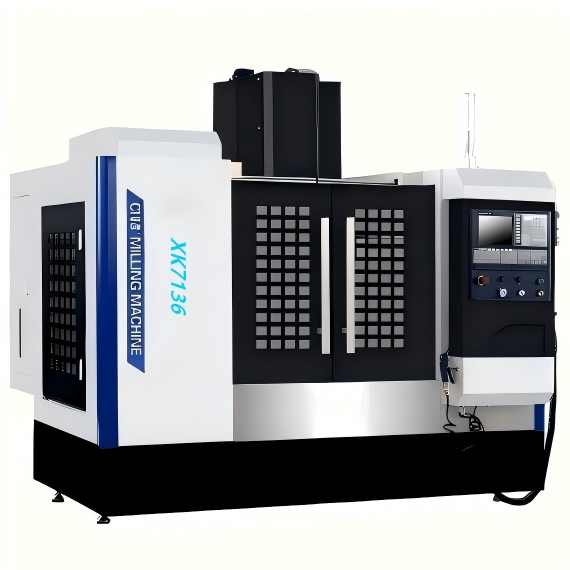
With the rapid advancement of manufacturing technology, Vertical Machine Centers have become indispensable in transforming industrial production. This report delves into how these machines, along with precision tools like China precision lathe, are revolutionizing the industry. It explores the efficiency, accuracy, and versatility that vertical machine centers bring to the table, alongside the complementary role played by precision lathes. The analysis covers key aspects such as cost-effectiveness, productivity, and the integration of advanced technologies, providing a comprehensive understanding of their impact on modern manufacturing processes.
Vertical machine centers (VMCs) are designed to maximize productivity by offering high-speed machining capabilities. These machines can perform multiple operations in a single setup, reducing the need for manual intervention and minimizing downtime. The use of advanced spindle technologies allows VMCs to achieve higher cutting speeds and feed rates, significantly increasing the number of parts produced per hour. This not only boosts overall production capacity but also ensures that the manufacturing process remains highly efficient.
One of the key advantages of VMCs is their ability to integrate with automation systems, such as robotic loading and unloading. This automation reduces the time required for setup and changeover, allowing for continuous and uninterrupted production. Additionally, the use of advanced software and tool management systems further streamlines the process, ensuring that the machine operates at its optimal level. By minimizing non-productive time, VMCs contribute to a more streamlined and efficient manufacturing environment.
VMCs are known for their exceptional accuracy and precision, which is crucial for industries that require tight tolerances and high-quality finishes. The rigid structure of VMCs, combined with advanced control systems, ensures that the machine maintains consistent and precise movements throughout the machining process. This level of accuracy is particularly important in sectors such as aerospace, medical devices, and automotive, where even the slightest deviation can lead to significant quality issues. The integration of precision tools, such as the China precision lathe, further enhances the overall precision of the manufacturing process.
VMCs are equipped with advanced monitoring and control systems that continuously check and adjust the machining parameters to maintain the highest level of quality. In-line measurement and inspection tools, such as laser scanners and probes, provide real-time feedback, ensuring that the parts meet the required specifications. This continuous quality control not only reduces the risk of defects but also minimizes the need for post-machining inspections, thereby improving the overall efficiency of the production process. The use of precision lathes in conjunction with VMCs further reinforces the commitment to maintaining high standards of quality.
By automating many of the tasks traditionally performed by human operators, VMCs help reduce labor costs. The need for skilled labor is minimized, as the machines can handle complex and repetitive tasks with minimal human intervention. This not only lowers the overall operational costs but also frees up the workforce to focus on more value-added activities, such as design, quality control, and maintenance. The integration of precision lathes, such as the China precision lathe, further optimizes the use of labor, ensuring that the manufacturing process remains cost-effective.
Investing in a vertical machine center can yield significant long-term savings and a high return on investment (ROI). The initial cost of the machine is offset by the increased productivity, reduced scrap rates, and lower maintenance costs. VMCs are built to last, with durable components and robust designs that minimize the need for frequent repairs or replacements. The use of precision lathes, such as the China precision lathe, further extends the life of the machine and reduces the overall cost of ownership. Over time, the savings from increased efficiency and reduced waste contribute to a positive ROI, making VMCs a valuable asset for any manufacturing operation.
VMCs are highly versatile and can be configured to perform a wide range of machining operations, including milling, drilling, tapping, and turning. This multi-tasking capability allows manufacturers to produce a variety of parts and components using a single machine, reducing the need for multiple setups and specialized equipment. The ability to switch between different operations quickly and easily makes VMCs ideal for both small-batch and high-volume production. The integration of precision lathes, such as the China precision lathe, further enhances the flexibility of the manufacturing process, enabling the production of complex and intricate parts with ease.
VMCs can be customized to meet the specific needs of different industries and applications. Manufacturers can choose from a variety of options, such as different spindle configurations, tool changers, and workholding systems, to create a machine that is tailored to their requirements. This adaptability ensures that the VMC can be used for a wide range of applications, from prototyping to full-scale production. The use of precision lathes, such as the China precision lathe, further enhances the customization options, allowing manufacturers to produce parts with unique features and specifications. The flexibility and adaptability of VMCs make them a versatile solution for modern manufacturing environments.
VMCs are at the forefront of smart manufacturing and Industry 4.0, integrating advanced technologies such as artificial intelligence (AI), machine learning, and the Internet of Things (IoT). These technologies enable real-time data collection, analysis, and decision-making, optimizing the entire manufacturing process. AI algorithms can predict and prevent potential issues, while IoT sensors provide continuous monitoring and feedback. The use of precision lathes, such as the China precision lathe, further enhances the integration of these advanced technologies, ensuring that the manufacturing process remains at the cutting edge of innovation.
VMCs are capable of working with a wide range of materials, including advanced composites, titanium, and other high-strength alloys. The use of advanced cutting tools and techniques, such as high-speed machining and dry machining, allows VMCs to handle these challenging materials with ease. The integration of precision lathes, such as the China precision lathe, further expands the range of materials and processes that can be used, enabling manufacturers to produce parts with superior mechanical properties and performance. The ability to work with advanced materials and processes is a key factor in the continued success of VMCs in modern manufacturing.
VMCs are designed to be energy-efficient, with features such as regenerative drives and power-saving modes that reduce energy consumption. The use of advanced control systems and optimized machining strategies also helps to minimize the amount of material waste generated during the production process. The integration of precision lathes, such as the China precision lathe, further enhances the energy efficiency and resource conservation efforts, ensuring that the manufacturing process is environmentally friendly. By reducing energy usage and waste, VMCs contribute to a more sustainable and eco-friendly manufacturing environment.
The use of VMCs in manufacturing promotes recycling and effective waste management. The precise and controlled nature of the machining process results in less scrap material, which can be easily collected and recycled. Additionally, the use of advanced filtration and chip management systems ensures that the waste generated is properly handled and disposed of, minimizing the environmental impact. The integration of precision lathes, such as the China precision lathe, further supports these efforts by providing additional tools and methods for managing and recycling waste. The focus on sustainability and waste management is a critical aspect of modern manufacturing, and VMCs play a key role in achieving these goals.
 05/06/2026
China, a leading global manufacturer of industrial machinery, has significantly contributed to the advancement of precision engineering through its high-quality China precision lathe products. These lathes are not only cost-effective but also highly relia
Read More05/06/2026China precision lathe technology, particularly in the realm of Computer Numerical Control (CNC) lathes, has been rapidly advancing and transforming the global manufacturing landscape. This technical report delves into how CNC lathe machines from China are
Read More05/06/2026As the global manufacturing landscape continues to evolve, China has emerged as a key player in the precision machining industry, with its CNC lathe machines gaining recognition for their advanced features and competitive pricing. This report explores the
Read More05/06/2026Understanding the Importance of Precision in MachiningIn the world of manufacturing, precision is not just a preference but a necessity. China precision lathe machines have become increasingly popular due to their ability to produce parts with high accura
Read More04/06/2026The Evolution of China Precision Lathe in the Global MarketOver the past few decades, China precision lathe has emerged as a formidable force in the global machining industry. This transformation is not just a story of rapid industrialization but also one
Read More03/06/2026In the realm of modern manufacturing, precision is not just a preference but an absolute necessity. The advent and evolution of China precision lathe technologies have significantly contributed to this quest for perfection, enhancing industrial efficiency
Read More02/06/2026In the realm of modern manufacturing, precision is not just a desirable trait but an absolute necessity. This has led to the rise in popularity and demand for high-quality machinery such as the China precision lathe. These machines are known for their abi
Read More02/06/2026In the realm of modern manufacturing, the role of CNC lathe machine China has become increasingly significant. This article delves into the advantages that these machines bring to the table, highlighting their impact on productivity, precision, and overal
Read MoreOur professional sales team is always ready to assist you.