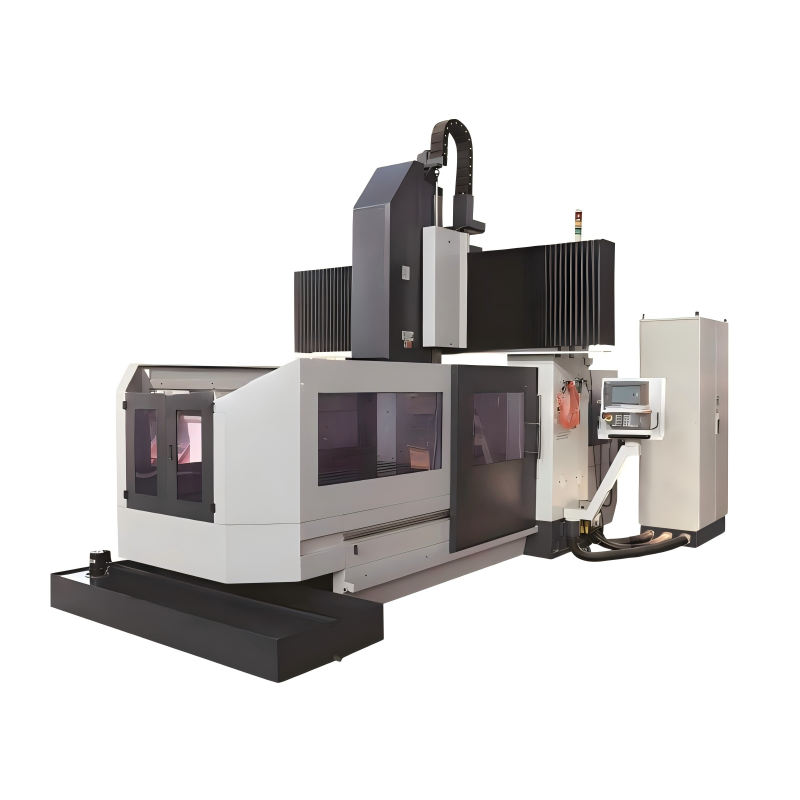
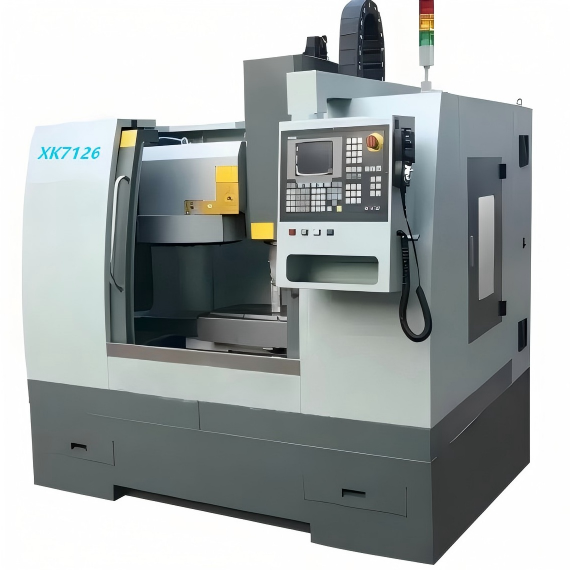
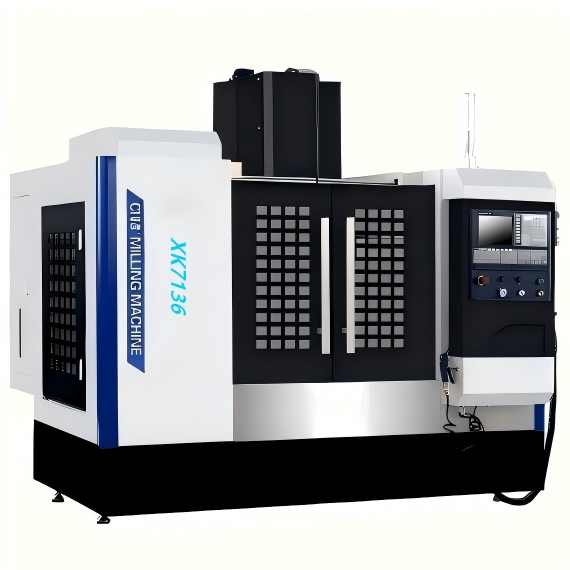
As the global manufacturing landscape continues to evolve, China has emerged as a key player in the precision machining industry, with its CNC lathe machines gaining recognition for their advanced features and competitive pricing. This report explores the future of China precision lathe machines, highlighting key trends and developments that are shaping the industry. From technological advancements to market dynamics, this analysis provides insights into what the future holds for CNC Lathe machine manufacturers and users in China.
One of the most significant trends in the future of CNC lathe machines is the integration of artificial intelligence (AI) and machine learning (ML). These technologies enable real-time monitoring and predictive maintenance, reducing downtime and increasing efficiency. For example, AI algorithms can predict when a component is likely to fail, allowing for proactive maintenance and minimizing production disruptions.
The Internet of Things (IoT) and data analytics are also playing a crucial role in the evolution of CNC lathe machines. By connecting machines to the internet, manufacturers can collect and analyze vast amounts of data, which can be used to optimize production processes, improve quality control, and enhance overall performance. This data-driven approach is particularly beneficial for high-precision applications, where even minor variations can have a significant impact on the final product.
Emerging markets, such as Southeast Asia and Africa, are driving the demand for CNC lathe machines. As these regions continue to industrialize, there is a growing need for high-quality, cost-effective machinery. Chinese manufacturers, known for their competitive pricing and reliable products, are well-positioned to capture a significant share of this expanding market. The ability to offer customized solutions and excellent after-sales support further enhances their appeal to international buyers.
To remain competitive in the global market, Chinese CNC lathe manufacturers are focusing on strengthening their export capabilities. This includes investing in research and development to stay at the forefront of technological innovation, as well as building robust distribution networks and partnerships. Additionally, adhering to international standards and certifications, such as ISO 9001, helps to build trust and credibility with overseas customers.
Environmental sustainability is becoming an increasingly important consideration in the manufacturing industry. Chinese CNC lathe manufacturers are adopting green manufacturing practices to reduce their carbon footprint and meet stringent environmental regulations. This includes using energy-efficient components, implementing waste reduction strategies, and utilizing renewable energy sources. By prioritizing sustainability, these companies not only contribute to a healthier planet but also appeal to environmentally conscious consumers and businesses.
In addition to sustainable manufacturing practices, there is a growing focus on the development of eco-friendly materials for use in CNC lathe machines. These materials, such as biodegradable lubricants and recycled metals, help to minimize the environmental impact of the production process. Moreover, they often offer comparable or even superior performance to traditional materials, making them a viable and attractive option for manufacturers and end-users alike.
The success of the CNC lathe machine industry in China is closely tied to the availability of a skilled and knowledgeable workforce. To address the growing demand for qualified technicians and engineers, Chinese manufacturers are investing in technical education and training programs. These initiatives aim to equip workers with the necessary skills to operate, maintain, and troubleshoot advanced CNC machines. By fostering a culture of continuous learning and professional development, these companies ensure that they have the talent needed to drive innovation and growth.
Collaboration with educational institutions is another key strategy for workforce development. Many Chinese CNC lathe manufacturers partner with universities and vocational schools to develop curricula that align with industry needs. These partnerships not only provide students with practical, hands-on experience but also create a pipeline of talented professionals who are ready to enter the workforce. Furthermore, these collaborations often lead to joint research projects and technology transfer, further enhancing the industry's competitiveness.
The Chinese government plays a crucial role in supporting the CNC lathe machine industry through various incentives and subsidies. These include tax breaks, grants for research and development, and financial assistance for upgrading facilities and equipment. Such support helps to lower the cost of innovation and encourages companies to invest in new technologies and processes. Additionally, government-backed initiatives, such as the "Made in China 2025" plan, aim to transform the country into a global leader in advanced manufacturing, further boosting the prospects of the CNC lathe machine sector.
Protecting intellectual property (IP) is essential for fostering innovation and maintaining a competitive edge in the global market. The Chinese government has made significant efforts to strengthen IP protection laws and enforcement mechanisms. This includes establishing specialized courts and agencies to handle IP disputes, as well as implementing stricter penalties for infringement. By creating a more favorable environment for IP, the government encourages domestic and foreign companies to invest in research and development, ultimately driving the advancement of CNC lathe technology.
While Chinese CNC lathe manufacturers have made significant strides in recent years, they still face stiff competition from established players in the global market. Companies from countries such as Germany, Japan, and the United States have long been recognized for their high-quality and technologically advanced products. To compete effectively, Chinese manufacturers must continue to innovate and differentiate themselves through unique features, superior customer service, and competitive pricing. Additionally, building strong brand recognition and reputation is crucial for gaining a foothold in mature markets.
Despite the challenges, there are numerous opportunities for Chinese CNC lathe manufacturers in niche markets. For example, the medical, aerospace, and automotive industries require highly specialized and precise machining capabilities. By focusing on these high-value segments, Chinese companies can leverage their expertise in precision engineering and customization to meet the specific needs of these industries. Furthermore, emerging technologies, such as additive manufacturing and 3D printing, present new avenues for growth and diversification. By staying ahead of these trends, Chinese manufacturers can position themselves as leaders in the global CNC lathe machine market.
 05/06/2026
China, a leading global manufacturer of industrial machinery, has significantly contributed to the advancement of precision engineering through its high-quality China precision lathe products. These lathes are not only cost-effective but also highly relia
Read More05/06/2026China precision lathe technology, particularly in the realm of Computer Numerical Control (CNC) lathes, has been rapidly advancing and transforming the global manufacturing landscape. This technical report delves into how CNC lathe machines from China are
Read More05/06/2026With the rapid advancement of manufacturing technology, vertical machine centers have become indispensable in transforming industrial production. This report delves into how these machines, along with precision tools like China precision lathe, are revolu
Read More05/06/2026Understanding the Importance of Precision in MachiningIn the world of manufacturing, precision is not just a preference but a necessity. China precision lathe machines have become increasingly popular due to their ability to produce parts with high accura
Read More04/06/2026The Evolution of China Precision Lathe in the Global MarketOver the past few decades, China precision lathe has emerged as a formidable force in the global machining industry. This transformation is not just a story of rapid industrialization but also one
Read More03/06/2026In the realm of modern manufacturing, precision is not just a preference but an absolute necessity. The advent and evolution of China precision lathe technologies have significantly contributed to this quest for perfection, enhancing industrial efficiency
Read More02/06/2026In the realm of modern manufacturing, precision is not just a desirable trait but an absolute necessity. This has led to the rise in popularity and demand for high-quality machinery such as the China precision lathe. These machines are known for their abi
Read More02/06/2026In the realm of modern manufacturing, the role of CNC lathe machine China has become increasingly significant. This article delves into the advantages that these machines bring to the table, highlighting their impact on productivity, precision, and overal
Read MoreOur professional sales team is always ready to assist you.