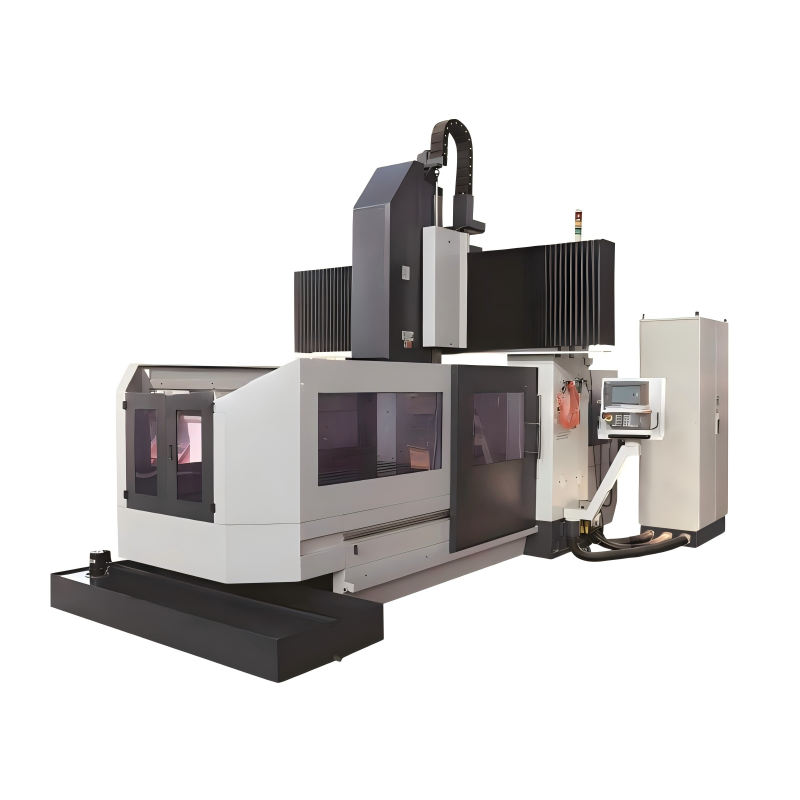
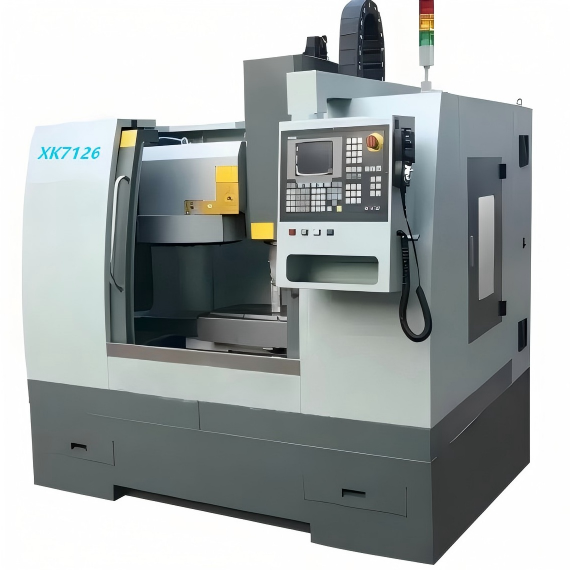
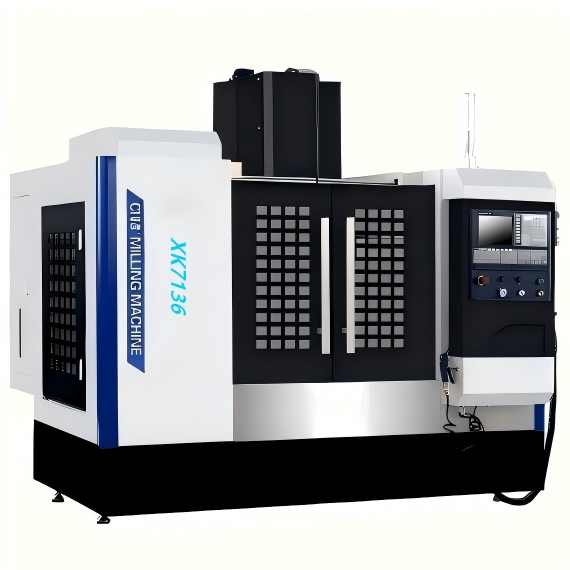
China precision lathe technology, particularly in the realm of Computer Numerical Control (CNC) lathes, has been rapidly advancing and transforming the global manufacturing landscape. This technical report delves into how CNC Lathe machines from China are revolutionizing precision machining through enhanced accuracy, efficiency, and cost-effectiveness. The report highlights key advancements in design, software integration, and material processing, along with case studies that demonstrate the practical benefits of these innovations. Additionally, it explores the implications for international markets and the future of precision machining.
China's journey in developing precision lathe technology began with the adoption of basic mechanical lathes. Over the decades, Chinese manufacturers have continuously invested in research and development, leading to the creation of highly advanced CNC lathes. These machines now rival those produced by traditional industrial powerhouses, offering comparable or even superior performance in many applications.
Today, China precision lathe technology is characterized by state-of-the-art features such as high-speed spindles, multi-axis capabilities, and sophisticated control systems. These advancements have enabled Chinese CNC lathes to achieve micron-level precision, making them indispensable in industries that require extremely tight tolerances, such as aerospace, automotive, and medical device manufacturing.
One of the key factors contributing to the high precision of China precision lathe machines is the integration of advanced control systems. These systems utilize cutting-edge algorithms and real-time feedback mechanisms to ensure that the tool paths are executed with minimal deviation. This level of control is crucial for achieving the exact dimensions and surface finishes required in precision machining.
Chinese CNC lathe manufacturers also place a strong emphasis on using high-quality components and materials. The use of durable, high-precision bearings, linear guides, and other critical parts ensures that the machines can maintain their accuracy over long periods of operation. Additionally, the selection of materials for the machine frame and bed, such as cast iron and steel, contributes to the overall stability and rigidity of the machine, further enhancing its precision capabilities.
Modern China precision lathe machines are equipped with automated workflows and tool changers, which significantly reduce the time required for setup and tool changes. These features enable continuous, unattended operation, allowing for higher throughput and reduced downtime. The ability to switch between different tools and operations seamlessly is particularly valuable in high-volume production environments where efficiency is paramount.
Many Chinese CNC lathes now offer multi-axis capabilities, including live tooling and Y-axis functionality. These additional axes allow for more complex and intricate machining operations to be performed in a single setup, reducing the need for multiple machines and setups. This not only increases productivity but also enhances the overall quality and consistency of the machined parts.
One of the most significant advantages of China precision lathe machines is their competitive pricing. Despite offering advanced features and high precision, these machines are often more affordable than their counterparts from other countries. This cost-effectiveness makes them accessible to a wider range of manufacturers, including small and medium-sized enterprises (SMEs) that may have limited budgets but still require high-precision machining capabilities.
Chinese CNC lathe manufacturers have established robust global supply chains and support networks, ensuring that customers around the world can access these machines and receive timely maintenance and support. This global reach, combined with the availability of spare parts and technical assistance, makes China precision lathes a reliable and sustainable choice for manufacturers in various regions.
Several aerospace companies have successfully integrated China precision lathe machines into their production processes, achieving significant improvements in part quality and production efficiency. For example, a leading aerospace manufacturer reported a 30% reduction in machining time and a 20% improvement in part accuracy after adopting Chinese CNC lathes. These results highlight the practical benefits of these machines in demanding, high-precision applications.
In the medical device industry, precision and reliability are critical. Chinese CNC lathes have been instrumental in producing high-precision components for medical devices, such as surgical instruments and implantable devices. A case study from a major medical device manufacturer demonstrated that the use of China precision lathes resulted in a 15% increase in production yield and a 25% reduction in scrap rates, underscoring the positive impact of these machines on quality and cost-efficiency.
Looking ahead, the integration of artificial intelligence (AI) and machine learning (ML) technologies is expected to further enhance the capabilities of China precision lathe machines. AI and ML can be used to optimize machining parameters, predict and prevent machine failures, and improve overall process efficiency. These advancements will likely lead to even greater precision, productivity, and cost savings for manufacturers.
As the global focus on sustainability continues to grow, Chinese CNC lathe manufacturers are also exploring ways to make their machines more environmentally friendly. This includes the development of energy-efficient designs, the use of eco-friendly materials, and the implementation of waste reduction strategies. By prioritizing sustainability, China precision lathes can help manufacturers meet their environmental goals while maintaining high levels of precision and productivity.
 05/06/2026
China, a leading global manufacturer of industrial machinery, has significantly contributed to the advancement of precision engineering through its high-quality China precision lathe products. These lathes are not only cost-effective but also highly relia
Read More05/06/2026As the global manufacturing landscape continues to evolve, China has emerged as a key player in the precision machining industry, with its CNC lathe machines gaining recognition for their advanced features and competitive pricing. This report explores the
Read More05/06/2026With the rapid advancement of manufacturing technology, vertical machine centers have become indispensable in transforming industrial production. This report delves into how these machines, along with precision tools like China precision lathe, are revolu
Read More05/06/2026Understanding the Importance of Precision in MachiningIn the world of manufacturing, precision is not just a preference but a necessity. China precision lathe machines have become increasingly popular due to their ability to produce parts with high accura
Read More04/06/2026The Evolution of China Precision Lathe in the Global MarketOver the past few decades, China precision lathe has emerged as a formidable force in the global machining industry. This transformation is not just a story of rapid industrialization but also one
Read More03/06/2026In the realm of modern manufacturing, precision is not just a preference but an absolute necessity. The advent and evolution of China precision lathe technologies have significantly contributed to this quest for perfection, enhancing industrial efficiency
Read More02/06/2026In the realm of modern manufacturing, precision is not just a desirable trait but an absolute necessity. This has led to the rise in popularity and demand for high-quality machinery such as the China precision lathe. These machines are known for their abi
Read More02/06/2026In the realm of modern manufacturing, the role of CNC lathe machine China has become increasingly significant. This article delves into the advantages that these machines bring to the table, highlighting their impact on productivity, precision, and overal
Read MoreOur professional sales team is always ready to assist you.