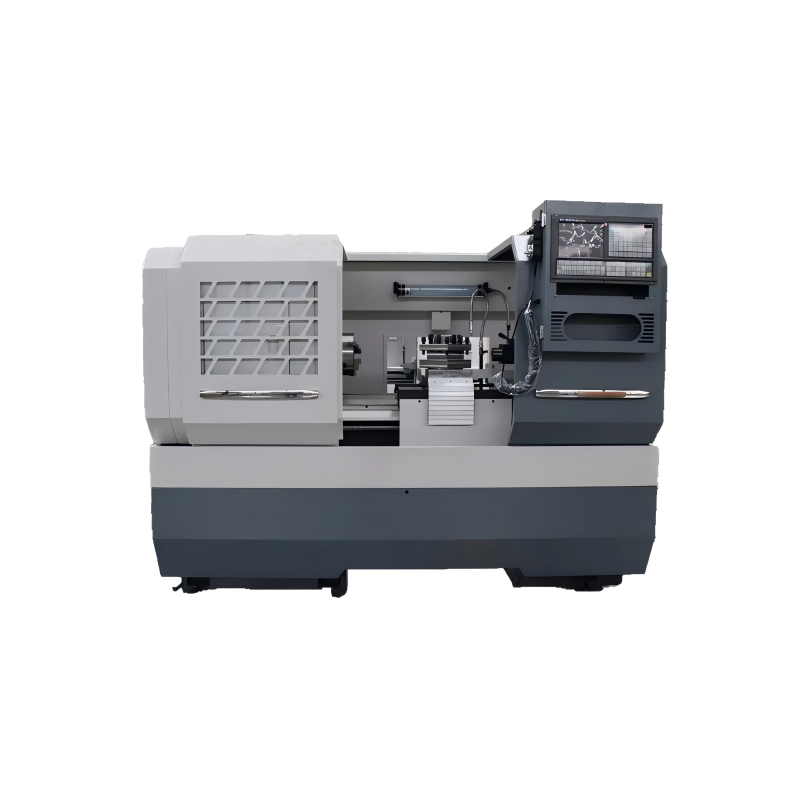
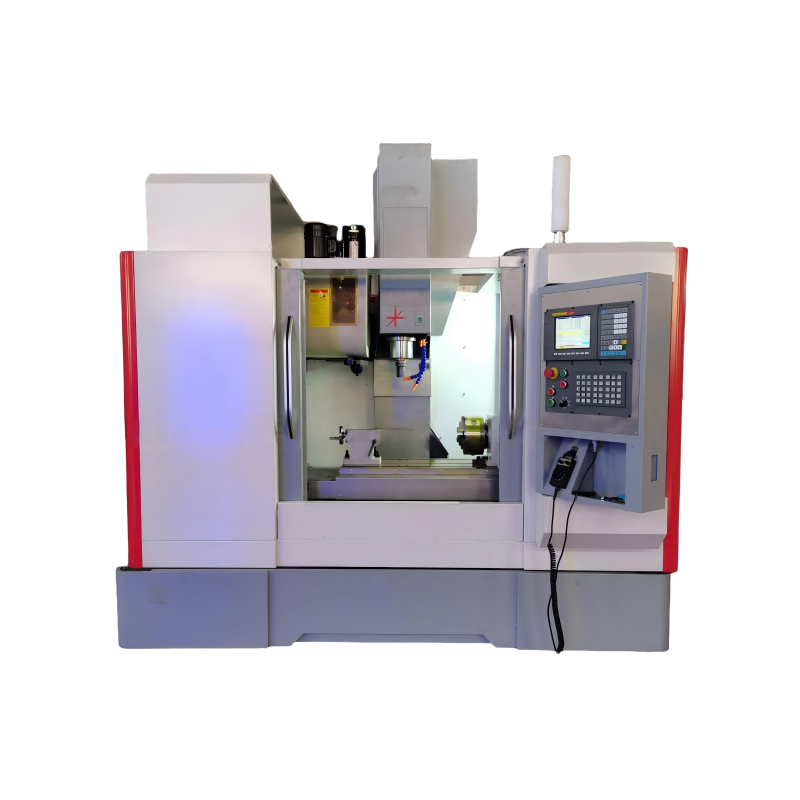
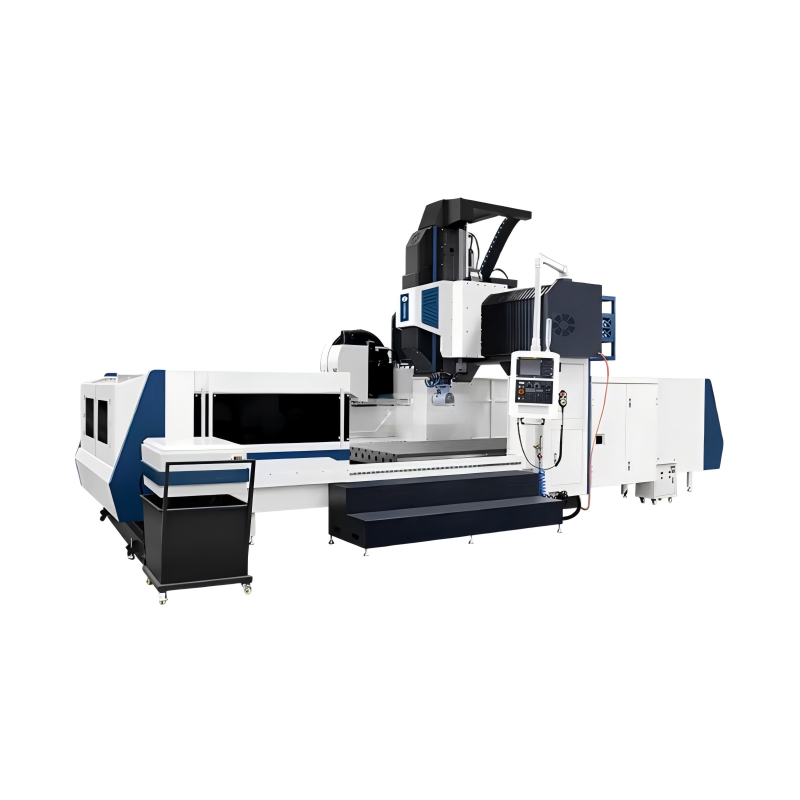
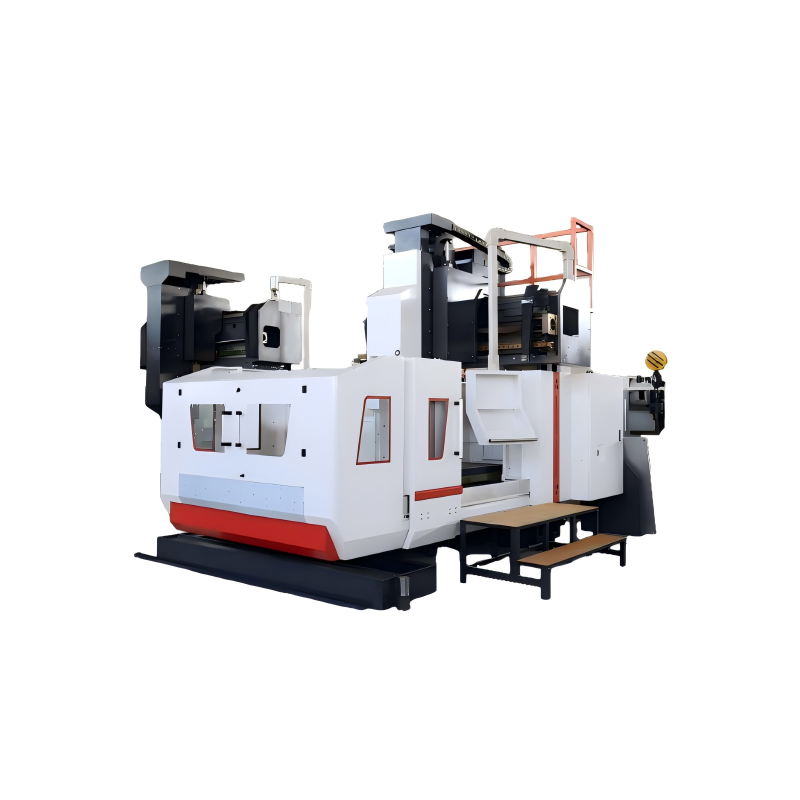
Exploring the integration of advanced manufacturing technologies, this report delves into the unique advantages offered by Vertical Machine Centers in today's industrial landscape. While focusing on the broader context of modern machining, it also highlights the role of CNC lathe machines from China, illustrating how these systems contribute to increased efficiency and precision in production processes. The discussion encompasses various aspects such as versatility, cost-effectiveness, and technological advancements, providing a comprehensive view of the benefits that vertical machine centers bring to the manufacturing sector.
Vertical machine centers (VMCs) are equipped with state-of-the-art control systems that significantly enhance their precision and accuracy. These systems, often featuring high-resolution encoders and sophisticated software, enable VMCs to achieve micron-level tolerances, ensuring that parts are manufactured to exact specifications. This level of precision is crucial for industries such as aerospace, automotive, and medical devices, where even the slightest deviation can have significant consequences.
The design of VMCs is inherently stable and rigid, which further contributes to their precision. The vertical orientation of the spindle and the robust construction of the machine base minimize vibrations and deflections during operation. This stability ensures that the cutting tool remains in precise alignment with the workpiece, resulting in consistent and accurate cuts. Additionally, the use of high-quality materials and components in the construction of VMCs enhances their durability and long-term performance.
One of the key features of vertical machine centers is their ability to perform high-speed machining. With powerful spindles capable of reaching speeds of up to 15,000 RPM or more, VMCs can rapidly cut through a variety of materials, including metals, plastics, and composites. This high-speed capability not only reduces cycle times but also allows for the efficient removal of material, leading to faster production rates and improved overall productivity.
Modern VMCs are designed to handle multiple tasks simultaneously, thanks to features such as automatic tool changers, pallet changers, and integrated robotic systems. These automation features enable the machine to perform complex operations without the need for frequent human intervention, thereby reducing downtime and increasing throughput. For example, an automatic tool changer can switch between different tools in seconds, allowing the VMC to seamlessly transition between drilling, milling, and tapping operations. This multi-tasking capability makes VMCs highly versatile and suitable for a wide range of applications.
Vertical machine centers offer several cost-saving benefits that make them an attractive investment for manufacturers. One of the primary advantages is their lower operational costs compared to other types of machining equipment. VMCs typically consume less energy due to their efficient design and advanced control systems, which optimize power usage. Additionally, the reduced need for manual labor and the ability to run unattended for extended periods contribute to lower labor costs. These factors combined result in a more cost-effective manufacturing process, making VMCs a smart choice for businesses looking to improve their bottom line.
Another aspect that contributes to the cost-effectiveness of VMCs is their long-term durability and reliability. Built with high-quality components and designed to withstand the rigors of continuous operation, VMCs have a longer lifespan than many other types of machining equipment. This longevity translates into a higher return on investment, as the machine requires fewer repairs and replacements over its lifetime. Furthermore, the availability of regular maintenance and support services ensures that VMCs remain in optimal condition, minimizing downtime and maximizing productivity.
Vertical machine centers are highly versatile and can be used for a wide range of applications across various industries. From simple to complex parts, VMCs can handle a diverse array of machining tasks, including milling, drilling, tapping, and boring. This versatility makes them ideal for manufacturers who require a single machine to perform multiple operations, reducing the need for specialized equipment and simplifying the production process. Additionally, VMCs can work with a variety of materials, from aluminum and steel to exotic alloys and composites, further expanding their application scope.
One of the key strengths of VMCs is their ability to be customized and adapted to meet specific manufacturing requirements. Many VMCs come with modular designs that allow for the addition of various accessories and attachments, such as rotary tables, probing systems, and coolant systems. These customizations enable manufacturers to tailor the machine to their specific needs, enhancing its functionality and performance. Moreover, the adaptability of VMCs to different workholding solutions, such as vices, fixtures, and clamps, ensures that they can efficiently handle a wide range of part sizes and shapes, making them a flexible solution for diverse manufacturing environments.
Vertical machine centers continue to evolve with the integration of advanced technologies, such as artificial intelligence (AI), machine learning, and the Internet of Things (IoT). These technologies enable VMCs to collect and analyze data in real-time, providing valuable insights into the machining process. For example, predictive maintenance systems can monitor the health of the machine and predict when maintenance is required, reducing the risk of unexpected breakdowns. Additionally, AI-driven optimization algorithms can adjust cutting parameters on the fly, improving efficiency and extending tool life. These technological advancements not only enhance the performance of VMCs but also drive innovation in the manufacturing industry.
The rise of Industry 4.0 has led to a greater emphasis on connectivity and data exchange in manufacturing. Vertical machine centers are at the forefront of this trend, with many models now featuring built-in connectivity options, such as Ethernet, Wi-Fi, and Bluetooth. These connectivity features enable VMCs to communicate with other machines, sensors, and enterprise systems, facilitating seamless data flow and integration. This connectivity is a key component of smart factories, where machines can share data, coordinate activities, and optimize production processes in real-time. By embracing Industry 4.0 principles, VMCs are becoming integral to the development of more efficient, responsive, and intelligent manufacturing ecosystems.
The global market for vertical machine centers is experiencing significant growth, driven by increasing demand from emerging markets such as China, India, and Southeast Asia. These regions are witnessing rapid industrialization and urbanization, leading to a surge in manufacturing activities. Chinese manufacturers, in particular, have been at the forefront of producing high-quality CNC Lathe machines that are competitive in terms of both price and performance. The availability of cost-effective and reliable VMCs from China has made it easier for manufacturers in these regions to adopt advanced machining technologies, driving the growth of the VMC market.
The competitive landscape of the VMC market is characterized by a mix of established players and new entrants. Leading manufacturers, such as Haas, DMG Mori, and Okuma, continue to dominate the market with their innovative and high-performance VMCs. However, the entry of Chinese manufacturers, known for their competitive pricing and growing technological capabilities, is reshaping the market dynamics. Companies like Shenyang Machine Tool Group and Dalian Machine Tool Group are gaining market share, offering VMCs that are increasingly being recognized for their quality and reliability. As the market continues to evolve, the focus on innovation, customer service, and global presence will be key factors in determining the success of VMC manufacturers.
 06/06/2026
The evolution of manufacturing technology has been a continuous process, with advancements in CNC (Computer Numerical Control) lathe machines playing a pivotal role. In recent years, China has emerged as a leader in the development and production of CNC l
Read More06/06/2026As global manufacturing continues to evolve, the demand for precision, efficiency, and productivity in machining processes has never been higher. One of the key tools that have revolutionized the industry is the CNC lathe machine. In particular, advanced
Read More05/06/2026In today's competitive manufacturing landscape, the adoption of advanced technologies is crucial for maintaining a leading edge. This technical report delves into the advantages and operational intricacies of utilizing state-of-the-art China precision lat
Read More05/06/2026China has emerged as a leading player in the global CNC lathe machine market, with continuous innovations driving the development of high-precision and high-efficiency lathes. This report explores the latest advancements in China's precision lathe technol
Read More05/06/2026As the global manufacturing industry continues to evolve, the demand for high-precision and efficient machining solutions has never been greater. This report explores the advancements in China's CNC lathe machine technology, highlighting how these innovat
Read More05/06/2026Exploring the advantages of vertical machine centers in modern manufacturing reveals a sophisticated approach to production that emphasizes efficiency, precision, and versatility. This report delves into how these machines, alongside their counterparts li
Read More05/06/2026In the ever-evolving landscape of manufacturing, the integration of CNC (Computer Numerical Control) lathe machines has become a pivotal factor in enhancing productivity and precision. Originating from China, these advanced machines have made significant
Read More05/06/2026In recent decades, the introduction and advancement of CNC (Computer Numerical Control) lathe machine technology have significantly impacted China's industrial growth. This report aims to explore how CNC lathe machines, particularly those manufactured in
Read More04/06/2026The advancement in CNC lathe machine technology within China has marked a significant leap forward in the manufacturing sector, underlining the country's commitment to innovation and precision. This report delves into the transformative impact of Chinese
Read More04/06/2026China has emerged as a leading player in the global manufacturing sector, with its CNC lathe machines gaining significant recognition for their efficiency, precision, and cost-effectiveness. This report delves into how CNC lathe machines from China are re
Read More04/06/2026Exploring the capabilities of a modern vertical machining center, this report delves into the advanced features and functionalities that make these machines indispensable in today's manufacturing industry. The discussion will cover the integration of CNC
Read More04/06/2026The advancement of manufacturing technology has led to the increased use of CNC (Computer Numerical Control) machines in various industries. Among these, the CNC horizontal lathe machine stands out as a key player in modern production lines. This report e
Read More04/06/2026In the rapidly evolving world of manufacturing, precision and efficiency are paramount. Among the many tools that have revolutionized the industry, the CNC lathe machine China stands out as a versatile and indispensable asset. This guide aims to provide a
Read More04/06/2026When it comes to selecting a high-quality CNC lathe machine from China, there are several key features that buyers should consider. These machines, known for their precision and efficiency, have become indispensable in various manufacturing industries. In
Read More03/06/2026In the modern manufacturing landscape, CNC (Computer Numerical Control) lathe machines have emerged as essential tools for achieving high levels of precision and efficiency. Originating from China, these advanced machines are transforming industries by en
Read More03/06/2026With the rapid advancement in manufacturing technologies, CNC (Computer Numerical Control) lathe machines have become an indispensable part of modern production lines. When it comes to sourcing these sophisticated pieces of equipment, many companies turn
Read More02/06/2026The evolution of CNC (Computer Numerical Control) lathe machines in China has been nothing short of remarkable. As a powerhouse in the global manufacturing industry, Chinese manufacturers have continuously pushed the boundaries of innovation, leading to s
Read More02/06/2026The rapid development of China's manufacturing industry over the past few decades has been a significant driver of the country’s economic growth. Among the many technological advancements that have contributed to this success, CNC (Computer Numerical Cont
Read More02/06/2026In recent years, the advancements in manufacturing technology have led to a significant rise in the demand for high-precision and efficient machinery. One of the key players in this domain is the CNC lathe machine, which has become indispensable in variou
Read More02/06/2026As the global manufacturing industry continues to evolve, the adoption of advanced machinery such as CNC lathe machines from China has become increasingly popular. These machines offer precision, efficiency, and versatility, making them an essential tool
Read More02/06/2026With the rapid advancement of manufacturing technologies, CNC lathe machines from China have become a crucial component in modern production processes. These machines not only offer high precision and efficiency but also provide cost-effective solutions f
Read More02/06/2026Understanding the CNC Lathe Machine Market in ChinaThe Chinese market for cnc lathe machine china is one of the most dynamic and rapidly evolving, thanks to advancements in manufacturing technology and a robust industrial base. When considering purchasing
Read More02/06/2026China has emerged as a leading player in the global manufacturing industry, with its advancements in CNC (Computer Numerical Control) lathe machine technology playing a crucial role. The evolution of CNC lathe technology in China is a testament to the cou
Read More02/06/2026Choosing the right CNC lathe machine for your workshop is a critical decision that can significantly impact productivity, efficiency, and overall business performance. With the rapid advancement of technology, CNC lathes have become more sophisticated, of
Read More02/06/2026China has emerged as a significant player in the global manufacturing sector, particularly with its advancements in CNC (Computer Numerical Control) lathe machines. These machines, designed and produced within China, have garnered attention for their comp
Read More02/06/2026In the realm of modern manufacturing, the role of CNC lathe machine China has become increasingly significant. This article delves into the advantages that these machines bring to the table, highlighting their impact on productivity, precision, and overal
Read More02/06/2026China has emerged as a global leader in the manufacturing of CNC (Computer Numerical Control) lathe machines, transforming industries worldwide with its innovative technologies and cost-effective solutions. This report delves into how China's advancements
Read More02/06/2026The rapid advancement of technology has significantly transformed the manufacturing industry, with CNC (Computer Numerical Control) lathe machines playing a pivotal role in this transformation. Originating from China and spreading globally, these machines
Read More02/06/2026Understanding the Basics of CNC Lathe MachinesBefore delving into the specifics of choosing a CNC lathe machine China supplier, it's crucial to understand what these machines are and how they function. A Computer Numerical Control (CNC) lathe is an automa
Read More02/06/2026In recent years, China has emerged as a global leader in the manufacturing industry, with significant advancements being made particularly within the realm of CNC lathe machine technology. This report aims to explore the innovations that have propelled Ch
Read More02/06/2026In the realm of modern manufacturing, the adoption of advanced technologies has become a necessity rather than an option. One such technology that has revolutionized the industry is the CNC (Computer Numerical Control) lathe machine. Originating from and
Read MoreOur professional sales team is always ready to assist you.