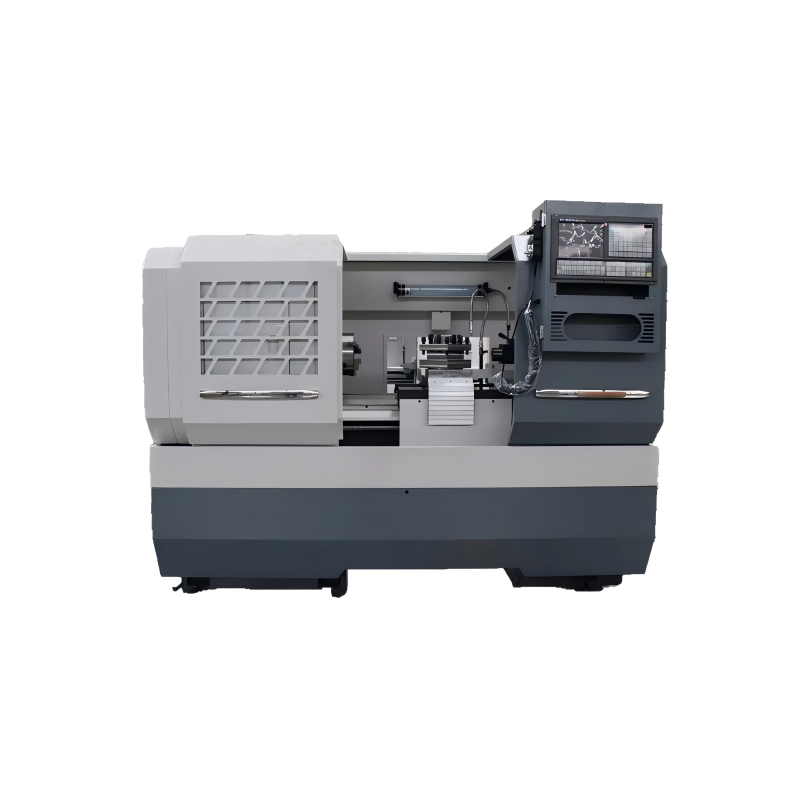
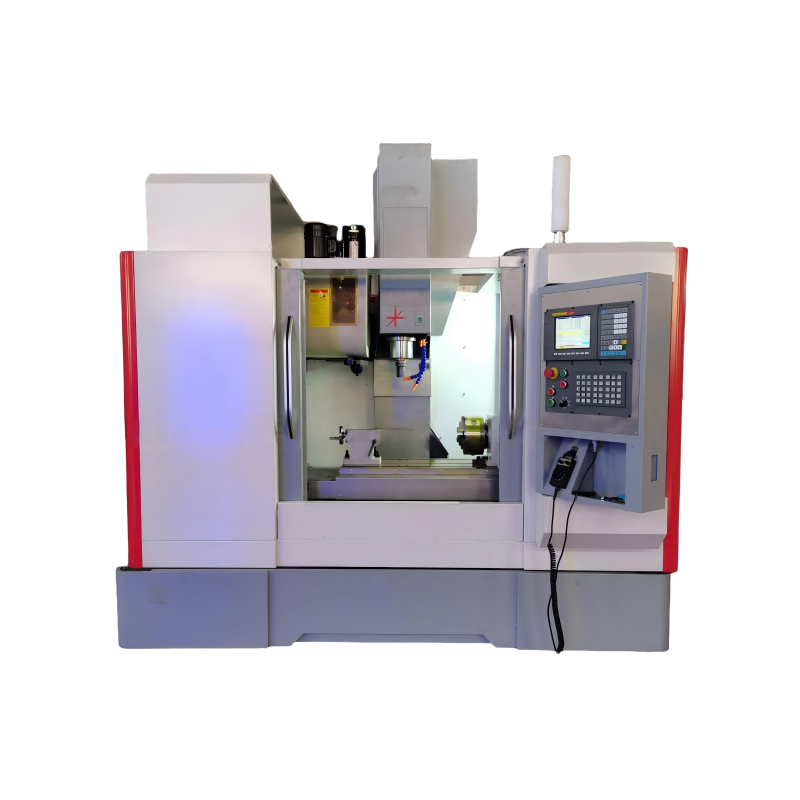
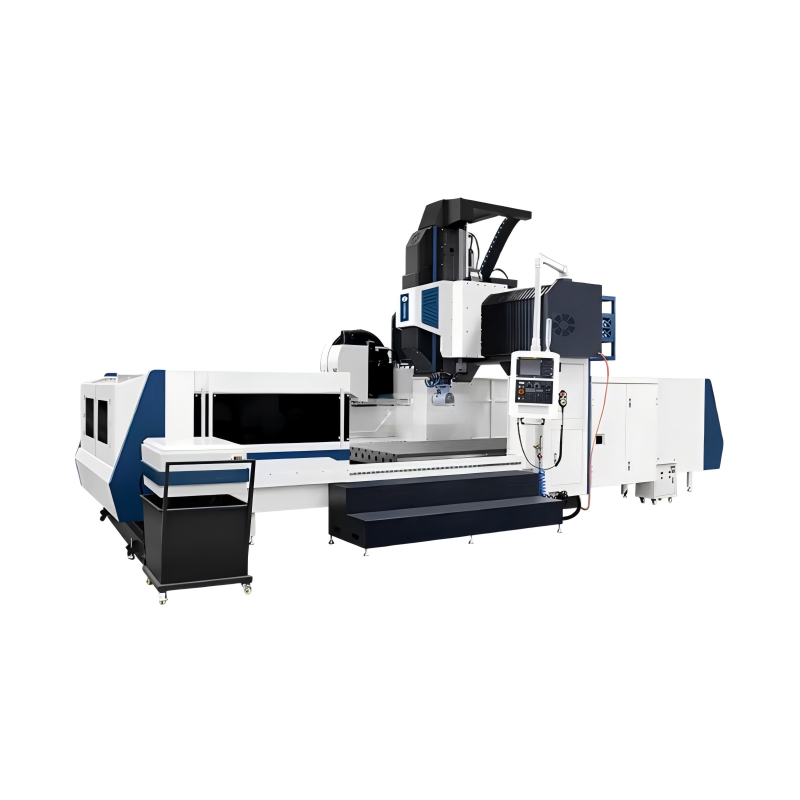
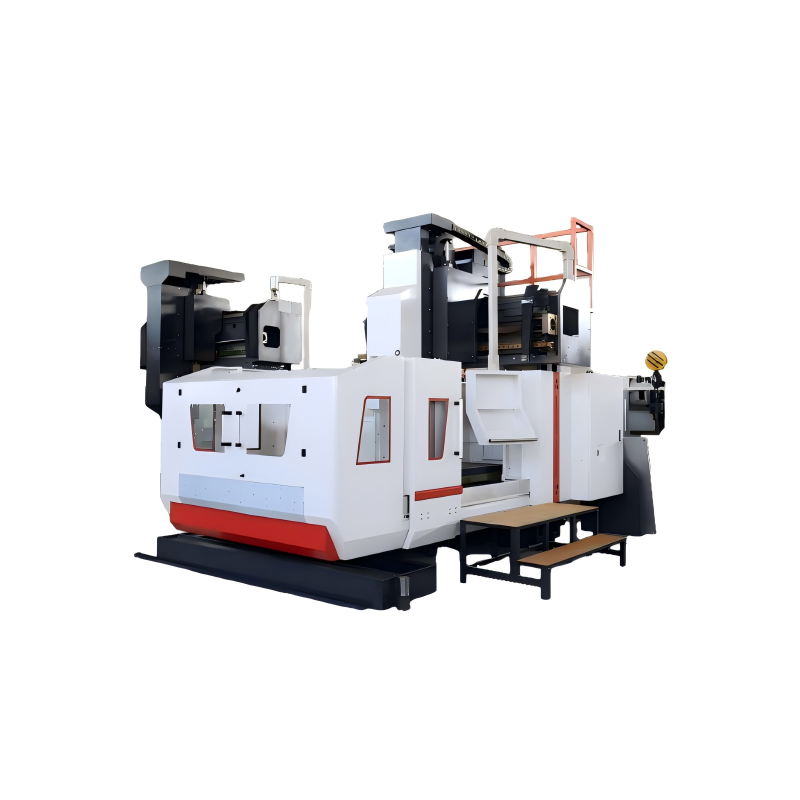
China has emerged as a leading player in the global CNC lathe machine market, with continuous innovations driving the development of high-precision and high-efficiency lathes. This report explores the latest advancements in China's precision lathe technology, focusing on how these innovations are enhancing machining quality and productivity. The report will delve into key areas such as advanced materials, automation, software integration, and sustainable manufacturing practices, providing insights into the future of precision machining in China.
The use of advanced materials in cutting tools is crucial for achieving high-precision machining. In China, manufacturers are increasingly adopting high-performance materials like carbide, ceramic, and diamond-coated tools. These materials offer superior wear resistance and thermal stability, enabling longer tool life and higher cutting speeds. For example, the use of polycrystalline diamond (PCD) tools has significantly improved surface finish and dimensional accuracy in the machining of non-ferrous metals and composites.
The design and construction of the lathe bed also play a vital role in maintaining precision. Chinese manufacturers are investing in the development of lathe beds made from high-strength, low-vibration materials such as cast iron and synthetic granite. These materials provide excellent rigidity and damping properties, reducing vibrations and ensuring consistent machining accuracy. Additionally, the integration of advanced cooling systems and thermal compensation technologies further enhances the stability and precision of the lathe.
Automation is a key driver of efficiency in modern CNC lathe machines. One of the most significant advancements in this area is the development of automated tool changers. These systems allow for rapid and precise tool changes, minimizing downtime and increasing productivity. In China, many CNC lathe manufacturers are incorporating advanced robotic arms and multi-axis tool changers that can handle a wide range of tools and operations. This not only improves the speed of tool changes but also ensures that the tools are correctly positioned and aligned, leading to higher machining accuracy.
Beyond tool changing, robotics is being integrated into CNC lathes for part handling and loading. Robotic arms can be programmed to load and unload parts, perform in-process inspections, and even clean the work area. This level of automation not only increases the throughput of the lathe but also reduces the risk of human error and improves safety. In China, several manufacturers are developing custom robotic solutions that can be seamlessly integrated into their CNC lathe machines, offering a complete turnkey solution for high-volume production environments.
The integration of advanced Computer-Aided Manufacturing (CAM) software is revolutionizing the way CNC lathes are programmed and operated. Modern CAM software allows for the creation of complex 3D models and the generation of highly optimized toolpaths. In China, leading CNC lathe manufacturers are partnering with software developers to create customized CAM solutions that are specifically tailored to their machines. These solutions often include features such as automatic feature recognition, adaptive machining, and real-time simulation, which help to reduce programming time and improve machining efficiency.
The Internet of Things (IoT) and data analytics are playing an increasingly important role in smart manufacturing. By connecting CNC lathes to the cloud, manufacturers can collect and analyze vast amounts of data on machine performance, tool wear, and production metrics. This data can be used to optimize machine settings, predict maintenance needs, and identify areas for process improvement. In China, several companies are developing IoT platforms that integrate with their CNC lathes, providing real-time monitoring and predictive analytics. This not only helps to improve the overall efficiency of the manufacturing process but also enables more informed decision-making.
Energy efficiency is a critical aspect of sustainable manufacturing. Chinese CNC lathe manufacturers are implementing various energy-saving technologies to reduce the power consumption of their machines. These include the use of high-efficiency motors, regenerative braking systems, and intelligent power management. For example, some lathes are equipped with variable frequency drives (VFDs) that adjust the motor speed based on the load, reducing energy waste. Additionally, the integration of energy-efficient lighting and cooling systems further contributes to the overall energy savings of the machine.
Minimizing waste and promoting recycling are also key components of sustainable manufacturing. In China, CNC lathe manufacturers are adopting practices such as chip management and coolant recycling to reduce the environmental impact of their operations. Chip conveyors and separators are used to efficiently remove and sort metal chips, which can then be recycled. Coolant filtration systems are employed to extend the life of the coolant, reducing the need for frequent replacements and minimizing waste. These efforts not only contribute to a more sustainable manufacturing process but also help to reduce operating costs.
Ensuring the highest levels of quality is essential in precision machining. In-process measurement systems are being integrated into CNC lathes to provide real-time feedback on the machining process. These systems use advanced sensors and probes to measure the dimensions and surface finish of the workpiece during machining. In China, several manufacturers are developing in-process measurement solutions that can detect and correct errors in real-time, ensuring that the final product meets the required specifications. This not only improves the quality of the machined parts but also reduces the need for post-machining inspection and rework.
Non-destructive testing (NDT) techniques are also being widely adopted in the quality control of CNC-lathed parts. NDT methods such as ultrasonic testing, X-ray inspection, and eddy current testing allow for the detection of internal and surface defects without damaging the part. In China, manufacturers are investing in NDT equipment and training to ensure that their products meet the highest standards of quality. The use of NDT techniques not only enhances the reliability of the machined parts but also provides valuable data for process improvement and quality assurance.
The future of CNC lathe machines in China is likely to be shaped by emerging technologies such as artificial intelligence (AI), machine learning, and additive manufacturing. AI and machine learning can be used to optimize machining processes, predict tool wear, and improve overall machine performance. Additive manufacturing, or 3D printing, can be integrated with CNC lathes to create hybrid machines capable of both subtractive and additive processes. This opens up new possibilities for the production of complex and customized parts. In China, research and development in these areas are already underway, and we can expect to see significant advancements in the coming years.
While there are many opportunities for innovation in the CNC lathe industry, there are also challenges that need to be addressed. One of the main challenges is the need for skilled labor to operate and maintain these advanced machines. Training programs and educational initiatives will be crucial in ensuring that the workforce has the necessary skills and knowledge. Another challenge is the need for standardization and interoperability between different machines and systems. As the industry moves towards more integrated and connected manufacturing, it will be important to establish common standards and protocols to ensure seamless communication and data exchange. Despite these challenges, the future of CNC lathe machines in China looks promising, with continued innovation and investment driving the development of high-precision and high-efficiency lathes.
 05/06/2026
Exploring the integration of advanced manufacturing technologies, this report delves into the unique advantages offered by vertical machine centers in today's industrial landscape. While focusing on the broader context of modern machining, it also highlig
Read More05/06/2026In today's competitive manufacturing landscape, the adoption of advanced technologies is crucial for maintaining a leading edge. This technical report delves into the advantages and operational intricacies of utilizing state-of-the-art China precision lat
Read More05/06/2026As the global manufacturing industry continues to evolve, the demand for high-precision and efficient machining solutions has never been greater. This report explores the advancements in China's CNC lathe machine technology, highlighting how these innovat
Read More05/06/2026Exploring the advantages of vertical machine centers in modern manufacturing reveals a sophisticated approach to production that emphasizes efficiency, precision, and versatility. This report delves into how these machines, alongside their counterparts li
Read More05/06/2026In the ever-evolving landscape of manufacturing, the integration of CNC (Computer Numerical Control) lathe machines has become a pivotal factor in enhancing productivity and precision. Originating from China, these advanced machines have made significant
Read More05/06/2026In recent decades, the introduction and advancement of CNC (Computer Numerical Control) lathe machine technology have significantly impacted China's industrial growth. This report aims to explore how CNC lathe machines, particularly those manufactured in
Read More04/06/2026The advancement in CNC lathe machine technology within China has marked a significant leap forward in the manufacturing sector, underlining the country's commitment to innovation and precision. This report delves into the transformative impact of Chinese
Read More04/06/2026China has emerged as a leading player in the global manufacturing sector, with its CNC lathe machines gaining significant recognition for their efficiency, precision, and cost-effectiveness. This report delves into how CNC lathe machines from China are re
Read More04/06/2026Exploring the capabilities of a modern vertical machining center, this report delves into the advanced features and functionalities that make these machines indispensable in today's manufacturing industry. The discussion will cover the integration of CNC
Read More04/06/2026The advancement of manufacturing technology has led to the increased use of CNC (Computer Numerical Control) machines in various industries. Among these, the CNC horizontal lathe machine stands out as a key player in modern production lines. This report e
Read More04/06/2026In the rapidly evolving world of manufacturing, precision and efficiency are paramount. Among the many tools that have revolutionized the industry, the CNC lathe machine China stands out as a versatile and indispensable asset. This guide aims to provide a
Read More04/06/2026When it comes to selecting a high-quality CNC lathe machine from China, there are several key features that buyers should consider. These machines, known for their precision and efficiency, have become indispensable in various manufacturing industries. In
Read More03/06/2026In the modern manufacturing landscape, CNC (Computer Numerical Control) lathe machines have emerged as essential tools for achieving high levels of precision and efficiency. Originating from China, these advanced machines are transforming industries by en
Read More03/06/2026With the rapid advancement in manufacturing technologies, CNC (Computer Numerical Control) lathe machines have become an indispensable part of modern production lines. When it comes to sourcing these sophisticated pieces of equipment, many companies turn
Read More02/06/2026The evolution of CNC (Computer Numerical Control) lathe machines in China has been nothing short of remarkable. As a powerhouse in the global manufacturing industry, Chinese manufacturers have continuously pushed the boundaries of innovation, leading to s
Read More02/06/2026The rapid development of China's manufacturing industry over the past few decades has been a significant driver of the country’s economic growth. Among the many technological advancements that have contributed to this success, CNC (Computer Numerical Cont
Read More02/06/2026In recent years, the advancements in manufacturing technology have led to a significant rise in the demand for high-precision and efficient machinery. One of the key players in this domain is the CNC lathe machine, which has become indispensable in variou
Read More02/06/2026As the global manufacturing industry continues to evolve, the adoption of advanced machinery such as CNC lathe machines from China has become increasingly popular. These machines offer precision, efficiency, and versatility, making them an essential tool
Read More02/06/2026With the rapid advancement of manufacturing technologies, CNC lathe machines from China have become a crucial component in modern production processes. These machines not only offer high precision and efficiency but also provide cost-effective solutions f
Read More02/06/2026Understanding the CNC Lathe Machine Market in ChinaThe Chinese market for cnc lathe machine china is one of the most dynamic and rapidly evolving, thanks to advancements in manufacturing technology and a robust industrial base. When considering purchasing
Read More02/06/2026China has emerged as a leading player in the global manufacturing industry, with its advancements in CNC (Computer Numerical Control) lathe machine technology playing a crucial role. The evolution of CNC lathe technology in China is a testament to the cou
Read More02/06/2026Choosing the right CNC lathe machine for your workshop is a critical decision that can significantly impact productivity, efficiency, and overall business performance. With the rapid advancement of technology, CNC lathes have become more sophisticated, of
Read More02/06/2026China has emerged as a significant player in the global manufacturing sector, particularly with its advancements in CNC (Computer Numerical Control) lathe machines. These machines, designed and produced within China, have garnered attention for their comp
Read More02/06/2026In the realm of modern manufacturing, the role of CNC lathe machine China has become increasingly significant. This article delves into the advantages that these machines bring to the table, highlighting their impact on productivity, precision, and overal
Read More02/06/2026China has emerged as a global leader in the manufacturing of CNC (Computer Numerical Control) lathe machines, transforming industries worldwide with its innovative technologies and cost-effective solutions. This report delves into how China's advancements
Read More02/06/2026The rapid advancement of technology has significantly transformed the manufacturing industry, with CNC (Computer Numerical Control) lathe machines playing a pivotal role in this transformation. Originating from China and spreading globally, these machines
Read More02/06/2026Understanding the Basics of CNC Lathe MachinesBefore delving into the specifics of choosing a CNC lathe machine China supplier, it's crucial to understand what these machines are and how they function. A Computer Numerical Control (CNC) lathe is an automa
Read More02/06/2026In recent years, China has emerged as a global leader in the manufacturing industry, with significant advancements being made particularly within the realm of CNC lathe machine technology. This report aims to explore the innovations that have propelled Ch
Read More02/06/2026In the realm of modern manufacturing, the adoption of advanced technologies has become a necessity rather than an option. One such technology that has revolutionized the industry is the CNC (Computer Numerical Control) lathe machine. Originating from and
Read MoreOur professional sales team is always ready to assist you.