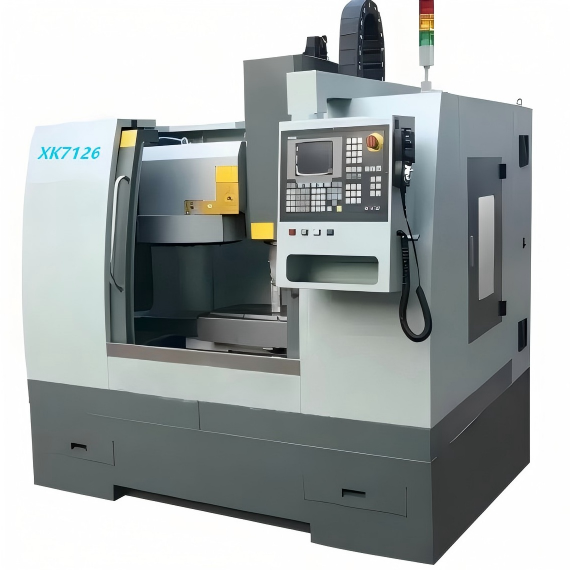
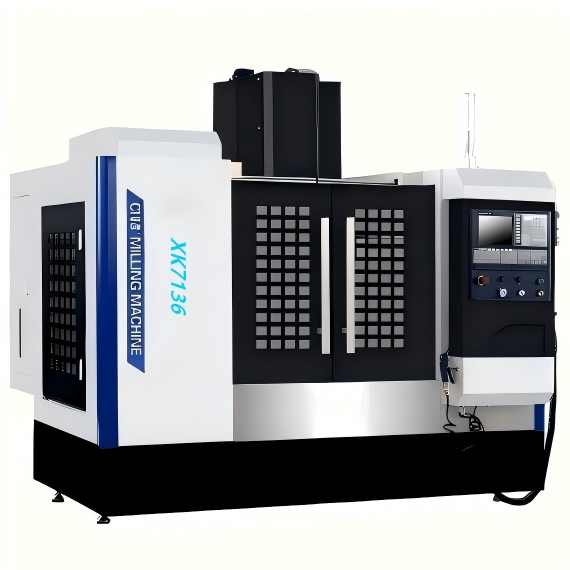
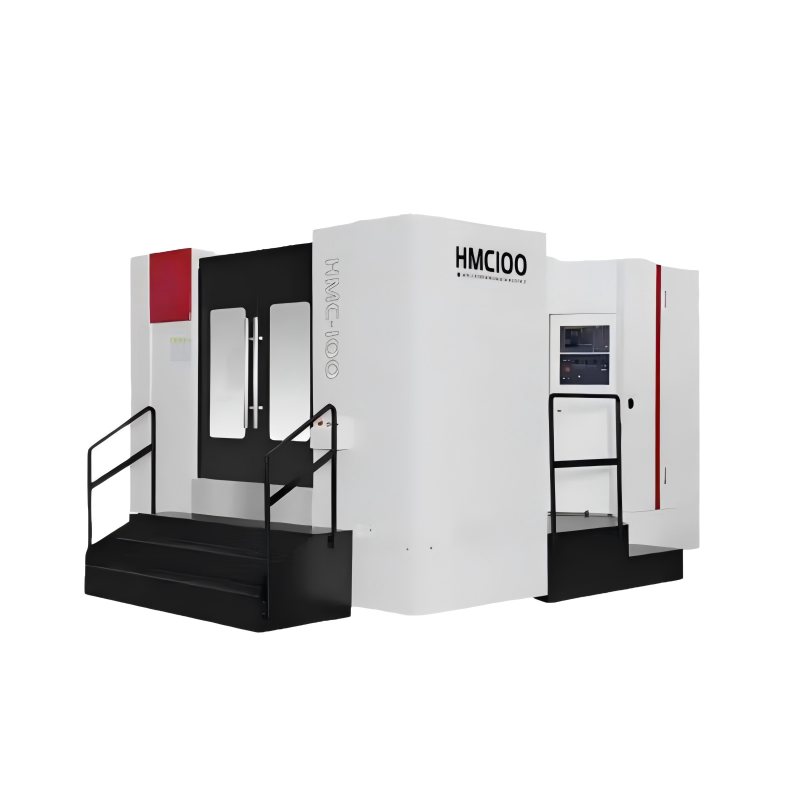
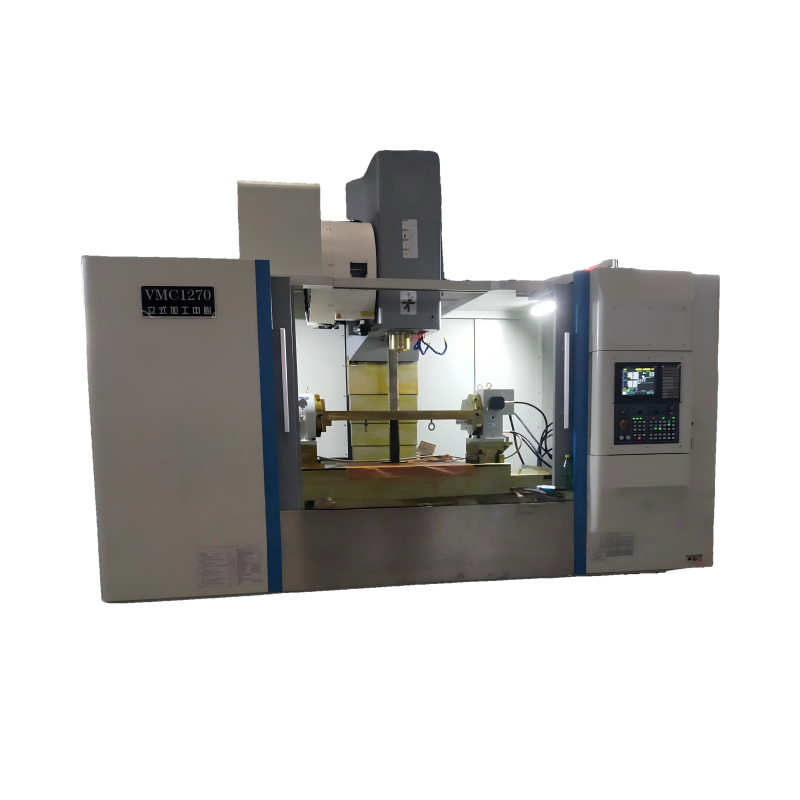
When it comes to selecting a Vertical Machine Center, making an informed decision is crucial for ensuring that the investment not only meets but exceeds expectations in terms of performance, reliability, and efficiency. A vertical machine center (VMC) is a type of CNC milling machine where the spindle axis is vertically oriented, allowing for precise and efficient machining operations. This article explores key features to look for when choosing a VMC, emphasizing aspects such as accuracy, speed, versatility, and maintenance, which are essential for achieving optimal productivity and cost-effectiveness in manufacturing processes. By understanding these critical factors, businesses can make better-informed decisions that align with their specific operational needs and long-term goals.
The heart of any vertical machine center lies in its spindle system, which directly impacts the tool's rotational speed and the overall precision of the machining process. High-quality spindles, often featuring advanced bearing designs and thermal management systems, ensure minimal runout and vibration, leading to higher part accuracy and surface finish quality. When evaluating VMCs, it’s important to consider the maximum RPM, power output, and cooling capabilities of the spindle to guarantee consistent performance across various materials and applications.
Modern VMCs are equipped with sophisticated control systems that significantly enhance the machine's ability to achieve high levels of accuracy and repeatability. These systems, such as Fanuc or Siemens controls, offer advanced programming features, real-time monitoring, and adaptive control, which adjust cutting parameters on the fly to optimize tool life and part quality. Additionally, the integration of probing technology allows for in-process measurement and correction, further improving the accuracy and reducing setup times.
One of the key advantages of a vertical machine center is its ability to move quickly between different positions, known as rapid traverse rates. Higher traverse rates reduce non-cutting time, thereby increasing overall productivity. Look for VMCs with fast X, Y, and Z-axis movements, typically measured in inches per minute (IPM). Advanced servo motors and linear guides contribute to smoother and faster axis motions, ensuring that the machine can handle high-speed machining without compromising on accuracy.
An automatic tool changer (ATC) is a critical feature for maximizing the efficiency of a vertical machine center. The ATC enables the machine to automatically change tools during the machining process, eliminating the need for manual intervention and reducing downtime. Consider the capacity of the ATC, which can range from 10 to 100 tools or more, depending on the model. A larger tool magazine allows for more complex and varied machining operations without the need for frequent tool changes, thus enhancing the machine's flexibility and throughput.
While traditional VMCs operate in three axes (X, Y, and Z), many modern machines offer additional rotary or tilting axes, providing greater versatility in machining complex geometries. 4-axis and 5-axis VMCs enable simultaneous multi-axis machining, which is particularly useful for producing parts with intricate shapes and contours. These machines can perform operations such as contouring, drilling, and tapping at multiple angles, reducing the need for multiple setups and improving overall part quality and production efficiency.
The ability to quickly and easily change tooling and fixturing is another key aspect of a versatile vertical machine center. Modular tooling systems, such as those based on the VDI standard, allow for rapid tool changes and reconfiguration, enabling the machine to adapt to different workpieces and machining requirements. Similarly, flexible fixturing solutions, such as quick-change pallets and modular clamping systems, facilitate efficient part loading and unloading, further enhancing the machine's adaptability and productivity.
A well-constructed vertical machine center is built to withstand the rigors of continuous operation and heavy-duty machining. Look for machines with robust cast iron frames, which provide excellent stability and dampening properties, reducing vibrations and ensuring long-term accuracy. Additionally, the use of high-quality materials and components, such as hardened and ground guideways, contributes to the machine's durability and longevity. Regular maintenance, including lubrication and inspection, is essential to keep the machine running smoothly and to prevent unexpected downtime.
Modern VMCs come equipped with advanced diagnostic and monitoring tools that help in maintaining the machine's performance and reliability. These tools include real-time data collection, predictive maintenance alerts, and remote monitoring capabilities. Real-time data on spindle load, temperature, and vibration can help identify potential issues before they lead to costly breakdowns. Predictive maintenance systems use this data to schedule maintenance activities proactively, minimizing unplanned downtime and extending the life of the machine. Remote monitoring also allows for off-site troubleshooting and support, ensuring that the machine remains operational even in challenging conditions.
An intuitive and user-friendly control panel is essential for operators to efficiently program and operate the vertical machine center. Modern VMCs feature touch-screen interfaces with graphical displays, making it easier to navigate through menus, input data, and monitor the machining process. These control panels often include features such as on-screen help, tool path simulation, and customizable screens, which enhance the operator's experience and reduce the learning curve. Additionally, the ability to save and recall programs, as well as create custom macros, streamlines the setup process and improves productivity.
Integration with computer-aided manufacturing (CAM) software is a key feature that enhances the programming and operation of a vertical machine center. CAM software allows for the creation of complex tool paths and the optimization of machining strategies, ensuring that the VMC can produce high-quality parts with minimal programming effort. Many VMCs support direct import of G-code and other industry-standard file formats, facilitating seamless communication between the design and manufacturing stages. Advanced CAM features, such as collision detection, toolpath optimization, and post-processing, further improve the efficiency and accuracy of the machining process.
Energy consumption is a significant factor in the overall cost of operating a vertical machine center. Look for VMCs with energy-efficient components, such as regenerative drives and LED lighting, which can significantly reduce power usage. Additionally, features like idle mode and automatic shutdown during non-operational periods help to minimize energy waste. Over time, these energy-saving measures can lead to substantial cost savings, contributing to a higher return on investment (ROI).
Investing in a vertical machine center that can be easily upgraded and expanded is crucial for future-proofing your manufacturing operations. Scalable VMCs allow for the addition of new features, such as additional axes, enhanced control systems, and advanced tool changers, as your business grows and evolves. This scalability ensures that the machine remains relevant and productive over a longer period, reducing the need for frequent replacements and lowering the total cost of ownership. Additionally, choosing a reputable manufacturer with a strong track record of innovation and support can provide peace of mind and ensure that your investment continues to deliver value for years to come.
 05/06/2026
In today's manufacturing landscape, the vertical machine center (VMC) stands out as a versatile and essential tool across various industries. From automotive to aerospace, VMCs play a crucial role in shaping the future of precision engineering. This techn
Read More05/06/2026When it comes to selecting the best CNC lathe machine in China, numerous factors come into play. From precision and efficiency to cost-effectiveness and durability, the decision-making process can be overwhelming. This comprehensive guide aims to provide
Read More05/06/2026In the realm of precision engineering, the CNC lathe machine from China plays a pivotal role in shaping the future of manufacturing. This technical report delves into how these advanced machines contribute to the industry's growth, focusing on their capab
Read MoreOur professional sales team is always ready to assist you.