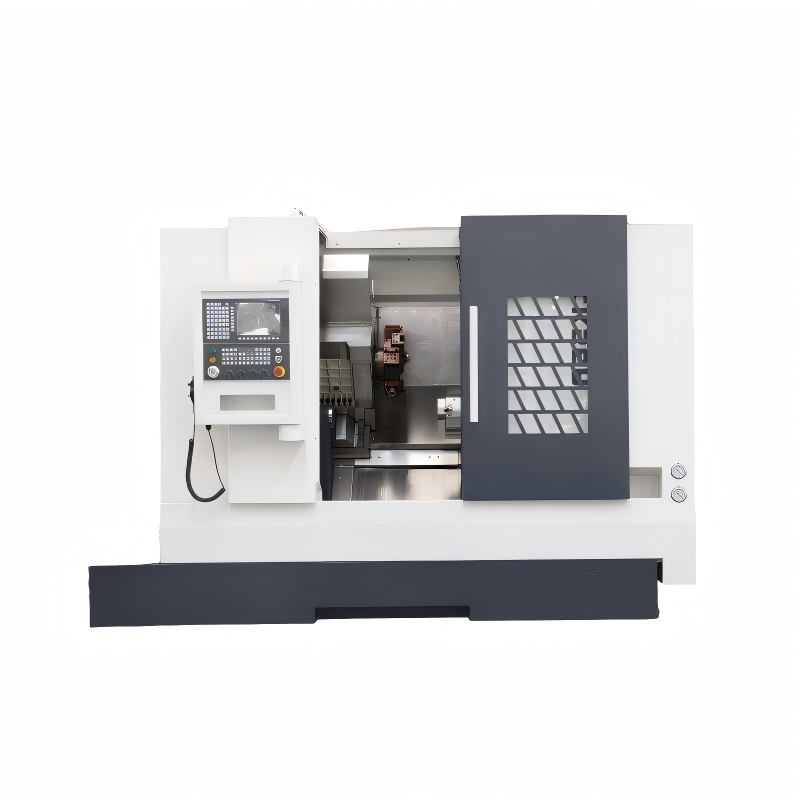
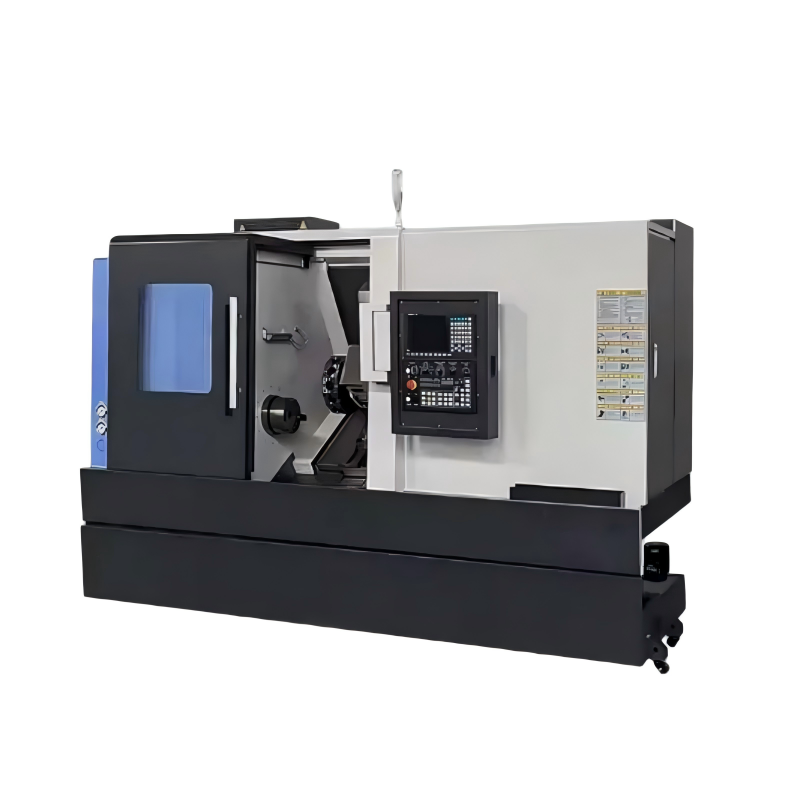
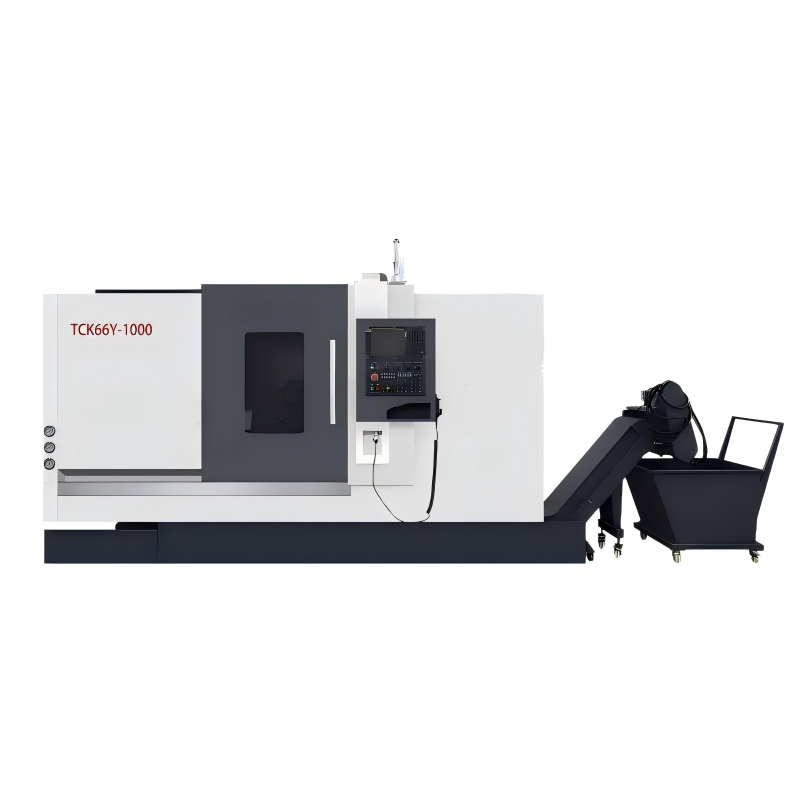
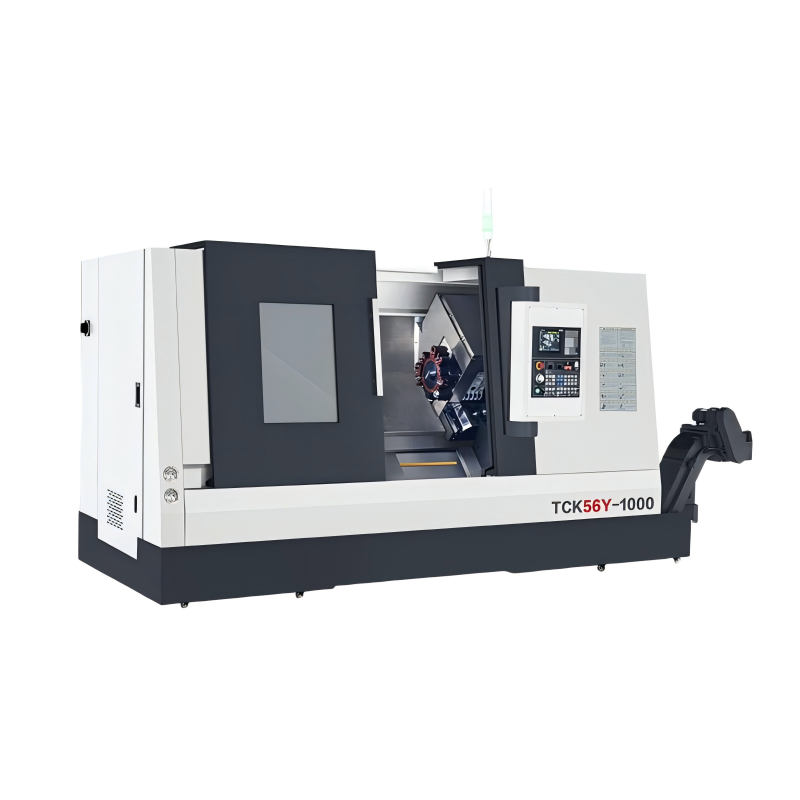
The automotive industry is one of the most technologically advanced and competitive sectors globally. The production of high-precision, durable, and cost-effective parts is crucial for maintaining a competitive edge. Among the many tools and machines used in this process, the Turning and Milling Machine plays a pivotal role. This report will explore the importance of turning machines in the automotive part production, highlighting their capabilities, applications, and the future trends that are shaping the industry.
Enhanced Precision and Efficiency in Part Production
High Precision Machining
Turning machines, particularly those equipped with advanced CNC (Computer Numerical Control) systems, offer unparalleled precision in machining. This precision is essential for producing parts that meet the stringent quality standards required by the automotive industry. The ability to achieve tight tolerances ensures that components fit together seamlessly, enhancing the overall performance and reliability of the vehicle.
Reduced Production Time
Modern turning machines are designed to be highly efficient, capable of performing multiple operations in a single setup. This not only reduces the time required to produce each part but also minimizes the potential for errors that can occur during manual handling or repositioning of the workpiece. The integration of automation and robotics further enhances the speed and consistency of the production process.
Cost-Effective Manufacturing
By reducing the need for manual labor and minimizing material waste, turning machines contribute to more cost-effective manufacturing. The use of high-speed cutting tools and optimized machining processes ensures that the material is utilized efficiently, leading to lower production costs and higher profitability for manufacturers.
Flexibility and Versatility in Automotive Applications
Wide Range of Materials
Turning machines are versatile and can work with a wide range of materials, including metals like steel, aluminum, and titanium, as well as non-metallic materials such as plastics and composites. This versatility is crucial in the automotive industry, where different parts require different materials to meet specific performance requirements.
Complex Geometries and Finishes
Modern turning and milling machines are capable of producing complex geometries and finishes, which are often required in automotive parts. Whether it's intricate internal features, precise surface finishes, or specialized threads, these machines can handle a variety of tasks with ease. This capability is particularly important for parts that require high levels of precision and durability.
Integration with Other Processes
Turning machines can be integrated with other manufacturing processes, such as milling, drilling, and grinding, to create a comprehensive and efficient production line. This integration allows for the seamless transition between different operations, reducing the need for additional setups and handling, and ultimately improving the overall efficiency of the production process.
Future Trends and Innovations in Turning Technology
Advancements in CNC Systems
The continuous development of CNC systems is driving the evolution of turning machines. Newer CNC systems offer enhanced programming capabilities, real-time monitoring, and predictive maintenance, which improve the accuracy and reliability of the machining process. These advancements enable manufacturers to produce even more complex and precise parts, meeting the ever-increasing demands of the automotive industry.
Integration of IoT and Industry 4.0
The integration of Internet of Things (IoT) and Industry 4.0 technologies is transforming the way turning machines operate. Smart sensors, data analytics, and cloud-based platforms are being used to collect and analyze data in real-time, enabling better decision-making and process optimization. This integration also facilitates remote monitoring and maintenance, reducing downtime and improving overall productivity.
Sustainability and Energy Efficiency
As the automotive industry increasingly focuses on sustainability, turning machine manufacturers are developing more energy-efficient and environmentally friendly solutions. This includes the use of regenerative braking systems, energy recovery mechanisms, and the adoption of renewable energy sources. Additionally, the use of lightweight materials and optimized machining processes helps reduce the environmental impact of the production process.
In conclusion, turning and milling machines play a vital role in the automotive part production, offering enhanced precision, efficiency, and flexibility. As technology continues to advance, the integration of CNC systems, IoT, and sustainable practices will further enhance the capabilities of these machines, ensuring that they remain at the forefront of automotive manufacturing.
 04/06/2026



