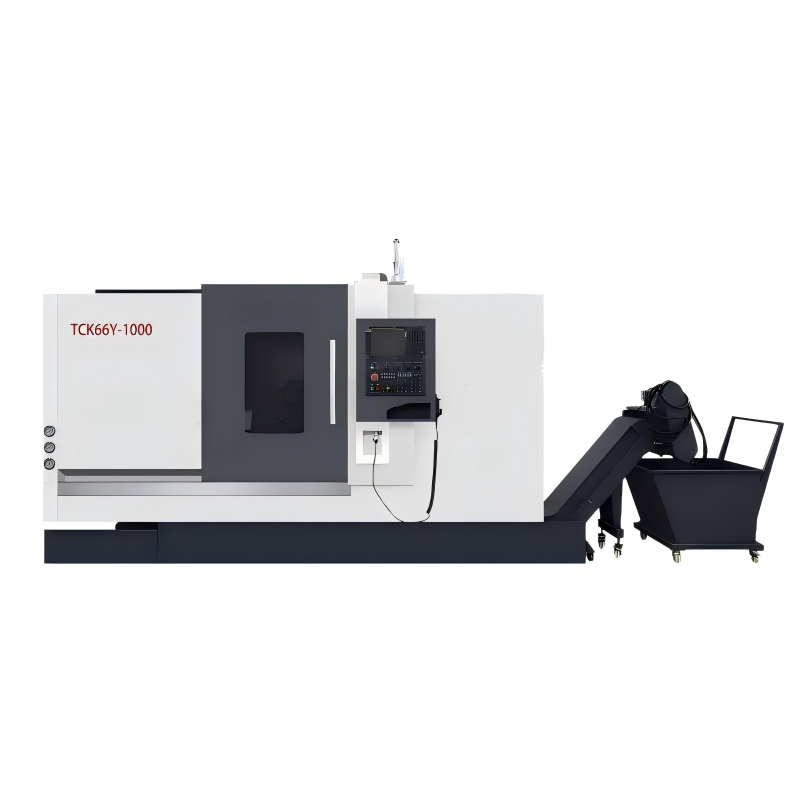
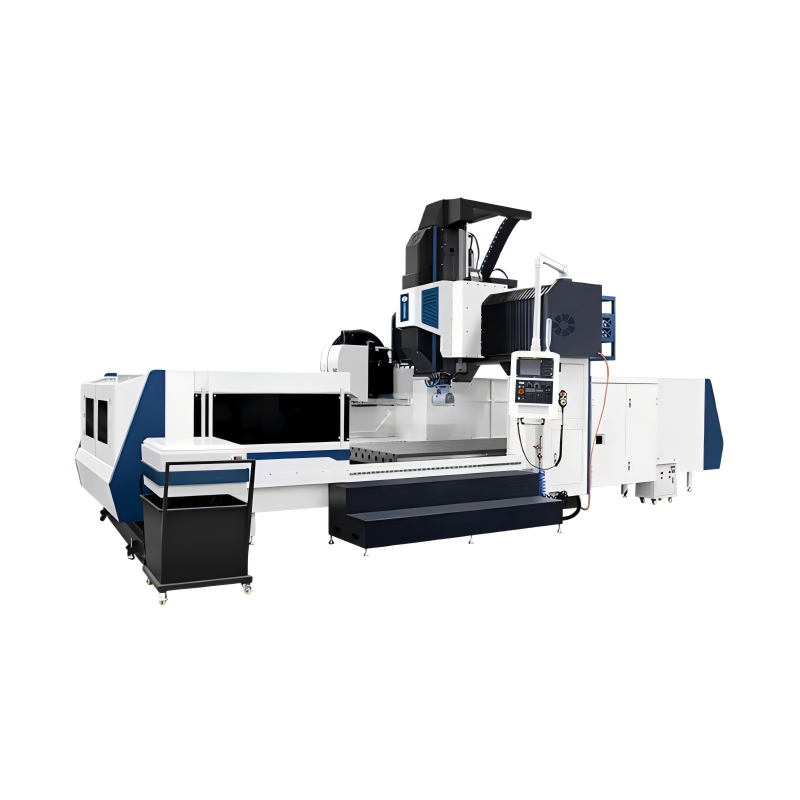
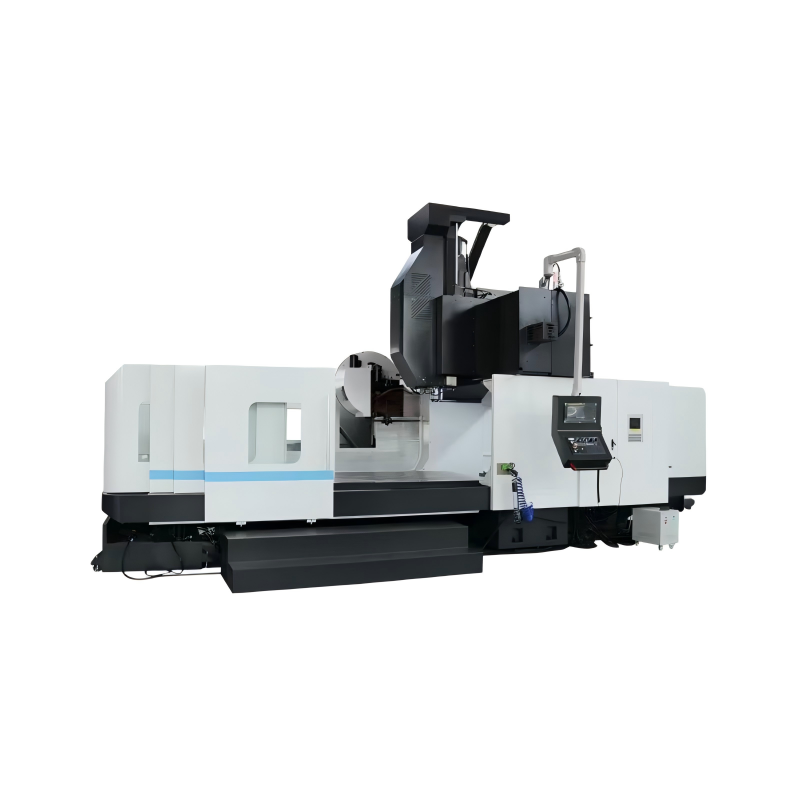
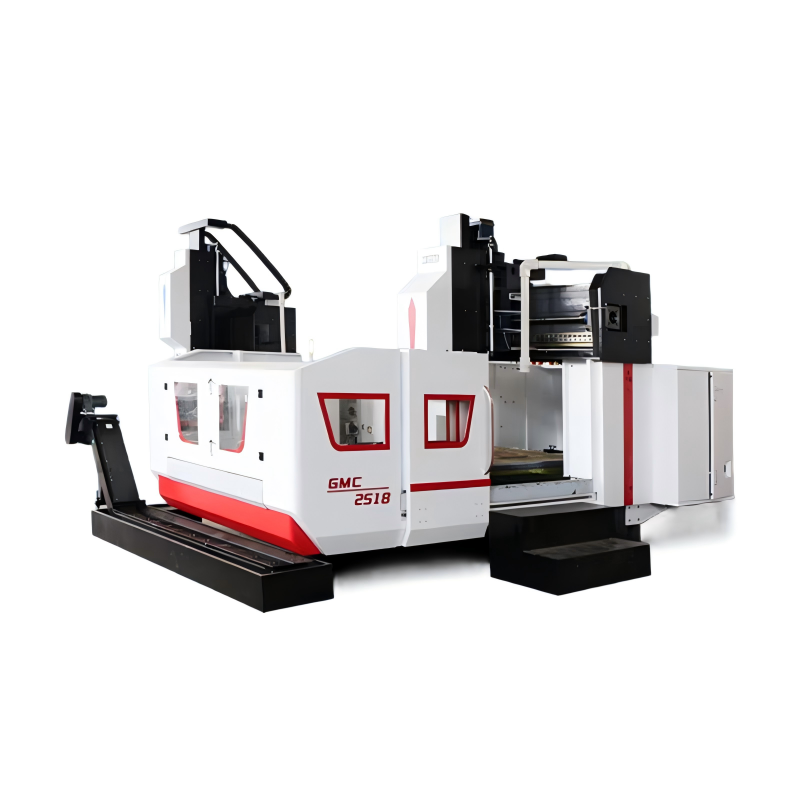
A Universal Milling Machine is a versatile tool used in various industries for shaping, cutting, and drilling materials. Its ability to perform multiple operations makes it an indispensable asset in manufacturing processes. However, like any other machinery, the performance and longevity of a universal milling machine depend significantly on how well it is maintained. This report aims to provide practical tips for maintaining your universal milling machine to ensure optimal performance and extended lifespan.
Maintaining cleanliness and proper lubrication are fundamental to the efficient operation of a universal milling machine. Over time, dust, metal shavings, and other debris can accumulate within the machine, leading to wear and tear or even causing malfunctions. Therefore, it is essential to establish a routine cleaning schedule. Begin by turning off the machine and disconnecting it from the power source. Use compressed air to blow out any loose particles, followed by a thorough wipe-down with a clean cloth. Pay special attention to the moving parts, such as the spindle, table, and ways, as these areas are more prone to accumulation of debris.
Lubrication is equally important. The manufacturer's manual typically provides specific guidelines on which types of lubricants to use and where to apply them. Regularly applying the correct lubricant not only reduces friction but also helps protect against corrosion. It is crucial to follow the recommended intervals for re-lubrication, which can vary depending on the machine's usage and environmental conditions.
Regular inspection of the universal milling machine is vital for identifying and addressing potential issues before they escalate into major problems. Key components that require periodic checks include the cutting tools, belts, gears, and bearings. Cutting tools, for instance, experience significant wear over time, affecting their precision and efficiency. Inspect the cutting edges for signs of dullness or damage, and replace them as necessary. Similarly, inspect the belts and gears for any signs of fraying, cracks, or excessive wear. These components play a critical role in the transmission of power and should be replaced if they show any signs of deterioration.
Bearings are another critical component that requires regular inspection. Ensure that the bearings are properly aligned and that there is no play or excessive wear. Misalignment or worn-out bearings can lead to increased vibration, noise, and reduced accuracy. If you notice any irregularities, it is advisable to consult a professional technician for a thorough assessment and, if needed, replacement.
Proper calibration and alignment are essential for maintaining the accuracy and precision of a universal milling machine. Over time, the machine may become misaligned due to repeated use, leading to inaccuracies in the workpiece. Regular calibration ensures that the machine operates within the specified tolerances, producing consistent and high-quality results. The process typically involves checking and adjusting the alignment of the spindle, table, and other key components.
To calibrate the machine, start by ensuring that the machine is level and stable. Use a dial indicator to check the alignment of the spindle and table. If any discrepancies are found, make the necessary adjustments according to the manufacturer's instructions. It is also important to verify the accuracy of the machine's measuring systems, such as the digital readout (DRO) or scales. These systems should be calibrated to ensure that they provide accurate measurements, which is crucial for achieving precise machining results.
The performance of a universal milling machine is not solely dependent on its mechanical condition; the skill and knowledge of the operator also play a significant role. Proper training and ongoing education for operators are essential to ensure that they understand the machine's capabilities and limitations. Training should cover the safe operation of the machine, including the correct setup, use of cutting tools, and maintenance procedures. Additionally, operators should be familiar with the machine's control panel and know how to interpret and respond to any error messages or alarms.
Operator awareness extends beyond the technical aspects of the machine. Operators should also be trained to recognize the signs of potential issues, such as unusual noises, vibrations, or changes in the machine's performance. By being vigilant and proactive, operators can help prevent minor issues from becoming major problems. Regular communication between operators and maintenance personnel is also crucial. Operators should report any concerns or observations to the maintenance team, who can then take appropriate action to address the issue.
The operating environment of a universal milling machine can significantly impact its performance and longevity. Factors such as temperature, humidity, and the presence of contaminants can all affect the machine's operation. For example, high humidity can lead to corrosion, while extreme temperatures can cause thermal expansion and contraction, leading to misalignment and reduced accuracy. To mitigate these effects, it is important to maintain a controlled environment. This may involve using air conditioning or dehumidifiers to regulate temperature and humidity levels, as well as implementing measures to reduce dust and other contaminants in the air.
Additionally, the machine should be located in a clean and well-ventilated area. Proper ventilation helps to dissipate heat generated during operation, preventing overheating and reducing the risk of damage to electronic components. If the machine is used in a dusty or dirty environment, consider installing protective covers or enclosures to shield the machine from contaminants. Regularly cleaning the surrounding area and keeping the workspace organized can also help to minimize the risk of contamination and improve overall operational efficiency.
By following these tips for maintaining your universal milling machine, you can ensure that it operates at peak performance and remains a reliable and efficient tool in your manufacturing process. Regular cleaning, lubrication, inspection, and calibration, along with proper operator training and environmental controls, are key to extending the life of your machine and maximizing its productivity.
 29/06/2026
The field of manufacturing has witnessed significant advancements over the years, with the universal milling machine playing a pivotal role in shaping modern industrial practices. This versatile tool, capable of performing a wide range of operations, has
Read More28/06/2026A universal milling machine is an essential piece of equipment in the manufacturing and engineering sectors, capable of performing a wide range of operations with precision and efficiency. This guide aims to provide a comprehensive understanding of how to
Read More27/06/2026The selection of a Universal Milling Machine is a critical decision for any workshop, influencing not only the quality and efficiency of work but also long-term operational costs. This guide aims to provide a comprehensive overview on how to choose the ri
Read More26/06/2026Introduction to Universal Milling MachinesThe universal milling machine is a versatile piece of equipment that has become an indispensable tool in various industries, including automotive, aerospace, and manufacturing. Its ability to perform a wide range
Read More25/06/2026The universal milling machine is a versatile piece of equipment that has been a cornerstone in the manufacturing and engineering industries for decades. Its ability to perform a wide range of operations, from simple to complex, makes it an indispensable t
Read MoreOur professional sales team is always ready to assist you.