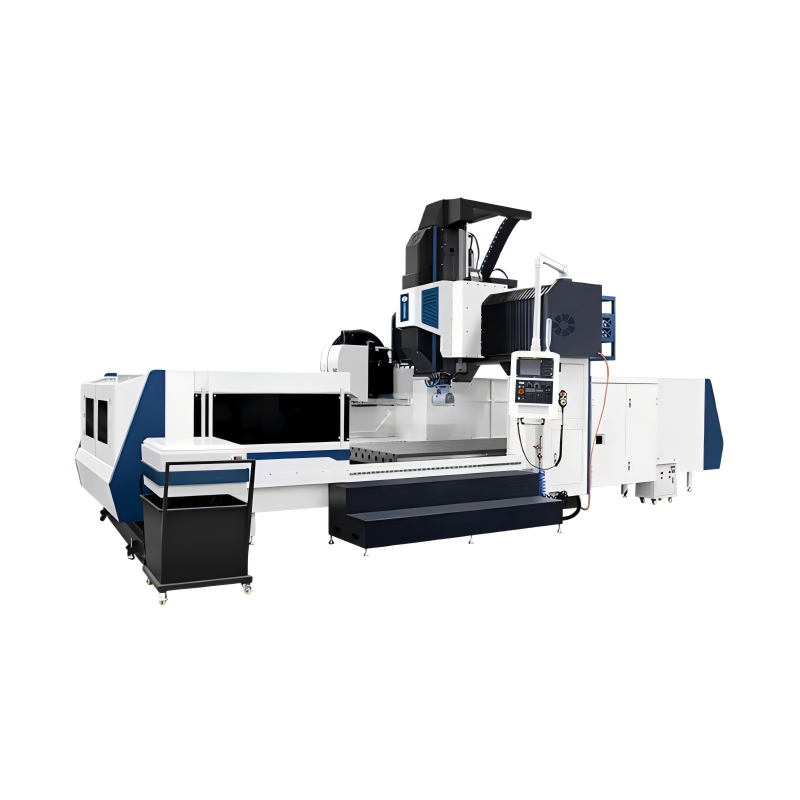
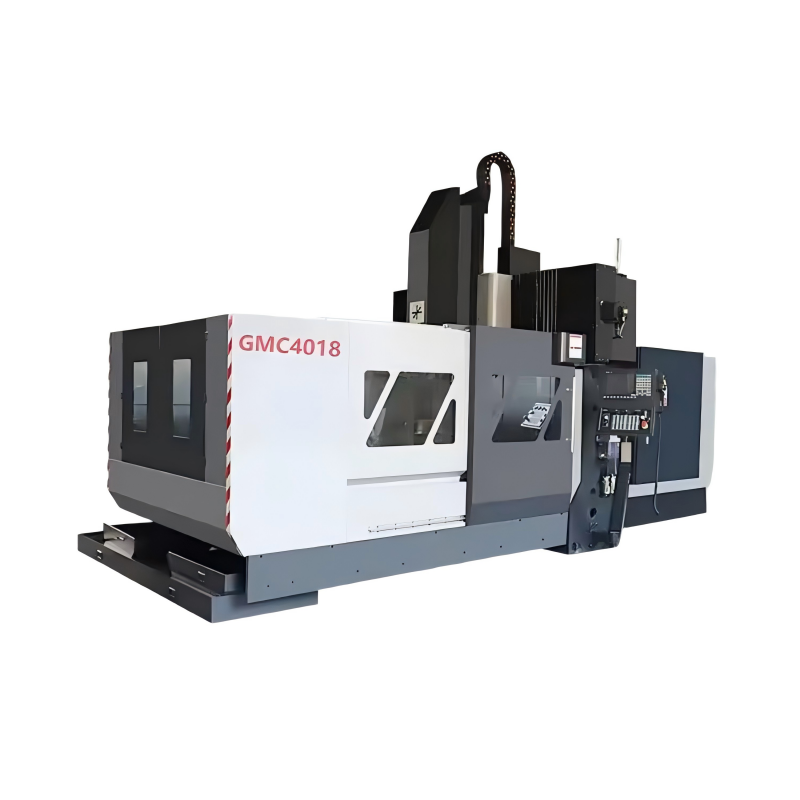
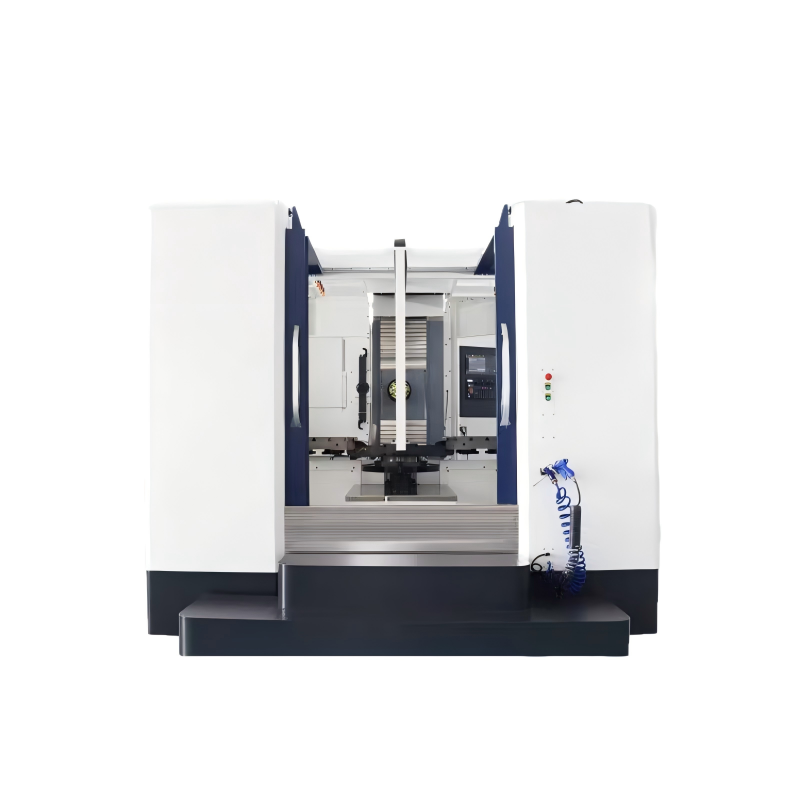
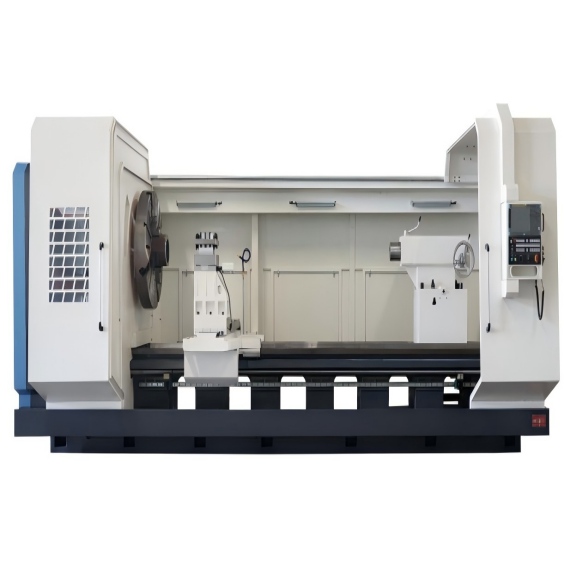
When it comes to selecting the appropriate Bed-Type Milling Machine for your specific requirements, numerous factors must be considered. This decision can significantly impact the efficiency, productivity, and overall quality of your machining operations. In this technical report, we will explore the key considerations and provide a structured approach to help you make an informed choice.
A bed-type milling machine is a versatile tool used in various industries for precision machining. It is characterized by its robust construction, which includes a fixed bed and a movable table. The spindle, mounted on a vertical or horizontal column, moves along the Z-axis, while the table can move along the X and Y axes. This design allows for a wide range of machining operations, including face milling, slotting, and drilling.
Before diving into the selection process, it is essential to understand the different types of bed-type milling machines available:
Understanding the basic features and capabilities of each type will help you narrow down your options and focus on the most suitable machine for your needs.
To choose the right Bed-Type Milling Machine, you must first evaluate your specific machining requirements. This involves considering the following factors:
By thoroughly assessing these factors, you can ensure that the machine you choose will meet your specific needs and enhance your overall productivity.
Once you have a clear understanding of your machining requirements, the next step is to evaluate the features and capabilities of the Bed-Type Milling Machine. Key features to consider include:
By carefully evaluating these features, you can select a machine that not only meets your current needs but also provides the flexibility and reliability to adapt to future requirements.
Regular maintenance and reliable support are essential for keeping your Bed-Type Milling Machine in optimal condition. Consider the following factors when assessing the machine's maintenance and support:
By considering these factors, you can ensure that your investment in a Bed-Type Milling Machine is protected and that you have the necessary support to keep the machine running efficiently for years to come.
Selecting the right Bed-Type Milling Machine is a critical decision that can significantly impact your machining operations. By understanding the basics of bed-type milling machines, evaluating your specific machining requirements, considering the machine's features and capabilities, and assessing the maintenance and support options, you can make an informed choice that enhances your productivity and ensures long-term success.
Remember to take your time, do thorough research, and consult with experts if needed. The right machine will not only meet your current needs but also provide the flexibility and reliability to adapt to future challenges and opportunities.
 29/06/2026
When it comes to high-volume production, the choice of machinery can significantly impact both the efficiency and the quality of the final product. While the title suggests a focus on flat bed lathes, this discussion will also explore how Bed-Type Milling
Read More29/06/2026In the realm of advanced manufacturing, particularly within the aerospace industry, the role of 5 Axis CNC Machining Centers has become increasingly pivotal. These sophisticated machines are not only enhancing the precision and efficiency of production pr
Read More29/06/2026With the rapid advancements in manufacturing technology, companies are increasingly turning to innovative solutions to enhance productivity while maintaining high levels of precision and quality. One such solution that has gained significant attention is
Read More29/06/2026In the ever-evolving landscape of manufacturing, precision and versatility are key to staying ahead. This report delves into the capabilities of slant bed CNC lathes, particularly in handling complex jobs, while also touching upon the unique features of t
Read More29/06/2026Bed-type milling machines have been a cornerstone of the manufacturing industry for decades, playing an essential role in the production of precision components. These machines are known for their robust construction and ability to handle large workpieces
Read More28/06/2026Understanding the Bed-Type Milling Machine The bed-type milling machine, a staple in manufacturing and metalworking industries, is designed for precision and versatility. It stands out due to its robust construction, which includes a heavy-duty bed that p
Read More27/06/2026Bed-Type Milling Machines, also known as knee-type milling machines, are a fundamental tool in the manufacturing industry, offering versatility and precision that make them indispensable for various applications. This report delves into the features and b
Read More26/06/2026The bed-type milling machine is an essential piece of equipment in the manufacturing and machining industries, offering versatility and precision that are crucial for producing high-quality components. This technical report delves into advanced techniques
Read More25/06/2026The bed-type milling machine is a versatile piece of equipment widely used in various industries for its precision and efficiency. This technical report aims to provide a comprehensive understanding of the basics of the bed-type milling machine, including
Read MoreOur professional sales team is always ready to assist you.