In the realm of advanced manufacturing, particularly within the aerospace industry, the role of 5 Axis CNC Machining Centers has become increasingly pivotal. These sophisticated machines are not only enhancing the precision and efficiency of production processes but also enabling the creation of complex geometries that were once considered impossible. This report delves into the significance of 5 axis CNC Machining Centers in aerospace manufacturing, exploring their capabilities, advantages, and the specific roles they play in the industry.
One of the most significant advantages of 5 Axis CNC Machining Centers is their ability to achieve unparalleled precision. In the aerospace industry, where even the slightest deviation can lead to catastrophic consequences, this level of accuracy is non-negotiable. The 5-axis capability allows for the simultaneous movement along five different axes (X, Y, Z, A, and B), providing a more comprehensive range of motion compared to traditional 3-axis machines. This enhanced flexibility enables the machining of intricate and complex parts with tight tolerances, ensuring that every component meets the stringent standards required for aerospace applications.
For example, in the production of turbine blades, which are critical components in jet engines, the 5-axis machine can precisely cut and shape the blade's contours, leading edges, and trailing edges. This level of detail is crucial for optimizing aerodynamic performance and ensuring the structural integrity of the blade. Additionally, the 5-axis machine can handle multi-sided machining, reducing the need for multiple setups and minimizing the risk of errors during repositioning.
Beyond precision, 5 Axis CNC Machining Centers significantly boost efficiency and productivity in aerospace manufacturing. Traditional machining processes often require multiple setups and tool changes, which can be time-consuming and labor-intensive. With a 5-axis machine, these processes are streamlined, as the machine can perform a wide range of operations in a single setup. This not only reduces the overall production time but also minimizes the potential for human error.
Moreover, the ability to machine complex parts in a single setup leads to a reduction in material waste. For instance, when machining a large aircraft component, a 5-axis machine can optimize the cutting path to minimize the amount of raw material removed, thereby reducing costs and environmental impact. This efficiency is particularly valuable in the aerospace industry, where the cost of materials and the need for sustainability are key considerations.
Additionally, the integration of advanced software and automation technologies further enhances the productivity of 5-axis machines. CAD/CAM software allows for the precise programming of tool paths, while real-time monitoring systems ensure that the machine operates at optimal levels. This combination of hardware and software ensures that the 5-axis machine can deliver high-quality parts consistently and efficiently.
The versatility of 5 Axis CNC Machining Centers is another key factor in their widespread adoption in the aerospace industry. These machines can handle a wide variety of materials, including metals like titanium and aluminum, as well as composites, which are increasingly used in modern aircraft. The ability to work with different materials and part geometries makes 5-axis machines a versatile solution for a diverse range of aerospace applications.
For instance, in the production of aircraft fuselage sections, 5-axis machines can accurately machine both the metal and composite components, ensuring a seamless integration of these materials. This capability is particularly important in the design of next-generation aircraft, where the use of lightweight composites is becoming more prevalent. The 5-axis machine can also handle the machining of large, irregularly shaped parts, such as wing spars and landing gear components, which are essential for the structural integrity of the aircraft.
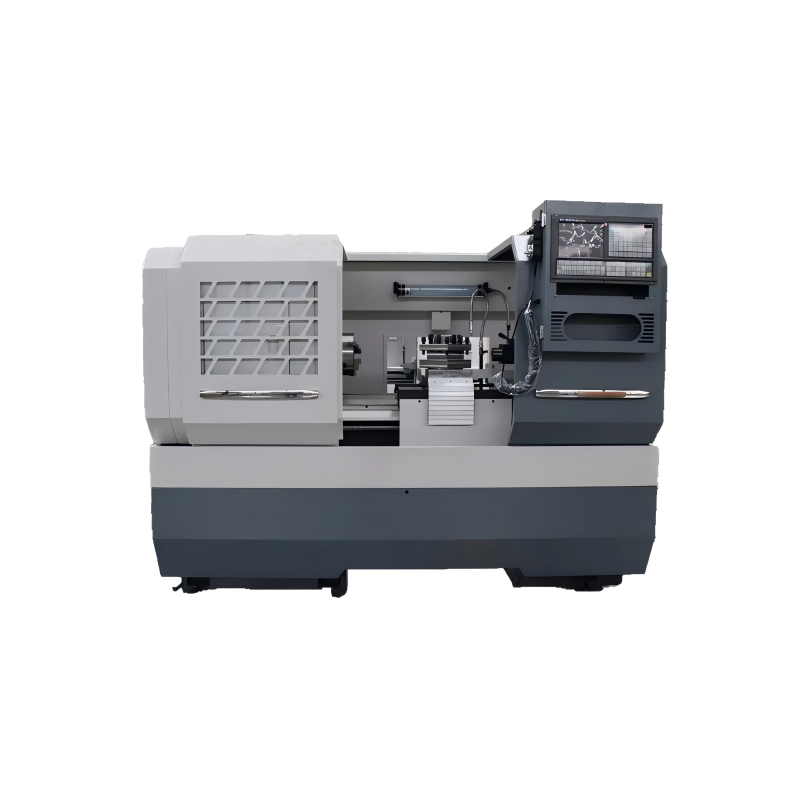
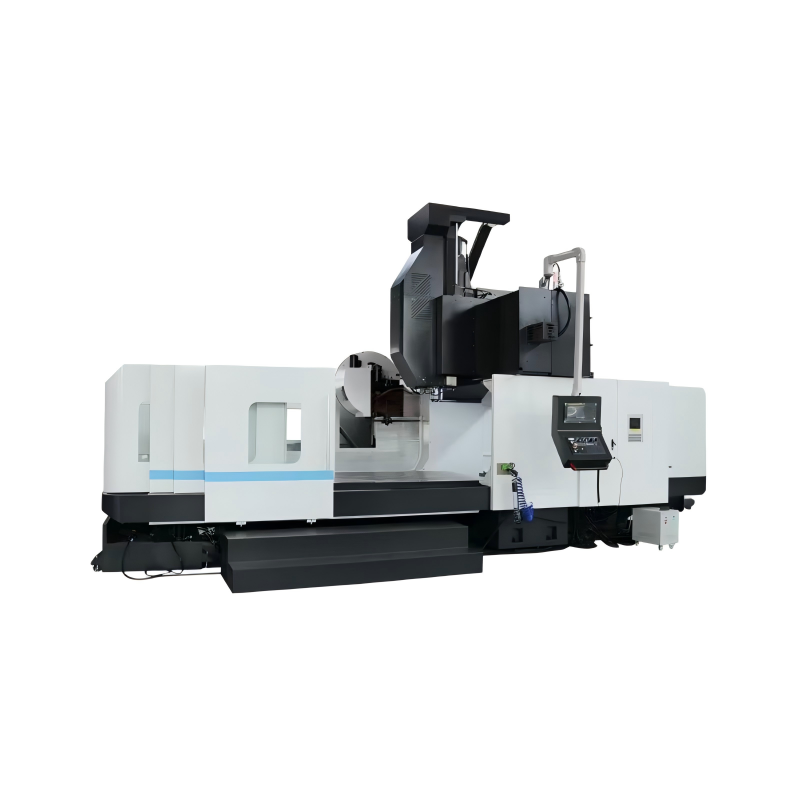
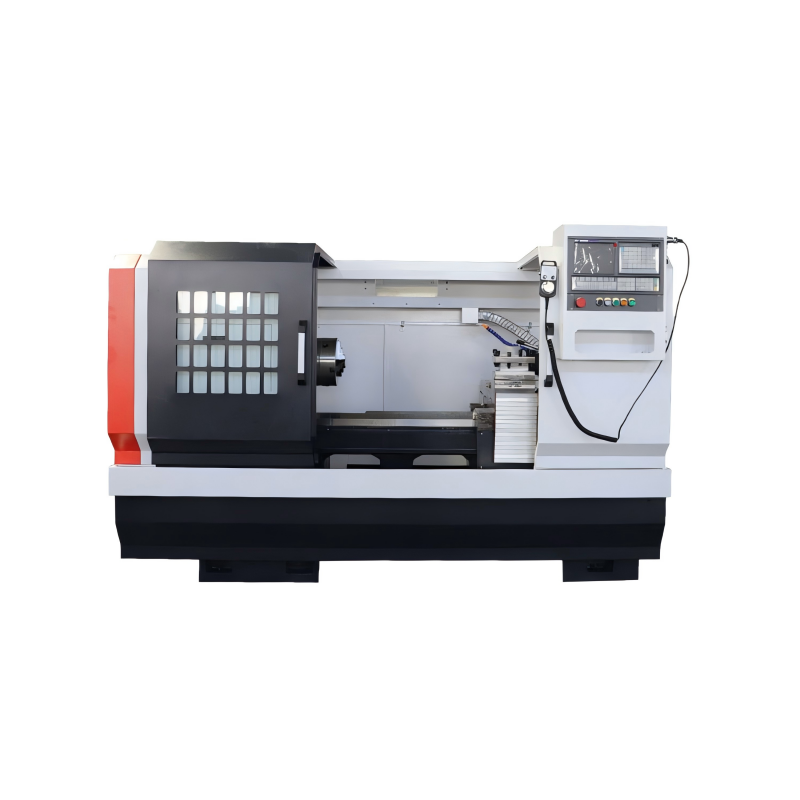
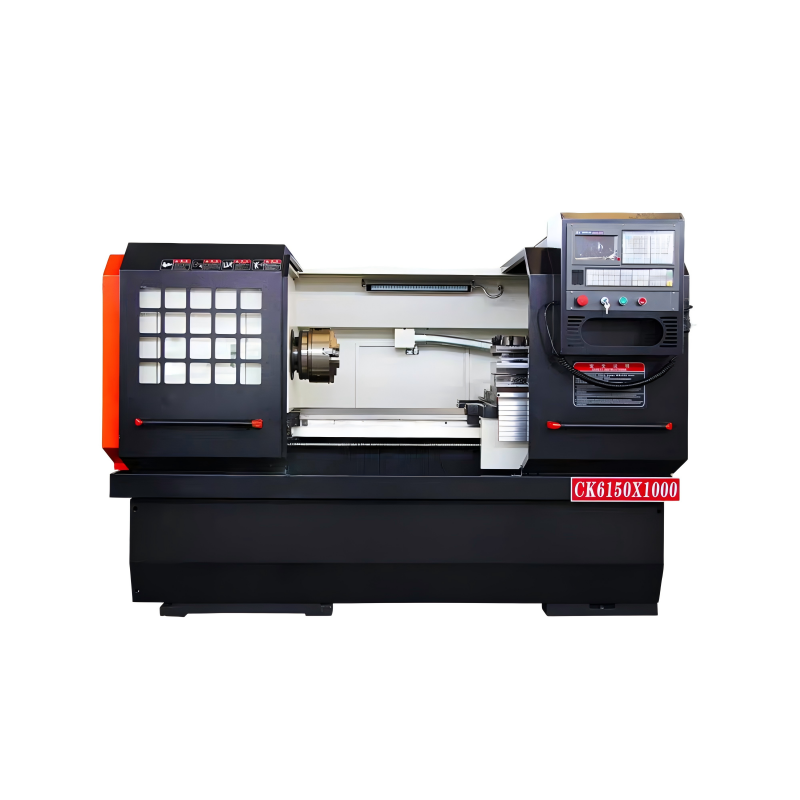
Furthermore, the Bed-Type Milling Machine, a specific type of 5-axis machine, offers additional stability and rigidity, making it ideal for machining large and heavy components. The bed-type design provides a robust platform for the workpiece, ensuring that the machine can handle the forces generated during the machining process without compromising accuracy or surface finish. This stability is crucial in the aerospace industry, where the quality and reliability of machined parts are paramount.
The role of 5 Axis CNC Machining Centers in aerospace manufacturing cannot be overstated. These machines offer enhanced precision, increased efficiency, and unparalleled versatility, making them indispensable tools in the production of high-quality aerospace components. As the industry continues to evolve, with a growing emphasis on lightweight materials and complex geometries, the capabilities of 5-axis machines will only become more critical. By leveraging the full potential of these advanced machines, aerospace manufacturers can meet the demands of the future, ensuring the continued innovation and success of the industry.
 29/06/2026
When it comes to high-volume production, the choice of machinery can significantly impact both the efficiency and the quality of the final product. While the title suggests a focus on flat bed lathes, this discussion will also explore how Bed-Type Milling
Read More29/06/2026With the rapid advancements in manufacturing technology, companies are increasingly turning to innovative solutions to enhance productivity while maintaining high levels of precision and quality. One such solution that has gained significant attention is
Read More29/06/2026In the ever-evolving landscape of manufacturing, precision and versatility are key to staying ahead. This report delves into the capabilities of slant bed CNC lathes, particularly in handling complex jobs, while also touching upon the unique features of t
Read More29/06/2026Bed-type milling machines have been a cornerstone of the manufacturing industry for decades, playing an essential role in the production of precision components. These machines are known for their robust construction and ability to handle large workpieces
Read More28/06/2026Understanding the Bed-Type Milling Machine The bed-type milling machine, a staple in manufacturing and metalworking industries, is designed for precision and versatility. It stands out due to its robust construction, which includes a heavy-duty bed that p
Read More27/06/2026Bed-Type Milling Machines, also known as knee-type milling machines, are a fundamental tool in the manufacturing industry, offering versatility and precision that make them indispensable for various applications. This report delves into the features and b
Read More26/06/2026The bed-type milling machine is an essential piece of equipment in the manufacturing and machining industries, offering versatility and precision that are crucial for producing high-quality components. This technical report delves into advanced techniques
Read More25/06/2026The bed-type milling machine is a versatile piece of equipment widely used in various industries for its precision and efficiency. This technical report aims to provide a comprehensive understanding of the basics of the bed-type milling machine, including
Read MoreOur professional sales team is always ready to assist you.