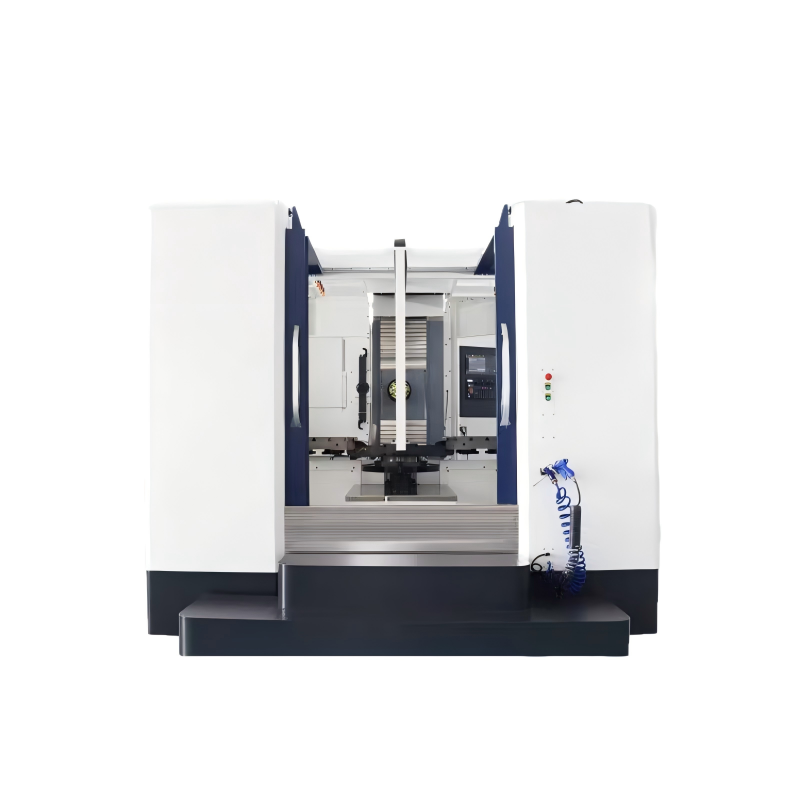
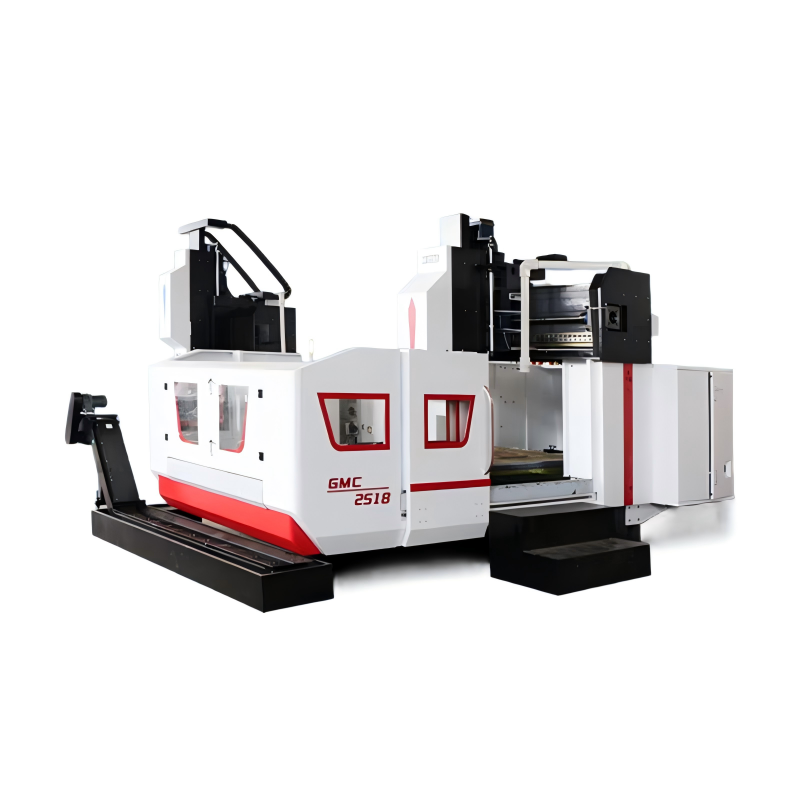
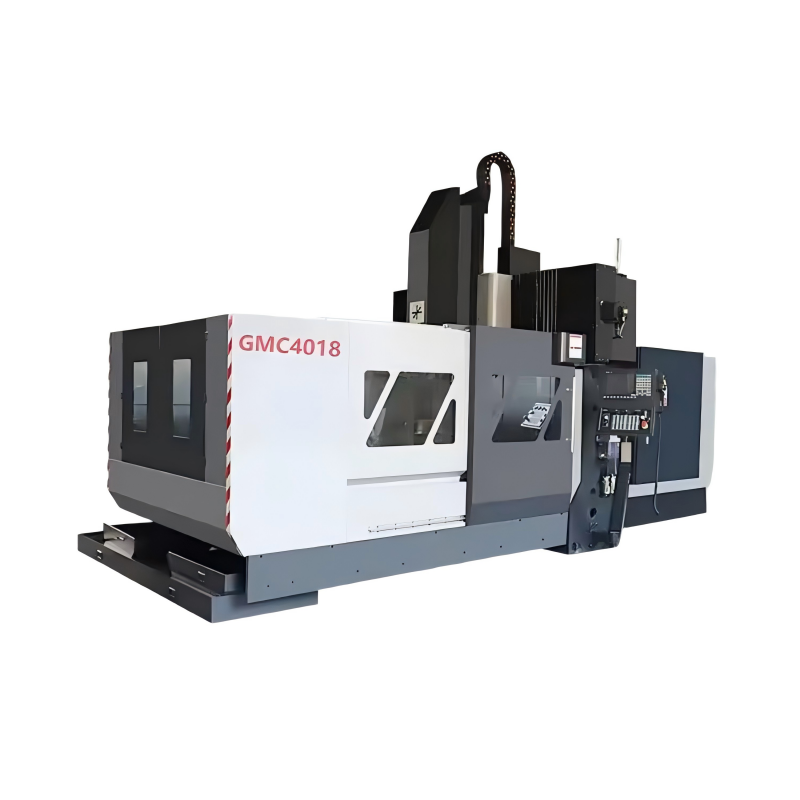
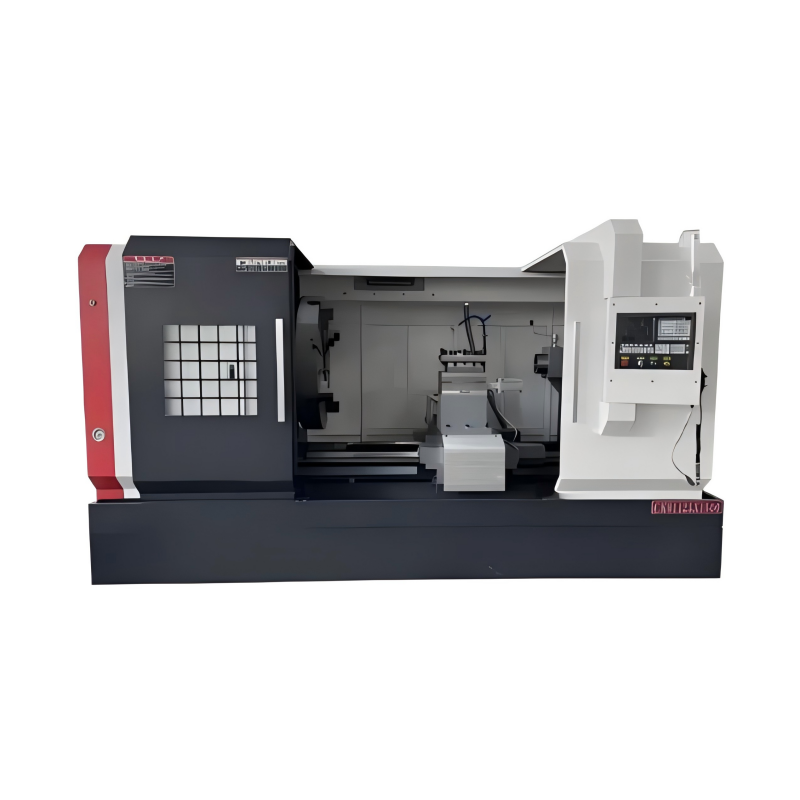
With the rapid advancements in manufacturing technology, companies are increasingly turning to innovative solutions to enhance productivity while maintaining high levels of precision and quality. One such solution that has gained significant attention is the Bed-Type Milling Machine. This article explores how advanced Machining Center technology, particularly the bed-type milling machine, can significantly boost productivity in modern manufacturing environments.
Advanced machining centers, including the bed-type milling machine, play a pivotal role in today’s manufacturing landscape. These machines are designed to handle complex and high-precision tasks, making them indispensable for industries that require accuracy and efficiency. The integration of advanced features such as multi-axis capabilities, automated tool changers, and sophisticated control systems has revolutionized the way parts are machined.
One of the key advantages of these machines is their ability to perform multiple operations in a single setup. This reduces the need for part repositioning, which not only saves time but also minimizes the risk of errors. Additionally, the use of advanced software and simulation tools allows for better planning and optimization of machining processes, further enhancing overall productivity.
The bed-type milling machine is a prime example of how advanced machining center technology can improve both precision and quality. Unlike traditional milling machines, bed-type machines feature a robust and stable structure, which provides a solid foundation for high-precision machining. The rigid design of the bed ensures minimal vibration during operation, leading to more accurate and consistent results.
Moreover, bed-type milling machines are equipped with high-precision linear guides and ball screws, which enable smooth and precise movement of the cutting tool. This is particularly important for applications that require tight tolerances, such as aerospace and medical device manufacturing. The combination of a stable base and precise motion control systems makes bed-type milling machines an excellent choice for achieving superior surface finishes and dimensional accuracy.
Automation is a critical factor in enhancing productivity, and bed-type milling machines are no exception. These machines often come with advanced automation features, such as automatic tool changers, pallet changers, and integrated robotic systems. Automatic tool changers allow for rapid and seamless switching between different cutting tools, reducing downtime and increasing throughput. Pallet changers, on the other hand, enable continuous operation by allowing the machine to work on one pallet while another is being loaded or unloaded.
Furthermore, the integration of these machines into larger manufacturing systems, such as flexible manufacturing systems (FMS) and computer-integrated manufacturing (CIM), can lead to even greater gains in productivity. By connecting the bed-type milling machine to a centralized control system, manufacturers can optimize production schedules, monitor machine performance in real-time, and quickly address any issues that may arise. This level of integration and automation not only improves efficiency but also enhances the overall flexibility and responsiveness of the manufacturing process.
While the initial investment in a bed-type milling machine and its associated technologies may be significant, the long-term benefits far outweigh the costs. The enhanced productivity, reduced scrap rates, and improved quality of parts produced by these machines can lead to substantial cost savings over time. Additionally, the ability to perform multiple operations in a single setup reduces the need for additional equipment and labor, further lowering operational costs.
Maintenance and downtime are also critical factors to consider. Bed-type milling machines are designed for durability and reliability, which means they require less frequent maintenance and have lower downtime compared to older, less advanced machines. This translates to higher overall equipment effectiveness (OEE) and a more consistent production output.
Moreover, the versatility of these machines allows them to adapt to changing production requirements, making them a valuable asset in dynamic manufacturing environments. As new materials and technologies emerge, bed-type milling machines can be easily upgraded and reconfigured to meet evolving demands, ensuring a long and productive service life.
In conclusion, the bed-type milling machine represents a significant advancement in machining center technology, offering a range of benefits that can greatly enhance productivity in modern manufacturing. From improved precision and quality to increased automation and cost-effectiveness, these machines provide a comprehensive solution for manufacturers looking to stay competitive in a rapidly evolving industry. By investing in advanced machining center technology, companies can achieve higher levels of efficiency, accuracy, and flexibility, ultimately driving growth and success in the global marketplace.
 29/06/2026
When it comes to high-volume production, the choice of machinery can significantly impact both the efficiency and the quality of the final product. While the title suggests a focus on flat bed lathes, this discussion will also explore how Bed-Type Milling
Read More29/06/2026In the realm of advanced manufacturing, particularly within the aerospace industry, the role of 5 Axis CNC Machining Centers has become increasingly pivotal. These sophisticated machines are not only enhancing the precision and efficiency of production pr
Read More29/06/2026In the ever-evolving landscape of manufacturing, precision and versatility are key to staying ahead. This report delves into the capabilities of slant bed CNC lathes, particularly in handling complex jobs, while also touching upon the unique features of t
Read More29/06/2026Bed-type milling machines have been a cornerstone of the manufacturing industry for decades, playing an essential role in the production of precision components. These machines are known for their robust construction and ability to handle large workpieces
Read More28/06/2026Understanding the Bed-Type Milling Machine The bed-type milling machine, a staple in manufacturing and metalworking industries, is designed for precision and versatility. It stands out due to its robust construction, which includes a heavy-duty bed that p
Read More27/06/2026Bed-Type Milling Machines, also known as knee-type milling machines, are a fundamental tool in the manufacturing industry, offering versatility and precision that make them indispensable for various applications. This report delves into the features and b
Read More26/06/2026The bed-type milling machine is an essential piece of equipment in the manufacturing and machining industries, offering versatility and precision that are crucial for producing high-quality components. This technical report delves into advanced techniques
Read More25/06/2026The bed-type milling machine is a versatile piece of equipment widely used in various industries for its precision and efficiency. This technical report aims to provide a comprehensive understanding of the basics of the bed-type milling machine, including
Read MoreOur professional sales team is always ready to assist you.