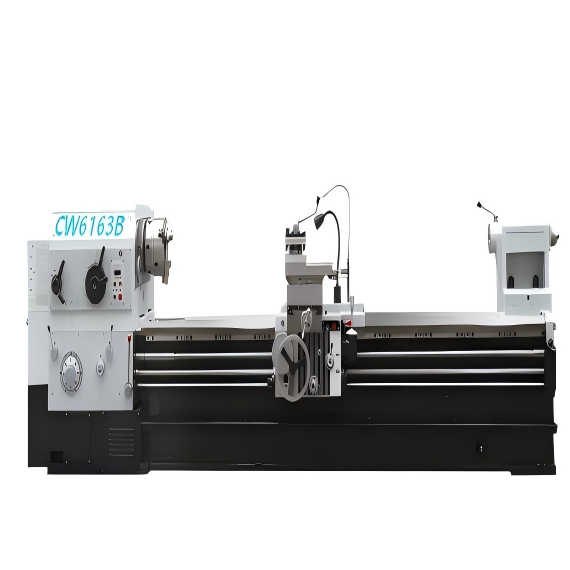
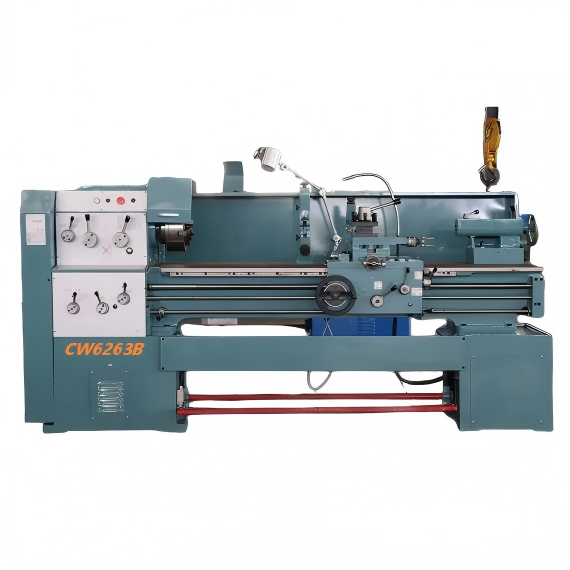
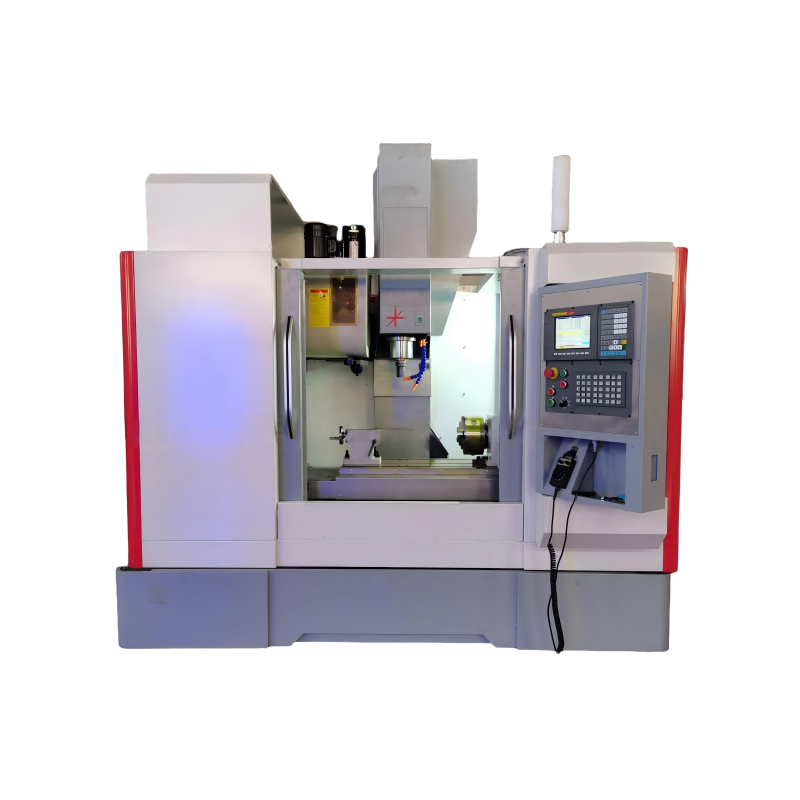
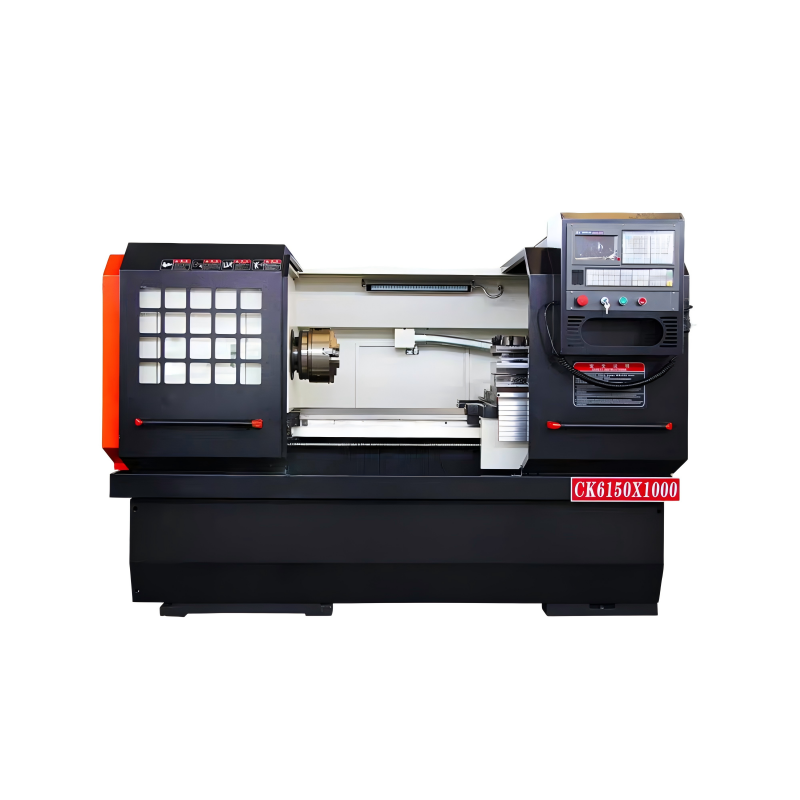
Horizontal Lathe Machine technology has seen significant advancements over the past few years, with China emerging as a key player in the global market. This report delves into the top trends that are shaping the future of Horizontal Lathe Machines from China, highlighting innovations and improvements that are driving the industry forward.
One of the most prominent trends in the Horizontal Lathe Machine industry is the integration of advanced automation and artificial intelligence (AI). Chinese manufacturers are increasingly incorporating AI-driven systems to enhance precision, reduce human error, and increase overall efficiency. These systems can automatically adjust cutting parameters based on real-time data, ensuring optimal performance and minimal downtime. Additionally, AI algorithms can predict maintenance needs, thereby reducing unexpected breakdowns and extending the lifespan of the machinery.
For example, some of the latest models feature smart sensors that monitor various parameters such as temperature, vibration, and wear. These sensors feed data into an AI system, which then analyzes the information to make adjustments or alert operators to potential issues. This not only improves the accuracy and consistency of the machining process but also reduces the need for manual intervention, leading to higher productivity and lower operational costs.
Another significant trend in Horizontal Lathe Machine technology is the enhancement of material handling and workpiece flexibility. Modern machines from China are designed to handle a wide range of materials, including exotic alloys and composites, with ease. This versatility is achieved through advanced tooling systems and innovative clamping mechanisms that can accommodate different shapes and sizes of workpieces.
Moreover, the use of modular tooling systems allows for quick and easy changes between different operations, reducing setup times and increasing throughput. Some of the latest models also feature automated loading and unloading systems, which further streamline the production process. This level of flexibility is particularly valuable in industries such as aerospace and automotive, where precision and adaptability are crucial.
Sustainability and energy efficiency have become increasingly important in the manufacturing sector, and the Horizontal Lathe Machine industry is no exception. Chinese manufacturers are placing a strong emphasis on developing machines that consume less energy and produce fewer emissions. This is being achieved through the use of high-efficiency motors, optimized power management systems, and the incorporation of renewable energy sources.
For instance, some of the latest models feature regenerative braking systems that capture and reuse energy, reducing overall power consumption. Additionally, the use of LED lighting and other energy-efficient components helps to minimize the environmental impact of the machines. Furthermore, many manufacturers are adopting eco-friendly materials and processes in the production of their machines, contributing to a more sustainable manufacturing ecosystem.
The Internet of Things (IoT) and cloud-based solutions are transforming the way Horizontal Lathe Machines are operated and managed. By connecting machines to the cloud, manufacturers can access real-time data, perform remote diagnostics, and implement predictive maintenance strategies. This not only enhances the reliability and performance of the machines but also provides valuable insights for continuous improvement.
Cloud-based platforms allow for the collection and analysis of large amounts of data, enabling manufacturers to identify trends, optimize processes, and make data-driven decisions. For example, machine learning algorithms can be used to analyze historical data and predict future performance, helping to prevent potential issues before they occur. This level of connectivity and data analytics is particularly beneficial for large-scale manufacturing operations, where even small improvements can lead to significant cost savings and increased efficiency.
Finally, advancements in user interface and ergonomics are making Horizontal Lathe Machines more user-friendly and comfortable to operate. Chinese manufacturers are focusing on developing intuitive and easy-to-use control panels, often featuring touchscreens and graphical interfaces that simplify the programming and operation of the machines. This not only reduces the learning curve for new operators but also enhances the overall user experience.
In addition, ergonomic design considerations are being integrated into the physical layout of the machines, ensuring that operators can work comfortably and efficiently. Features such as adjustable workstations, ergonomic handles, and improved visibility contribute to a safer and more productive working environment. These advancements in user interface and ergonomics are particularly important in industries where skilled labor is in high demand, as they help to attract and retain qualified operators.
In conclusion, the Horizontal Lathe Machine industry in China is at the forefront of technological innovation, with a focus on advanced automation, material handling, sustainability, IoT, and user experience. These trends are not only enhancing the performance and efficiency of the machines but also driving the industry towards a more sustainable and connected future.
 09/06/2026
The evolution of machining technologies has led to significant advancements in the design and functionality of horizontal lathes. These machines, known for their precision and versatility, have become an indispensable part of manufacturing processes acros
Read More09/06/2026Understanding the Basics of Horizontal Lathe Machines A horizontal lathe machine is a fundamental tool in any workshop, used for shaping and machining metal, wood, or other materials. It operates by rotating the workpiece on its axis while a cutting tool
Read More09/06/2026In the realm of manufacturing, the efficiency and precision of machining processes are paramount. One of the most versatile and widely used machines in this field is the Horizontal Lathe Machine. These machines have been a cornerstone in the industry for
Read More09/06/2026The advancements in manufacturing technology have led to significant improvements in the efficiency, precision, and versatility of machining processes. One such innovation that stands out is the Horizontal Lathe Machine, which has become a cornerstone in
Read More09/06/2026The Evolution of Horizontal Lathe Machines: A Technological JourneyHorizontal lathe machines have been a cornerstone in the manufacturing industry for over a century, but their capabilities and functionalities have evolved significantly. Originally design
Read More09/06/2026The evolution of manufacturing technologies has witnessed significant advancements, with the horizontal lathe machine standing out as a pivotal tool in modern production environments. This report delves into the advantages that make horizontal lathes indi
Read More05/06/2026In today's fast-paced manufacturing environment, the integration of advanced machinery like the Horizontal Lathe Machine and the Industrial Gantry Router Unit is crucial for optimizing production efficiency. This technical report delves into how an Indust
Read More05/06/2026Horizontal Lathe Machines, a cornerstone in the manufacturing industry, have seen significant advancements with the integration of Computer Numerical Control (CNC) technology. This report delves into the advanced features of CNC lathes that enhance produc
Read More05/06/2026Horizontal Lathe Machines are essential tools in the manufacturing industry, known for their precision and versatility. This report delves into advanced techniques that can be employed to maximize the efficiency of a Horizontal Lathe Machine. By optimizin
Read More05/06/2026In the realm of precision engineering, the Horizontal Lathe Machine plays a crucial role in achieving high-precision machining. This machine is designed to handle a wide range of materials and is capable of producing intricate and complex parts with excep
Read More05/06/2026In the realm of modern manufacturing, Horizontal Lathe Machines have emerged as a versatile and indispensable tool. These machines, designed to shape and cut materials with precision, are used across various industries, from automotive to aerospace. This
Read More04/06/2026This comprehensive guide aims to provide an in-depth understanding of operating a Horizontal Lathe Machine, which is essential for anyone involved in machining processes. From the basics of setting up and preparing the machine, through to executing variou
Read More04/06/2026Horizontal Lathe Machines, an essential tool in the manufacturing and machining industry, have been a cornerstone of precision engineering for decades. These machines are designed to shape metal or other rigid materials by rotating them against a cutting
Read More04/06/2026Choosing the right China lathe manufacturer for precision work, especially when it comes to a Horizontal Lathe Machine, is a critical decision that can significantly impact the quality and efficiency of your manufacturing processes. This technical report
Read More04/06/2026Horizontal lathe machines have become an indispensable part of modern manufacturing, playing a crucial role in the production of precision components. This report delves into the significance of horizontal lathe machines, exploring their versatility, effi
Read MoreOur professional sales team is always ready to assist you.