Introduction to Conventional Pipe Thread Lathe
A conventional pipe thread lathe is a specialized machine designed for the production of threads on pipes, making it an essential tool in various industries such as plumbing, oil and gas, and manufacturing. This equipment operates by rotating the workpiece against a cutting tool, which creates the desired thread pattern. The versatility and precision of these machines have made them indispensable in modern industrial settings.
Key Components and Their Functions
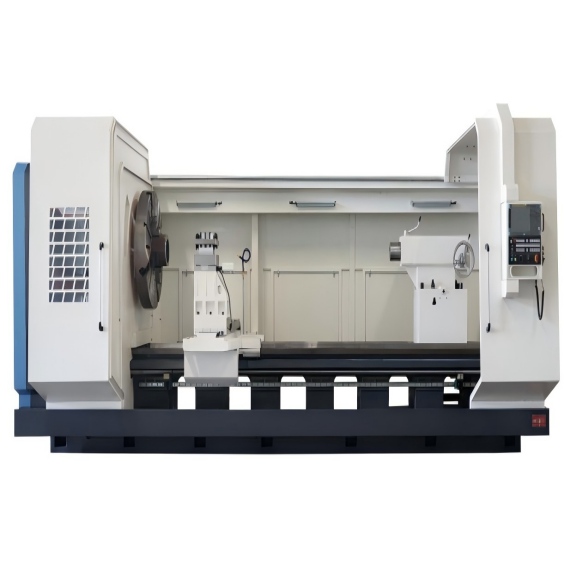
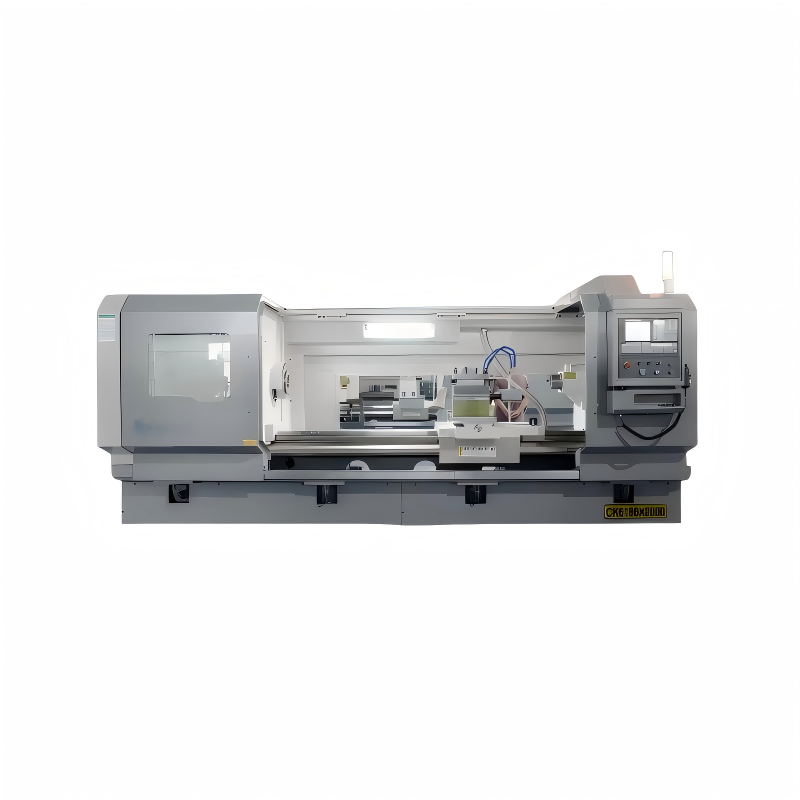
The effectiveness of a conventional pipe thread lathe lies in its well-designed components, each serving a specific function. The headstock, which holds the workpiece, is responsible for providing rotational motion. The tailstock supports the other end of the workpiece, ensuring stability during operation. The carriage, which moves along the bed, carries the cutting tool and allows for precise positioning. The threading mechanism, a critical part of the lathe, controls the feed rate and direction, enabling the creation of accurate threads. Understanding how these parts work together is crucial for optimizing the performance of the lathe.
Operation Principles of Conventional Pipe Thread Lathes
The operation of a conventional pipe thread lathe involves several key principles. First, the workpiece is securely clamped into the headstock, and the tailstock is adjusted to provide the necessary support. The carriage, carrying the cutting tool, is then positioned at the starting point of the thread. As the workpiece rotates, the carriage moves along the bed, guided by the threading mechanism, which ensures that the cutting tool follows the correct path to create the thread. The speed and feed rate are carefully controlled to achieve the desired thread pitch and depth. Proper lubrication and cooling are also essential to maintain the integrity of both the workpiece and the cutting tool.
Maintenance and Troubleshooting
Regular maintenance is vital to ensure the longevity and efficiency of a conventional pipe thread lathe. Key maintenance tasks include cleaning the machine, checking for wear and tear on the cutting tools, and lubricating moving parts. Common issues that may arise include misalignment, which can be corrected by adjusting the tailstock or carriage; uneven thread depths, which can be addressed by recalibrating the threading mechanism; and excessive noise, which may indicate worn-out bearings. By addressing these issues promptly, operators can minimize downtime and maintain optimal performance.
Advancements in Conventional Pipe Thread Lathe Technology
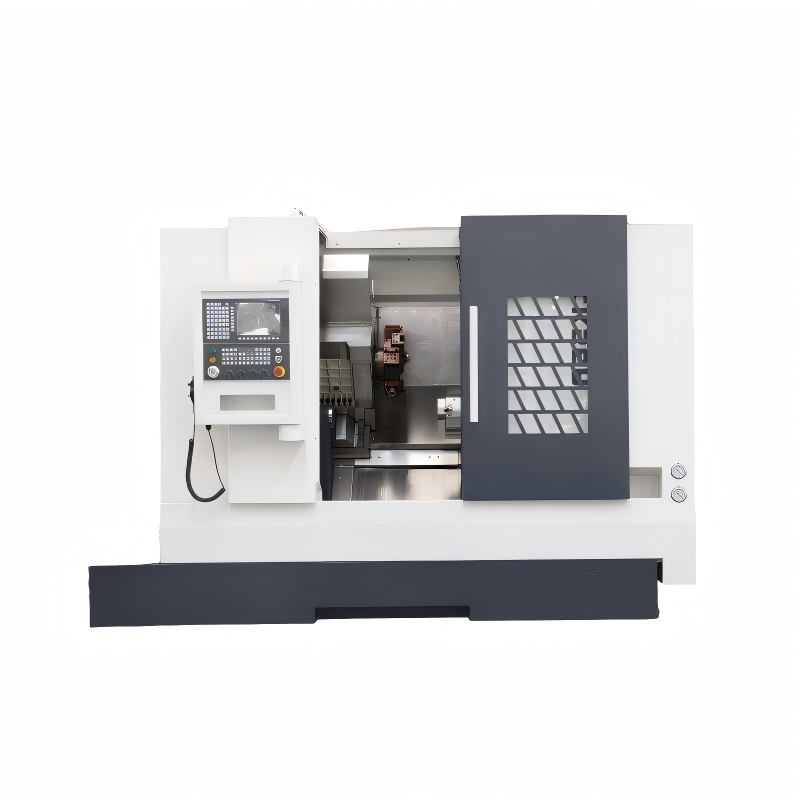
While the basic principles of a conventional pipe thread lathe remain unchanged, advancements in technology have led to significant improvements in their design and functionality. Modern lathes often feature digital readouts and computerized control systems, allowing for more precise and consistent results. Additionally, the use of high-quality materials and advanced manufacturing techniques has enhanced the durability and reliability of these machines. These advancements not only improve the quality of the threads produced but also increase the overall efficiency of the threading process.
Conclusion
Understanding the mechanics behind a conventional pipe thread lathe is essential for anyone involved in the production or maintenance of threaded pipes. By familiarizing oneself with the key components, operational principles, and maintenance requirements, operators can ensure that these machines perform at their best. As technology continues to evolve, the future of conventional pipe thread lathes looks promising, with ongoing innovations set to further enhance their capabilities and efficiency.
 28/06/2026



