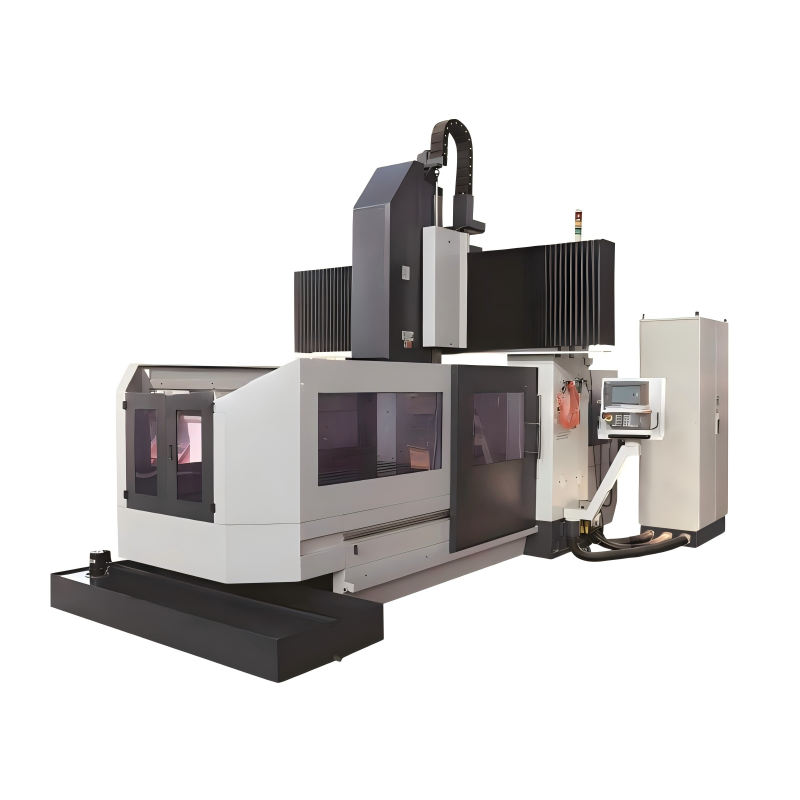
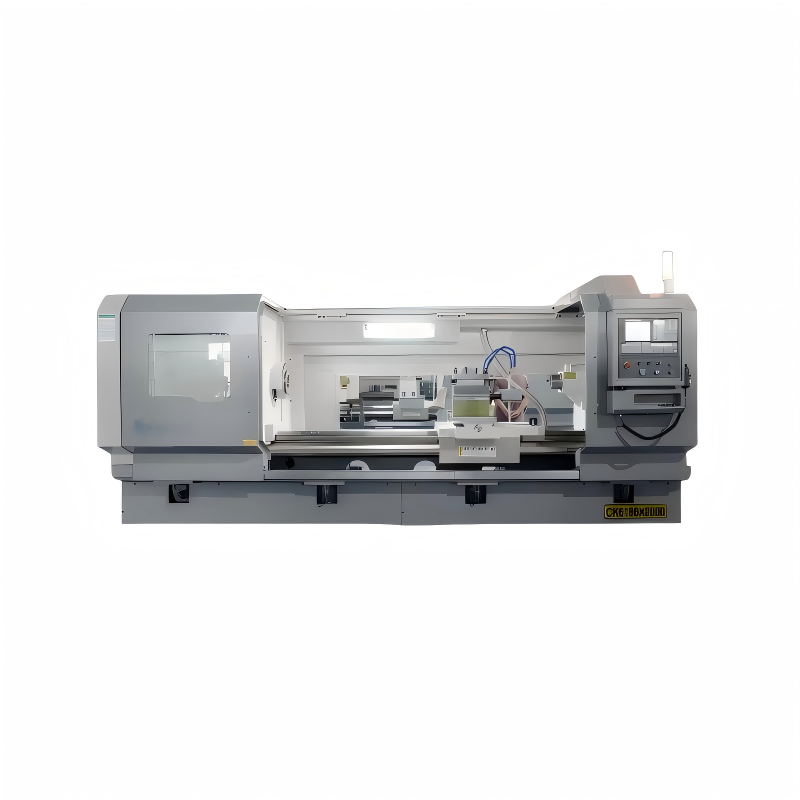
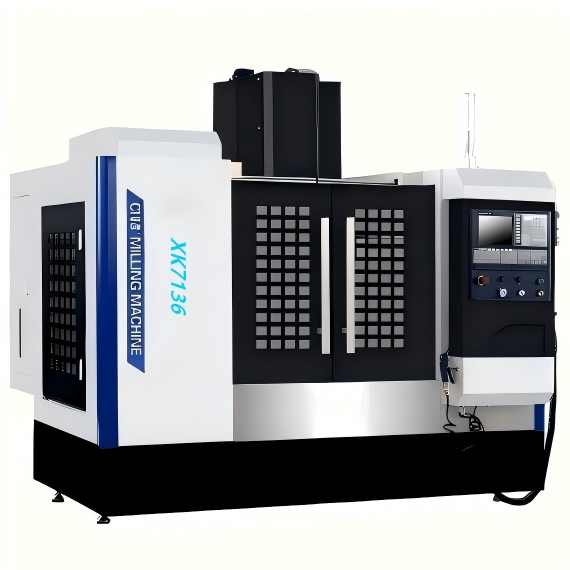
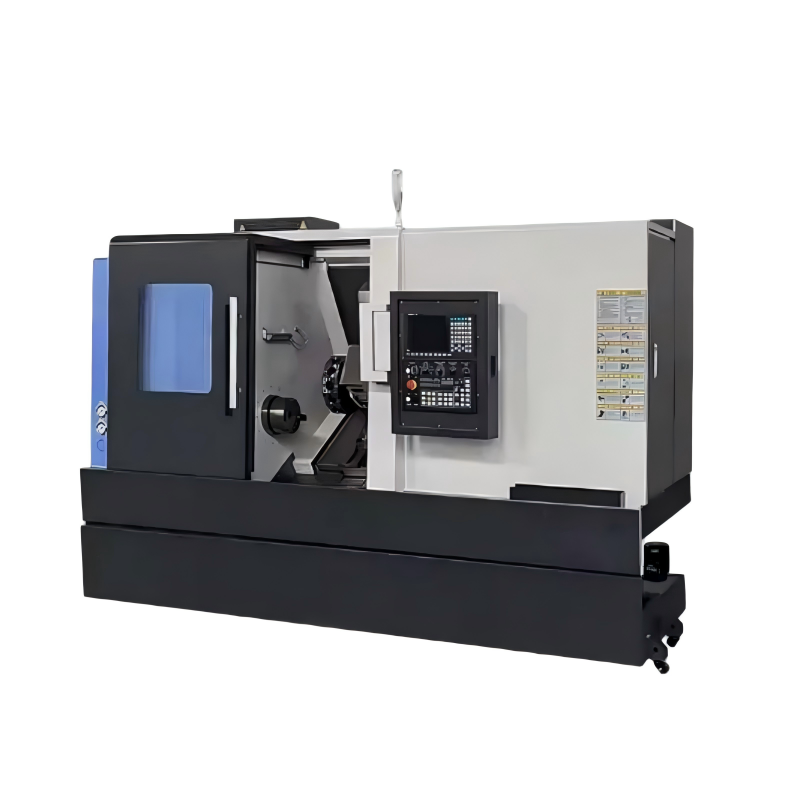
Over the past few decades, the Chinese manufacturing industry has seen a significant transformation, driven by technological advancements and an increasing demand for high-precision machining. One of the key innovations that have contributed to this evolution is the twin spindle horizontal CNC Lathe. These machines, which are capable of performing multiple operations simultaneously, have become essential in many heavy-duty CNC work centers across the country.
Traditionally, single-spindle lathes were used for turning operations, but they required additional setups and tool changes, leading to longer production times and higher costs. The introduction of twin spindle technology has revolutionized the way parts are machined, allowing for simultaneous front and back operations, significantly reducing cycle times, and improving overall efficiency. This section will explore the historical development of these lathes in China, from their initial adoption to their current state-of-the-art capabilities.
Modern twin spindle horizontal CNC lathes are equipped with advanced features that make them highly versatile and efficient. These machines typically consist of two spindles, each capable of independent operation, allowing for simultaneous machining on both sides of a part. This not only reduces the need for repositioning but also minimizes the risk of errors during the setup process.
One of the critical components of these lathes is the control system, which is responsible for coordinating the movements of the spindles, turrets, and other axes. High-performance CNC controllers, such as those from Fanuc or Siemens, provide precise and reliable control over the machining process. Additionally, these machines often feature automatic tool changers, which can store and switch between multiple tools, further enhancing their productivity.
Another important feature is the ability to perform live tooling, which allows for milling, drilling, and tapping operations without the need for separate equipment. This capability, combined with the dual-spindle design, makes these lathes ideal for complex, multi-step machining processes. In heavy-duty CNC work centers, where precision and speed are paramount, these features are crucial for maintaining competitive advantage.
Twin spindle horizontal CNC lathes find extensive use in various industries, including automotive, aerospace, and general engineering. In the automotive sector, for example, these machines are used to produce high-precision components such as engine blocks, transmission parts, and brake rotors. The ability to perform multiple operations in a single setup not only improves accuracy but also reduces the overall production time, making them a preferred choice for high-volume manufacturing.
In the aerospace industry, where the tolerances are extremely tight, twin spindle lathes are used to machine critical components such as turbine blades and landing gear parts. The high level of precision and repeatability provided by these machines ensures that the parts meet the stringent quality standards required in this field. Additionally, the ability to handle large and heavy workpieces makes them suitable for applications in heavy machinery and construction equipment manufacturing.
One of the primary benefits of using twin spindle horizontal CNC lathes in heavy-duty manufacturing is the significant reduction in non-machining time. By eliminating the need for manual setup and tool changes, these machines can achieve higher throughput and lower per-part costs. Furthermore, the integration of advanced automation and monitoring systems allows for real-time data collection and analysis, enabling continuous improvement and predictive maintenance. This not only enhances the overall efficiency of the manufacturing process but also contributes to the sustainability of the operation by reducing waste and energy consumption.
The rapid pace of technological advancement continues to drive the evolution of twin spindle horizontal CNC lathes. One of the most notable trends is the integration of Industry 4.0 technologies, such as the Internet of Things (IoT) and artificial intelligence (AI). These technologies enable real-time monitoring and predictive maintenance, allowing manufacturers to optimize their operations and reduce downtime. For example, IoT sensors can be used to monitor the condition of the machine and its components, while AI algorithms can analyze the data to predict potential failures and schedule maintenance proactively.
Another area of innovation is the development of more powerful and efficient servo motors and drives. These components are crucial for achieving high-speed and high-precision machining. Advances in motor technology, such as the use of permanent magnet synchronous motors (PMSMs), have led to improvements in torque, speed, and energy efficiency. This, in turn, has enabled manufacturers to produce more complex and demanding parts with greater accuracy and at higher speeds.
Additionally, the trend towards modular and flexible manufacturing systems is gaining momentum. Modular designs allow for easy reconfiguration and expansion of the machine, making it possible to adapt to changing production requirements. This flexibility is particularly valuable in heavy-duty CNC work centers, where the ability to quickly switch between different jobs and part types is essential for maintaining competitiveness. As the demand for customized and high-mix, low-volume production continues to grow, the importance of modular and flexible manufacturing solutions will only increase.
The future of twin spindle horizontal CNC lathes in China looks promising, with ongoing advancements in technology and a growing emphasis on high-precision and efficient manufacturing. These machines have already proven their value in various industries, and their capabilities continue to expand with the integration of Industry 4.0 technologies and the development of more powerful and efficient components.
As the Chinese manufacturing industry continues to evolve, the role of twin spindle horizontal CNC lathes in heavy-duty CNC work centers will become even more critical. Manufacturers who invest in these advanced machines and embrace the latest technological trends will be well-positioned to meet the challenges of the future and maintain a competitive edge in the global market.
 27/06/2026
In the realm of large-scale manufacturing, the adoption of advanced technologies plays a pivotal role in enhancing productivity, precision, and efficiency. Among these technologies, the heavy-duty CNC work center stands out as a critical asset. This repor
Read More26/06/2026As China continues to strengthen its position as a global manufacturing powerhouse, the export of CNC lathes from the country has become increasingly significant. This report delves into the intricacies of navigating the global market for CNC lathe export
Read More25/06/2026In today’s manufacturing landscape, the demand for precision and efficiency has never been higher. A heavy-duty CNC work center is at the heart of this evolution, particularly when it comes to high-rigidity horizontal machining centers. These machines are
Read More25/06/2026In the realm of precision machining, the choice of equipment plays a crucial role in determining the efficiency and quality of the output. A twin spindle horizontal CNC lathe from China has emerged as a preferred solution for many manufacturing operations
Read More24/06/2026The vertical machining center, a versatile tool in the world of manufacturing, has revolutionized how complex parts are produced. From aerospace components to medical devices, these machines offer unparalleled precision and efficiency. This report delves
Read More24/06/2026Heavy-duty CNC work centers play a pivotal role in the modern manufacturing landscape, serving as the cornerstone of industrial production. These advanced machines are designed to handle large, complex, and demanding tasks with precision and efficiency. T
Read More22/06/2026In today’s manufacturing landscape, the integration of advanced technologies has become a necessity for businesses aiming to stay competitive. One such technology that stands out is the heavy-duty CNC work center. This article explores how leveraging a he
Read More04/06/2026Introduction to Heavy-Duty CNC Work Centers In the modern manufacturing landscape, heavy-duty CNC work centers have become indispensable tools for producing high-precision components. These machines are designed to handle large and complex parts, making t
Read More03/06/2026IntroductionIn the realm of manufacturing, precision and efficiency are paramount. The integration of advanced technology into production processes has revolutionized how industries operate. One such innovation that stands out is the heavy-duty CNC work c
Read More02/06/2026IntroductionThe evolution of manufacturing technology has been a continuous journey, marked by the advent of new tools and techniques that push the boundaries of what is possible. Among these, heavy-duty CNC work centers have emerged as a cornerstone in t
Read More01/06/2026Understanding the Capabilities of a Heavy-Duty CNC Work Center A heavy-duty CNC work center is an indispensable tool in modern manufacturing, offering unparalleled precision and efficiency. This section will delve into the fundamental aspects that make th
Read More31/05/2026IntroductionA heavy-duty CNC work center is a critical piece of machinery in modern manufacturing, capable of producing complex parts with high precision and efficiency. However, to ensure optimal performance and longevity, regular maintenance is essentia
Read More30/05/2026IntroductionSelecting the appropriate heavy-duty CNC work center is a critical decision for any manufacturing business. A well-chosen CNC (Computer Numerical Control) system can significantly enhance productivity, reduce operational costs, and improve pro
Read More29/05/2026Innovations in Heavy-Duty CNC Work Center TechnologyAdvancements in Material Handling and Feeding SystemsAutomated Material LoadingThe integration of automated material loading systems within heavy-duty CNC work centers has significantly reduced setup tim
Read More28/05/2026IntroductionIn the realm of modern manufacturing, the heavy-duty CNC work center has emerged as a pivotal piece of equipment. This advanced machinery not only accelerates production processes but also enhances precision and efficiency. The integration of
Read More27/05/2026In the realm of manufacturing, a heavy-duty CNC work center stands out as an essential tool for achieving high precision and productivity. This report delves into strategies that can be employed to maximize efficiency with such advanced machinery, focusin
Read More26/05/2026IntroductionThe heavy-duty CNC work center stands as a pinnacle of modern manufacturing technology, embodying precision, efficiency, and versatility. This report delves into the capabilities of a heavy-duty CNC work center, exploring its advanced features
Read MoreOur professional sales team is always ready to assist you.