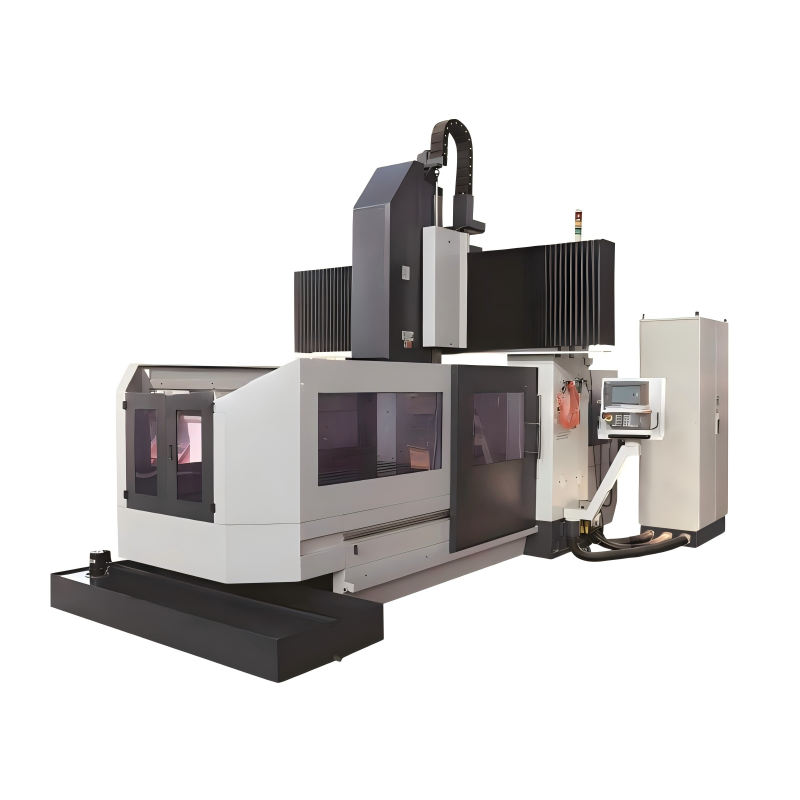
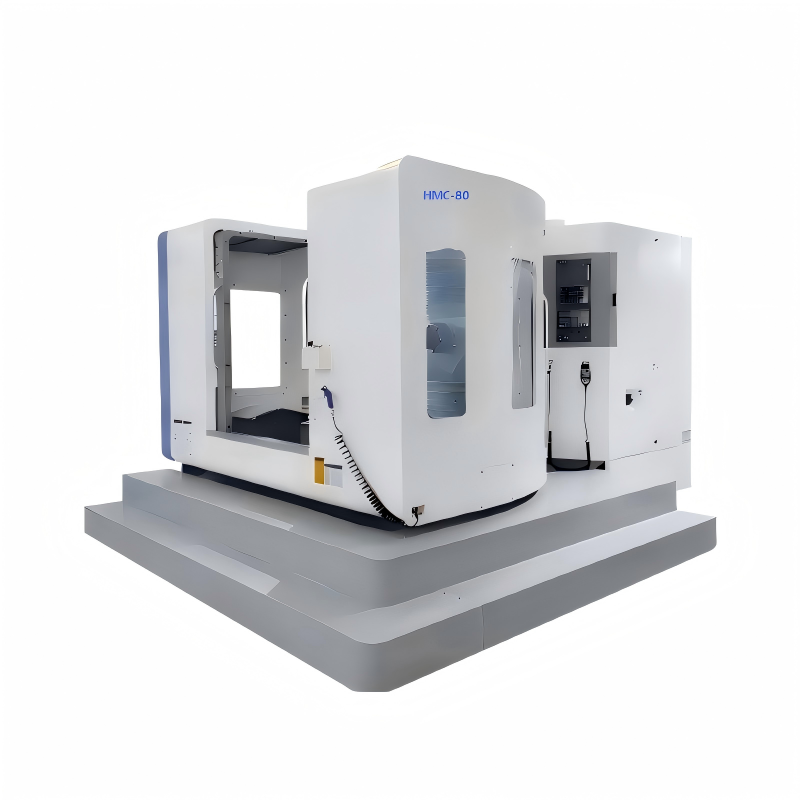
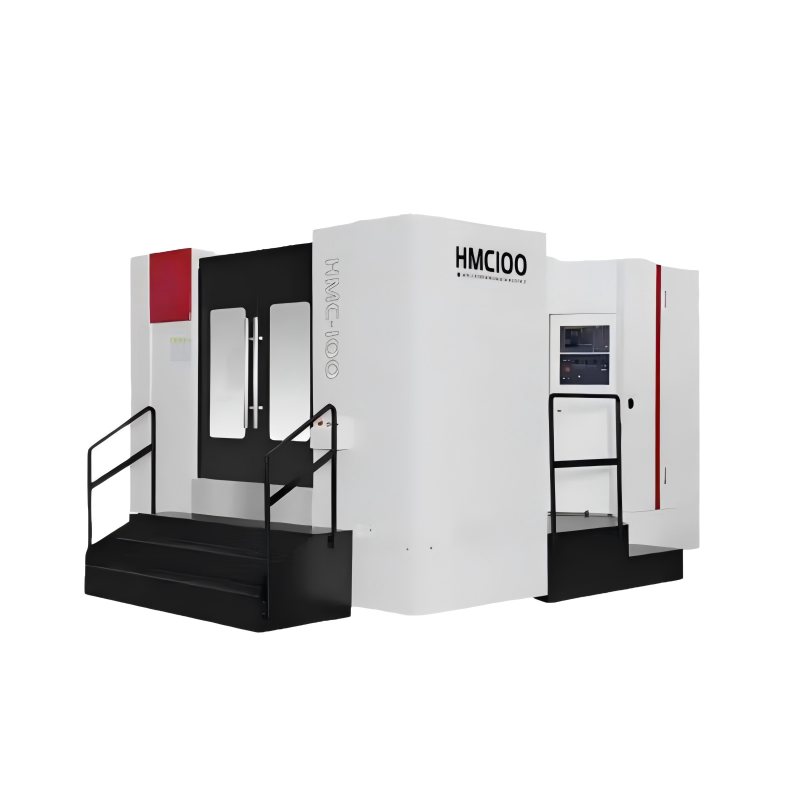
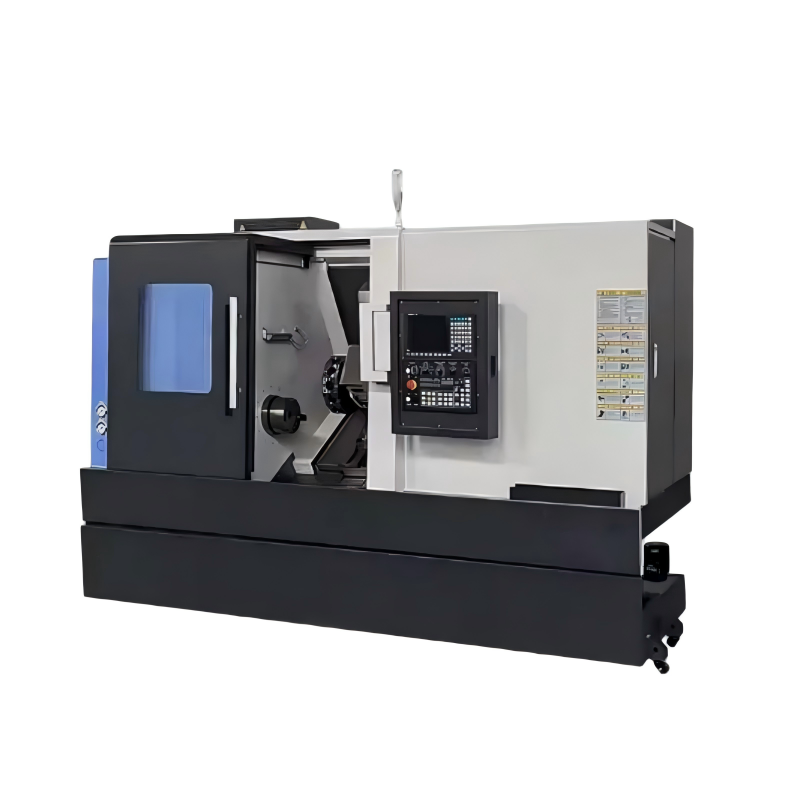
high-precision milling machine tools are essential in modern manufacturing, providing unparalleled accuracy and efficiency. However, their performance and longevity depend significantly on proper maintenance. This technical report delves into the critical aspects of maintaining high-precision milling machine tools, ensuring they operate at peak performance. The report covers four main areas: the importance of regular maintenance, common maintenance tasks, advanced diagnostic techniques, and the role of operator training in maintenance. By understanding and implementing these practices, manufacturers can extend the lifespan of their high-precision milling machines and minimize downtime.
Regular maintenance is crucial for keeping a high-precision milling machine tool in top condition. Without it, the machine's precision and efficiency can degrade over time, leading to subpar product quality and increased production costs. Scheduled maintenance includes checking and adjusting the machine's alignment, lubricating moving parts, and inspecting for wear and tear. These routine checks help identify potential issues before they become major problems, ensuring that the machine continues to deliver high-quality results.
One of the primary benefits of regular maintenance is the prevention of unexpected downtime. High-precision milling machine tools are complex and expensive, and any unplanned stoppage can be costly. By adhering to a strict maintenance schedule, operators can avoid sudden breakdowns and the need for emergency repairs. This not only saves money but also ensures that production schedules are met, maintaining customer satisfaction and business reputation.
Proper cleaning and lubrication are fundamental to the maintenance of high-precision milling machine tools. Dust, debris, and metal shavings can accumulate on the machine's surfaces and in its moving parts, leading to increased friction and wear. Regular cleaning involves using compressed air, brushes, and solvents to remove contaminants. Additionally, applying the correct type and amount of lubricant to the machine's bearings, gears, and other moving components helps reduce friction and prolong their lifespan.
Regular inspection and calibration are essential to maintain the accuracy and reliability of high-precision milling machine tools. Inspection involves visually checking for signs of wear, such as cracks, corrosion, or misalignment. It also includes using precision measuring instruments to verify the machine's dimensions and tolerances. Calibration, on the other hand, ensures that the machine's settings and parameters are within the required specifications. This process often requires specialized equipment and expertise, but it is crucial for maintaining the machine's high-precision capabilities.
Vibration analysis is an advanced diagnostic technique used to detect and diagnose issues in high-precision milling machine tools. By monitoring the machine's vibrations, technicians can identify imbalances, misalignments, and worn-out components. Vibration sensors are placed on key parts of the machine, and the data collected is analyzed to pinpoint the source of the problem. This proactive approach allows for early detection and correction of issues, preventing more severe damage and extending the machine's operational life.
Thermal imaging is another powerful diagnostic tool for high-precision milling machine tools. It uses infrared cameras to capture temperature variations across the machine's surface. Abnormal temperature patterns can indicate issues such as overheating, electrical faults, or inadequate cooling. By identifying these hotspots, technicians can address the underlying problems before they lead to more significant failures. Thermal imaging is particularly useful for detecting issues that may not be visible through traditional inspection methods.
Operator training is a critical component of effective maintenance for high-precision milling machine tools. Operators who are well-versed in basic maintenance skills can perform routine checks and minor adjustments, reducing the workload on maintenance personnel. Training should cover topics such as daily cleaning, lubrication, and visual inspection. Operators should also be familiar with the machine's operating manual and safety guidelines. By empowering operators with these skills, manufacturers can ensure that the machine is consistently maintained and ready for operation.
In addition to basic maintenance skills, some operators may require advanced training for more specialized tasks. This can include training on advanced diagnostic techniques, such as vibration analysis and thermal imaging, as well as more complex maintenance procedures. Advanced training should be provided by experienced technicians or through certified training programs. By investing in this level of training, manufacturers can build a skilled workforce capable of handling a wide range of maintenance tasks, further enhancing the overall reliability and performance of their high-precision milling machine tools.
 08/06/2026
The future of high-precision milling is a topic that has garnered significant attention in the manufacturing and engineering sectors. As industries continue to demand higher levels of accuracy and efficiency, the development of high-precision milling mach
Read More08/06/2026In the realm of manufacturing, high-precision milling machine tools represent a significant investment. This report delves into the cost-effectiveness of such an investment, considering both short-term and long-term perspectives. It evaluates how these ad
Read More07/06/2026High-precision milling machines have emerged as a transformative force within the automotive industry, driving innovation and efficiency in manufacturing processes. These advanced tools are not only capable of producing components with unparalleled accura
Read More06/06/2026In the realm of advanced manufacturing, high-precision milling machine tools play a pivotal role in producing complex parts with unparalleled accuracy and efficiency. This report delves into how these sophisticated machines are transforming industries by
Read More06/06/2026High-precision milling machine tools are essential in modern manufacturing, offering unparalleled accuracy and efficiency. This report delves into the capabilities of these advanced machines, exploring their impact on precision engineering, material versa
Read More05/06/2026In the realm of precision engineering, high-precision milling machine tools play a pivotal role in achieving the exacting standards required for components and products across various industries. These machines are designed to deliver unparalleled accurac
Read More05/06/2026In the realm of modern manufacturing, high-precision milling machine tools play a pivotal role in enhancing both productivity and accuracy. These advanced machines are not just tools; they are integral components that drive the efficiency and quality of p
Read More04/06/2026In the realm of aerospace engineering, where precision and reliability are paramount, high-precision milling machine tools play an indispensable role. These advanced machines offer unparalleled accuracy and consistency, which are crucial for manufacturing
Read More04/06/2026In the rapidly evolving landscape of modern manufacturing, high-precision milling machine tools have become indispensable for achieving superior quality and efficiency. These advanced machines are designed to meet the stringent requirements of industries
Read MoreOur professional sales team is always ready to assist you.