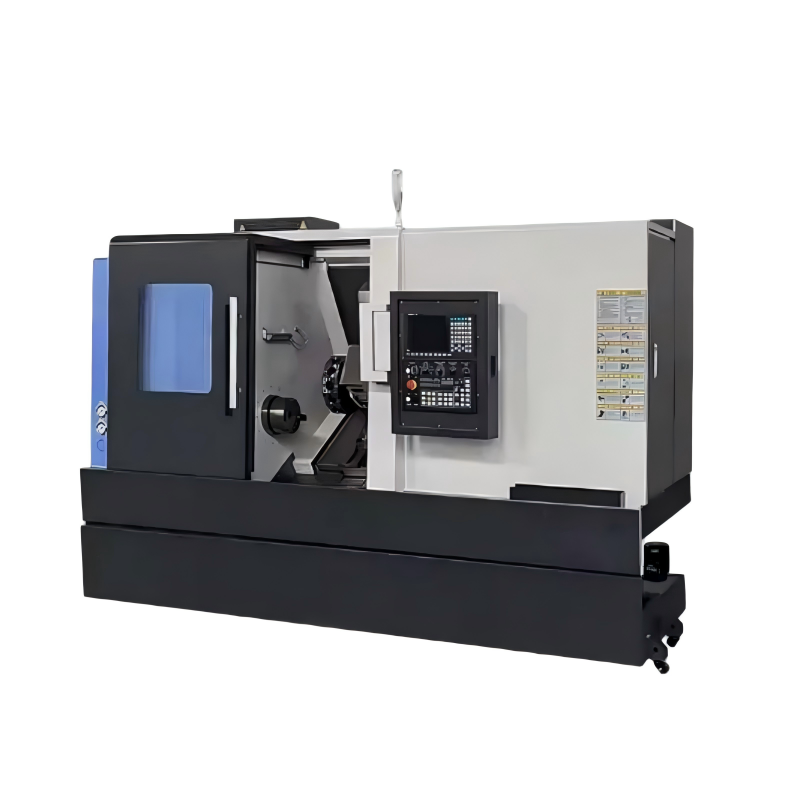
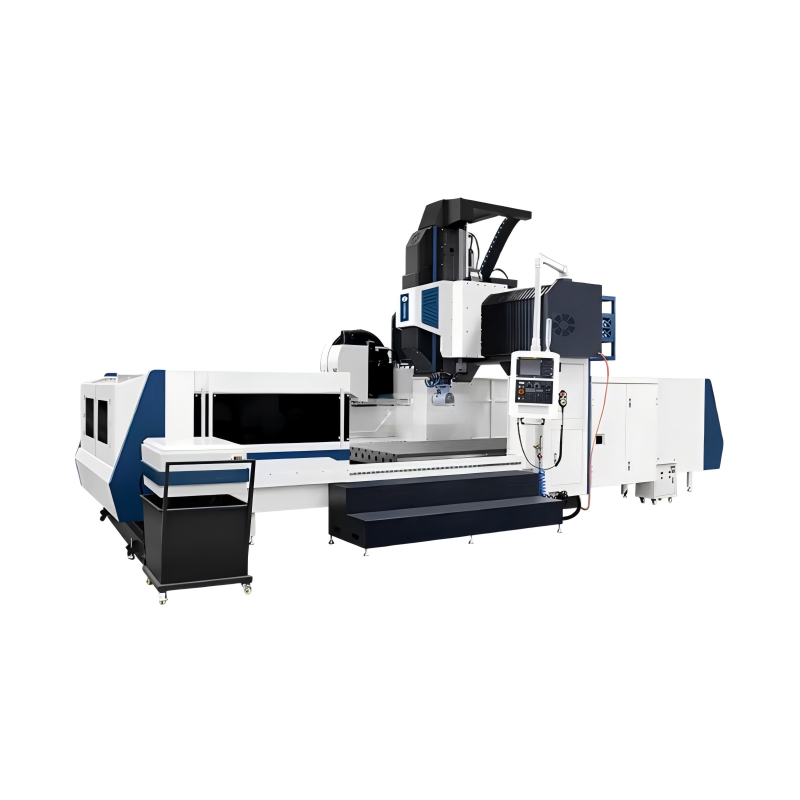
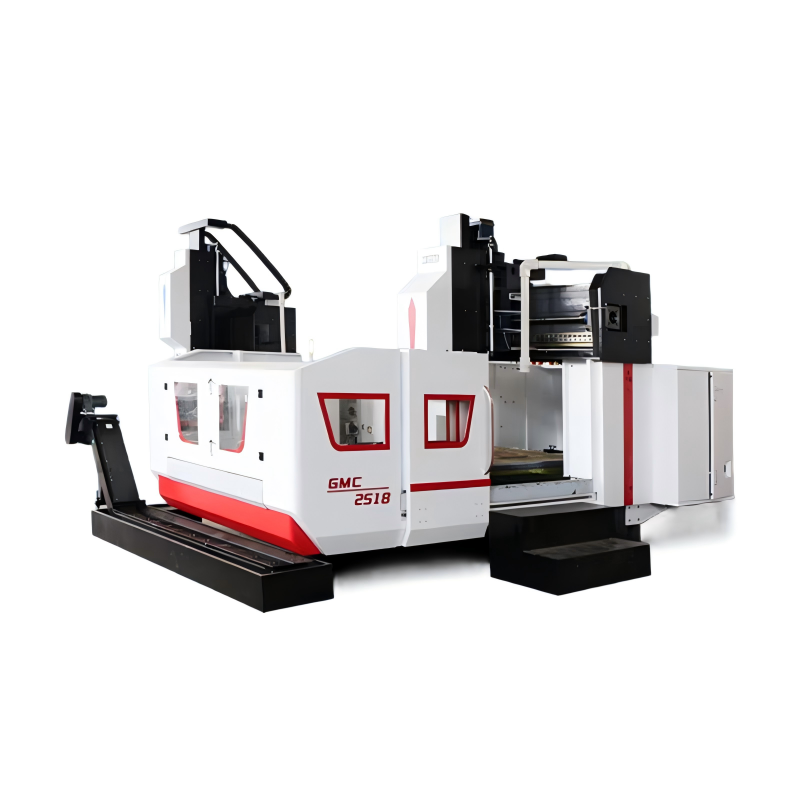
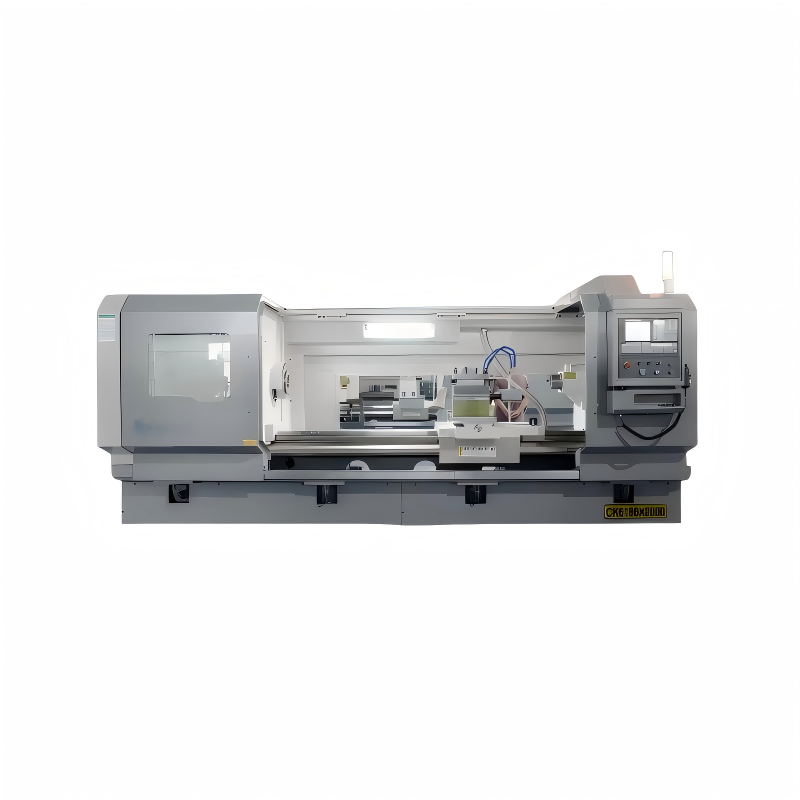
In today's rapidly evolving industrial landscape, Machining Centers have become indispensable tools for manufacturing precision components across various sectors. This report delves into the multifaceted role of machining centers, exploring their impact on productivity, versatility in production, and integration with modern technological advancements. By examining these aspects, we aim to provide a comprehensive understanding of how machining centers are shaping the future of manufacturing, enhancing efficiency, and driving innovation. The analysis will cover the operational principles behind machining centers, their applications in diverse industries, and the ways in which they are being optimized through digital technologies, such as automation and artificial intelligence.
Machining centers are designed to perform multiple operations on a workpiece in a single setup, significantly reducing the need for manual intervention and repositioning. These machines typically feature a spindle that can move along three or more axes, allowing for complex milling, drilling, and turning processes. The design of a machining center is crucial in determining its capabilities, with factors such as rigidity, speed, and accuracy playing key roles in its performance.
One of the primary advantages of using a machining center is the high level of automation it offers. Automated tool changers, pallet changers, and robotic arms enable continuous operation, minimizing downtime and increasing throughput. Additionally, advanced control systems, such as CNC (Computer Numerical Control), allow for precise and repeatable operations, ensuring consistent quality and reducing the risk of human error.
Machining centers are often integrated with Computer-Aided Design (CAD) and Computer-Aided Manufacturing (CAM) systems, streamlining the entire production process from design to final product. This integration allows for the seamless transfer of design data to the machine, enabling rapid prototyping and efficient production. Moreover, the use of simulation software within CAM systems helps in optimizing tool paths, reducing material waste, and improving overall efficiency.
In the aerospace and defense sectors, machining centers play a critical role in the production of high-precision components, such as engine parts, structural components, and avionics. The ability to achieve tight tolerances and complex geometries is essential in these industries, where safety and reliability are paramount. Machining centers equipped with multi-axis capabilities and high-speed spindles are particularly well-suited for these demanding applications.
The automotive industry relies heavily on machining centers for the mass production of engine blocks, transmission housings, and other critical components. The high-speed and high-precision capabilities of machining centers enable manufacturers to produce large volumes of parts with consistent quality. Additionally, the flexibility of machining centers allows for quick changeovers between different part types, making them ideal for just-in-time (JIT) manufacturing environments.
In the medical device industry, machining centers are used to produce a wide range of components, from surgical instruments to implantable devices. The stringent requirements for precision and surface finish in this sector necessitate the use of advanced machining technologies. Machining centers with micro-milling capabilities and specialized tooling are particularly valuable in the production of intricate and delicate medical components, ensuring the highest standards of quality and patient safety.
The integration of AI into machining centers is revolutionizing the way these machines operate. AI algorithms can analyze real-time data from sensors and other monitoring systems, providing insights into machine performance and predicting potential issues before they occur. This predictive maintenance capability reduces downtime and extends the lifespan of the equipment. Furthermore, AI can optimize tool paths and cutting parameters, leading to improved efficiency and reduced material waste.
The advent of the Internet of Things (IoT) has enabled machining centers to be connected to broader manufacturing networks, facilitating real-time data exchange and remote monitoring. IoT-enabled machining centers can collect and transmit data on machine status, production metrics, and environmental conditions, allowing for better decision-making and process optimization. This connectivity also supports the implementation of Industry 4.0 principles, such as smart factories and distributed manufacturing.
As sustainability becomes an increasingly important consideration in the manufacturing industry, machining centers are being designed with energy efficiency and environmental impact in mind. Advances in drive technology, such as the use of regenerative braking and high-efficiency motors, help reduce energy consumption. Additionally, the adoption of dry and near-dry machining techniques, which minimize the use of cutting fluids, contributes to a more environmentally friendly production process. These innovations not only benefit the environment but also result in cost savings for manufacturers.
 08/06/2026
A high-performance machining center is an essential asset for any modern manufacturing facility, offering unparalleled precision, efficiency, and versatility. When selecting a machining center, it's crucial to consider several key features that will ensur
Read More07/06/2026In the realm of precision engineering, the advent of advanced machining centers has heralded a new era of efficiency and accuracy. These sophisticated machines, equipped with cutting-edge technology, have transformed the way industries approach manufactur
Read More06/06/2026In the realm of manufacturing, Machining Center technology has emerged as a cornerstone for precision and efficiency. This report delves into the multifaceted advantages and applications of modern machining centers, highlighting how these advanced machine
Read More05/06/2026Choosing the right Machining Center for your specific needs is a critical decision that can significantly impact the efficiency, quality, and cost-effectiveness of your manufacturing processes. This guide aims to provide you with a comprehensive understan
Read More04/06/2026In the ever-evolving landscape of manufacturing, Machining Center innovations are playing a pivotal role in shaping the future. These advanced machines, designed to perform multiple operations with high precision and efficiency, are not only improving pro
Read More04/06/2026In the rapidly evolving aerospace industry, machining centers have emerged as pivotal tools for advancing manufacturing processes. These advanced machines not only enhance productivity but also play a crucial role in maintaining the high standards of prec
Read More03/06/2026IntroductionIn the realm of modern manufacturing, machining centers play a pivotal role in transforming raw materials into finished products. These advanced machines are designed to perform multiple operations such as milling, drilling, and turning, all w
Read More02/06/2026In today’s competitive manufacturing environment, the quest for enhancing product quality while simultaneously reducing operational costs has become a critical success factor. The integration of state-of-the-art machining centers into production processes
Read More01/06/2026In the realm of modern manufacturing, the role of a machining center, especially those controlled by Computer Numerical Control (CNC) systems, has become increasingly prominent. These machines are not just tools; they represent a significant leap in techn
Read More31/05/2026IntroductionThe machining center, a cornerstone of modern manufacturing, has evolved significantly over the years. With advancements in technology, these machines have become more efficient, versatile, and capable of handling complex tasks. This report ai
Read More30/05/2026IntroductionThe machining industry is on the cusp of a transformative era, driven by advancements in Machining Center technology. As we look towards the future, it becomes increasingly clear that innovations in this field will not only enhance productivit
Read More29/05/2026IntroductionThe selection of the right machining center is a critical decision for any manufacturing operation, as it directly impacts productivity, efficiency, and overall profitability. A machining center, also known as a CNC (Computer Numerical Control
Read More28/05/2026The automotive industry, a cornerstone of modern manufacturing, is experiencing an unprecedented transformation driven by the integration of advanced technologies. Among these, machining centers are playing a pivotal role in revolutionizing production pro
Read More26/05/2026In the realm of precision manufacturing, the machining center stands as a cornerstone technology, offering unparalleled versatility and efficiency. This document explores how modern advancements in machining centers are revolutionizing the industry, focus
Read MoreOur professional sales team is always ready to assist you.