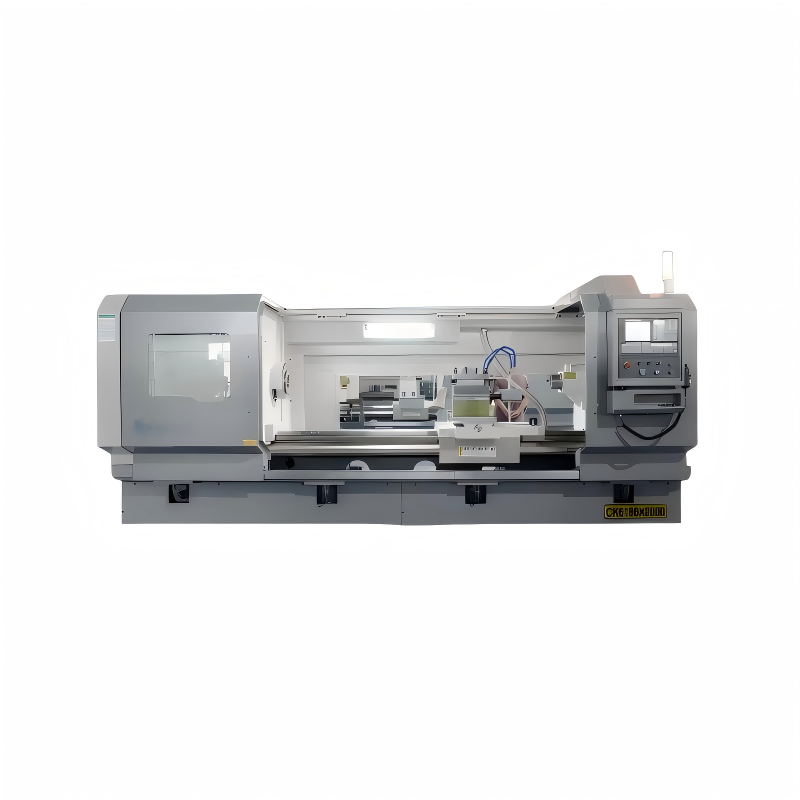
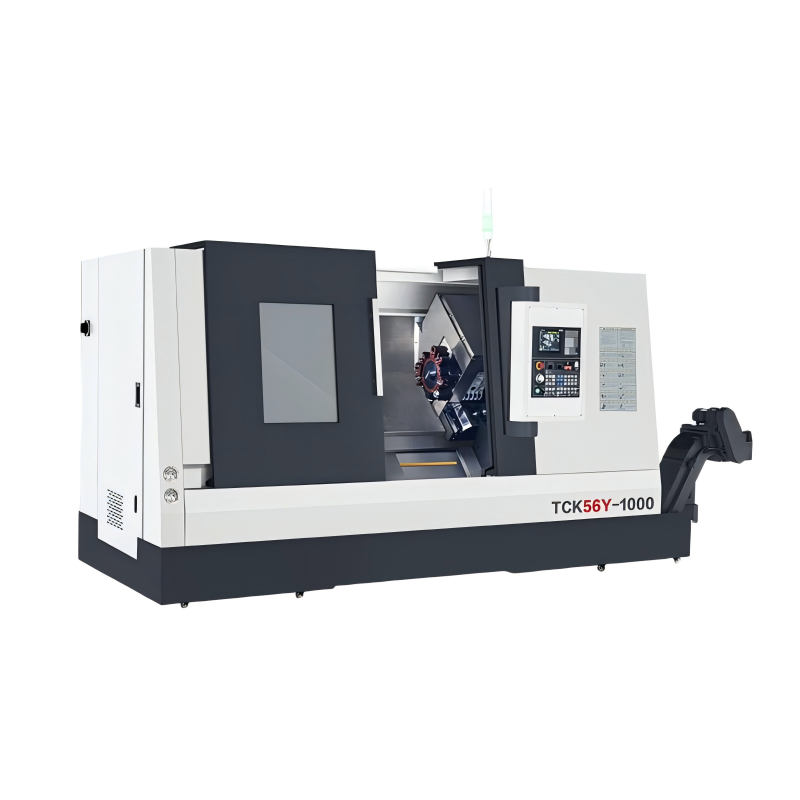
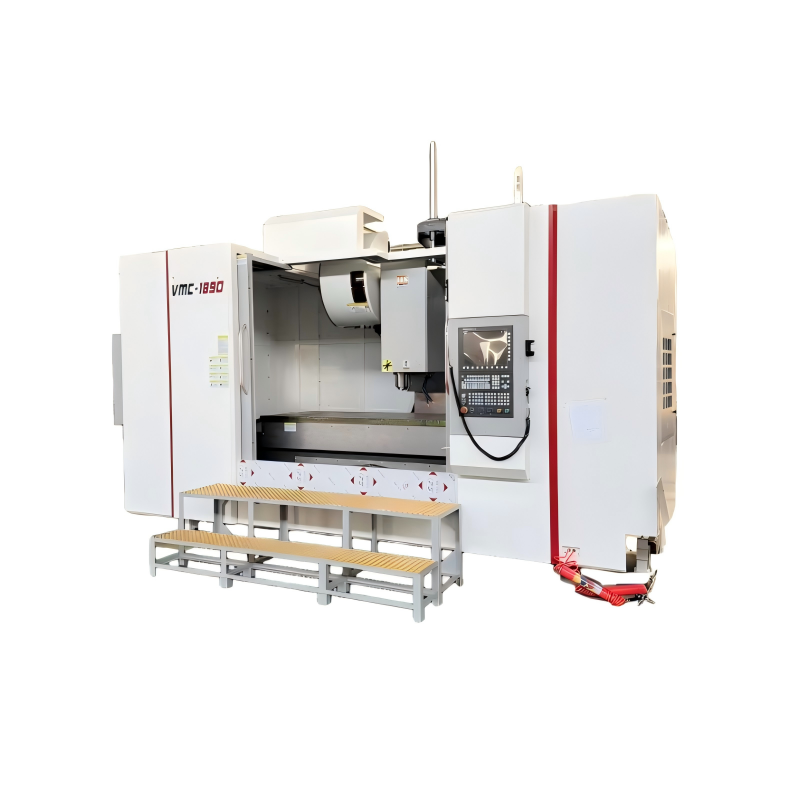
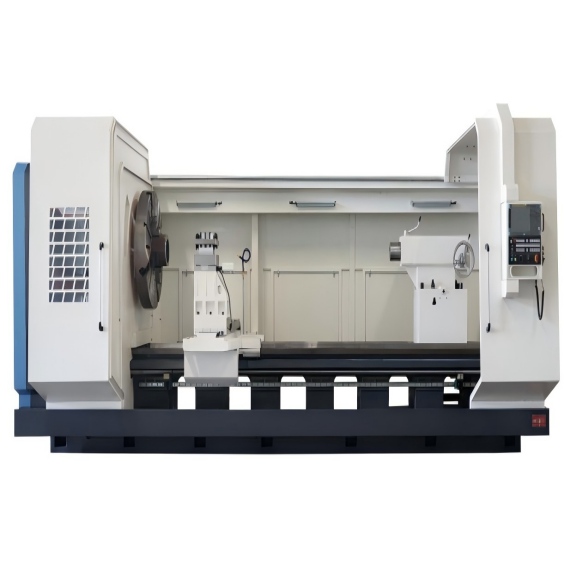
In the realm of modern manufacturing, the introduction and continuous evolution of Horizontal Milling Machine technology have significantly transformed production processes, enabling higher efficiency, precision, and versatility. This report aims to delve into how advanced horizontal milling machine technology is unlocking new levels of productivity and quality in today's industrial landscape.
Over the decades, horizontal milling machines have evolved from simple, manually operated tools to sophisticated, computer-controlled systems. The advancements in design, materials, and control systems have led to more robust, accurate, and efficient machines. Early models were primarily mechanical, with manual controls and limited capabilities. However, the integration of digital technologies, such as CNC (Computer Numerical Control), has revolutionized the way these machines operate. Today’s horizontal milling machines are equipped with advanced software, high-precision sensors, and powerful motors that enable them to perform complex operations with unparalleled accuracy and speed.
One of the most significant advantages of advanced horizontal milling machines is their ability to achieve high levels of precision and consistency. Modern machines are designed with advanced feedback systems that continuously monitor and adjust the cutting process. These systems use real-time data to ensure that the tool path is followed with minimal deviation, resulting in parts that meet exact specifications. Additionally, the use of high-quality cutting tools and stable, rigid machine structures further enhances the precision of the milling process. This level of accuracy is crucial in industries such as aerospace, automotive, and medical, where even the slightest deviation can lead to catastrophic failures.
Advanced horizontal milling machines also offer significant improvements in productivity and flexibility. With the ability to perform multiple operations in a single setup, these machines reduce the need for frequent tool changes and part repositioning, which can be time-consuming and labor-intensive. CNC programming allows for the creation of complex, multi-axis machining paths, enabling the production of intricate and detailed parts. Furthermore, the integration of automation technologies, such as robotic loading and unloading, further streamlines the production process, reducing cycle times and increasing overall throughput. This flexibility is particularly valuable in high-mix, low-volume production environments, where the ability to quickly switch between different part types is essential.
In addition to their performance benefits, advanced horizontal milling machines are also designed with energy efficiency and sustainability in mind. Modern machines incorporate energy-saving features, such as regenerative braking systems and optimized motor designs, which help to reduce power consumption. Additionally, the use of high-efficiency cutting tools and lubrication systems minimizes waste and extends tool life, further contributing to a more sustainable manufacturing process. As environmental concerns continue to grow, the adoption of energy-efficient and sustainable technologies is becoming increasingly important for manufacturers looking to reduce their carbon footprint and comply with regulatory requirements.
The integration of horizontal milling machines with Industry 4.0 technologies is another key area of development. Industry 4.0, or the fourth industrial revolution, focuses on the digitization and interconnectivity of manufacturing processes. Advanced horizontal milling machines are now being equipped with IoT (Internet of Things) sensors, which collect and transmit data on machine performance, tool wear, and other critical parameters. This data can be analyzed in real-time using advanced analytics and AI (Artificial Intelligence) algorithms, allowing for predictive maintenance, process optimization, and improved decision-making. By leveraging these technologies, manufacturers can achieve higher levels of operational efficiency, reduce downtime, and improve overall equipment effectiveness (OEE).
Advanced Horizontal Milling Machine technology is playing a pivotal role in transforming the manufacturing industry. By offering enhanced precision, increased productivity, and greater flexibility, these machines are enabling manufacturers to produce high-quality parts more efficiently and cost-effectively. Moreover, the integration of energy-efficient and sustainable features, along with the adoption of Industry 4.0 technologies, is setting the stage for a more sustainable and connected future. As the technology continues to evolve, it is clear that horizontal milling machines will remain a cornerstone of modern manufacturing, driving innovation and excellence in the years to come.
 29/06/2026
The Horizontal Milling Machine is a crucial piece of equipment in the manufacturing industry, known for its versatility and precision. This report delves into the key features that make high-precision horizontal milling machines indispensable in modern ma
Read More28/06/2026Horizontal milling machines are a staple in many manufacturing and fabrication environments, playing a crucial role in the production of precision components. To ensure that these machines continue to operate at peak efficiency, it is essential to impleme
Read More27/06/2026Horizontal Milling Machines (HMMs) have been a cornerstone of the manufacturing industry since their inception, evolving from simple manually operated machines to sophisticated, computer-controlled systems capable of producing highly precise and complex p
Read More26/06/2026Choosing the right horizontal milling machine for your workshop is a decision that can significantly impact the efficiency, productivity, and quality of your operations. This guide aims to provide you with a comprehensive understanding of the factors to c
Read More25/06/2026In the dynamic world of manufacturing, where precision and efficiency are paramount, the horizontal milling machine stands out as a versatile tool that has revolutionized the production processes. This article delves into the various applications, advanta
Read MoreOur professional sales team is always ready to assist you.