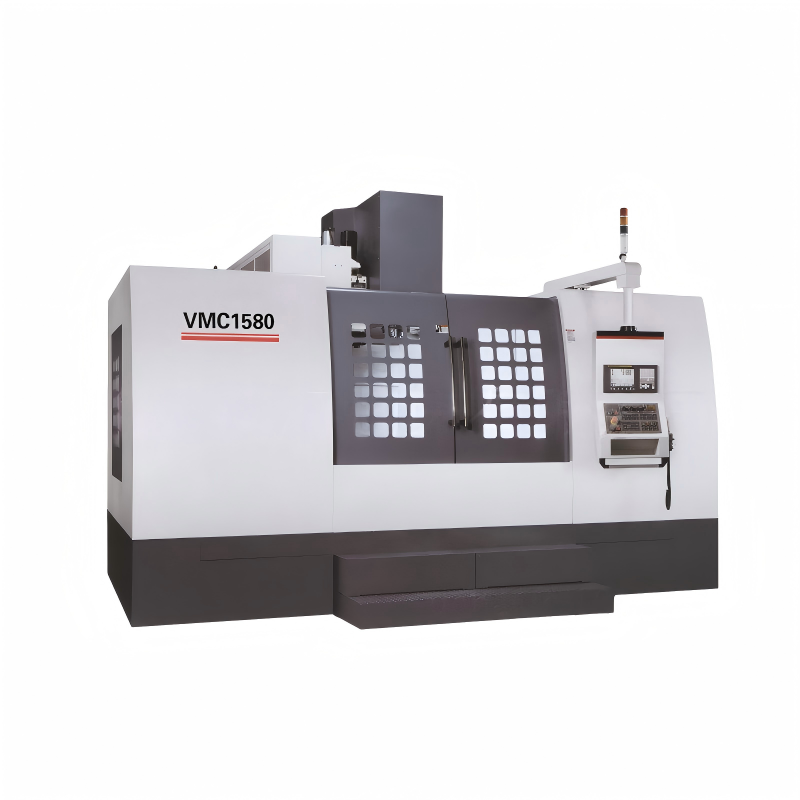
Vertical Milling Machines are essential tools in the manufacturing and machining industries, providing precision and versatility for a wide range of applications. However, like any industrial equipment, they come with inherent risks that must be managed to ensure the safety of operators and other personnel. This comprehensive guide aims to provide a detailed overview of vertical milling machine safety, covering key aspects such as operator training, machine maintenance, and safe operating procedures.
The first and most crucial step in ensuring the safe operation of a vertical milling machine is to ensure that all operators are adequately trained and competent. Operators should undergo formal training programs that cover the following areas:
Regular refresher courses and ongoing training should also be provided to keep operators up-to-date with the latest safety practices and machine advancements. Additionally, operators should be encouraged to ask questions and seek clarification whenever needed, fostering a culture of continuous learning and improvement.
Proper maintenance and regular inspection of the vertical milling machine are critical for both safety and optimal performance. A well-maintained machine is less likely to malfunction, reducing the risk of accidents and downtime. Key maintenance and inspection practices include:
It is also important to follow the manufacturer's recommended maintenance schedule and to use only approved replacement parts and consumables. Regular maintenance not only extends the life of the machine but also ensures that it remains safe and reliable for all users.
Adhering to safe operating procedures is essential for preventing accidents and injuries when using a vertical milling machine. The following guidelines should be followed at all times:
Operators should also be aware of their surroundings and avoid distractions while operating the machine. Clear communication and coordination with other personnel in the area are essential to maintaining a safe work environment.
Ensuring the safety of vertical milling machine operations requires a multifaceted approach that includes proper operator training, regular machine maintenance, and adherence to safe operating procedures. By following these guidelines, manufacturers and operators can minimize the risk of accidents and create a safer, more productive work environment. Remember, safety is a shared responsibility, and every individual plays a role in maintaining a high standard of safety in the workplace.
 29/06/2026
Introduction to Vertical Milling Machines The vertical milling machine (VMM) is a fundamental tool in modern workshops, offering a versatile and efficient solution for a wide range of machining tasks. This type of machine is designed to cut, shape, and fi
Read More29/06/2026Introduction to 3 Axis Vertical Machining CentersThe advent of the 3 Axis Vertical Milling Machine has significantly transformed the landscape of modern manufacturing. These machines, known for their precision and versatility, have become indispensable in
Read More29/06/2026A vertical milling machine is an essential tool in many manufacturing and fabrication processes, known for its versatility and precision. This report aims to provide a comprehensive guide on how to maximize the precision of a vertical milling machine, cov
Read More28/06/2026Vertical milling machines are indispensable tools in the manufacturing and machining industries, known for their precision and versatility. However, like any other piece of machinery, they require regular maintenance to ensure optimal performance and long
Read More26/06/2026A vertical milling machine is an essential tool in the manufacturing industry, used for shaping and cutting various materials. Its versatility and precision make it a popular choice among professionals. This report delves into advanced techniques that can
Read More25/06/2026Overview of Vertical Milling MachineThe Vertical Milling Machine is a fundamental piece of equipment in the manufacturing and machining industry, used for performing various cutting operations on different materials. This type of machine is characterized
Read MoreOur professional sales team is always ready to assist you.