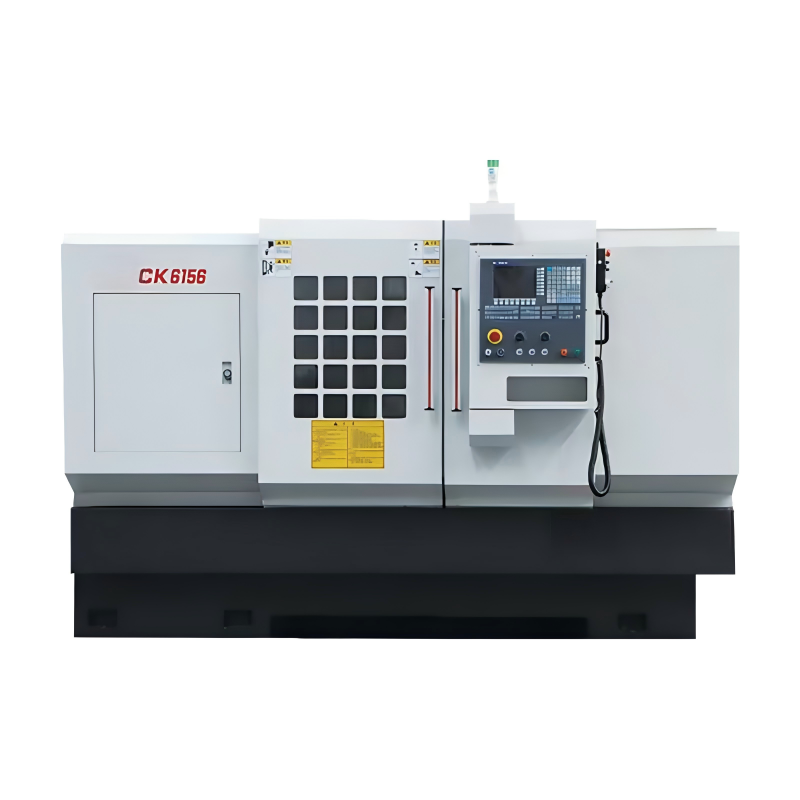
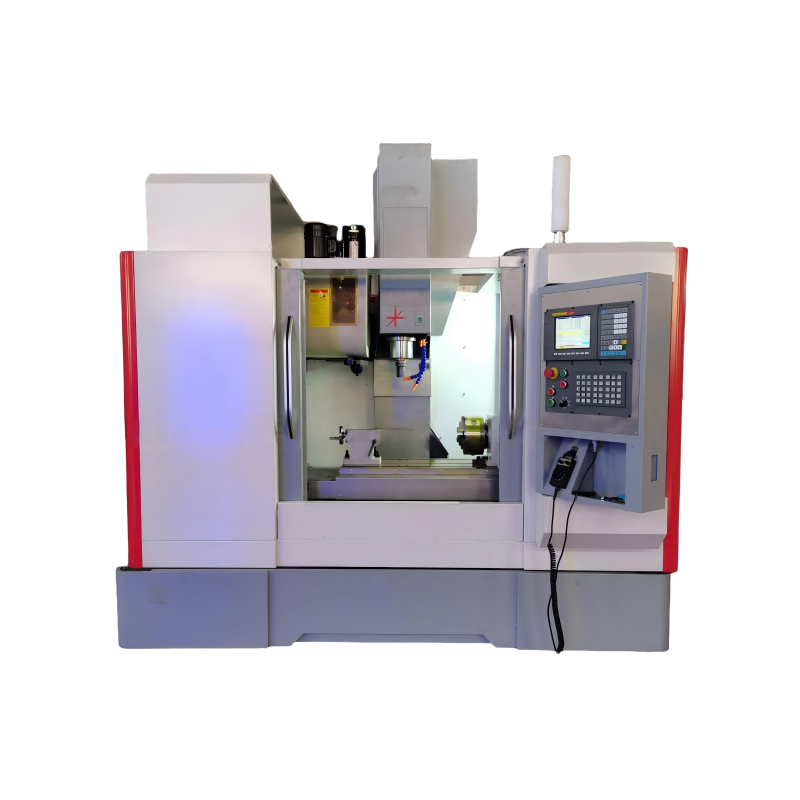
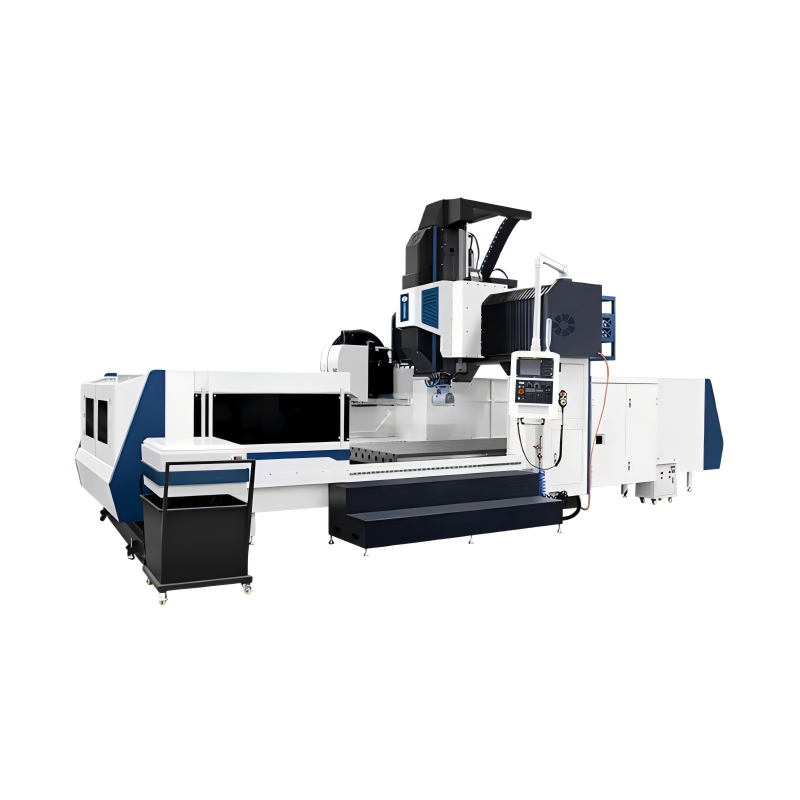
In the realm of Vertical Machining Centers (VMCs), the choice between a Box Way and Hard Way system can significantly impact the performance, longevity, and maintenance requirements of the machine. This comprehensive guide aims to provide VMC users with an in-depth understanding of Box Way systems, their advantages, and how they compare to other configurations.
A Box Way system is a type of linear motion guide that uses a rectangular or box-shaped guide rail and a matching sliding block. The sliding block, often referred to as a saddle, moves along the guide rail, providing support and guidance for the moving parts of the machine. Box Way systems are known for their robustness and ability to handle heavy loads, making them a popular choice in VMC applications where precision and stability are critical.
The Box Way system's design allows for a larger contact area between the guide rail and the sliding block compared to other types of linear guides, such as ball screws or roller ways. This increased contact area provides better load distribution, resulting in reduced wear and tear over time. Additionally, Box Way systems are less prone to deflection under high loads, which is crucial for maintaining accuracy during machining operations.
One of the primary advantages of using a Box Way system in a VMC is its exceptional rigidity. The rigid structure of the Box Way system ensures that the machine maintains its alignment and accuracy even under the most demanding cutting conditions. This rigidity is particularly beneficial in applications where the VMC is subjected to high forces, such as heavy milling or deep drilling.
Another significant advantage is the durability of Box Way systems. Due to the large contact area and the use of high-quality materials, Box Way systems can withstand the rigors of continuous operation without degrading. This durability translates into longer service life and lower maintenance costs, making Box Way systems a cost-effective solution in the long run.
Furthermore, Box Way systems offer excellent damping characteristics. The solid contact between the guide rail and the sliding block helps to absorb vibrations, resulting in smoother and more stable machining operations. This is especially important in precision machining, where even the slightest vibration can affect the quality of the finished part.
Proper maintenance is key to ensuring the longevity and optimal performance of a Box Way system. Regular lubrication is essential to reduce friction and prevent wear. Most Box Way systems are designed with integrated lubrication channels, making it easier to apply the necessary lubricant. It is also important to regularly inspect the system for any signs of wear or damage and to replace worn components promptly.
One of the challenges with Box Way systems is that they can be more difficult to adjust and maintain compared to other types of linear guides. However, this is offset by their superior performance and durability. With proper care and regular maintenance, a Box Way system can provide years of reliable service, making it a worthwhile investment for VMC users who prioritize precision and stability.
In conclusion, the Box Way system offers a robust and durable solution for VMC applications. Its ability to handle heavy loads, maintain accuracy, and dampen vibrations makes it an ideal choice for demanding machining tasks. While it may require more maintenance than some alternatives, the benefits in terms of performance and longevity make it a preferred option for many VMC users.
 27/06/2026
In the ever-evolving landscape of manufacturing and machining, the Vertical Machining Center (VMC) has become a cornerstone of precision and efficiency. The debate between Box Way and Hard Way VMC technologies is a significant one, as it directly impacts
Read More27/06/2026In the realm of vertical machining centers (VMC), the selection of the right way system plays a crucial role in achieving optimal results. This report explores the advantages and considerations when employing box way systems, often compared to the hard wa
Read More27/06/2026In the realm of machining, the choice between a Box Way and a Hard Way VMC (Vertical Machining Center) can significantly impact the efficiency, precision, and longevity of the equipment. This technical report delves into the advantages of employing a Hard
Read More26/06/2026In the realm of manufacturing and machining, the Vertical Machining Center (VMC) stands as a pillar of precision and efficiency. Among the many components that contribute to its robustness, the Box Way or Hard Way VMC design plays a crucial role in ensuri
Read More26/06/2026In the field of manufacturing, Vertical Machining Centers (VMCs) play a critical role in producing precision components. One of the key considerations when selecting a VMC is the type of way system it employs, with two prominent options being Box Way and
Read More26/06/2026In the realm of machining, Vertical Machining Centers (VMCs) stand out as versatile and efficient tools for a wide range of manufacturing processes. One of the key components that significantly impacts the performance of VMCs is the linear motion system.
Read More25/06/2026In the realm of precision engineering, Vertical Machining Centers (VMCs) play a crucial role in achieving high-accuracy manufacturing. Among the many components that contribute to the performance of VMCs, the Box Way system stands out as a critical elemen
Read More25/06/2026In the realm of advanced manufacturing, Vertical Machining Centers (VMCs) play a crucial role in delivering precision and efficiency. Among the various components that contribute to the robustness and reliability of VMCs, the Box Way or Hard Way system is
Read More25/06/2026In the realm of Vertical Machining Centers (VMCs), the method of guiding the movement of machine components is a critical aspect that influences the precision, efficiency, and longevity of the machinery. Among the various approaches, the Box Way system ha
Read More25/06/2026Understanding the nuances of different machine tool designs is crucial for any professional in the manufacturing industry. Among the various design philosophies, the Box Way and Hard Way VMC (Vertical Machining Center) approaches stand out as two distinct
Read More24/06/2026In the realm of manufacturing, precision and efficiency are paramount. One particular area that demands meticulous attention to detail is VMC (Vertical Machining Center) manufacturing. This report delves into the challenges associated with the "Hard Way"
Read More24/06/2026In the realm of machine tool design, the selection between a Box Way and a Hard Way VMC (Vertical Machining Center) is a critical decision that impacts not only the initial investment but also long-term operational efficiency, maintenance costs, and overa
Read More24/06/2026In the realm of manufacturing and machining, precision and stability are paramount. Vertical Machining Centers (VMCs) have become an integral part of modern manufacturing processes due to their versatility and efficiency. One critical component that signi
Read More24/06/2026The Evolution of VMC Technology: A Focus on Structural ComponentsIn the world of vertical machining centers (VMCs), the quest for precision, durability, and efficiency has driven significant advancements in design and technology. Two key structural compon
Read More23/06/2026Understanding the Core of Box Way Technology in VMCIn the realm of modern Vertical Machining Centers (VMC), the design and implementation of guide ways play a crucial role in determining the machine's performance, precision, and longevity. Among the vario
Read More23/06/2026Introduction to Box Way Systems in VMCIn the realm of Vertical Machining Centers (VMCs), the choice between different guiding systems can significantly impact the performance and longevity of the machine. Among these, the Box Way system stands out for its
Read More23/06/2026When it comes to selecting the right way for your Vertical Machining Center (VMC), understanding the differences between Box Way and Hard Way is crucial. These two systems represent different approaches to the machine's movement, each with its own set of
Read More23/06/2026In the realm of modern Vertical Machining Centers (VMCs), the choice between box way and hard way systems significantly impacts machine performance, longevity, and overall efficiency. This report delves into the advantages of box way systems in VMC techno
Read MoreOur professional sales team is always ready to assist you.