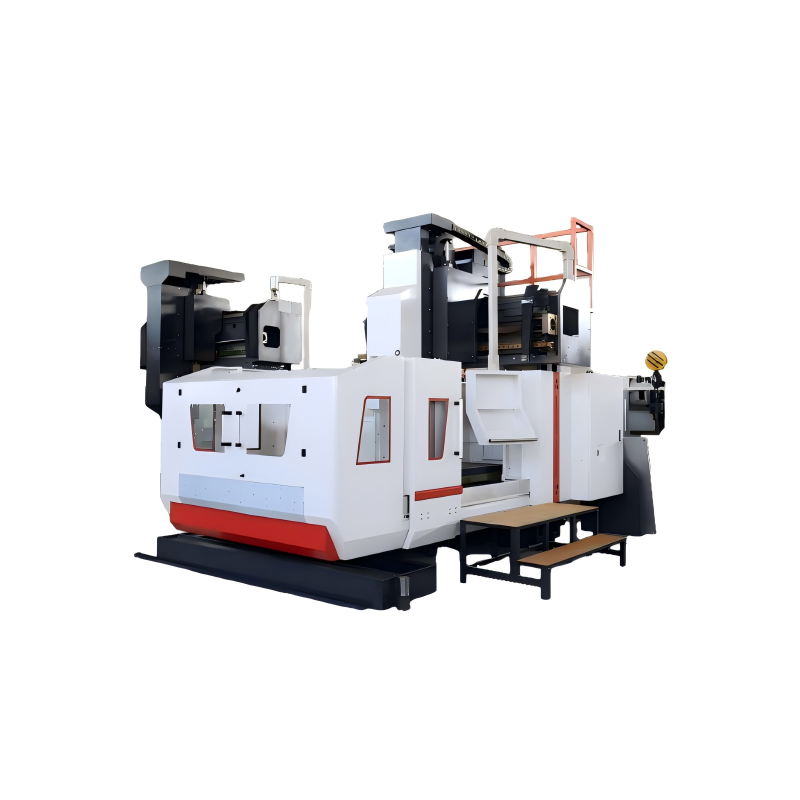
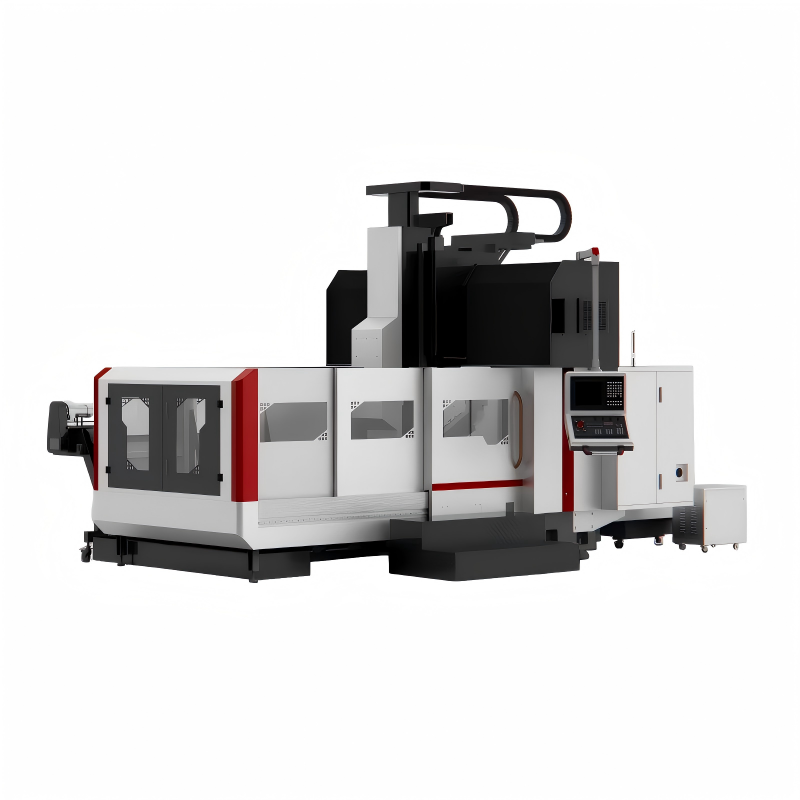
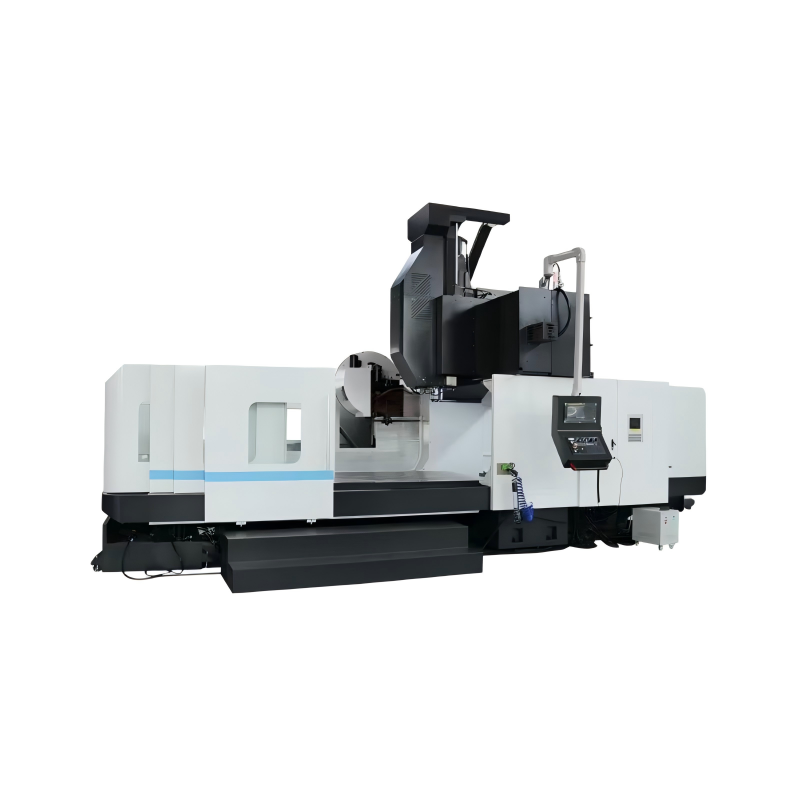
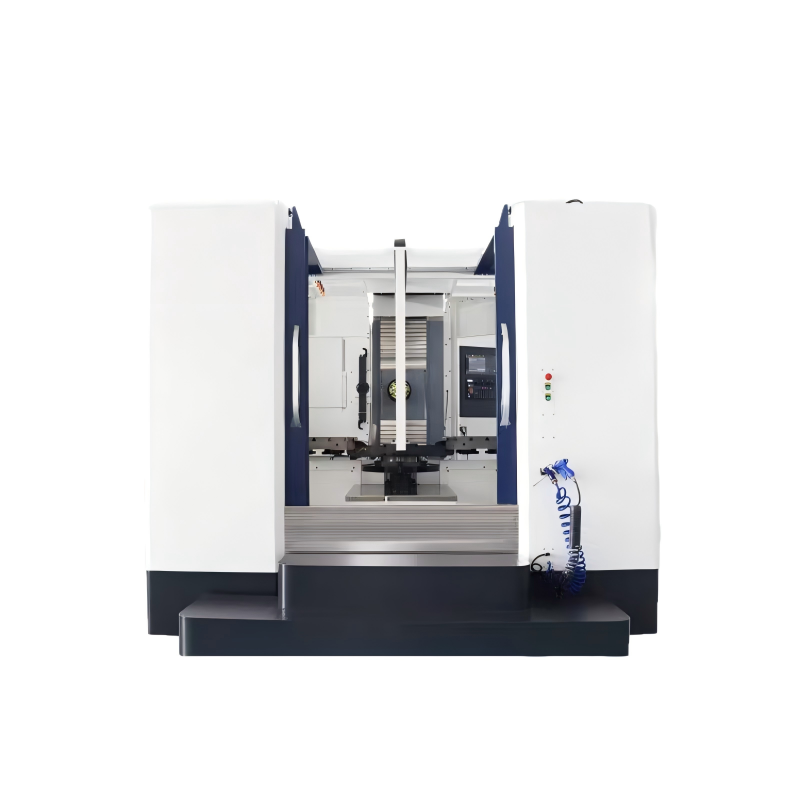
Machining Centers, as versatile and efficient tools in modern manufacturing, play a crucial role in the production of precision components. Proper maintenance and care are essential to ensure their optimal performance, longevity, and safety. This comprehensive overview delves into the key aspects of machining center maintenance and care, providing practical insights and best practices. The article will cover three main areas: the importance of regular maintenance, preventive measures for common issues, and advanced techniques for extending machine life. Each section will be broken down into three sub-sections, offering detailed guidance on specific maintenance tasks, troubleshooting, and optimization strategies. By following these recommendations, operators and maintenance personnel can maximize the uptime and efficiency of their machining centers, ultimately contributing to higher productivity and cost savings.
Regular maintenance is the foundation of reliable machining center operation. It involves a series of routine checks and tasks that help identify and address potential issues before they escalate into major problems. One of the primary benefits of regular maintenance is the reduction of unexpected downtime. By adhering to a scheduled maintenance plan, operators can prevent sudden failures and ensure that the machining center operates smoothly and consistently. Key tasks include inspecting and replacing worn parts, lubricating moving components, and checking for signs of wear and tear.
Another critical aspect of regular maintenance is its role in extending the lifespan of the machining center. Over time, components such as bearings, belts, and seals can degrade, leading to decreased performance and increased risk of failure. Regular inspections and timely replacements of these parts can significantly prolong the machine's operational life. Additionally, proper lubrication and cleaning are essential to prevent corrosion and reduce friction, which can cause premature wear. Implementing a proactive maintenance strategy not only extends the life of the equipment but also reduces the need for costly repairs and replacements.
Safety is a top priority in any manufacturing environment, and regular maintenance plays a vital role in ensuring a safe working condition. A well-maintained machining center is less likely to experience malfunctions that could lead to accidents or injuries. Regular inspections and maintenance tasks, such as checking electrical connections, verifying safety guards, and testing emergency stop systems, help to identify and mitigate potential hazards. Furthermore, adhering to a maintenance schedule ensures compliance with industry standards and regulations, reducing the risk of fines and legal liabilities.
Vibration is a common issue in machining centers that can affect both the quality of the workpiece and the overall performance of the machine. Excessive vibration can be caused by various factors, including misaligned components, worn bearings, and loose bolts. To prevent vibration, it is essential to regularly inspect and align the spindle, tool holder, and other critical components. Additionally, using high-quality cutting tools and maintaining proper tool clamping can help minimize vibration. Implementing vibration monitoring systems can provide real-time data, allowing for early detection and prompt corrective action.
Heat management is another critical aspect of machining center maintenance. High temperatures can cause thermal expansion, leading to dimensional inaccuracies and reduced tool life. Effective heat management involves several strategies, such as ensuring proper cooling and ventilation, using coolant and lubricant systems, and monitoring the temperature of the machine and its components. Regularly cleaning and maintaining the coolant system, including filters and nozzles, is crucial to prevent clogging and ensure optimal cooling. Additionally, implementing thermal compensation features in the machine's control system can help maintain accuracy even under varying thermal conditions.
Contamination and corrosion can severely impact the performance and longevity of a machining center. Dust, debris, and moisture can accumulate on critical components, leading to wear and malfunction. Preventing contamination involves maintaining a clean and controlled environment, using protective covers, and regularly cleaning the machine. Lubrication is also essential to protect against corrosion, as it forms a barrier between metal surfaces and environmental elements. Applying rust inhibitors and using high-quality lubricants can further enhance protection. Regular inspections and cleaning routines should be part of the maintenance plan to keep the machining center in optimal condition.
Predictive maintenance is an advanced approach that uses data and analytics to predict and prevent equipment failures. By leveraging sensors, IoT devices, and machine learning algorithms, predictive maintenance can detect early signs of wear and potential issues before they become critical. This technology enables operators to perform maintenance tasks at the most opportune times, reducing unnecessary downtime and optimizing resource allocation. Implementing predictive maintenance requires an initial investment in hardware and software, but the long-term benefits in terms of increased uptime and reduced maintenance costs make it a worthwhile investment.
Upgrading and retrofitting existing components can significantly extend the life and improve the performance of a machining center. As technology advances, newer and more efficient components become available, offering improved capabilities and reliability. Upgrades can include installing new control systems, drives, and motors, as well as incorporating advanced features such as automatic tool changers and enhanced monitoring systems. Retrofitting can also involve replacing outdated or worn-out parts with modern, high-performance alternatives. These upgrades not only enhance the machine's functionality but also increase its overall efficiency and productivity.
Effective maintenance and care of a machining center rely heavily on the skills and knowledge of the maintenance personnel. Providing ongoing training and development opportunities is essential to ensure that staff members are up-to-date with the latest maintenance techniques and technologies. Training programs can cover a wide range of topics, from basic maintenance procedures to advanced diagnostics and troubleshooting. Additionally, fostering a culture of continuous improvement and knowledge sharing can help maintenance teams stay ahead of potential issues and implement best practices. Well-trained and knowledgeable personnel are better equipped to handle complex maintenance tasks, leading to more efficient and effective maintenance operations.
 14/06/2026
In the realm of modern manufacturing, a Machining Center stands as an indispensable tool for enhancing productivity and precision. This technical report delves into the intricacies of utilizing a Machining Center effectively, offering valuable tips and tr
Read More14/06/2026In the ever-evolving landscape of manufacturing, machining centers have become indispensable tools for precision and efficiency. This technical report delves into the top trends in machining center design and functionality, highlighting advancements that
Read More10/06/2026In today's rapidly evolving industrial landscape, machining centers have become indispensable tools for manufacturing precision components across various sectors. This report delves into the multifaceted role of machining centers, exploring their impact o
Read More08/06/2026A high-performance machining center is an essential asset for any modern manufacturing facility, offering unparalleled precision, efficiency, and versatility. When selecting a machining center, it's crucial to consider several key features that will ensur
Read More07/06/2026In the realm of precision engineering, the advent of advanced machining centers has heralded a new era of efficiency and accuracy. These sophisticated machines, equipped with cutting-edge technology, have transformed the way industries approach manufactur
Read More06/06/2026In the realm of manufacturing, Machining Center technology has emerged as a cornerstone for precision and efficiency. This report delves into the multifaceted advantages and applications of modern machining centers, highlighting how these advanced machine
Read More05/06/2026Choosing the right Machining Center for your specific needs is a critical decision that can significantly impact the efficiency, quality, and cost-effectiveness of your manufacturing processes. This guide aims to provide you with a comprehensive understan
Read More04/06/2026In the ever-evolving landscape of manufacturing, Machining Center innovations are playing a pivotal role in shaping the future. These advanced machines, designed to perform multiple operations with high precision and efficiency, are not only improving pro
Read More04/06/2026In the rapidly evolving aerospace industry, machining centers have emerged as pivotal tools for advancing manufacturing processes. These advanced machines not only enhance productivity but also play a crucial role in maintaining the high standards of prec
Read More03/06/2026IntroductionIn the realm of modern manufacturing, machining centers play a pivotal role in transforming raw materials into finished products. These advanced machines are designed to perform multiple operations such as milling, drilling, and turning, all w
Read More02/06/2026In today’s competitive manufacturing environment, the quest for enhancing product quality while simultaneously reducing operational costs has become a critical success factor. The integration of state-of-the-art machining centers into production processes
Read More01/06/2026In the realm of modern manufacturing, the role of a machining center, especially those controlled by Computer Numerical Control (CNC) systems, has become increasingly prominent. These machines are not just tools; they represent a significant leap in techn
Read More31/05/2026IntroductionThe machining center, a cornerstone of modern manufacturing, has evolved significantly over the years. With advancements in technology, these machines have become more efficient, versatile, and capable of handling complex tasks. This report ai
Read More30/05/2026IntroductionThe machining industry is on the cusp of a transformative era, driven by advancements in Machining Center technology. As we look towards the future, it becomes increasingly clear that innovations in this field will not only enhance productivit
Read More29/05/2026IntroductionThe selection of the right machining center is a critical decision for any manufacturing operation, as it directly impacts productivity, efficiency, and overall profitability. A machining center, also known as a CNC (Computer Numerical Control
Read More28/05/2026The automotive industry, a cornerstone of modern manufacturing, is experiencing an unprecedented transformation driven by the integration of advanced technologies. Among these, machining centers are playing a pivotal role in revolutionizing production pro
Read More26/05/2026In the realm of precision manufacturing, the machining center stands as a cornerstone technology, offering unparalleled versatility and efficiency. This document explores how modern advancements in machining centers are revolutionizing the industry, focus
Read MoreOur professional sales team is always ready to assist you.