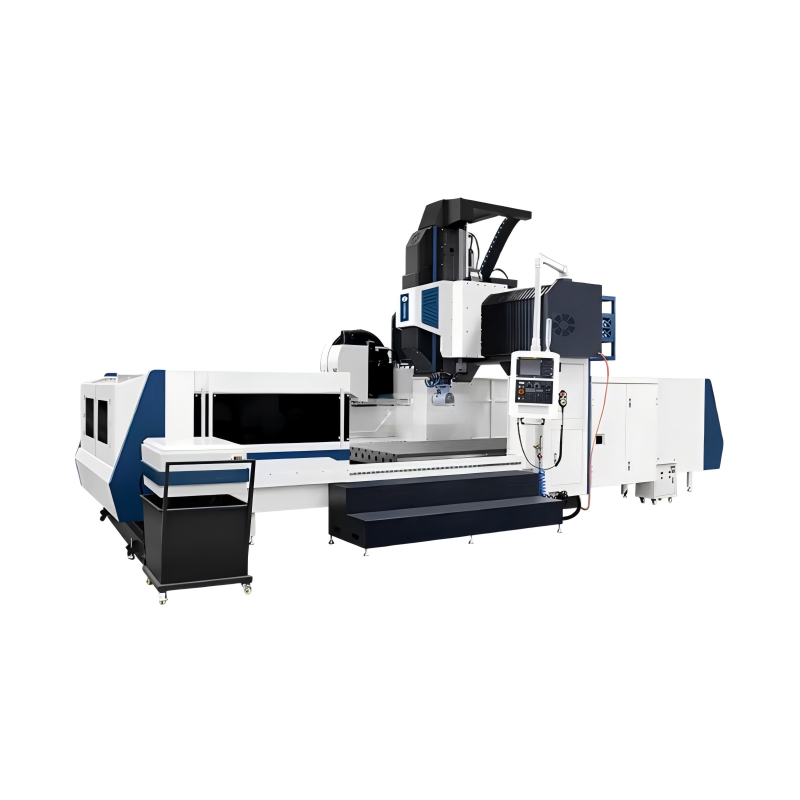
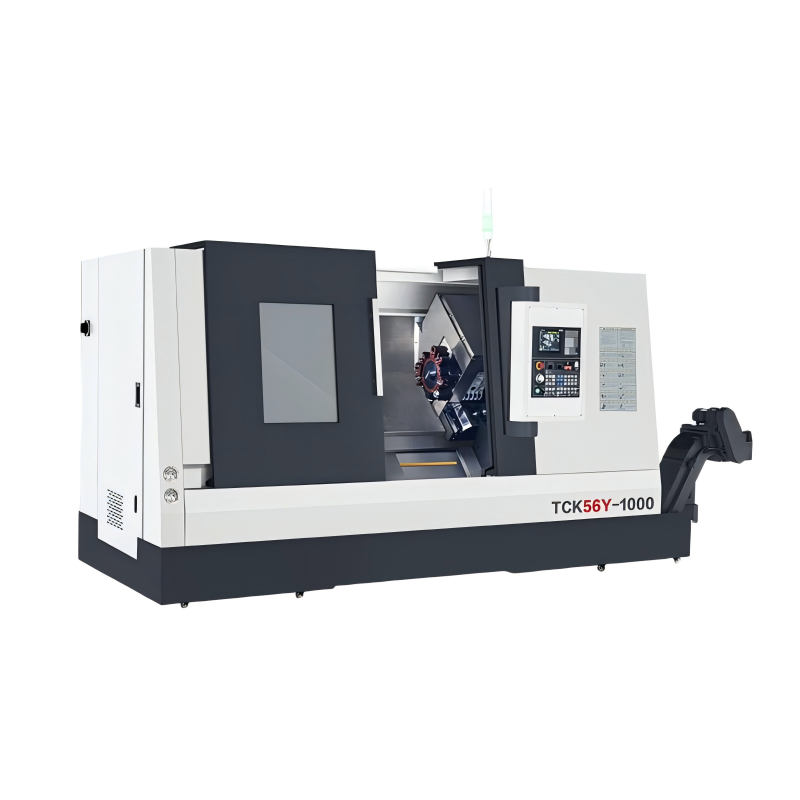
In the realm of precision manufacturing, the turning hard rail CNC lathe plays a crucial role due to its ability to produce high-accuracy parts. However, like any sophisticated machinery, it requires regular and meticulous maintenance to ensure optimal performance and longevity. This technical report aims to provide a comprehensive understanding of the maintenance requirements for a turning hard rail CNC Lathe, covering essential aspects such as lubrication, calibration, and preventive measures. By adhering to these guidelines, operators can significantly reduce downtime and extend the lifespan of their equipment.
Selecting the appropriate lubricant is critical for maintaining the smooth operation of a Turning Hard Rail CNC Lathe. The lubricant must be compatible with the materials used in the machine and should have the right viscosity to withstand the operating conditions. Regularly check the manufacturer's recommendations to ensure you are using the correct type of lubricant.
Establish a consistent lubrication schedule based on the machine's usage and the manufacturer’s guidelines. Over-lubrication can lead to excess grease buildup, while under-lubrication can cause wear and tear. A well-maintained lubrication schedule will help prevent both scenarios and keep the machine running smoothly.
Regular calibration is essential to maintain the accuracy of a turning hard rail CNC lathe. Use precision tools and follow the manufacturer’s instructions to perform these checks. Calibration should be done at least once every six months or more frequently if the machine is heavily used. Proper calibration ensures that the machine produces parts within the required tolerances.
Verify the alignment of the machine’s components regularly. Misalignment can lead to poor part quality and increased wear on the machine. Use laser alignment tools or other suitable methods to ensure that all axes and components are properly aligned. This step is particularly important after any major repairs or adjustments.
Conduct regular inspections to identify any signs of wear, damage, or contamination. Clean the machine thoroughly, paying special attention to areas where chips and debris can accumulate. This not only prevents potential issues but also keeps the machine in top condition. Establish a cleaning schedule and ensure that all operators are trained in proper cleaning procedures.
Replace worn or damaged components promptly to avoid further damage. Keep a stock of commonly replaced parts and follow the manufacturer’s recommendations for replacement intervals. Additionally, consider upgrading certain components to improve the machine’s performance and efficiency. Regularly updating the control software can also enhance the machine’s capabilities and reliability.
Provide comprehensive training programs for all operators to ensure they understand the proper use and maintenance of the turning hard rail CNC lathe. Training should cover topics such as machine operation, safety protocols, and basic troubleshooting. Well-trained operators are less likely to make mistakes that could lead to machine downtime or damage.
Maintain detailed logs of all maintenance activities, including lubrication, calibration, and component replacements. These records are invaluable for tracking the machine’s history and identifying patterns or recurring issues. Additionally, keep all manuals, service records, and other relevant documentation organized and easily accessible. This documentation can be crucial for future reference and for ensuring compliance with industry standards.
Identify common issues that may arise during the operation of a turning hard rail CNC lathe and develop a list of solutions. This list should include steps for addressing issues such as overheating, unusual noises, and unexpected shutdowns. Train operators to recognize these signs and take appropriate action to minimize downtime and prevent further damage.
Develop and implement clear emergency shutdown procedures. Ensure that all operators are familiar with these procedures and know how to safely shut down the machine in case of an emergency. Regularly review and update these procedures to account for any changes in the machine’s operation or new safety regulations. Prompt and effective emergency responses can prevent accidents and protect both the machine and the operators.
This HTML content provides a detailed and structured approach to understanding the maintenance requirements for a turning hard rail CNC lathe, covering key aspects such as lubrication, calibration, preventive maintenance, operator training, and troubleshooting. 14/06/2026
In the realm of modern manufacturing, the Turning Hard Rail CNC Lathe stands out as a critical piece of equipment for producing precision components. This article delves into the workflow from design to production, highlighting key processes and best prac
Read More14/06/2026The evolution of the turning hard rail CNC lathe industry is a testament to technological advancement, driven by increasing demands for precision, efficiency, and automation. This report delves into the future trends that are shaping this sector, focusing
Read More14/06/2026Understanding the Basics of a Turning Hard Rail CNC LatheA Turning Hard Rail CNC Lathe is a sophisticated piece of machinery designed for high-precision and efficient machining processes. It is widely used in various industries, including automotive, aero
Read More10/06/2026In today's competitive manufacturing landscape, maximizing the efficiency and output of a Turning Hard Rail CNC Lathe is crucial for businesses aiming to stay ahead. This technical report delves into the strategies and best practices that can significantl
Read More10/06/2026Introduction to Turning Hard Rail CNC Lathes The turning hard rail CNC lathe is a specialized machine tool designed for high-precision machining of cylindrical and conical surfaces. These machines are equipped with robust, rigid rails that provide the nec
Read More08/06/2026In the ever-evolving world of manufacturing, the turning hard rail CNC lathe stands out as a pivotal technology that continues to shape the future of machining. This report delves into the latest innovations in this field, highlighting how advancements ar
Read More08/06/2026Understanding the Basics of Turning Hard Rail CNC Lathes The journey from novice to expert in mastering the turning hard rail CNC lathe begins with a solid understanding of its fundamental principles. A CNC (Computer Numerical Control) lathe is an automat
Read More08/06/2026This technical report provides a detailed guide on operating a Turning Hard Rail CNC Lathe, covering essential aspects from basic machine setup to advanced programming techniques. It is designed for both beginners and experienced operators looking to enha
Read More08/06/2026When it comes to precision machining, a Turning Hard Rail CNC Lathe is an indispensable tool. This machine is designed for high-precision and high-efficiency turning operations, making it a preferred choice in many manufacturing settings. However, the per
Read More07/06/2026Turning hard rail CNC lathe machining represents a significant advancement in the field of precision engineering, offering unparalleled accuracy and efficiency. This report delves into advanced techniques that enhance the capabilities of turning hard rail
Read More07/06/2026Understanding the Importance of Regular Maintenance for Your Turning Hard Rail CNC Lathe Maintaining a turning hard rail CNC lathe is crucial for ensuring its longevity and optimal performance. Regular maintenance not only extends the machine's lifespan b
Read More07/06/2026In the realm of modern manufacturing, the integration of advanced technologies has significantly transformed traditional processes. One such innovation is the turning hard rail CNC lathe, a tool that exemplifies precision and versatility. This article del
Read More07/06/2026The maintenance of a Turning Hard Rail CNC Lathe is crucial for ensuring its longevity and maintaining high levels of precision and efficiency. Proper care not only extends the life of the machine but also reduces downtime, which can be costly in terms of
Read More06/06/2026The turning hard rail CNC lathe is a highly specialized piece of machinery that combines the precision and flexibility of computer numerical control (CNC) with the robustness of a hard rail system. This article delves into the mechanics behind such a lath
Read More06/06/2026With the advancement of manufacturing technology, the Turning Hard Rail CNC Lathe has become an indispensable tool for many industries. Its ability to produce high-precision parts efficiently makes it a preferred choice for manufacturers aiming to enhance
Read More06/06/2026In the realm of precision engineering, the Turning Hard Rail CNC Lathe stands out as a pivotal tool for achieving high-accuracy machining. This report delves into the capabilities and applications of this advanced machinery, exploring its role in modern m
Read More06/06/2026In the realm of precision machining, the Turning Hard Rail CNC Lathe stands out as a critical tool for producing high-accuracy components. This machine's ability to handle tough materials and maintain consistent performance makes it an indispensable asset
Read More05/06/2026The advent of the Turning Hard Rail CNC Lathe has revolutionized precision machining across various industries. This guide aims to provide a comprehensive understanding of operating such machinery, ensuring operators can achieve optimal performance and ma
Read More05/06/2026Turning Hard Rail CNC Lathe machines are essential in the modern manufacturing industry, offering unparalleled precision and efficiency. This report aims to explore how users can maximize the performance of their Turning Hard Rail CNC Lathes, focusing on
Read More05/06/2026In the realm of precision machining, the Turning Hard Rail CNC Lathe stands out as a versatile and robust solution for a wide range of applications. This technical report delves into the advantages and practical uses of this advanced machine tool, highlig
Read More05/06/2026Introduction to Turning Hard Rail CNC Lathes The turning hard rail CNC lathe represents a significant advancement in the field of precision machining. This type of machine is designed with a robust, rigid structure that enhances its ability to handle high
Read More04/06/2026In the realm of precision machining, the Turning Hard Rail CNC Lathe stands out as a remarkable tool, capable of producing intricate and accurate parts with unparalleled efficiency. This article delves into the intricacies of using a Turning Hard Rail CNC
Read More04/06/2026Introduction to Turning Hard Rail CNC LatheThe turning hard rail CNC lathe represents a significant advancement in the field of precision machining, offering unparalleled accuracy and efficiency. This type of lathe is designed with a robust, stable struct
Read More04/06/2026In the realm of modern machining, the Turning Hard Rail CNC Lathe has emerged as a transformative technology, offering unparalleled precision, efficiency, and versatility. This technical report delves into the capabilities and potential applications of th
Read More04/06/2026In the realm of precision machining, CNC lathes play a pivotal role in producing high-quality components. The performance and accuracy of these machines are significantly influenced by their design and construction. One critical aspect that enhances the p
Read More03/06/2026In the rapidly evolving landscape of manufacturing, the turning hard rail CNC lathe stands out as a pinnacle of precision and efficiency. This article delves into the advanced features that make modern turning hard rail CNC lathes indispensable in today's
Read More02/06/2026In the realm of precision machining, the Turning Hard Rail CNC Lathe stands out as a critical tool for achieving high accuracy and efficiency. This article delves into the techniques and best practices that can be employed to maximize the potential of a T
Read MoreOur professional sales team is always ready to assist you.