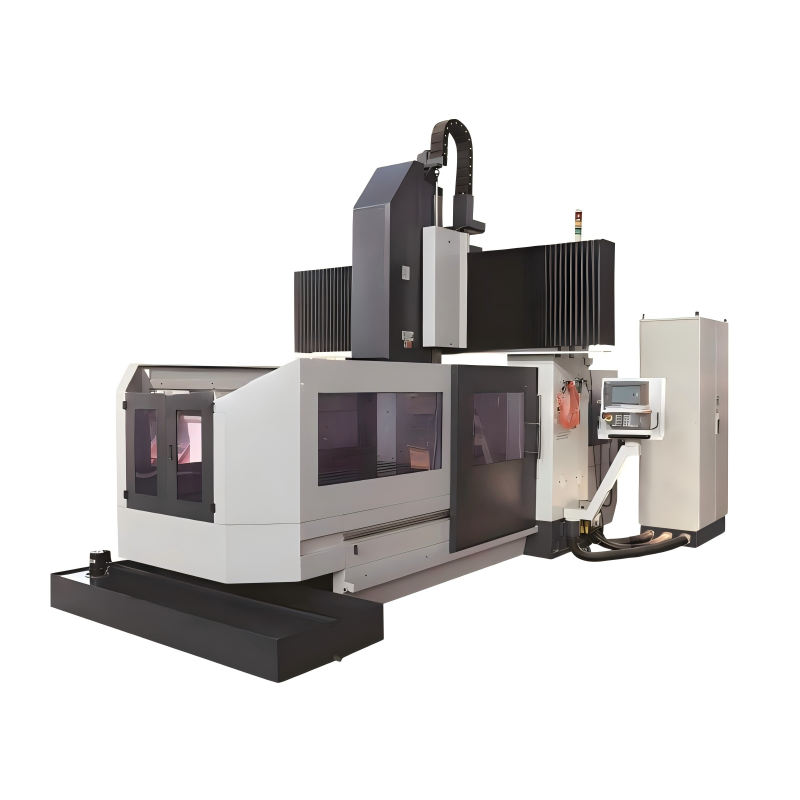
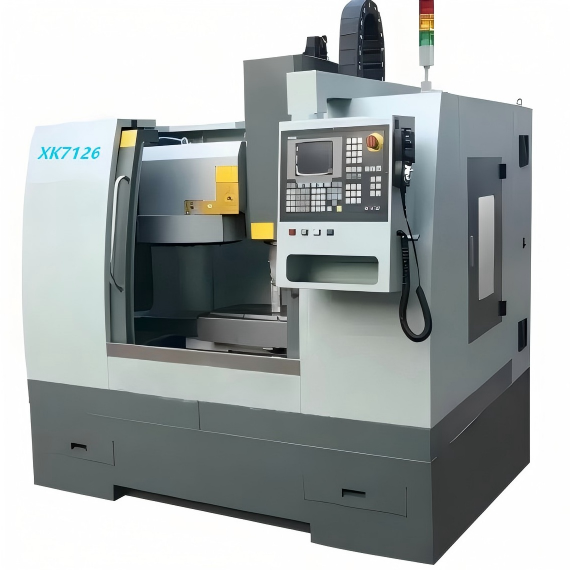
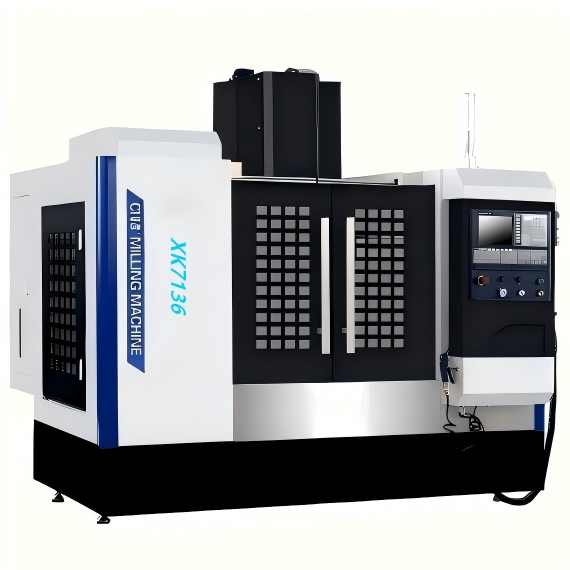
In the world of manufacturing, precision is not just a preference but a necessity. China precision lathe machines have become increasingly popular due to their ability to produce parts with high accuracy and consistency. These machines are essential for industries ranging from automotive to aerospace, where even the slightest deviation can lead to catastrophic failures. A precision lathe, specifically, is designed to cut, shape, or drill materials like metals, plastics, and wood with extreme accuracy. This section will delve into why choosing the right China precision lathe is crucial for achieving desired outcomes in machining processes.
The core of any successful machining operation lies in the quality of the tools used. When it comes to lathes, factors such as spindle speed, tooling options, and control systems play a significant role in determining the final product's quality. High-precision lathes from China offer a range of features that cater to various industry needs, ensuring that manufacturers can achieve tight tolerances and smooth finishes consistently. Understanding these elements is the first step towards selecting the best machine for your specific requirements.
When it comes to selecting the best China precision lathe, several key features should be considered. One of the most important aspects is the machine’s accuracy. High-precision lathes typically boast an accuracy within 0.001 inches, which is critical for applications requiring extremely fine details. Additionally, the rigidity of the machine frame and its components is another factor that significantly impacts performance. A sturdy build ensures minimal vibration during operation, leading to better surface finishes and longer tool life.
Another feature to evaluate is the lathe’s automation capabilities. Many modern China precision lathes come equipped with CNC (Computer Numerical Control) systems, allowing for precise and repeatable operations. CNC Lathes can execute complex cutting patterns and perform multiple operations without human intervention, increasing efficiency and reducing errors. Moreover, the ease of use and programming flexibility of the control system are also important considerations. An intuitive interface and robust software support can greatly enhance the user experience and productivity.
Lastly, the availability of accessories and tooling options should not be overlooked. A versatile lathe that supports a wide range of tools and accessories allows for greater flexibility in production. This includes live centers, chucks, collets, and other specialized attachments that can expand the machine's capabilities. By carefully evaluating these key features, you can ensure that the chosen China precision lathe meets your specific needs and enhances your overall machining process.
Once you have identified the key features that are important for your machining needs, the next step is to compare different models and manufacturers. The market for China precision lathes is vast, with numerous brands offering a variety of options. To make an informed decision, it is essential to conduct thorough research and consider factors such as reputation, customer reviews, and after-sales support.
One way to start your comparison is by looking at the specifications and technical data provided by the manufacturers. Pay close attention to the maximum turning diameter, length, and the types of materials the lathe can handle. These specifications will help you determine if the machine is suitable for your specific applications. Additionally, comparing the warranty and service agreements offered by different manufacturers can provide insight into the reliability and long-term support you can expect.
Another valuable resource is industry forums and online communities where users share their experiences and recommendations. Real-world feedback from other machinists who have used the same models can be invaluable in understanding the strengths and weaknesses of each machine. Furthermore, visiting trade shows and exhibitions can give you the opportunity to see the lathes in action and interact with representatives from the manufacturers. This hands-on experience can help you make a more informed decision and select the best China precision lathe for your needs.
While the initial cost of a China precision lathe is an important consideration, it is equally important to think about the long-term value and return on investment. High-quality lathes may come with a higher upfront cost, but they often offer better performance, durability, and lower maintenance costs over time. It is crucial to balance the purchase price with the expected operational costs and the potential increase in productivity and efficiency.
One way to assess the long-term value is to look at the total cost of ownership (TCO). This includes not only the purchase price but also the costs associated with installation, training, maintenance, and energy consumption. For example, a lathe with advanced energy-saving features may have a higher initial cost but can result in significant savings in the long run. Additionally, the availability and cost of spare parts and consumables should be considered, as these can add up over time.
Another aspect to consider is the potential for future upgrades and expansion. Some lathes are designed with modular components that can be easily upgraded or expanded as your business grows. This flexibility can extend the useful life of the machine and reduce the need for frequent replacements. By taking a holistic view of the costs and benefits, you can make a more strategic decision that aligns with your long-term goals and budget constraints.
To ensure that your China precision lathe operates at its best, regular maintenance and proper care are essential. A well-maintained machine not only performs better but also has a longer lifespan. One of the most critical aspects of maintenance is keeping the machine clean and free from debris. Regularly cleaning the work area, removing chips, and lubricating moving parts can prevent wear and tear and ensure smooth operation.
Another important aspect is following the manufacturer’s recommended maintenance schedule. This typically includes tasks such as checking and replacing filters, inspecting belts and pulleys, and calibrating the machine. Adhering to these guidelines can help identify and address potential issues before they become major problems. Additionally, training operators on the proper use and maintenance of the lathe is crucial. Well-trained staff can operate the machine more efficiently and safely, reducing the risk of accidents and downtime.
Finally, investing in a comprehensive maintenance plan or service contract can provide additional peace of mind. Many manufacturers offer extended warranties and service packages that include regular inspections, repairs, and replacement of worn parts. This can be particularly beneficial for businesses that rely heavily on their lathes and cannot afford extended periods of downtime. By prioritizing maintenance and following best practices, you can ensure that your China precision lathe continues to deliver high-quality results for years to come.
Selecting the best China precision lathe for your business requires careful consideration of multiple factors, including the machine’s features, cost, and long-term value. By understanding the importance of precision in machining, evaluating key features, comparing different models and manufacturers, and considering the long-term costs and maintenance, you can make an informed decision that aligns with your specific needs and goals. Remember, the right lathe can significantly enhance your production capabilities, improve product quality, and ultimately contribute to the success of your business.
 05/06/2026
China, a leading global manufacturer of industrial machinery, has significantly contributed to the advancement of precision engineering through its high-quality China precision lathe products. These lathes are not only cost-effective but also highly relia
Read More05/06/2026China precision lathe technology, particularly in the realm of Computer Numerical Control (CNC) lathes, has been rapidly advancing and transforming the global manufacturing landscape. This technical report delves into how CNC lathe machines from China are
Read More05/06/2026As the global manufacturing landscape continues to evolve, China has emerged as a key player in the precision machining industry, with its CNC lathe machines gaining recognition for their advanced features and competitive pricing. This report explores the
Read More05/06/2026With the rapid advancement of manufacturing technology, vertical machine centers have become indispensable in transforming industrial production. This report delves into how these machines, along with precision tools like China precision lathe, are revolu
Read More04/06/2026The Evolution of China Precision Lathe in the Global MarketOver the past few decades, China precision lathe has emerged as a formidable force in the global machining industry. This transformation is not just a story of rapid industrialization but also one
Read More03/06/2026In the realm of modern manufacturing, precision is not just a preference but an absolute necessity. The advent and evolution of China precision lathe technologies have significantly contributed to this quest for perfection, enhancing industrial efficiency
Read More02/06/2026In the realm of modern manufacturing, precision is not just a desirable trait but an absolute necessity. This has led to the rise in popularity and demand for high-quality machinery such as the China precision lathe. These machines are known for their abi
Read More02/06/2026In the realm of modern manufacturing, the role of CNC lathe machine China has become increasingly significant. This article delves into the advantages that these machines bring to the table, highlighting their impact on productivity, precision, and overal
Read MoreOur professional sales team is always ready to assist you.