Introduction to CNC Milling Machines
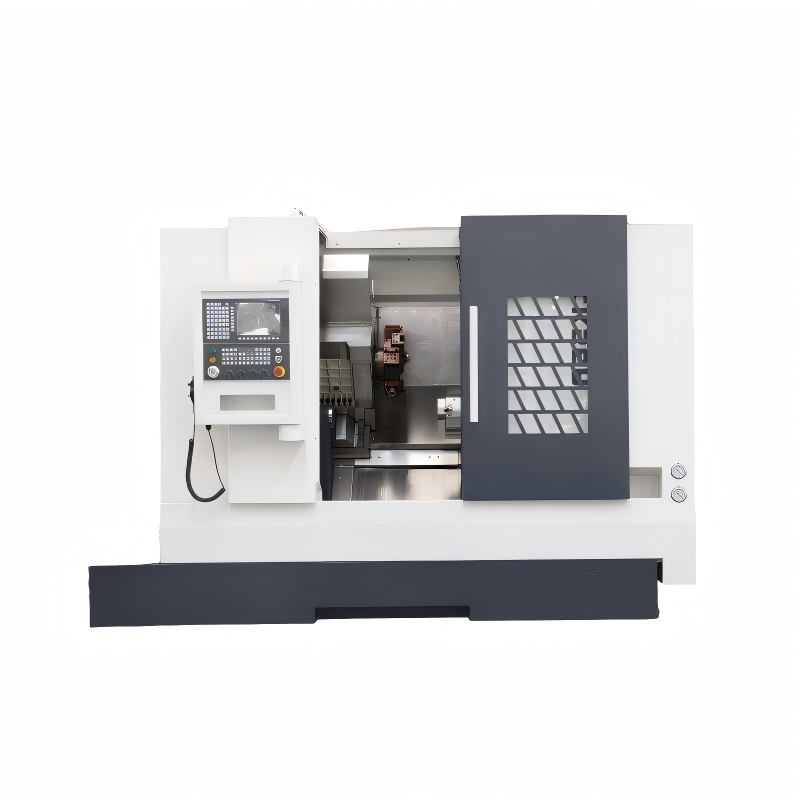
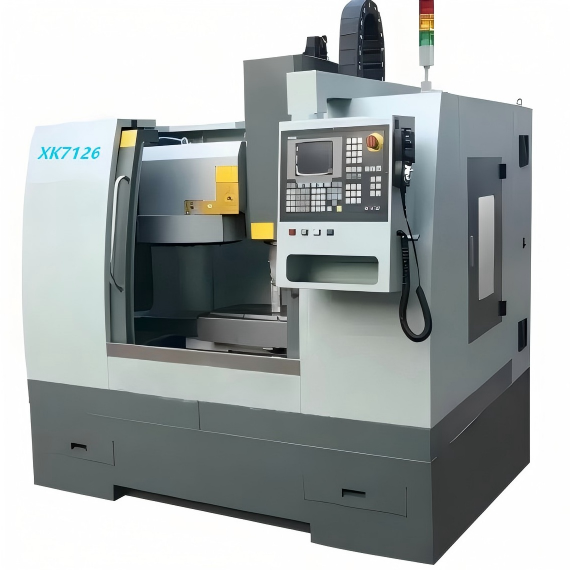
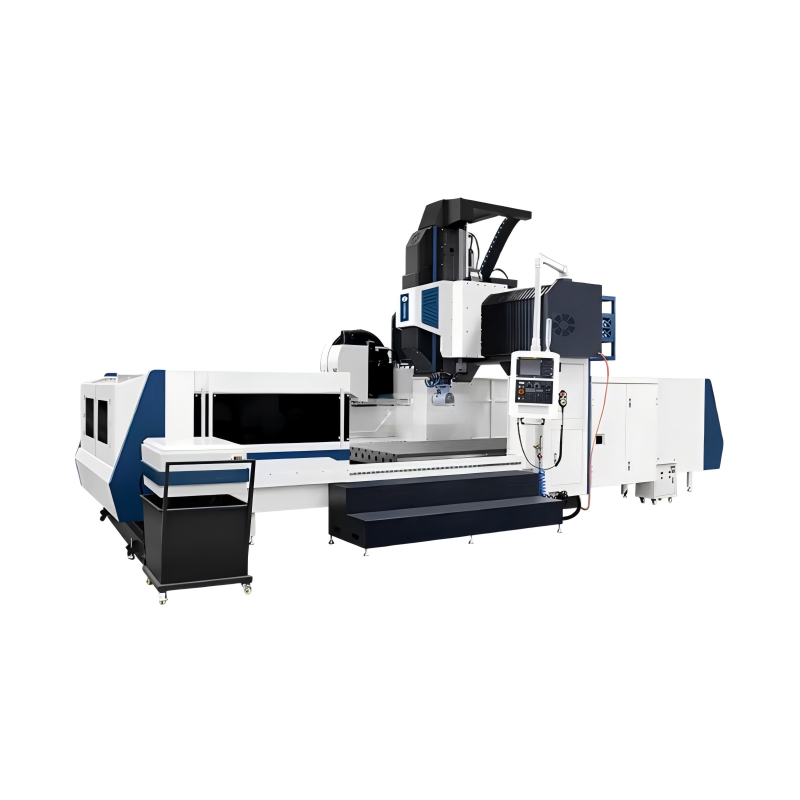
CNC milling machines are a cornerstone of modern manufacturing, providing precision and efficiency in the production of parts. A key component of these systems, particularly for larger workpieces, is the gantry. The CNC Milling Machine Gantry plays a crucial role in determining the machine's capability and performance. This guide aims to provide a comprehensive overview on selecting the right CNC milling machine, with particular emphasis on understanding the importance of the gantry design.
Before delving into the specifics of gantries, it’s essential to have a solid grasp of what makes up a CNC milling machine and its basic operations. These machines use computerized controls to move and maneuver tools to perform precise cuts on materials. They come in various sizes and configurations, each suited for different types of tasks and industries.
Automation is at the heart of every CNC milling operation. It allows for consistent, repeatable processes that can significantly increase productivity while reducing human error. By programming specific instructions, operators can control the movement of the cutting tool along multiple axes, ensuring high accuracy and intricate detailing.
CNC milling machines are versatile enough to handle a wide range of materials, including metals (such as aluminum, steel, and titanium), plastics, and composites. Each material requires specific considerations regarding cutting speeds, tool selection, and coolant usage, which must be accounted for during the machining process.
The gantry, or bridge, is a critical structural element of many CNC milling machines, especially those designed for large-scale operations. Its primary function is to support the spindle and other moving components, allowing them to traverse over the workpiece. An effective gantry ensures stability, rigidity, and smooth motion, all of which contribute to the overall quality of the machined part.
A robust gantry design is fundamental for maintaining the structural integrity of the machine. High-quality materials and construction techniques are necessary to prevent deformation under load, which could otherwise lead to inaccuracies in the finished product. Additionally, a stable gantry minimizes vibrations, contributing to smoother, more accurate cuts.
Precision in CNC milling heavily relies on the ability of the gantry to accurately position the cutting tool. Linear guides, ball screws, and servo motors are common components used to achieve this level of control. Advanced gantry designs incorporate features such as backlash elimination and thermal compensation, further enhancing the machine's ability to produce highly detailed and precise parts.
Choosing the right CNC milling machine involves evaluating several factors, from the size of the workspace to the complexity of the intended projects. The gantry is just one aspect, albeit a significant one, among many others that need careful consideration.
The dimensions of the workspace, defined by the travel limits of the X, Y, and Z axes, dictate the maximum size of the workpieces that can be processed. For applications requiring large parts, a machine with a spacious working envelope, supported by a strong and expansive gantry, is essential. Conversely, smaller machines may suffice for more compact projects, where space and cost savings are priorities.
The type and variety of tools available, as well as the power and speed of the spindle, greatly influence the machine's versatility and performance. A capable gantry should accommodate a wide range of tooling options and support high-speed spindles, enabling the execution of complex and demanding machining tasks. Moreover, the ease of tool change and the capacity for automatic tool changers (ATCs) are important features to look for.
Modern CNC milling machines often include advanced features and technologies that can significantly enhance their capabilities. These innovations not only improve the quality of the output but also streamline the machining process, making it more efficient and user-friendly.
While traditional 3-axis milling machines remain widely used, the advent of 4-, 5-, and even 6-axis machines has opened up new possibilities in part design and manufacturing. Multi-axis machines, supported by sophisticated gantry systems, allow for the machining of complex geometries and can reduce setup times by minimizing the need for manual repositioning of the workpiece. This technology is particularly beneficial in aerospace, automotive, and medical device industries, where intricate and precise parts are required.
Effective software integration is another key feature that sets apart top-tier CNC milling machines. Modern machines often come with user-friendly interfaces and powerful CAD/CAM software, which facilitate the creation and modification of part programs. Additionally, automation features such as automatic tool measurement, in-process inspection, and adaptive machining can further enhance the machine's efficiency and reliability. A well-designed gantry is crucial in supporting these advanced functionalities, ensuring that the machine can handle the increased complexity and precision required.
Selecting the right CNC milling machine is a critical decision that can significantly impact the success of your manufacturing operations. The CNC Milling Machine Gantry is a vital component that affects the machine's stability, precision, and overall performance. By carefully considering the factors discussed in this guide, you can make an informed choice that aligns with your specific needs and budget. Whether you are looking to upgrade your existing machinery or invest in a new system, prioritizing a well-designed and robust gantry will help ensure that your CNC milling machine delivers the highest quality results for years to come.
 04/06/2026
Introduction to Gantry-Based CNC MillingIn the rapidly evolving landscape of modern manufacturing, CNC milling machine gantry systems have emerged as a pivotal technology, capable of meeting the increasingly complex demands of various industries. These sy
Read More03/06/2026Introduction to Advanced CNC Milling Machines In the realm of modern manufacturing, the role of Computer Numerical Control (CNC) milling machines has become increasingly significant. These advanced systems, including those with a robust CNC Milling Machin
Read More02/06/2026IntroductionThe advent of CNC (Computer Numerical Control) milling machines has revolutionized the manufacturing industry, enabling high precision and efficiency in the production process. Among the various components that contribute to the performance of
Read More01/06/2026Introduction to CNC Milling Machine InnovationsThe field of Computer Numerical Control (CNC) milling machines has seen a significant evolution over the past few decades. This technology, which is fundamental to modern manufacturing, continues to push boun
Read More31/05/2026Introduction to Gantry Design in CNC Milling In the realm of precision manufacturing, CNC (Computer Numerical Control) milling machines play a crucial role. A key component that significantly influences the efficiency and accuracy of these machines is the
Read More29/05/2026Introduction to Gantry Systems in CNC Milling In the world of precision machining, the CNC milling machine gantry plays a pivotal role in determining the accuracy, stability, and overall performance of the machining process. This article delves into the e
Read More28/05/2026IntroductionThe integration of CNC (Computer Numerical Control) milling machines into modern manufacturing processes has revolutionized the way complex projects are approached. These sophisticated devices, particularly those equipped with gantry systems,
Read MoreOur professional sales team is always ready to assist you.