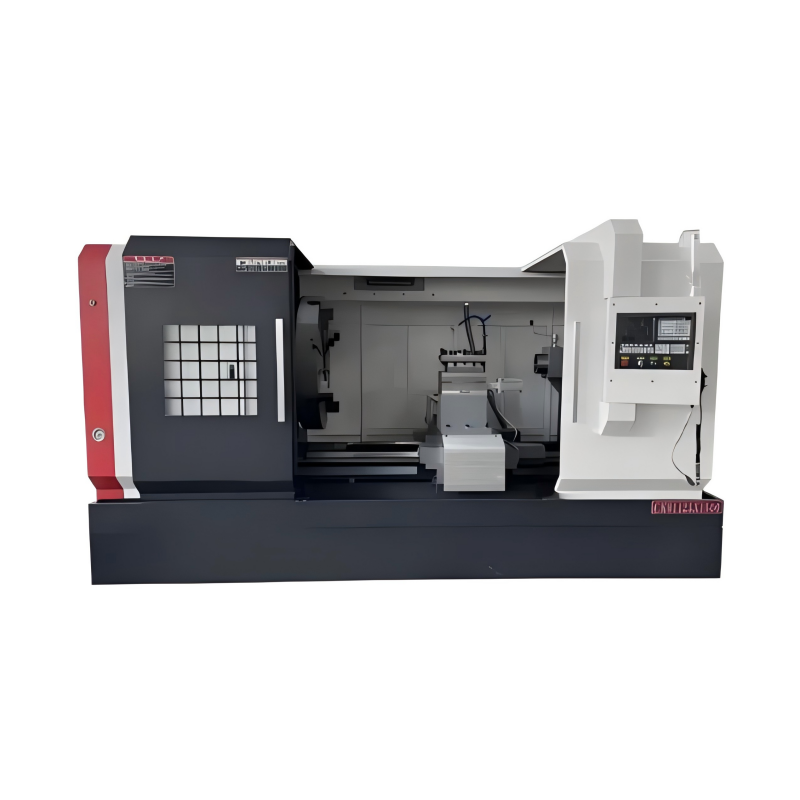
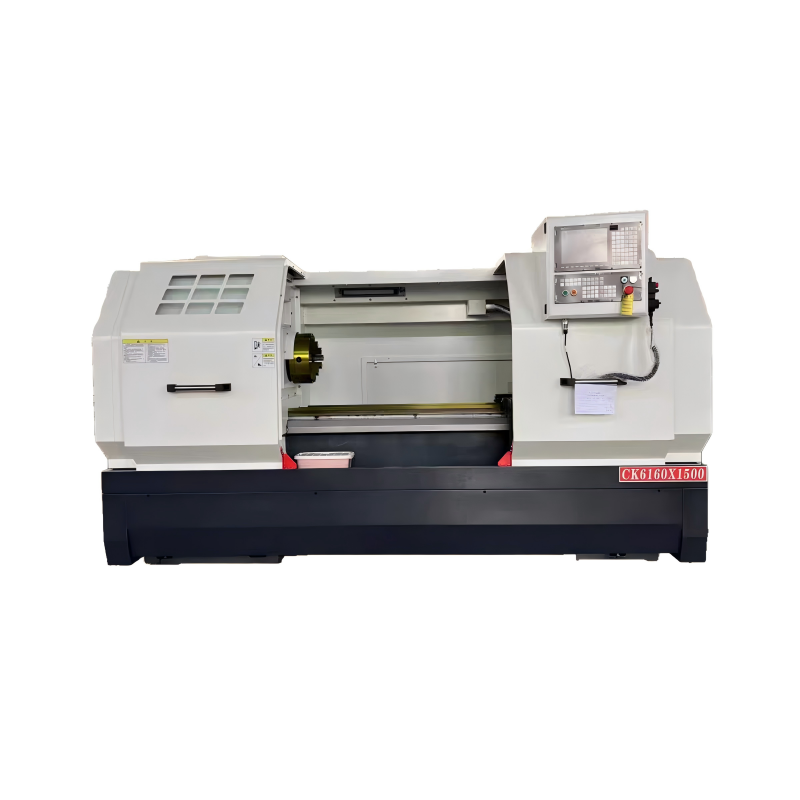
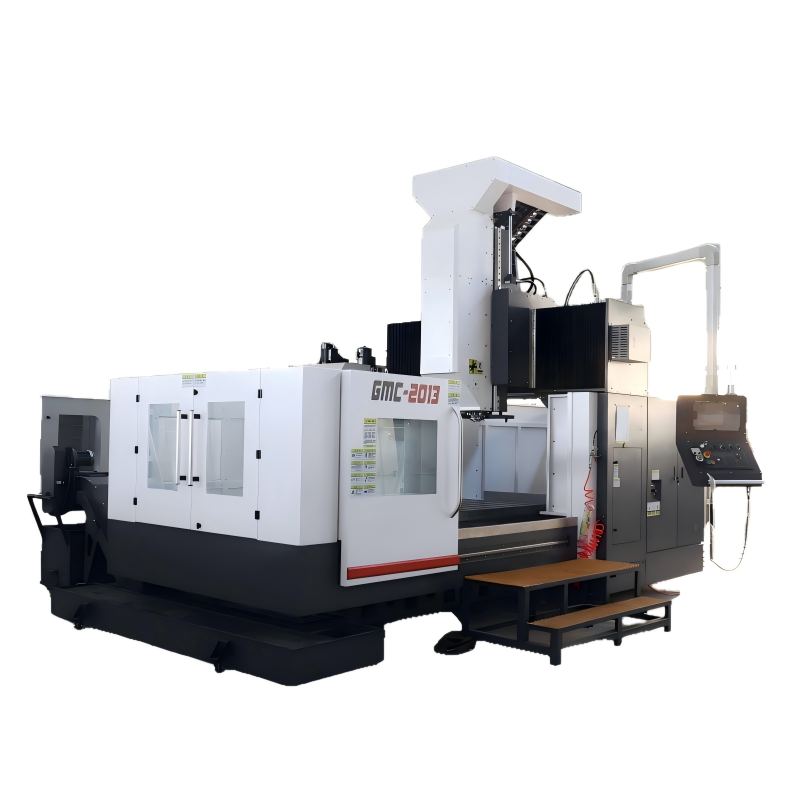
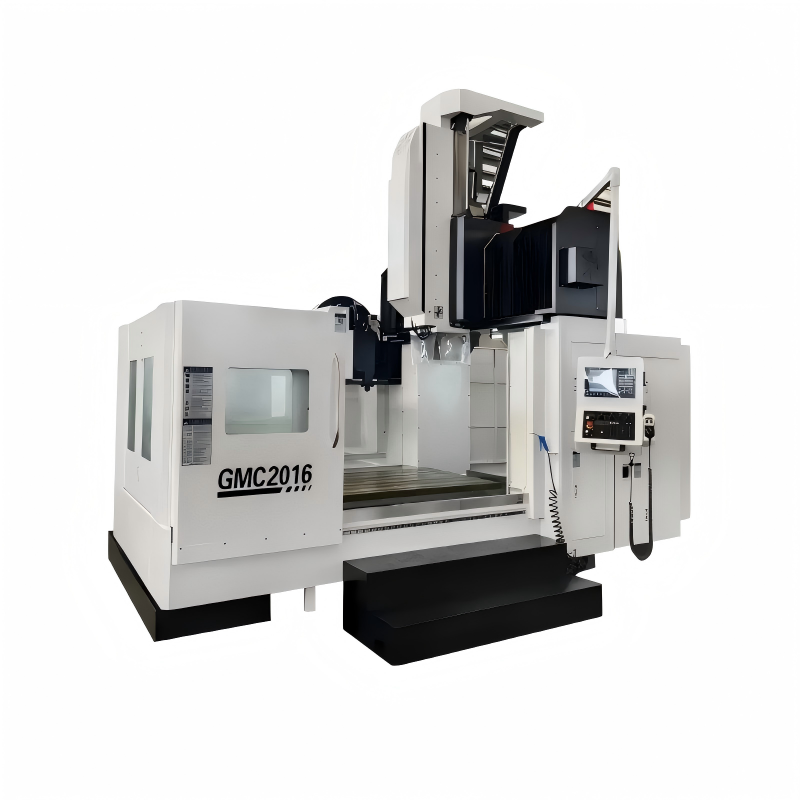
When it comes to selecting the right pipe thread lathe, one must consider a variety of factors that go beyond just the machine's ability to cut threads. The selection process should be approached with a comprehensive understanding of not only the lathe itself but also how it integrates into your production line. This guide will explore key considerations such as the type of material you are working with, the precision and speed required for your operations, and even the space available in your workshop. Additionally, we'll delve into the importance of choosing between manual and CNC (Computer Numerical Control) lathes, especially when considering advanced features like those found in a CNC Milling Machine Gantry, which can significantly impact the efficiency and accuracy of your threading tasks.
The first step in choosing the right pipe thread lathe is to identify the types of materials you will be working with. Different materials have varying hardness, which directly impacts the cutting tools and techniques needed. For instance, softer metals like copper or aluminum require different tooling compared to harder materials such as stainless steel or titanium. Understanding these differences is crucial for ensuring that the lathe can handle the material without excessive wear on the machine or producing subpar results.
Beyond material compatibility, it’s essential to define the specific thread specifications required for your application. Factors such as pitch, diameter, and thread form (e.g., NPT, BSP) play a significant role in determining the suitability of a lathe. A lathe designed for fine threads may not be optimal for coarse threads, and vice versa. Therefore, having a clear understanding of your threading needs will help narrow down the options and ensure that the selected lathe meets all necessary requirements.
For many applications, particularly in industries such as aerospace, automotive, and medical, precision is paramount. The level of precision offered by a lathe can vary widely, and this is where CNC Lathes often excel. CNC lathes, including those equipped with a CNC Milling Machine Gantry, offer unparalleled control over the cutting process, allowing for extremely tight tolerances. When evaluating lathes, look at the manufacturer’s specifications regarding repeatability and accuracy, as well as any additional features that might enhance precision, such as automatic tool changers or advanced software controls.
While precision is critical, so too is the speed at which the lathe can produce parts. High-speed lathes can significantly increase productivity, making them ideal for high-volume production environments. However, it’s important to balance speed with quality. Some lathes may sacrifice precision for speed, which could lead to issues if the parts do not meet the required standards. Consider the trade-offs between speed and precision, and choose a lathe that offers the best combination for your specific needs. Additionally, features like quick-change tooling and automated loading/unloading systems can further enhance efficiency.
One often overlooked factor in lathe selection is the physical space available in the workshop. Lathes come in various sizes, and it’s crucial to ensure that the machine fits comfortably within the designated area. Measure the available floor space, taking into account clearance for operators, maintenance, and any other equipment that may be in the vicinity. Also, consider the height of the ceiling, as some lathes, especially those with gantry systems, may require additional vertical clearance. Proper planning will prevent logistical issues and ensure a smooth installation process.
Another important consideration is how the new lathe will integrate with your existing production line. If you already have a CNC milling machine gantry or other automated systems, it’s beneficial to choose a lathe that can seamlessly communicate and work alongside these machines. This integration can streamline the manufacturing process, reduce downtime, and improve overall efficiency. Look for lathes that support common communication protocols such as Ethernet, RS-232, or proprietary systems used by your current equipment.
Manual lathes are often favored for their simplicity and lower cost. They are ideal for small-scale operations, prototyping, and custom jobs where the operator has more control over the cutting process. Manual lathes are also less complex to maintain and operate, making them a good choice for workshops with limited technical expertise. Additionally, they can be more flexible in handling a wide range of materials and thread types, as the operator can make real-time adjustments based on the material’s response.
CNC lathes, on the other hand, offer a higher degree of automation and precision. They are particularly advantageous for high-volume production, where consistency and repeatability are crucial. CNC lathes can run unattended for long periods, reducing labor costs and increasing productivity. Advanced features like multi-axis machining, live tooling, and integrated gantry systems (such as those found in a CNC Milling Machine Gantry) enable complex and intricate threading operations. Furthermore, CNC lathes can store and recall multiple programs, making it easy to switch between different jobs without the need for retooling.
The initial cost of a lathe is a significant factor in the selection process. Manual lathes generally have a lower upfront cost compared to CNC lathes, which can be quite expensive due to their advanced features and technology. However, it’s important to consider the total cost of ownership, including maintenance, tooling, and operational expenses. In some cases, the higher initial investment in a CNC lathe can be offset by increased productivity and reduced labor costs over time. Carefully evaluate your budget and long-term financial goals to determine the most cost-effective option.
While the initial cost is a critical factor, it’s equally important to consider the potential long-term savings. CNC lathes, for example, can offer significant savings in terms of labor, as they require fewer operators and can run for extended periods without human intervention. Additionally, the precision and consistency of CNC lathes can reduce scrap rates and rework, leading to lower material costs. Over time, these savings can add up, making the higher initial investment more justifiable. It’s also worth considering the potential for increased revenue from improved product quality and faster turnaround times.
Proper maintenance is essential for ensuring the longevity and performance of your lathe. Regular maintenance tasks include cleaning, lubrication, and inspection of components such as bearings, belts, and gears. For CNC lathes, software updates and calibration may also be necessary to maintain optimal performance. It’s important to follow the manufacturer’s recommended maintenance schedule and procedures to avoid costly repairs and downtime. Additionally, keeping a log of maintenance activities can help track the condition of the machine and identify potential issues before they become major problems.
When selecting a lathe, it’s crucial to consider the level of support provided by the vendor. A reputable manufacturer should offer comprehensive training, technical support, and a warranty that covers both parts and labor. This support can be invaluable, especially if you encounter issues or need assistance with setup and operation. Additionally, a strong vendor relationship can provide access to spare parts, upgrades, and ongoing service, ensuring that your lathe remains in top condition throughout its lifecycle. Evaluate the vendor’s reputation, customer reviews, and support offerings to make an informed decision.
 08/06/2026
Transforming a workshop into a high-efficiency, precision-driven environment often requires the integration of advanced machinery. One such piece of equipment that stands out is the CNC Milling Machine Gantry. This industrial gantry router unit is designe
Read More07/06/2026The evolution of threading technology, especially in the realm of CNC (Computer Numerical Control) machinery, has opened up new possibilities for precision and efficiency. This report delves into the capabilities of the CNC Pipe Thread Lathe, a machine th
Read More06/06/2026In the realm of precision engineering, the CNC milling machine stands as a testament to human ingenuity and technological advancement. Central to its operation and efficiency is the gantry, an integral component that supports the movement and positioning
Read More04/06/2026Introduction to Gantry-Based CNC MillingIn the rapidly evolving landscape of modern manufacturing, CNC milling machine gantry systems have emerged as a pivotal technology, capable of meeting the increasingly complex demands of various industries. These sy
Read More03/06/2026Introduction to Advanced CNC Milling Machines In the realm of modern manufacturing, the role of Computer Numerical Control (CNC) milling machines has become increasingly significant. These advanced systems, including those with a robust CNC Milling Machin
Read More02/06/2026IntroductionThe advent of CNC (Computer Numerical Control) milling machines has revolutionized the manufacturing industry, enabling high precision and efficiency in the production process. Among the various components that contribute to the performance of
Read More01/06/2026Introduction to CNC Milling Machine InnovationsThe field of Computer Numerical Control (CNC) milling machines has seen a significant evolution over the past few decades. This technology, which is fundamental to modern manufacturing, continues to push boun
Read More31/05/2026Introduction to Gantry Design in CNC Milling In the realm of precision manufacturing, CNC (Computer Numerical Control) milling machines play a crucial role. A key component that significantly influences the efficiency and accuracy of these machines is the
Read More30/05/2026Introduction to CNC Milling MachinesCNC milling machines are a cornerstone of modern manufacturing, providing precision and efficiency in the production of parts. A key component of these systems, particularly for larger workpieces, is the gantry. The CNC
Read More29/05/2026Introduction to Gantry Systems in CNC Milling In the world of precision machining, the CNC milling machine gantry plays a pivotal role in determining the accuracy, stability, and overall performance of the machining process. This article delves into the e
Read More28/05/2026IntroductionThe integration of CNC (Computer Numerical Control) milling machines into modern manufacturing processes has revolutionized the way complex projects are approached. These sophisticated devices, particularly those equipped with gantry systems,
Read MoreOur professional sales team is always ready to assist you.