Introduction
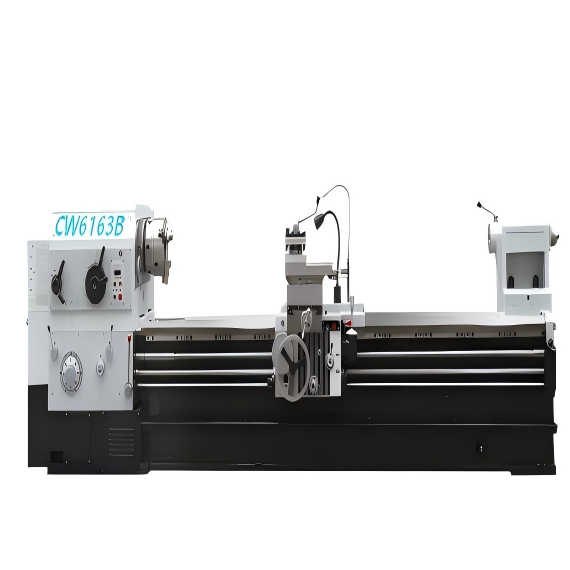
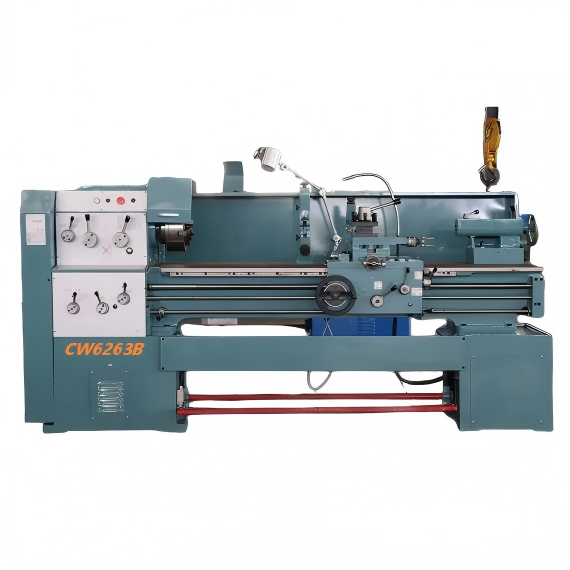
The Horizontal Lathe Machine is an essential tool in the manufacturing industry, known for its ability to produce highly precise components. This equipment, through its unique design and operational principles, offers manufacturers a reliable solution for achieving high precision in their machining processes. In this technical report, we will explore how a Horizontal Lathe Machine can be utilized to achieve superior levels of accuracy and efficiency. We will discuss the key features that contribute to its high-precision capabilities, as well as best practices for maximizing performance. Additionally, we will examine case studies where the application of such machines has significantly improved product quality and production workflows.
To fully appreciate why the Horizontal Lathe Machine stands out in terms of precision, it's important to first understand the fundamental design elements that make it so effective. The horizontal orientation of the spindle allows for better stability and control over the workpiece, which is crucial when aiming for high-accuracy machining. Unlike vertical lathes, where gravity may introduce slight variations or inaccuracies, the horizontal setup minimizes these effects, ensuring more consistent results. Moreover, the robust construction of the machine, including heavy-duty beds and ways, provides a solid foundation that further enhances its capability to maintain tight tolerances during operation.
Modern Horizontal Lathe Machines are equipped with several advanced features designed specifically to enhance their precision capabilities. One such feature is the use of CNC (Computer Numerical Control) technology, which allows for automated and highly accurate control over the machining process. With CNC, operators can program specific cutting paths and parameters, leading to reduced human error and increased repeatability. Another critical aspect is the incorporation of high-precision bearings and drive systems, which ensure smooth and controlled movement of the cutting tools. These systems minimize vibrations and backlash, both of which can negatively impact the final product's dimensional accuracy. Additionally, some models come with automatic tool changers, allowing for quick and seamless switching between different operations without compromising on precision.
While the inherent design and technological advancements of a Horizontal Lathe Machine provide a strong basis for achieving high precision, there are also several best practices that operators should follow to optimize performance. Regular maintenance and calibration of the machine are paramount; even the slightest misalignment or wear can lead to significant deviations in the finished parts. It's recommended to establish a routine inspection schedule and adhere strictly to the manufacturer’s guidelines regarding lubrication, adjustments, and part replacements. Furthermore, using high-quality cutting tools and maintaining them properly can greatly affect the outcome. Tools must be kept sharp and free from damage, as dull or chipped edges can cause rough finishes and inaccurate dimensions. Lastly, proper workholding techniques play a vital role. Ensuring that the workpiece is securely clamped and centered reduces the risk of slippage or deflection, thereby maintaining the desired level of precision throughout the machining process.
To illustrate the effectiveness of a Horizontal Lathe Machine in real-world scenarios, let's consider a few case studies. In one instance, a company specializing in aerospace components was able to significantly reduce scrap rates by implementing a state-of-the-art horizontal lathe. Thanks to the machine's ability to consistently hold tight tolerances, they were not only able to improve the quality of their products but also streamline their production line, resulting in substantial cost savings. Another example comes from the automotive sector, where a manufacturer used a horizontal lathe to produce engine components. By leveraging the machine's precision capabilities, they achieved a higher degree of uniformity across all parts, enhancing overall vehicle performance and reliability. These examples underscore the value of investing in high-precision machinery like the Horizontal Lathe Machine, demonstrating how it can positively impact various aspects of manufacturing, from product quality to operational efficiency.
In conclusion, the Horizontal Lathe Machine represents a powerful tool for any manufacturer committed to producing high-precision parts. Its design, combined with advanced features and adherence to best operational practices, enables users to achieve unparalleled levels of accuracy and consistency. As demonstrated through our discussion and case study analysis, embracing this technology can lead to significant improvements in product quality, production efficiency, and ultimately, business success. For those seeking to elevate their machining capabilities, the investment in a Horizontal Lathe Machine is undoubtedly worth considering.
 15/06/2026
Understanding the CW61 Series Universal Turning LatheThe CW61 series universal turning lathe is a robust and versatile machine, designed to meet the diverse needs of modern manufacturing. This section will provide an overview of its features, capabilities
Read More15/06/2026The role of conventional lathes, particularly the Horizontal Lathe Machine, in industrial production, especially for the machining of long shafts, is a subject of significant importance. This technical report aims to explore the various aspects and contri
Read More09/06/2026The evolution of machining technologies has led to significant advancements in the design and functionality of horizontal lathes. These machines, known for their precision and versatility, have become an indispensable part of manufacturing processes acros
Read More09/06/2026Understanding the Basics of Horizontal Lathe Machines A horizontal lathe machine is a fundamental tool in any workshop, used for shaping and machining metal, wood, or other materials. It operates by rotating the workpiece on its axis while a cutting tool
Read More09/06/2026In the realm of manufacturing, the efficiency and precision of machining processes are paramount. One of the most versatile and widely used machines in this field is the Horizontal Lathe Machine. These machines have been a cornerstone in the industry for
Read More09/06/2026Horizontal Lathe Machine technology has seen significant advancements over the past few years, with China emerging as a key player in the global market. This report delves into the top trends that are shaping the future of Horizontal Lathe Machines from C
Read More09/06/2026The advancements in manufacturing technology have led to significant improvements in the efficiency, precision, and versatility of machining processes. One such innovation that stands out is the Horizontal Lathe Machine, which has become a cornerstone in
Read More09/06/2026The Evolution of Horizontal Lathe Machines: A Technological JourneyHorizontal lathe machines have been a cornerstone in the manufacturing industry for over a century, but their capabilities and functionalities have evolved significantly. Originally design
Read More09/06/2026The evolution of manufacturing technologies has witnessed significant advancements, with the horizontal lathe machine standing out as a pivotal tool in modern production environments. This report delves into the advantages that make horizontal lathes indi
Read More05/06/2026In today's fast-paced manufacturing environment, the integration of advanced machinery like the Horizontal Lathe Machine and the Industrial Gantry Router Unit is crucial for optimizing production efficiency. This technical report delves into how an Indust
Read More05/06/2026Horizontal Lathe Machines, a cornerstone in the manufacturing industry, have seen significant advancements with the integration of Computer Numerical Control (CNC) technology. This report delves into the advanced features of CNC lathes that enhance produc
Read More05/06/2026Horizontal Lathe Machines are essential tools in the manufacturing industry, known for their precision and versatility. This report delves into advanced techniques that can be employed to maximize the efficiency of a Horizontal Lathe Machine. By optimizin
Read More05/06/2026In the realm of precision engineering, the Horizontal Lathe Machine plays a crucial role in achieving high-precision machining. This machine is designed to handle a wide range of materials and is capable of producing intricate and complex parts with excep
Read More05/06/2026In the realm of modern manufacturing, Horizontal Lathe Machines have emerged as a versatile and indispensable tool. These machines, designed to shape and cut materials with precision, are used across various industries, from automotive to aerospace. This
Read More04/06/2026This comprehensive guide aims to provide an in-depth understanding of operating a Horizontal Lathe Machine, which is essential for anyone involved in machining processes. From the basics of setting up and preparing the machine, through to executing variou
Read More04/06/2026Horizontal Lathe Machines, an essential tool in the manufacturing and machining industry, have been a cornerstone of precision engineering for decades. These machines are designed to shape metal or other rigid materials by rotating them against a cutting
Read More04/06/2026Choosing the right China lathe manufacturer for precision work, especially when it comes to a Horizontal Lathe Machine, is a critical decision that can significantly impact the quality and efficiency of your manufacturing processes. This technical report
Read More04/06/2026Horizontal lathe machines have become an indispensable part of modern manufacturing, playing a crucial role in the production of precision components. This report delves into the significance of horizontal lathe machines, exploring their versatility, effi
Read MoreOur professional sales team is always ready to assist you.