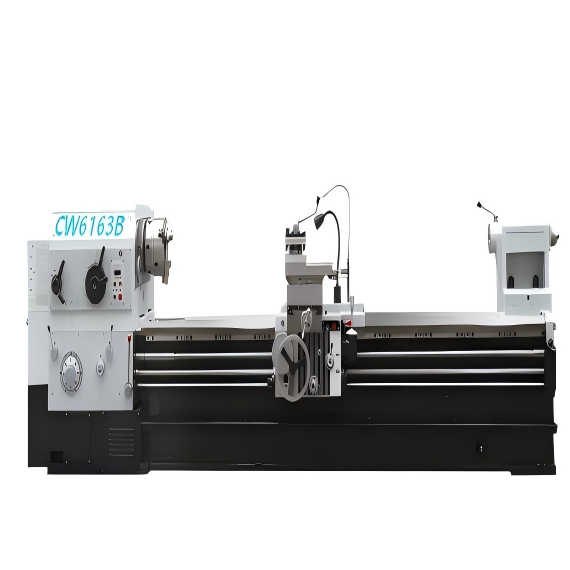
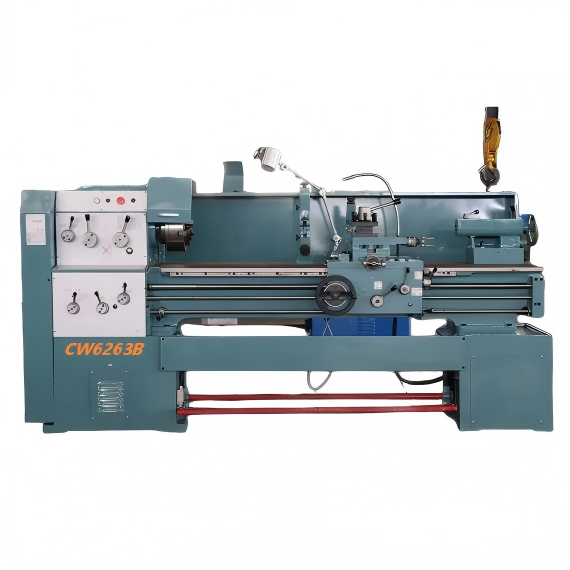
The role of conventional lathes, particularly the Horizontal Lathe Machine, in industrial production, especially for the machining of long shafts, is a subject of significant importance. This technical report aims to explore the various aspects and contributions of these machines in modern manufacturing processes.
One of the most critical advantages of using a Horizontal Lathe Machine for long shafts is its ability to provide high precision and versatility. These machines are designed with robust structures that can handle the length and weight of long shafts, ensuring stability during the machining process. The bed of a horizontal lathe is typically longer and more rigid, which is essential for maintaining accuracy over extended workpieces. Additionally, the machine's headstock and tailstock are engineered to support and rotate the shafts with minimal vibration, reducing the risk of errors and defects.
Moreover, the tooling systems in horizontal lathes are highly adaptable. They can be equipped with a variety of cutting tools, including turning, facing, threading, and drilling tools. This versatility allows for multiple operations to be performed on a single machine, reducing the need for part transfers and improving overall efficiency. The ability to perform complex operations with high precision makes the Horizontal Lathe Machine an indispensable tool in the production of long shafts.
Another key advantage of the Horizontal Lathe Machine is its cost-effectiveness, both in terms of initial investment and long-term maintenance. Compared to specialized CNC lathes, conventional horizontal lathes are often more affordable, making them a practical choice for small to medium-sized manufacturing facilities. The simplicity of their design also contributes to lower maintenance costs, as they have fewer moving parts and are less prone to mechanical failures.
Furthermore, the durability of horizontal lathes ensures a long service life. Many components, such as the bed, ways, and spindle, are made from high-quality materials that can withstand the rigors of continuous operation. Regular maintenance, such as lubrication and alignment checks, can further extend the lifespan of the machine. This reliability and longevity make the Horizontal Lathe Machine a cost-effective solution for the production of long shafts, providing a strong return on investment.
The adaptability of the Horizontal Lathe Machine to different materials and applications is another significant benefit. These machines can effectively handle a wide range of materials, including steel, aluminum, brass, and even some types of plastics. The ability to work with various materials is crucial in industries where long shafts are used, such as automotive, aerospace, and heavy machinery. Each material has its unique properties and machining requirements, and the Horizontal Lathe Machine can be adjusted to meet these needs.
For example, when machining long shafts made of steel, the machine can be set to use higher cutting speeds and feeds, while softer materials like aluminum may require slower speeds to prevent damage. The flexibility in adjusting parameters such as speed, feed rate, and depth of cut allows the Horizontal Lathe Machine to produce high-quality results across different materials. This adaptability is essential in meeting the diverse demands of industrial production.
While the Horizontal Lathe Machine offers many benefits, it is important to acknowledge the role of operator skill and training in achieving optimal performance. Skilled operators are essential for maximizing the capabilities of these machines. Proper training ensures that operators understand the machine's features, limitations, and best practices for machining long shafts. This knowledge enables them to make informed decisions about tool selection, setup, and operation, leading to better quality and more efficient production.
Training programs should cover topics such as machine setup, tooling, safety protocols, and troubleshooting. Experienced operators can also pass on their knowledge to new employees through mentorship, ensuring that the skills and expertise are preserved within the organization. By investing in operator training, manufacturers can ensure that their Horizontal Lathe Machines are used to their full potential, resulting in consistent and high-quality output.
Finally, the Horizontal Lathe Machine can be effectively integrated into modern manufacturing processes, enhancing overall productivity and efficiency. Many manufacturing facilities are adopting Industry 4.0 technologies, such as automation, data analytics, and the Internet of Things (IoT). While the Horizontal Lathe Machine is a conventional machine, it can still be integrated with these advanced systems to improve its performance and monitoring capabilities.
For instance, sensors can be installed to monitor the machine's condition, providing real-time data on factors such as temperature, vibration, and wear. This data can be analyzed to predict maintenance needs and optimize machine settings, reducing downtime and improving efficiency. Additionally, automated loading and unloading systems can be implemented to reduce manual labor and increase throughput. By combining the proven reliability of the Horizontal Lathe Machine with the latest technological advancements, manufacturers can achieve a balance between tradition and innovation, ensuring that their production processes remain competitive and efficient.
In conclusion, the Horizontal Lathe Machine plays a vital role in the industrial production of long shafts. Its precision, versatility, cost-effectiveness, adaptability, and integration capabilities make it an essential tool for manufacturers. By leveraging the strengths of this machine and investing in skilled operators, manufacturers can enhance their production processes and meet the demands of modern industry.
 15/06/2026
Understanding the CW61 Series Universal Turning LatheThe CW61 series universal turning lathe is a robust and versatile machine, designed to meet the diverse needs of modern manufacturing. This section will provide an overview of its features, capabilities
Read More15/06/2026IntroductionThe Horizontal Lathe Machine is an essential tool in the manufacturing industry, known for its ability to produce highly precise components. This equipment, through its unique design and operational principles, offers manufacturers a reliable
Read More09/06/2026The evolution of machining technologies has led to significant advancements in the design and functionality of horizontal lathes. These machines, known for their precision and versatility, have become an indispensable part of manufacturing processes acros
Read More09/06/2026Understanding the Basics of Horizontal Lathe Machines A horizontal lathe machine is a fundamental tool in any workshop, used for shaping and machining metal, wood, or other materials. It operates by rotating the workpiece on its axis while a cutting tool
Read More09/06/2026In the realm of manufacturing, the efficiency and precision of machining processes are paramount. One of the most versatile and widely used machines in this field is the Horizontal Lathe Machine. These machines have been a cornerstone in the industry for
Read More09/06/2026Horizontal Lathe Machine technology has seen significant advancements over the past few years, with China emerging as a key player in the global market. This report delves into the top trends that are shaping the future of Horizontal Lathe Machines from C
Read More09/06/2026The advancements in manufacturing technology have led to significant improvements in the efficiency, precision, and versatility of machining processes. One such innovation that stands out is the Horizontal Lathe Machine, which has become a cornerstone in
Read More09/06/2026The Evolution of Horizontal Lathe Machines: A Technological JourneyHorizontal lathe machines have been a cornerstone in the manufacturing industry for over a century, but their capabilities and functionalities have evolved significantly. Originally design
Read More09/06/2026The evolution of manufacturing technologies has witnessed significant advancements, with the horizontal lathe machine standing out as a pivotal tool in modern production environments. This report delves into the advantages that make horizontal lathes indi
Read More05/06/2026In today's fast-paced manufacturing environment, the integration of advanced machinery like the Horizontal Lathe Machine and the Industrial Gantry Router Unit is crucial for optimizing production efficiency. This technical report delves into how an Indust
Read More05/06/2026Horizontal Lathe Machines, a cornerstone in the manufacturing industry, have seen significant advancements with the integration of Computer Numerical Control (CNC) technology. This report delves into the advanced features of CNC lathes that enhance produc
Read More05/06/2026Horizontal Lathe Machines are essential tools in the manufacturing industry, known for their precision and versatility. This report delves into advanced techniques that can be employed to maximize the efficiency of a Horizontal Lathe Machine. By optimizin
Read More05/06/2026In the realm of precision engineering, the Horizontal Lathe Machine plays a crucial role in achieving high-precision machining. This machine is designed to handle a wide range of materials and is capable of producing intricate and complex parts with excep
Read More05/06/2026In the realm of modern manufacturing, Horizontal Lathe Machines have emerged as a versatile and indispensable tool. These machines, designed to shape and cut materials with precision, are used across various industries, from automotive to aerospace. This
Read More04/06/2026This comprehensive guide aims to provide an in-depth understanding of operating a Horizontal Lathe Machine, which is essential for anyone involved in machining processes. From the basics of setting up and preparing the machine, through to executing variou
Read More04/06/2026Horizontal Lathe Machines, an essential tool in the manufacturing and machining industry, have been a cornerstone of precision engineering for decades. These machines are designed to shape metal or other rigid materials by rotating them against a cutting
Read More04/06/2026Choosing the right China lathe manufacturer for precision work, especially when it comes to a Horizontal Lathe Machine, is a critical decision that can significantly impact the quality and efficiency of your manufacturing processes. This technical report
Read More04/06/2026Horizontal lathe machines have become an indispensable part of modern manufacturing, playing a crucial role in the production of precision components. This report delves into the significance of horizontal lathe machines, exploring their versatility, effi
Read MoreOur professional sales team is always ready to assist you.