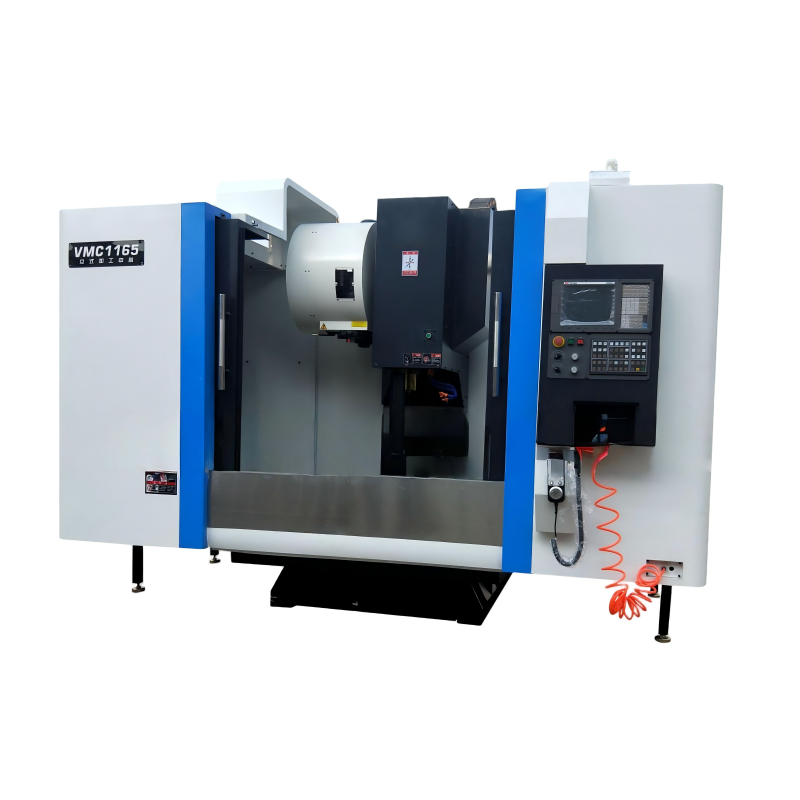
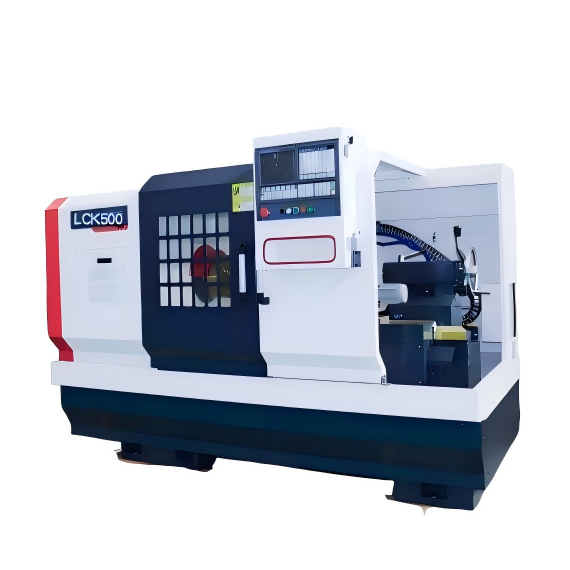
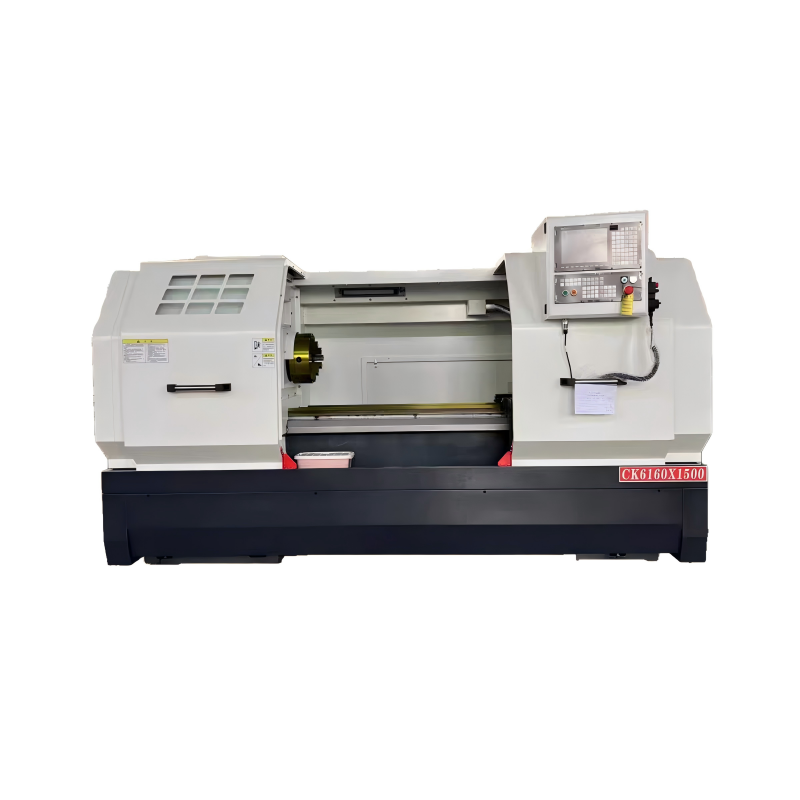
In the realm of modern manufacturing, precision and efficiency are key. CNC lathes with live tooling have emerged as a revolutionary technology, offering unparalleled capabilities for producing complex parts in a single setup. This report delves into advanced techniques for utilizing live tooling in CNC Lathes to achieve superior results. By exploring these techniques, manufacturers can enhance productivity, reduce cycle times, and improve part quality.
Live tooling refers to the ability of a CNC lathe to perform both turning and milling operations simultaneously. Unlike traditional lathes that only rotate the workpiece, CNC lathes with live tooling include rotating tools that can be used for milling, drilling, and other operations while the workpiece is held stationary. This capability significantly reduces the need for multiple setups and machines, leading to increased efficiency and accuracy. The integration of live tooling allows for the creation of more complex geometries and features, making it an essential tool in today's manufacturing landscape.
One of the critical aspects of utilizing live tooling in CNC lathes is the optimization of tool path strategies. Effective tool paths can minimize cutting time, reduce wear on the tools, and improve surface finish. To achieve this, manufacturers should consider the following:
By implementing these strategies, manufacturers can significantly enhance the performance of their CNC lathes with live tooling, leading to faster production cycles and higher quality parts.
Quality control is a crucial aspect of any manufacturing process. In-process inspection (IPI) is a technique that allows for real-time monitoring and adjustment during the machining process. When integrated with CNC lathes with live tooling, IPI can provide several benefits:
The implementation of in-process inspection in CNC lathes with live tooling is a powerful way to ensure that each part meets the highest standards of quality, thereby enhancing the overall reliability and reputation of the manufacturing process.
The choice of materials can significantly impact the performance and longevity of the tools used in CNC lathes with live tooling. Advanced materials, such as carbide and ceramic, offer superior wear resistance and thermal stability, making them ideal for high-speed and high-precision machining. Here are some key considerations when selecting materials for live tooling:
By leveraging advanced materials and optimizing tool design, manufacturers can achieve better results with their CNC lathes with live tooling, resulting in longer tool life, reduced downtime, and improved part quality.
CNC lathes with live tooling offer a versatile and efficient solution for modern manufacturing. By understanding the basics of live tooling, optimizing tool path strategies, implementing in-process inspection, and leveraging advanced materials, manufacturers can unlock the full potential of this technology. These advanced techniques not only enhance productivity and reduce cycle times but also ensure superior part quality, making CNC lathes with live tooling an indispensable tool in the manufacturing industry.
 30/06/2026
In the ever-evolving landscape of manufacturing, the integration of live tooling into CNC lathes has emerged as a pivotal advancement. This technology not only streamlines production processes but also significantly enhances the capabilities of modern mac
Read More30/06/2026Understanding the Capabilities of a CNC Lathe with Live ToolingA CNC lathe with live tooling is not just another piece of equipment in a modern machine shop; it represents a significant leap forward in machining technology, offering unparalleled flexibili
Read More30/06/2026In the ever-evolving landscape of manufacturing, the integration of advanced technologies has become a cornerstone for enhancing productivity and precision. One such technological advancement that stands out is the CNC Lathe with live tooling. This articl
Read More30/06/2026Introduction to CNC Lathe with Live ToolingThe introduction of CNC Lathe with live tooling has revolutionized the manufacturing industry by significantly improving both precision and efficiency. This advanced technology integrates milling, drilling, and t
Read More30/06/2026In the world of precision machining, the integration of live tooling into CNC lathes has become a pivotal development, enhancing not only the efficiency but also the versatility of these machines. This technical report explores how the incorporation of li
Read More30/06/2026The advent of advanced manufacturing technologies has revolutionized the way products are made, with CNC (Computer Numerical Control) lathes being at the forefront of this transformation. Among these, the CNC Lathe with live tooling stands out as a versat
Read More30/06/2026In the realm of precision machining, the integration of advanced technologies plays a crucial role in enhancing productivity and quality. One such technology that has revolutionized the manufacturing industry is the CNC Lathe with live tooling. This artic
Read MoreOur professional sales team is always ready to assist you.