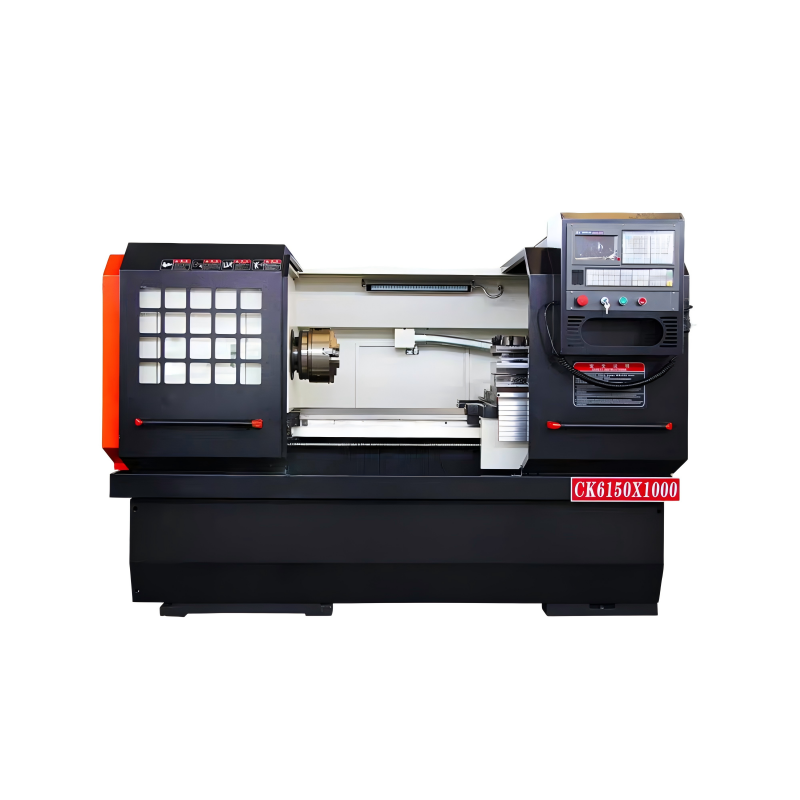
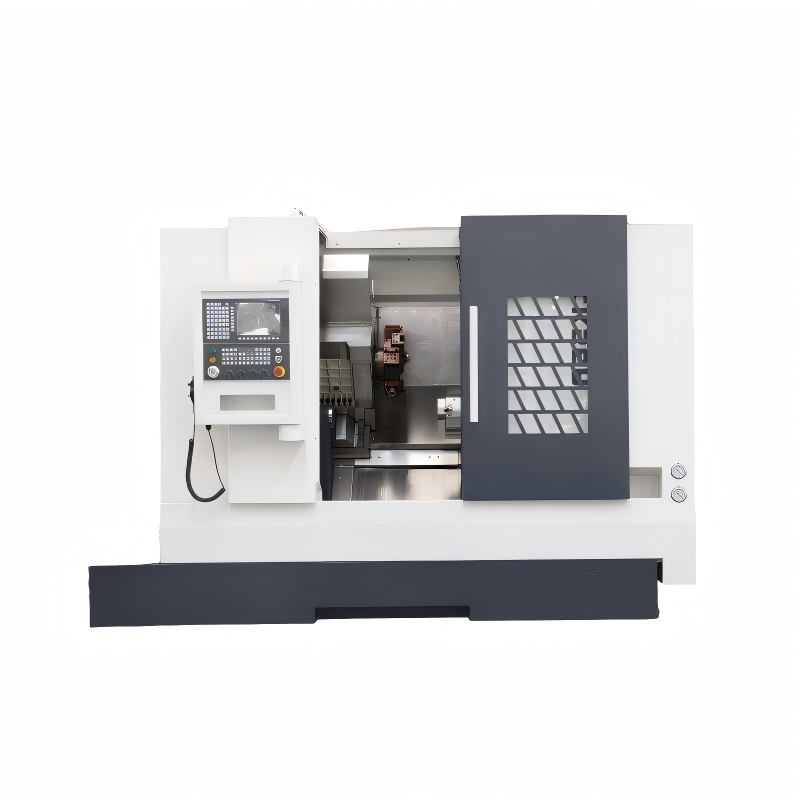
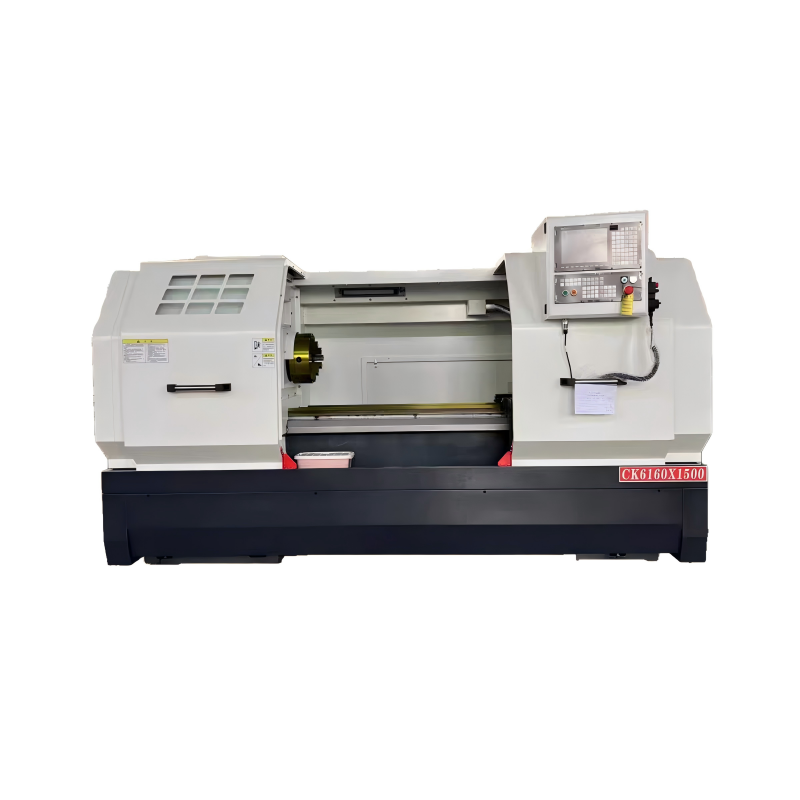
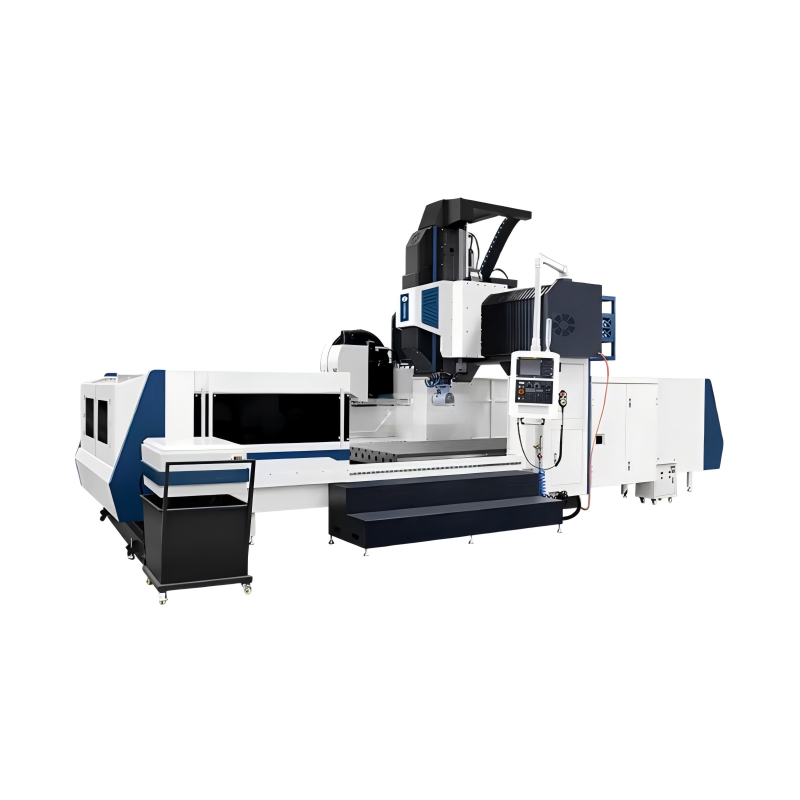
In the ever-evolving landscape of manufacturing, the integration of advanced technologies has become a cornerstone for enhancing productivity and precision. One such technological advancement that stands out is the CNC Lathe with live tooling. This article delves into the critical role that live tooling plays in modern CNC Lathes, particularly in the production of complex parts. We will explore how this technology enhances machining capabilities, reduces cycle times, and improves overall efficiency.
Live tooling represents a significant leap forward in the capabilities of CNC lathes. Traditional CNC lathes are primarily designed for turning operations, which involve cutting material as it rotates. However, with the introduction of live tooling, these machines can now perform a wide range of additional operations, including milling, drilling, and tapping. This versatility is achieved by integrating motorized tools that can rotate independently of the spindle, allowing for multi-axis machining in a single setup.
The ability to perform multiple operations in one setup is a game-changer for manufacturers. It eliminates the need for transferring parts between different machines, reducing the risk of misalignment and improving part accuracy. For instance, a part that requires both turning and milling can be completed on a single CNC Lathe with live tooling, ensuring that all features are machined with high precision and consistency.
One of the most significant advantages of using a CNC Lathe with live tooling is the substantial reduction in cycle times. In traditional machining processes, parts often need to be moved from one machine to another to complete different operations. This not only increases the total time required to produce a part but also introduces additional handling and setup times. With live tooling, all necessary operations can be performed in a single setup, significantly reducing the overall cycle time.
Moreover, the elimination of multiple setups and transfers also reduces the likelihood of human error. The automated nature of live tooling ensures that each operation is performed with precision and repeatability, leading to higher quality parts. This increased productivity is especially valuable in high-volume production environments where every second counts.
Efficiency is a key driver in the manufacturing industry, and live tooling in CNC lathes contributes significantly to this. By consolidating multiple operations into a single machine, manufacturers can reduce the number of machines required, leading to lower capital and operational costs. Additionally, the reduced need for manual intervention and the ability to run unattended operations further enhance the cost-effectiveness of using live tooling.
Furthermore, live tooling allows for more efficient use of materials. The precise and controlled nature of the machining process minimizes waste, as parts can be machined to exact specifications without the need for extensive post-processing. This not only saves on material costs but also contributes to a more sustainable manufacturing process.
Live tooling provides manufacturers with greater flexibility in both design and production. The ability to perform a variety of operations on a single machine enables the creation of more complex and intricate parts. This is particularly beneficial in industries such as aerospace, automotive, and medical, where parts often require high precision and complex geometries.
Additionally, the flexibility of live tooling allows for quick and easy changes in production. If a design change is needed, the machine can be reprogrammed and retooled with minimal downtime. This adaptability is crucial in today's fast-paced manufacturing environment, where product designs and market demands can change rapidly.
The integration of live tooling in modern CNC lathes has revolutionized the way complex parts are manufactured. By enhancing machining capabilities, reducing cycle times, improving efficiency, and providing greater flexibility, live tooling offers numerous benefits to manufacturers. As the demand for high-precision and complex parts continues to grow, the role of live tooling in CNC lathes will undoubtedly become even more critical. Manufacturers who embrace this technology will be well-positioned to meet the challenges of the future and stay ahead in a competitive market.
 30/06/2026
In the realm of modern manufacturing, precision and efficiency are key. CNC lathes with live tooling have emerged as a revolutionary technology, offering unparalleled capabilities for producing complex parts in a single setup. This report delves into adva
Read More30/06/2026In the ever-evolving landscape of manufacturing, the integration of live tooling into CNC lathes has emerged as a pivotal advancement. This technology not only streamlines production processes but also significantly enhances the capabilities of modern mac
Read More30/06/2026Understanding the Capabilities of a CNC Lathe with Live ToolingA CNC lathe with live tooling is not just another piece of equipment in a modern machine shop; it represents a significant leap forward in machining technology, offering unparalleled flexibili
Read More30/06/2026Introduction to CNC Lathe with Live ToolingThe introduction of CNC Lathe with live tooling has revolutionized the manufacturing industry by significantly improving both precision and efficiency. This advanced technology integrates milling, drilling, and t
Read More30/06/2026In the world of precision machining, the integration of live tooling into CNC lathes has become a pivotal development, enhancing not only the efficiency but also the versatility of these machines. This technical report explores how the incorporation of li
Read More30/06/2026The advent of advanced manufacturing technologies has revolutionized the way products are made, with CNC (Computer Numerical Control) lathes being at the forefront of this transformation. Among these, the CNC Lathe with live tooling stands out as a versat
Read More30/06/2026In the realm of precision machining, the integration of advanced technologies plays a crucial role in enhancing productivity and quality. One such technology that has revolutionized the manufacturing industry is the CNC Lathe with live tooling. This artic
Read MoreOur professional sales team is always ready to assist you.