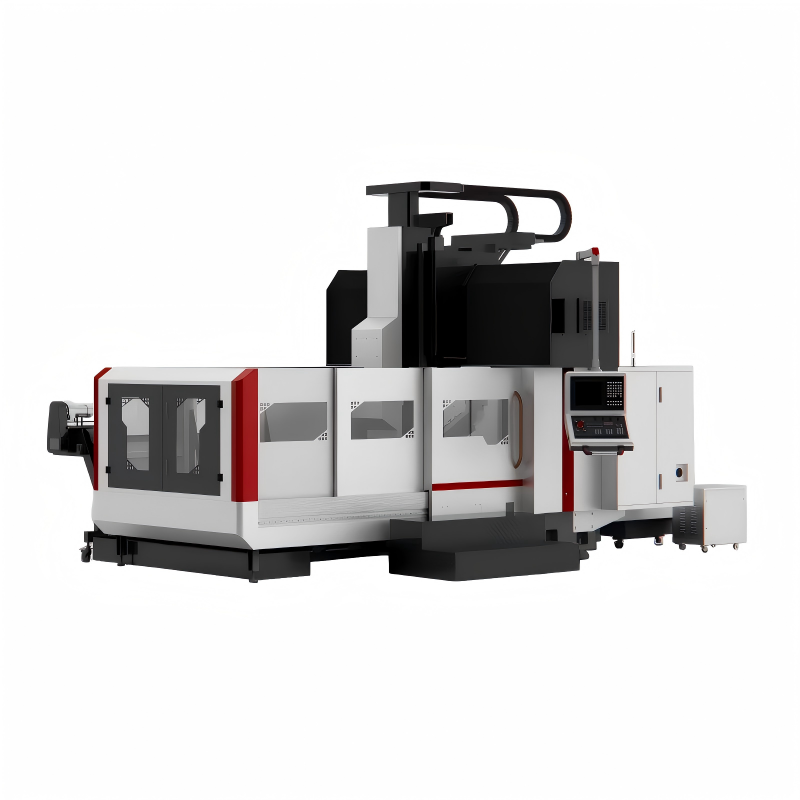
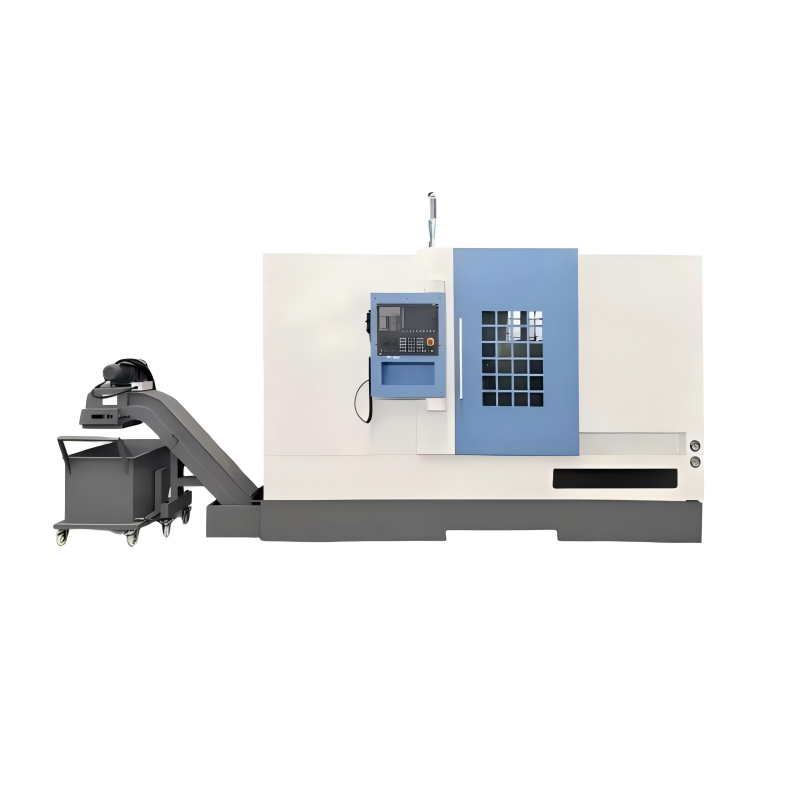
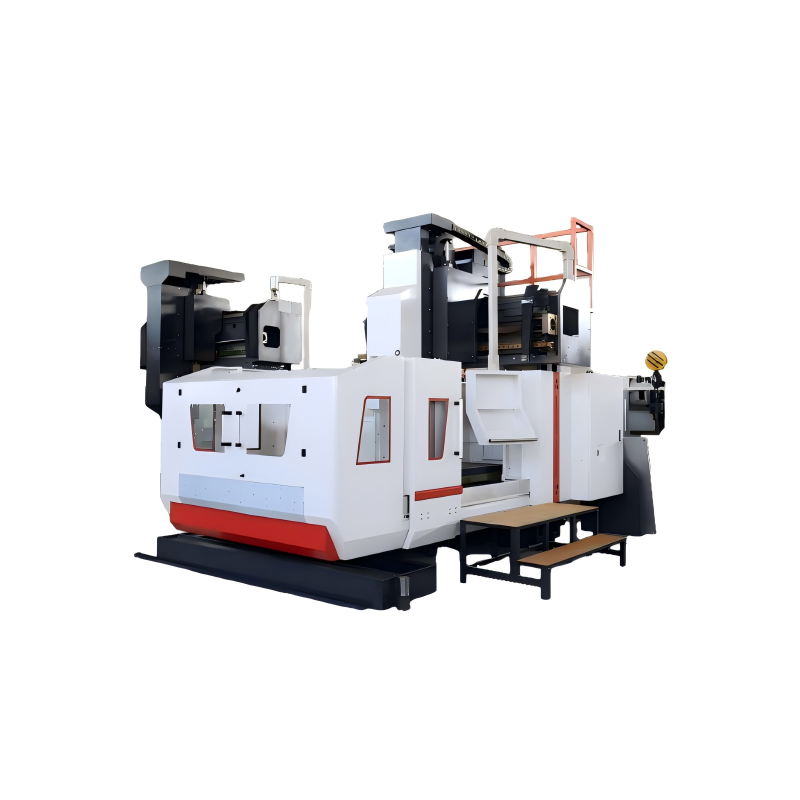
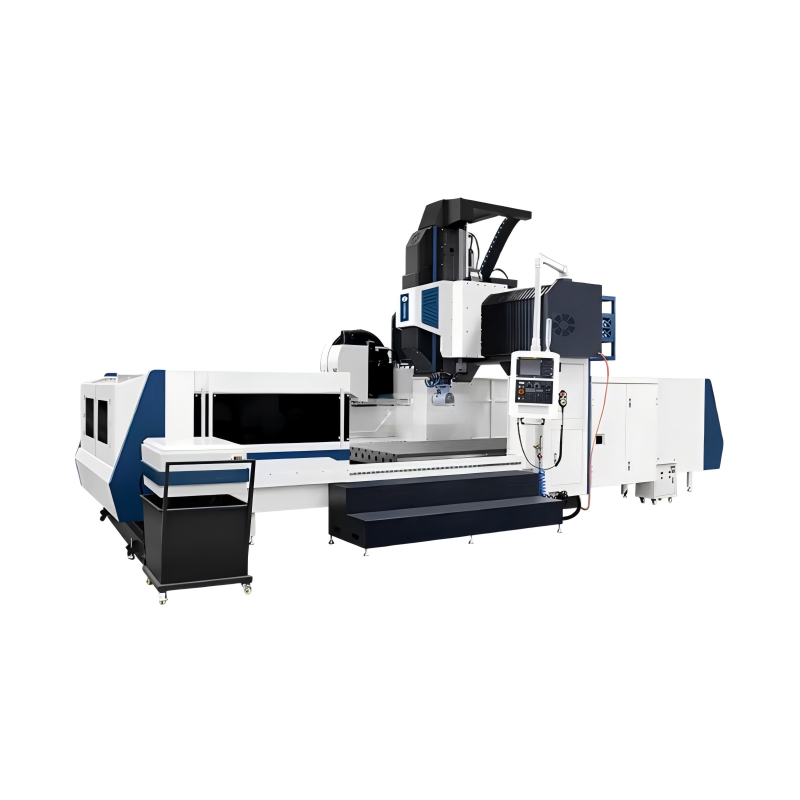
The introduction of CNC Lathe with live tooling has revolutionized the manufacturing industry by significantly improving both precision and efficiency. This advanced technology integrates milling, drilling, and turning operations into a single machine, allowing for the production of complex parts in one setup. The ability to perform multiple machining processes without the need to reposition the workpiece or transfer it to another machine not only reduces cycle times but also minimizes potential errors that can occur during manual handling.
One of the most significant advantages offered by a CNC lathe equipped with live tooling is the enhanced level of precision it provides. Traditional lathes are limited to performing basic turning operations, requiring additional machines and setups to complete more complex tasks such as milling or drilling. With live tooling, these supplementary operations can be executed directly on the lathe, ensuring that all features of a part are machined from a single datum point. This approach greatly enhances accuracy since there's no need to realign the workpiece between different machines, which often leads to slight positional discrepancies. Furthermore, the use of high-precision servo motors and encoders in modern CNC systems ensures that movements are controlled with extreme accuracy, down to micrometer levels, thereby guaranteeing consistent quality across large production runs.
Efficiency gains are another major benefit associated with the adoption of CNC Lathe with live tooling. By consolidating what would typically require several machines into one, manufacturers can drastically reduce their floor space requirements while simultaneously increasing throughput. Since the entire machining process occurs within a single setup, non-productive time spent moving parts around the shop floor is eliminated. Additionally, this setup allows for the automation of many previously manual tasks, such as loading/unloading materials and changing tools, further boosting productivity. Automated tool changers, for instance, enable rapid switching between different cutting tools, minimizing downtime and keeping the machine running at optimal capacity. As a result, businesses utilizing CNC lathes with live tooling capabilities report substantial increases in output and a reduction in overall lead times, making them highly competitive in today’s fast-paced market environments.
A key advantage of using a CNC Lathe with live tooling lies in its flexibility to handle a wide range of part geometries and materials. Unlike conventional lathes, which are primarily designed for cylindrical components, lathes with live tooling can produce parts with intricate shapes and features, including those with off-axis holes, slots, and contours. This versatility is particularly beneficial for industries like aerospace, automotive, and medical devices, where components often have complex designs that demand high levels of customization. Moreover, the capability to work with various metals and alloys, as well as non-metallic materials, makes these machines suitable for an even broader spectrum of applications. For example, they can efficiently manufacture parts made from titanium, stainless steel, aluminum, plastics, and composites, catering to diverse industrial needs.
In conclusion, the integration of live tooling into CNC lathes represents a significant step forward in the evolution of manufacturing technology. It offers unparalleled benefits in terms of precision, efficiency, and flexibility, enabling companies to stay ahead in a competitive global marketplace. Looking ahead, we can expect further advancements in this field, such as the incorporation of artificial intelligence (AI) and machine learning algorithms to optimize cutting parameters and predictive maintenance schedules. However, it's important for organizations considering the adoption of this technology to carefully evaluate their specific needs and constraints, including initial investment costs, training requirements, and long-term operational expenses. Despite these considerations, the transformative impact of CNC Lathe with live tooling on modern manufacturing processes cannot be overstated, making it a valuable asset for any forward-thinking business aiming to enhance its production capabilities.
 30/06/2026
In the realm of modern manufacturing, precision and efficiency are key. CNC lathes with live tooling have emerged as a revolutionary technology, offering unparalleled capabilities for producing complex parts in a single setup. This report delves into adva
Read More30/06/2026In the ever-evolving landscape of manufacturing, the integration of live tooling into CNC lathes has emerged as a pivotal advancement. This technology not only streamlines production processes but also significantly enhances the capabilities of modern mac
Read More30/06/2026Understanding the Capabilities of a CNC Lathe with Live ToolingA CNC lathe with live tooling is not just another piece of equipment in a modern machine shop; it represents a significant leap forward in machining technology, offering unparalleled flexibili
Read More30/06/2026In the ever-evolving landscape of manufacturing, the integration of advanced technologies has become a cornerstone for enhancing productivity and precision. One such technological advancement that stands out is the CNC Lathe with live tooling. This articl
Read More30/06/2026In the world of precision machining, the integration of live tooling into CNC lathes has become a pivotal development, enhancing not only the efficiency but also the versatility of these machines. This technical report explores how the incorporation of li
Read More30/06/2026The advent of advanced manufacturing technologies has revolutionized the way products are made, with CNC (Computer Numerical Control) lathes being at the forefront of this transformation. Among these, the CNC Lathe with live tooling stands out as a versat
Read More30/06/2026In the realm of precision machining, the integration of advanced technologies plays a crucial role in enhancing productivity and quality. One such technology that has revolutionized the manufacturing industry is the CNC Lathe with live tooling. This artic
Read MoreOur professional sales team is always ready to assist you.