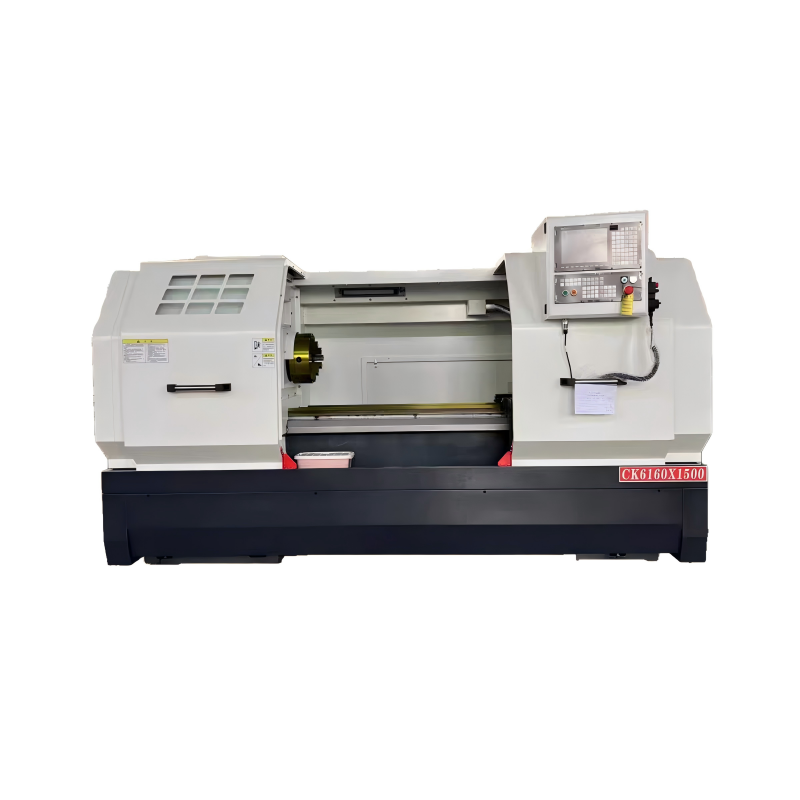
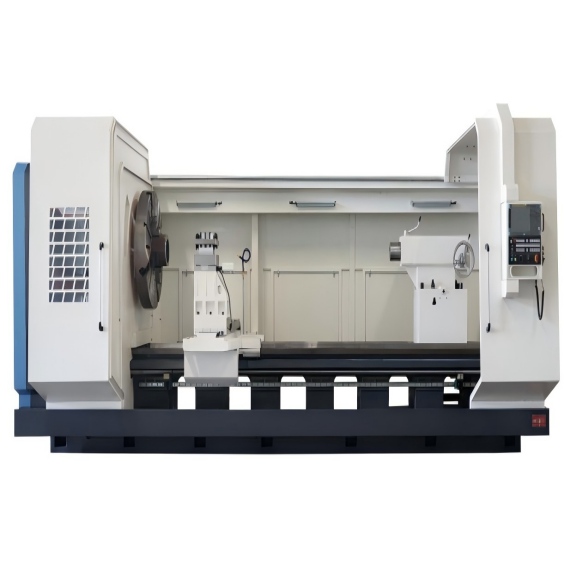
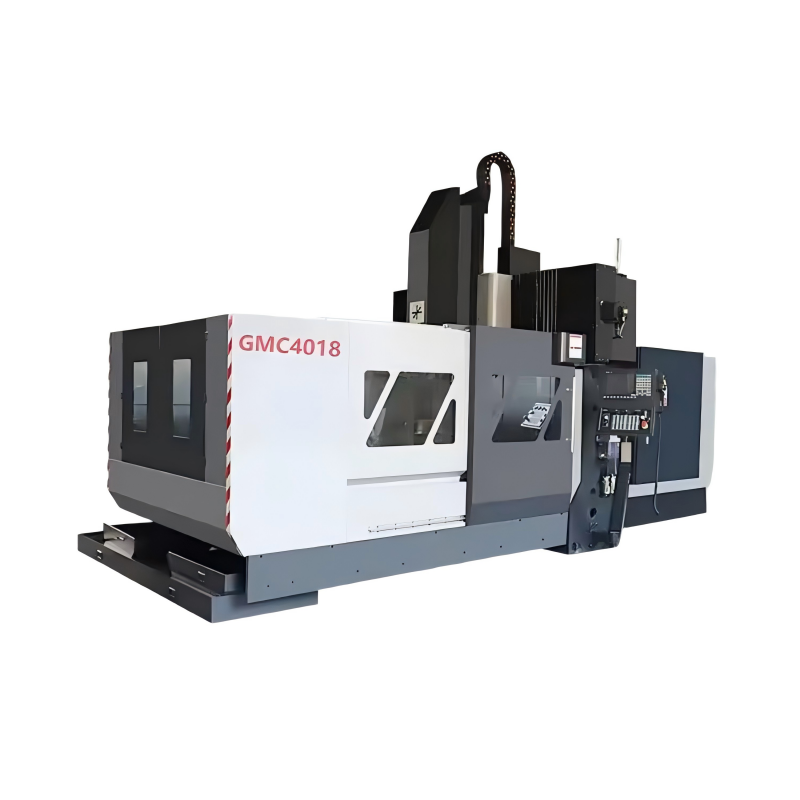
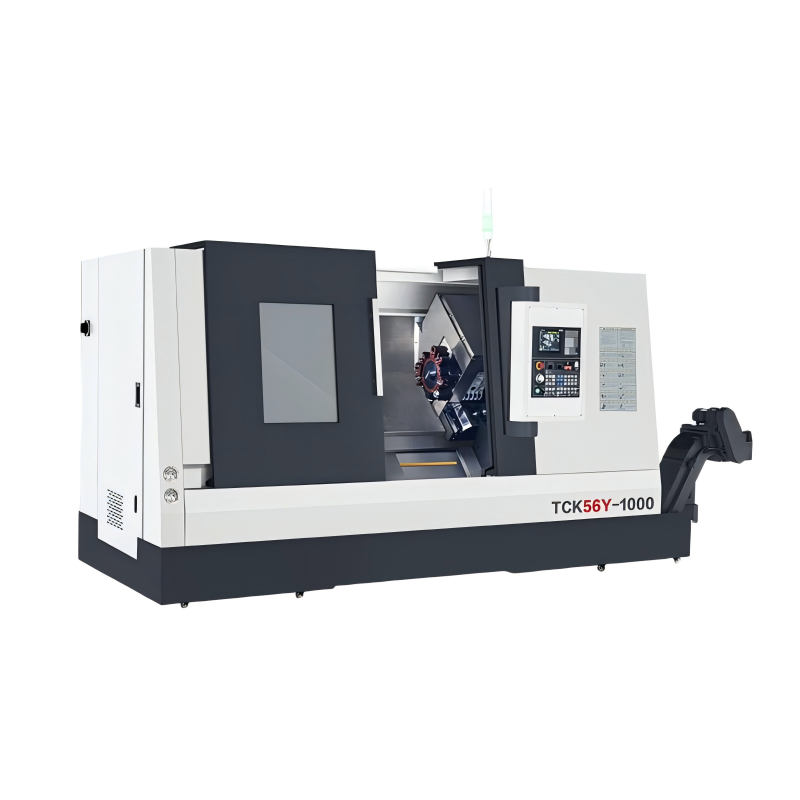
In the realm of manufacturing, achieving high precision and productivity is not just a goal but a necessity. The Precision Milling Machine stands out as a key tool in this pursuit, offering unparalleled accuracy and efficiency. This report delves into advanced techniques that can be employed with precision milling machines to significantly enhance productivity, ensuring that manufacturers stay ahead in an increasingly competitive market.
Optimizing Tool Paths for Efficiency
One of the most critical aspects of enhancing productivity in precision milling is the optimization of tool paths. Advanced CAM (Computer-Aided Manufacturing) software allows for the creation of highly efficient tool paths that minimize machining time while maintaining or even improving part quality. By carefully planning the sequence of operations, reducing unnecessary movements, and optimizing the feed rates, manufacturers can achieve substantial time savings. Additionally, using high-speed machining techniques, which involve higher spindle speeds and feed rates, can further reduce cycle times without compromising on the finish and accuracy of the milled parts.
Implementing Automation for Consistency and Speed
Automation is another powerful technique that can greatly enhance the productivity of a Precision Milling Machine. Automated systems, such as robotic loading and unloading, can significantly reduce setup and changeover times, allowing the machine to operate continuously with minimal downtime. Furthermore, automated inspection systems can ensure that each part meets the required specifications, reducing the need for manual quality checks and rework. By integrating these automation technologies, manufacturers can achieve a more consistent and faster production process, leading to increased output and reduced costs.
Leveraging High-Performance Cutting Tools
The choice of cutting tools is crucial in precision milling, as it directly affects both the quality and the speed of the machining process. High-performance cutting tools, designed with advanced materials and coatings, can withstand higher cutting speeds and feeds, thereby reducing machining time. Additionally, these tools offer better wear resistance and longer tool life, reducing the frequency of tool changes and associated downtime. Manufacturers should also consider the use of multi-functional tools that can perform multiple operations in a single pass, further streamlining the machining process and boosting overall productivity.
Utilizing In-Process Monitoring and Adaptive Control
In-process monitoring and adaptive control systems are essential for maintaining high levels of productivity and quality in precision milling. These systems continuously monitor various parameters, such as tool wear, vibration, and temperature, and adjust the machining process in real-time to optimize performance. For example, if the system detects excessive tool wear, it can automatically slow down the feed rate or trigger a tool change, preventing potential damage to the part and the machine. By implementing these advanced monitoring and control systems, manufacturers can ensure that their Precision Milling Machine operates at peak efficiency, even under varying conditions.
Continuous Improvement through Data Analysis
Data analysis plays a vital role in continuous improvement efforts within precision milling operations. By collecting and analyzing data from the machining process, manufacturers can identify areas for optimization and implement targeted improvements. Key metrics to track include cycle times, tool life, and scrap rates. Advanced analytics tools can provide insights into the root causes of inefficiencies and suggest corrective actions. Additionally, predictive maintenance, enabled by data-driven models, can help prevent unexpected downtime by scheduling maintenance activities based on the actual condition of the machine and its components. By embracing a data-driven approach, manufacturers can continuously refine their processes and achieve higher levels of productivity and quality.
In conclusion, the Precision Milling Machine is a powerful tool in the hands of a skilled operator, but its full potential can only be realized through the application of advanced techniques. By optimizing tool paths, implementing automation, leveraging high-performance cutting tools, utilizing in-process monitoring and adaptive control, and embracing continuous improvement through data analysis, manufacturers can significantly enhance their productivity and maintain a competitive edge in the market.
 30/06/2026



