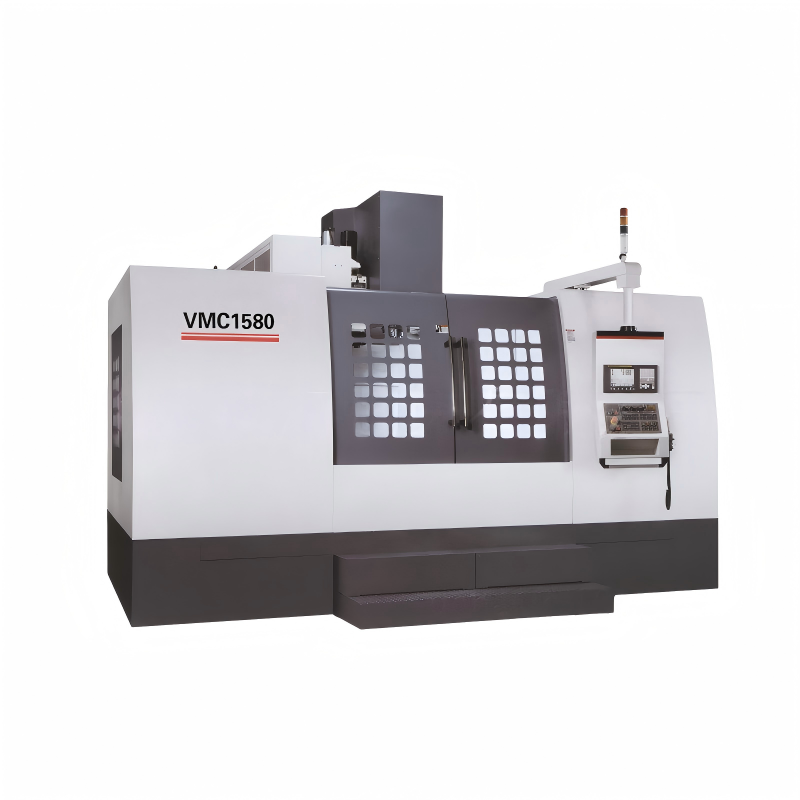
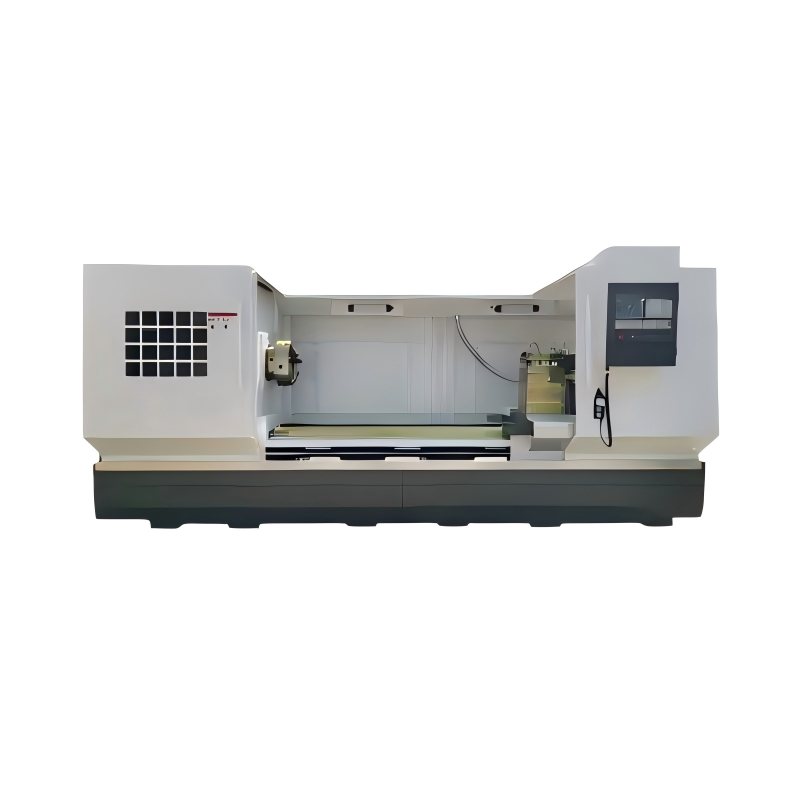
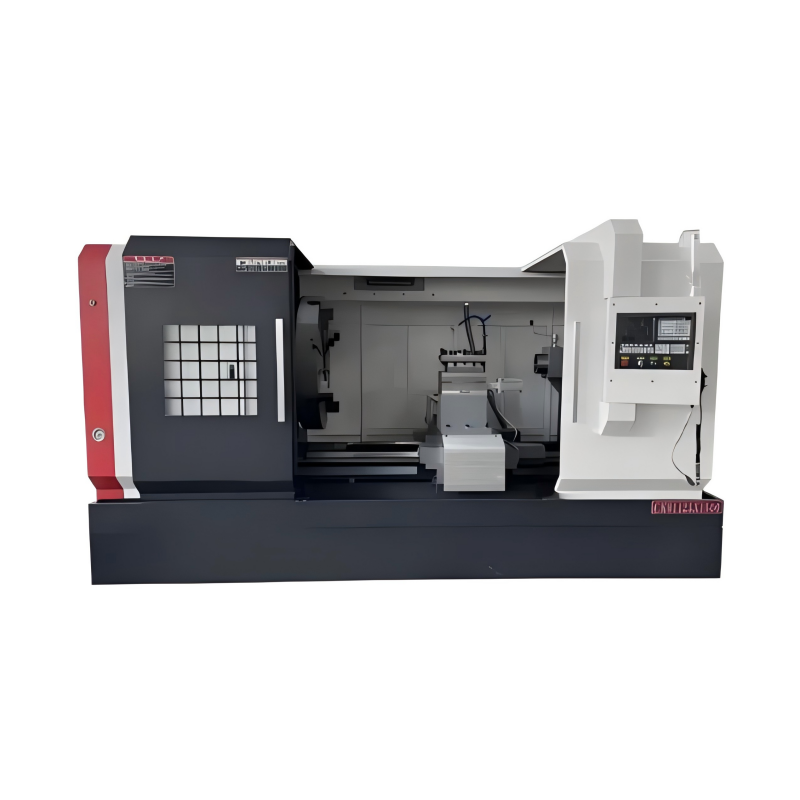
Precision milling machines play a crucial role in the manufacturing industry, particularly in the production of high-precision components. These machines are designed to achieve extremely accurate and repeatable results, making them indispensable for industries that require parts with tight tolerances. The advancements in technology have led to the development of more sophisticated precision milling machines, which can handle complex geometries and materials with ease.
Accuracy is paramount when it comes with machined parts, as even the slightest deviation from specifications can lead to significant issues. In critical applications such as aerospace, automotive, and medical devices, the failure of a single part due to poor machining can result in catastrophic consequences. Precision milling machines are equipped with advanced features like CNC (Computer Numerical Control) systems, which allow for precise control over the cutting process. This level of control ensures that the final product meets the required specifications, thereby enhancing the overall quality and reliability of the manufactured parts.
The continuous evolution of technology has significantly impacted the capabilities of precision milling machines. Modern precision milling machines are now integrated with advanced software and hardware, enabling them to perform highly complex operations with minimal human intervention. Features such as multi-axis machining, high-speed spindles, and automated tool changers have become standard, allowing for the production of intricate and precise parts. Additionally, the integration of IoT (Internet of Things) and AI (Artificial Intelligence) technologies has further enhanced the efficiency and accuracy of these machines. Real-time monitoring and predictive maintenance capabilities ensure that the machines operate at optimal performance levels, reducing downtime and increasing productivity.
The choice of material plays a vital role in the machining process, especially when using precision milling machines. Different materials have varying properties, such as hardness, ductility, and thermal conductivity, which can affect the machining parameters and the final quality of the part. For instance, machining hard metals like titanium or stainless steel requires different tools and techniques compared to softer materials like aluminum or plastic. Precision milling machines are designed to handle a wide range of materials, but it is essential to select the appropriate cutting tools, speeds, and feeds to achieve the desired results. Advanced simulation software can be used to model the machining process, helping engineers to optimize the parameters and minimize the risk of defects.
While the initial investment in precision milling machines may be higher compared to conventional milling machines, the long-term economic benefits are substantial. The ability to produce high-quality parts with minimal scrap and rework leads to cost savings in the long run. Moreover, the increased productivity and reduced cycle times contribute to a more efficient manufacturing process. Companies that invest in precision milling machines often see a return on their investment through improved product quality, reduced labor costs, and increased customer satisfaction. The ability to meet stringent quality standards also opens up new market opportunities, particularly in industries where precision and reliability are non-negotiable.
In conclusion, precision milling machines are essential tools in the modern manufacturing landscape. Their ability to produce high-precision parts with consistent quality makes them invaluable for a wide range of industries. The advancements in technology have further enhanced their capabilities, making them more versatile and efficient. By investing in precision milling machines, manufacturers can not only improve the quality of their products but also achieve significant economic benefits. As the demand for high-precision components continues to grow, the role of precision milling machines in achieving high-quality machined parts will only become more critical.
 30/06/2026
In the rapidly evolving field of manufacturing, precision milling machines play a pivotal role in shaping the future of industrial production. This report delves into the latest advancements in precision milling technology, offering insights into how thes
Read More30/06/2026In the realm of manufacturing, achieving high precision and productivity is not just a goal but a necessity. The Precision Milling Machine stands out as a key tool in this pursuit, offering unparalleled accuracy and efficiency. This report delves into adv
Read More30/06/2026In the world of manufacturing, precision is key to producing high-quality components and products. A Precision Milling Machine stands out as an essential tool for achieving this level of accuracy. Whether you are a small workshop or a large-scale industri
Read More29/06/2026In today's rapidly evolving manufacturing landscape, the adoption of advanced technology is crucial for businesses aiming to stay competitive. Among the key technologies driving this transformation, precision milling machines stand out as a pivotal elemen
Read More28/06/2026In the realm of manufacturing and engineering, precision milling machines play a pivotal role in producing high-accuracy components. This report delves into the recent advancements in precision milling machine technology, highlighting key innovations that
Read More26/06/2026In the realm of modern manufacturing, precision is not just a preference but a necessity. The advent of advanced technologies has paved the way for more accurate and efficient production processes, with Precision Milling Machines playing a pivotal role in
Read More25/06/2026In the realm of manufacturing, precision is not just a preference but a necessity. A high-quality Precision Milling Machine stands out as an indispensable tool for achieving the exacting standards required in today’s competitive market. This report delves
Read MoreOur professional sales team is always ready to assist you.