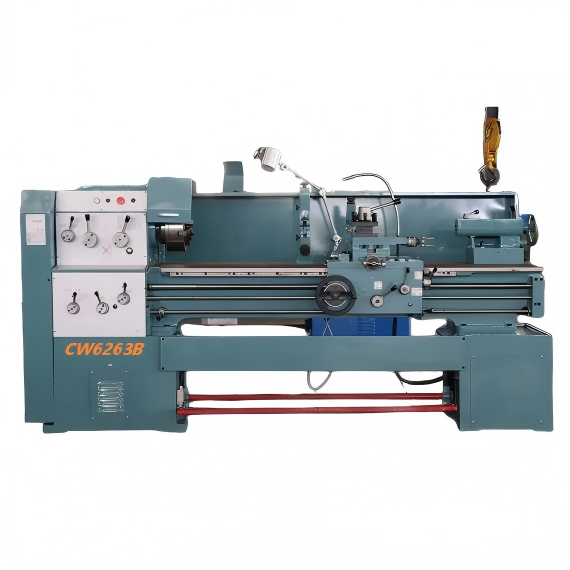
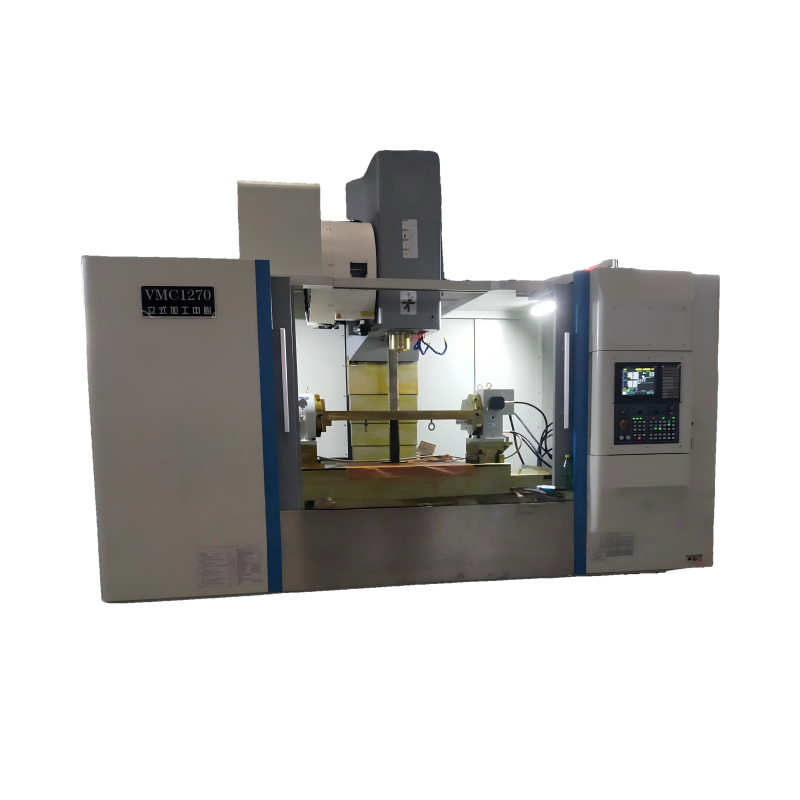
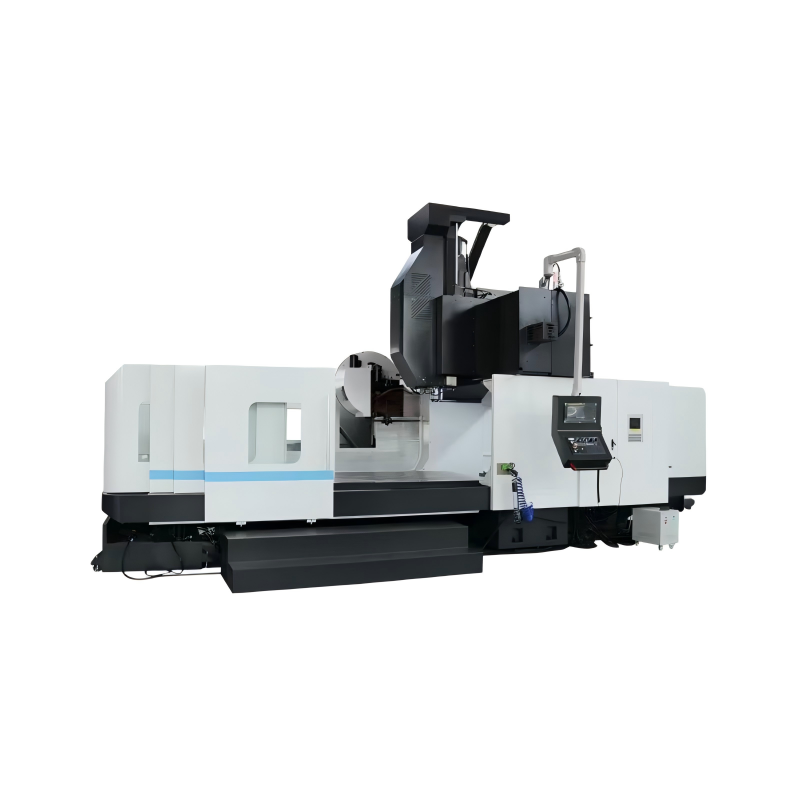
A custom lathe machine is a specialized piece of equipment designed to meet specific project requirements that go beyond the capabilities of standard lathes. These machines are often tailored for particular industries, such as automotive, aerospace, or medical, where precision and customization play critical roles. The primary function of a lathe, whether custom or not, revolves around shaping materials by rotating them against a cutting tool. However, custom lathe machines offer enhanced features like improved accuracy, speed, and versatility, making them indispensable for complex projects.
Choosing the right custom lathe machine involves evaluating several key factors to ensure it meets your project's unique needs. First, consider the material you will be working with, as different materials require distinct cutting speeds and tools. For instance, softer metals may demand less powerful motors but more precise control, whereas harder materials might necessitate stronger, more robust machinery. Additionally, the size and shape of the workpiece also influence the type of lathe required; larger pieces typically need lathes with greater capacity and stability. Another crucial aspect is the level of automation needed. Some projects benefit from fully automated systems, which can increase efficiency and reduce human error, while others may only require semi-automated or manual operation depending on the complexity and volume of production. Lastly, budget constraints and long-term maintenance costs should be factored into the decision-making process, as they significantly impact the overall cost-effectiveness of the chosen machine.
Advancements in technology have revolutionized the capabilities of custom lathe machines, enabling higher precision, faster processing times, and increased productivity. CNC (Computer Numerical Control) technology, in particular, has become a game-changer. It allows for the programming of intricate designs and sequences, ensuring consistent quality and repeatability across multiple units. This is especially beneficial in mass production scenarios where uniformity is paramount. Moreover, modern custom lathes often incorporate advanced software solutions that facilitate real-time monitoring and adjustment, further enhancing operational efficiency. Features such as automatic tool changers, coolant systems, and chip removal mechanisms contribute to smoother, more reliable performance, reducing downtime and maintenance needs. Furthermore, the integration of IoT (Internet of Things) technologies enables remote diagnostics and predictive maintenance, allowing operators to address potential issues before they escalate into major problems, thus extending the lifespan of the equipment.
When assessing the performance and reliability of a custom lathe machine, it's essential to look at both its technical specifications and user feedback. Specifications such as spindle speed, horsepower, and maximum swing over bed provide a clear picture of the machine's capabilities. Spindle speed, for example, determines how quickly the workpiece can be turned, impacting both the quality of the finish and the time taken to complete a task. Horsepower, on the other hand, indicates the machine's power, which is crucial for handling tougher materials without compromising on precision. Maximum swing over bed refers to the largest diameter of the workpiece that can be accommodated, an important factor for projects involving large components. User reviews and case studies can offer valuable insights into the machine's real-world performance, highlighting any recurring issues or standout features. Additionally, conducting a thorough inspection of the machine, either in person or through detailed documentation, can help identify any design flaws or areas of concern. It's also advisable to consult with industry experts or experienced users who can provide firsthand accounts of their experiences with similar models, helping to make a more informed decision.
After carefully considering all the aforementioned factors, including the nature of the project, the specific requirements of the workpieces, and the available technological advancements, one can make a well-informed decision about the most suitable custom lathe machine. It's important to balance the initial investment with the long-term benefits, such as increased productivity, reduced waste, and lower maintenance costs. Collaboration with reputable manufacturers and suppliers, who can offer tailored solutions and after-sales support, is also crucial. By selecting the right custom lathe machine, businesses can achieve optimal results, enhance their competitive edge, and drive innovation in their respective fields.
 25/06/2026
In the ever-evolving landscape of manufacturing, precision is not just a goal; it's a necessity. The advent of advanced custom lathe machines has revolutionized the way we approach machining, offering unparalleled accuracy and versatility. This report del
Read More25/06/2026In today’s competitive manufacturing landscape, the quest for enhanced productivity and efficiency has led many companies to explore advanced solutions like custom lathe machine technology. These specialized machines offer a unique combination of precisio
Read More25/06/2026The manufacturing industry is continuously evolving, driven by the need for increased efficiency, precision, and customization. Among the many tools that have proven indispensable in this evolution, custom lathe machines stand out as a testament to human
Read More24/06/2026When it comes to selecting a Custom Lathe Machine, the process can be quite intricate and requires careful consideration of multiple factors. This guide aims to provide a comprehensive overview for anyone looking to invest in such machinery, ensuring that
Read More24/06/2026In today’s fast-paced manufacturing environment, the quest for efficiency and productivity is more critical than ever. Advanced Custom Lathe Machines have emerged as a key solution to meet these demands, offering unparalleled precision, flexibility, and s
Read More24/06/2026Understanding the intricacies of Custom Lathe Machine design is essential for anyone involved in manufacturing or engineering. These machines, tailored to specific needs, represent a blend of precision, versatility, and efficiency. This technical report a
Read More24/06/2026In the ever-evolving landscape of manufacturing, custom lathe machines have emerged as a game-changer, transforming the way industries approach precision machining. These machines, tailored to specific needs, offer unparalleled flexibility and efficiency,
Read More23/06/2026Lathe machines have been a cornerstone of manufacturing and engineering for centuries, evolving from simple hand-operated devices to the highly sophisticated, automated systems we see today. Among these, custom lathe machines stand out as solutions tailor
Read More23/06/2026In the ever-evolving landscape of manufacturing, the demand for precision and customization has never been higher. Custom lathe machines stand at the forefront of this revolution, offering unparalleled accuracy and versatility. This report delves into the
Read More23/06/2026In the rapidly evolving landscape of modern manufacturing, the role of custom lathe machines cannot be overstated. These sophisticated tools have become indispensable for producing components with high precision and efficiency. This report explores recent
Read MoreOur professional sales team is always ready to assist you.