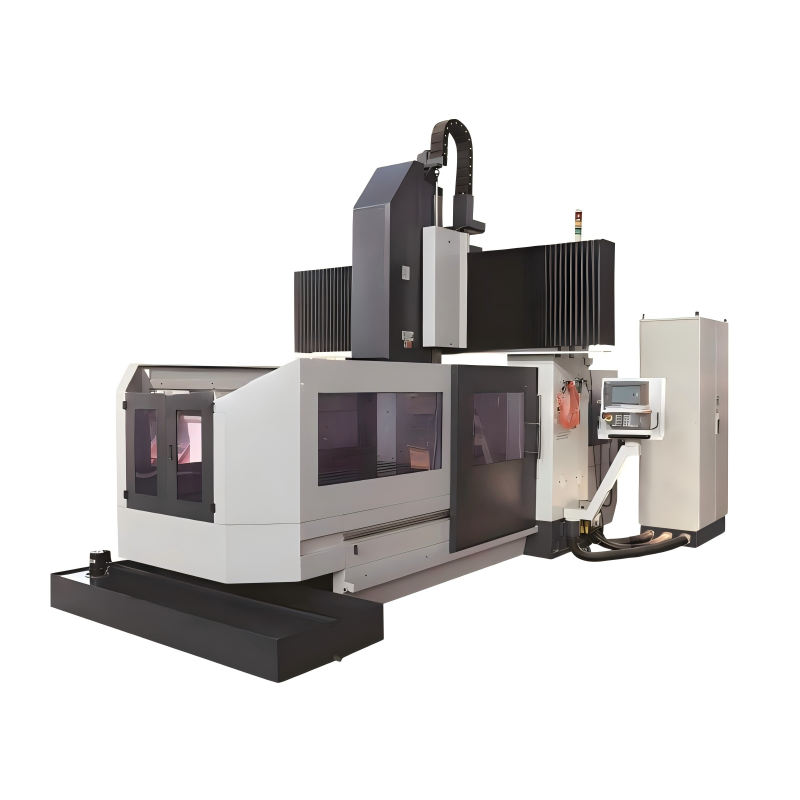
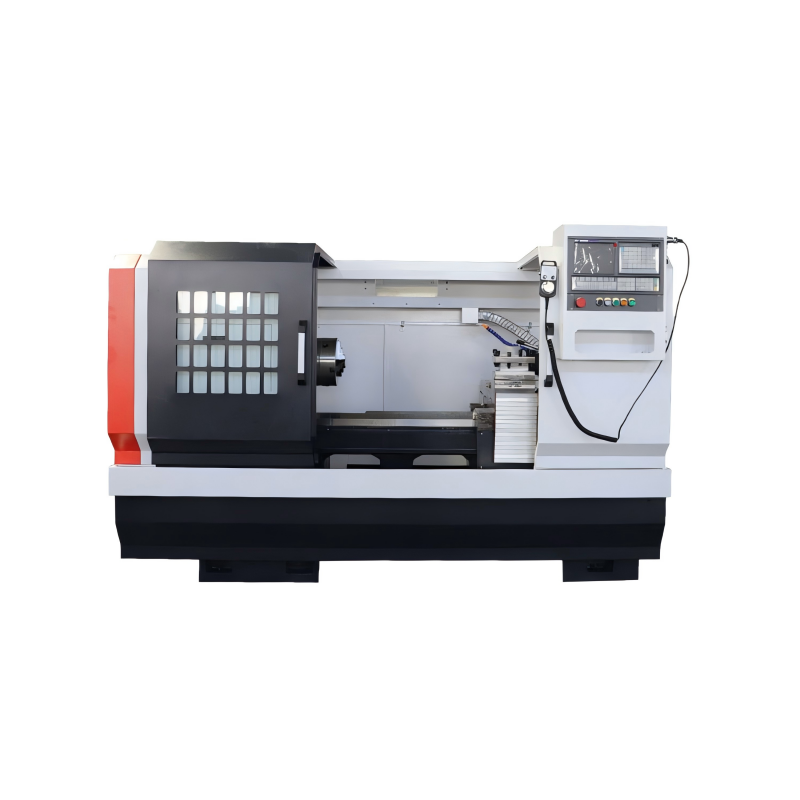
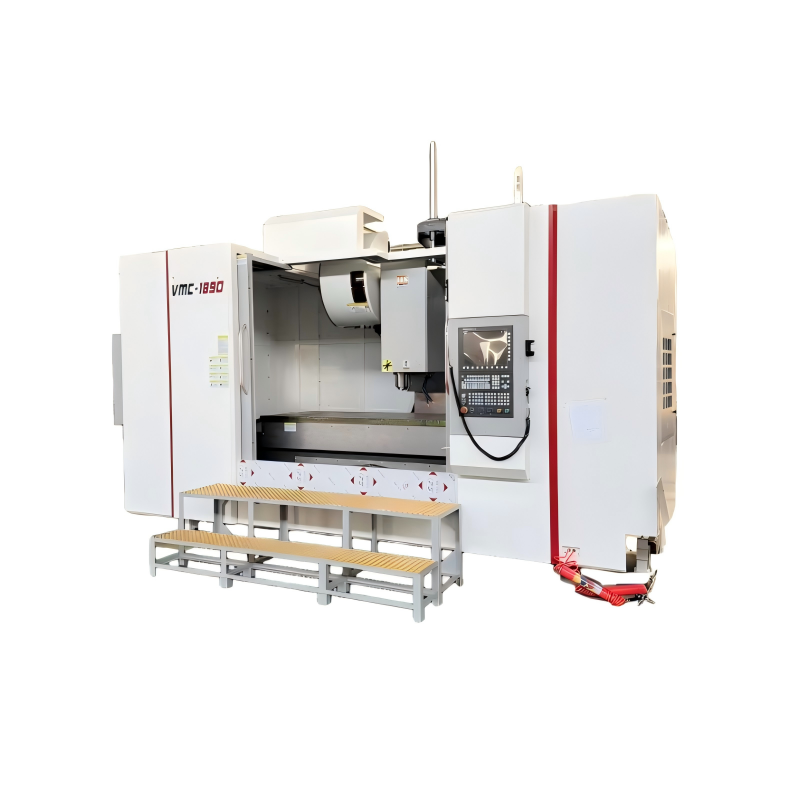
In the realm of manufacturing, high-precision milling machine tools represent a significant investment. This report delves into the cost-effectiveness of such an investment, considering both short-term and long-term perspectives. It evaluates how these advanced tools can enhance productivity, reduce operational costs, improve product quality, and contribute to sustainable manufacturing practices. By examining the economic benefits alongside technical advancements, this analysis aims to provide a comprehensive overview for decision-makers in the industry.
The upfront cost associated with purchasing high-precision milling machine tools is often substantial. However, it's crucial to view this expense as an investment rather than just a cost. High-precision machines are designed to deliver superior performance over extended periods, which can lead to significant savings in the long run. Factors like reduced material waste, minimized rework, and lower maintenance requirements contribute to a quicker return on investment (ROI).
A thorough lifecycle cost analysis reveals that while the initial purchase price may be high, ongoing expenses such as energy consumption, tooling, and maintenance can be significantly lower with high-precision milling tools. These machines are engineered for efficiency, consuming less power and requiring fewer replacements, thus reducing the total cost of ownership (TCO) over time. Additionally, their longevity and reliability mean that the need for frequent upgrades or replacements is minimized, further enhancing their cost-effectiveness.
One of the primary advantages of high-precision milling machine tools is their ability to increase production throughput. These machines are capable of handling complex tasks with speed and accuracy, allowing manufacturers to produce more parts in less time. The reduction in cycle times and the ability to operate continuously without compromising on quality can lead to a significant boost in overall productivity. This increased output not only meets higher demand but also positions the company to take on more projects, thereby expanding its market share.
High-precision milling tools are built to minimize downtime. Their robust design and advanced features, such as predictive maintenance and real-time monitoring, help in identifying and addressing potential issues before they escalate. This proactive approach ensures that the machines remain operational for longer periods, reducing unplanned stoppages. By minimizing downtime, manufacturers can maintain a steady production flow, which is critical for meeting delivery schedules and maintaining customer satisfaction.
High-precision milling machine tools are renowned for their ability to achieve tight tolerances, ensuring that each part produced meets the highest standards of quality. This level of precision is essential in industries where even the slightest deviation can have significant consequences, such as aerospace, medical devices, and automotive. By delivering consistent and accurate results, these machines help in reducing scrap rates and rework, which not only saves costs but also enhances the reputation of the manufacturer.
Consistency is key in manufacturing, and high-precision milling tools excel in providing reliable and repeatable performance. The advanced control systems and automation features ensure that every part is manufactured to the same exacting standards, regardless of the volume. This consistency is particularly valuable in large-scale production, where variations can lead to costly errors and delays. By maintaining high standards, manufacturers can build trust with their customers and establish themselves as leaders in their respective fields.
High-precision milling machine tools are designed with energy efficiency in mind. They utilize advanced technologies that minimize power consumption, such as optimized cutting paths and intelligent power management systems. This not only reduces the carbon footprint of the manufacturing process but also leads to lower energy bills. In an era where sustainability is a top priority, investing in energy-efficient machinery is a strategic move that aligns with environmental goals and regulatory requirements.
Another significant benefit of high-precision milling tools is their ability to reduce material waste. The precision and accuracy of these machines ensure that raw materials are used efficiently, with minimal scrap. This not only saves on material costs but also contributes to a more sustainable manufacturing process. By minimizing waste, manufacturers can demonstrate their commitment to environmental responsibility and meet the growing demand for eco-friendly products.
 08/06/2026
The future of high-precision milling is a topic that has garnered significant attention in the manufacturing and engineering sectors. As industries continue to demand higher levels of accuracy and efficiency, the development of high-precision milling mach
Read More07/06/2026High-precision milling machines have emerged as a transformative force within the automotive industry, driving innovation and efficiency in manufacturing processes. These advanced tools are not only capable of producing components with unparalleled accura
Read More07/06/2026High-precision milling machine tools are essential in modern manufacturing, providing unparalleled accuracy and efficiency. However, their performance and longevity depend significantly on proper maintenance. This technical report delves into the critical
Read More06/06/2026In the realm of advanced manufacturing, high-precision milling machine tools play a pivotal role in producing complex parts with unparalleled accuracy and efficiency. This report delves into how these sophisticated machines are transforming industries by
Read More06/06/2026High-precision milling machine tools are essential in modern manufacturing, offering unparalleled accuracy and efficiency. This report delves into the capabilities of these advanced machines, exploring their impact on precision engineering, material versa
Read More05/06/2026In the realm of precision engineering, high-precision milling machine tools play a pivotal role in achieving the exacting standards required for components and products across various industries. These machines are designed to deliver unparalleled accurac
Read More05/06/2026In the realm of modern manufacturing, high-precision milling machine tools play a pivotal role in enhancing both productivity and accuracy. These advanced machines are not just tools; they are integral components that drive the efficiency and quality of p
Read More04/06/2026In the realm of aerospace engineering, where precision and reliability are paramount, high-precision milling machine tools play an indispensable role. These advanced machines offer unparalleled accuracy and consistency, which are crucial for manufacturing
Read More04/06/2026In the rapidly evolving landscape of modern manufacturing, high-precision milling machine tools have become indispensable for achieving superior quality and efficiency. These advanced machines are designed to meet the stringent requirements of industries
Read MoreOur professional sales team is always ready to assist you.