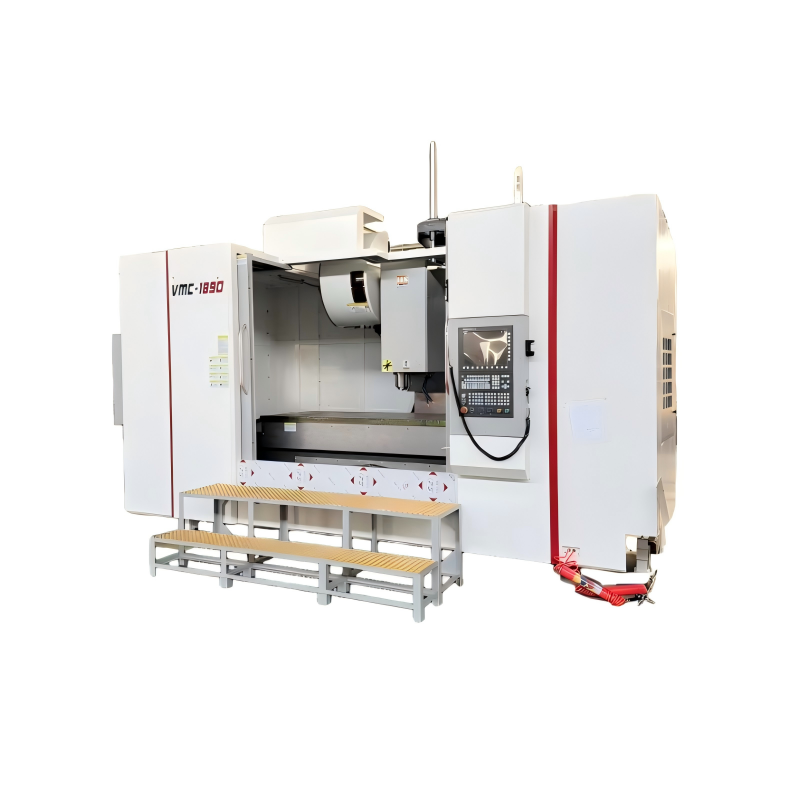
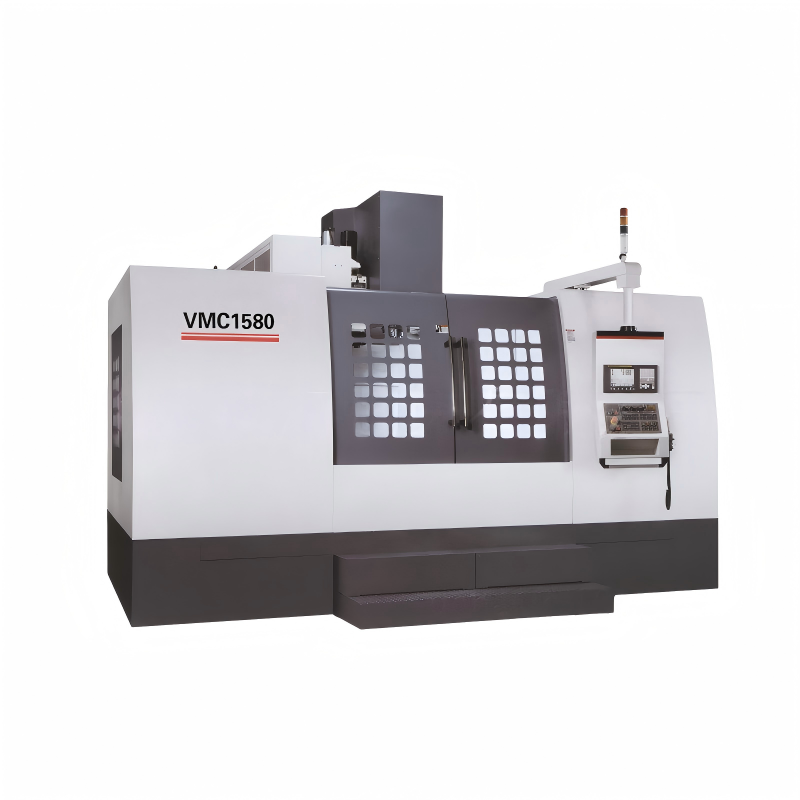
In the domain of manufacturing, especially in the production of high-precision molds, the integration of advanced technology is not just a trend but a necessity. One such technological advancement that has revolutionized the mold making industry is the Vertical Machining Center (VMC). This report delves into the various benefits of VMC in enhancing the quality and efficiency of mold production, focusing on precision, productivity, and cost-effectiveness.
Enhancing Precision through Advanced Tooling Capabilities
The ability to produce highly accurate and intricate parts is one of the most significant advantages of using a VMC in mold making. Traditional machining methods often fall short when it comes to achieving the level of detail and accuracy required for modern molds. VMCs, however, are equipped with state-of-the-art tooling systems that can handle complex geometries with ease. The use of multi-axis capabilities allows for the creation of molds with intricate designs, ensuring that every part meets the exact specifications. This precision is critical in industries like automotive, aerospace, and electronics, where even the slightest deviation can result in subpar products or even failures.
Moreover, the rigid construction of VMCs contributes significantly to their precision. The machine's structure is designed to minimize vibrations and maintain stability during operation, which is essential for achieving consistent results. Additionally, the advanced control systems and software used in VMCs enable operators to fine-tune the machining process, further enhancing the accuracy of the final product.
Boosting Productivity with Automated Processes
Another key benefit of using VMCs in mold making is the significant increase in productivity. Traditional machining processes often require multiple setups and manual interventions, leading to longer production times and higher labor costs. In contrast, VMCs offer a more streamlined and automated approach to mold production. With features like automatic tool changers and pallet changers, VMCs can operate continuously without the need for frequent operator intervention, reducing downtime and increasing overall throughput.
Furthermore, the integration of computer-aided manufacturing (CAM) software with VMCs enables the optimization of the machining process. CAM software can generate efficient toolpaths, minimizing the time required for cutting and reducing the wear on tools. This not only speeds up the production process but also extends the lifespan of the tools, resulting in lower maintenance costs. The combination of automation and optimized toolpaths makes VMCs an indispensable tool for high-volume mold production.
Cost-Effectiveness through Reduced Waste and Improved Efficiency
One of the most compelling reasons for adopting VMCs in mold making is their cost-effectiveness. By improving precision and productivity, VMCs help reduce waste and lower overall production costs. In traditional machining, inaccuracies and inefficiencies can lead to a higher rate of scrap, which not only wastes material but also increases the cost of production. VMCs, with their advanced tooling and automation, minimize these issues, resulting in a more efficient use of materials and resources.
Additionally, the reduced need for manual labor and the ability to run unattended operations contribute to lower labor costs. Operators can oversee multiple machines simultaneously, allowing for a more productive use of human resources. The long-term savings from reduced scrap, lower labor costs, and extended tool life make VMCs a cost-effective solution for mold manufacturers. Moreover, the initial investment in a VMC can be quickly recouped through increased efficiency and higher output, making it a sound financial decision for any manufacturing facility.
Conclusion
The adoption of VMCs in mold making has transformed the industry by offering unparalleled precision, productivity, and cost-effectiveness. These machines provide the necessary tools and capabilities to meet the demands of modern manufacturing, ensuring that molds are produced to the highest standards. As technology continues to evolve, the role of VMCs in mold making will only become more crucial, driving the industry towards greater innovation and efficiency.
 25/06/2026



