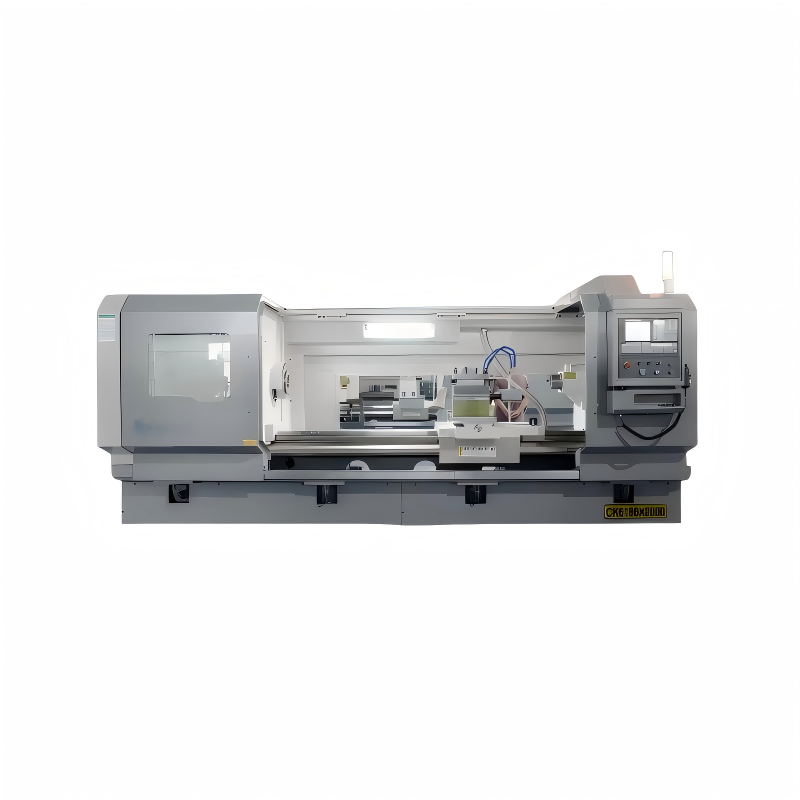
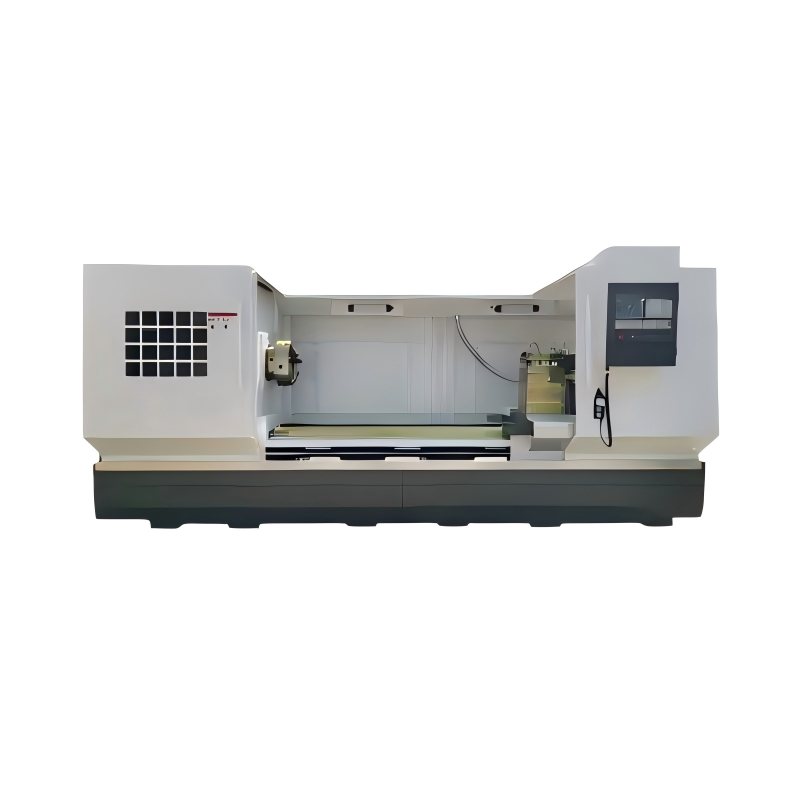
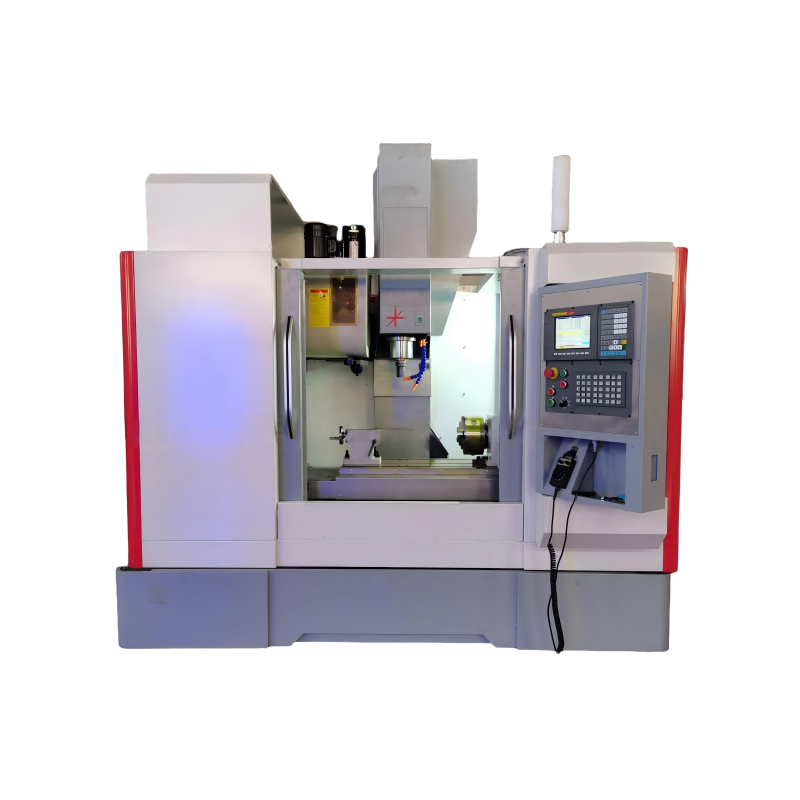
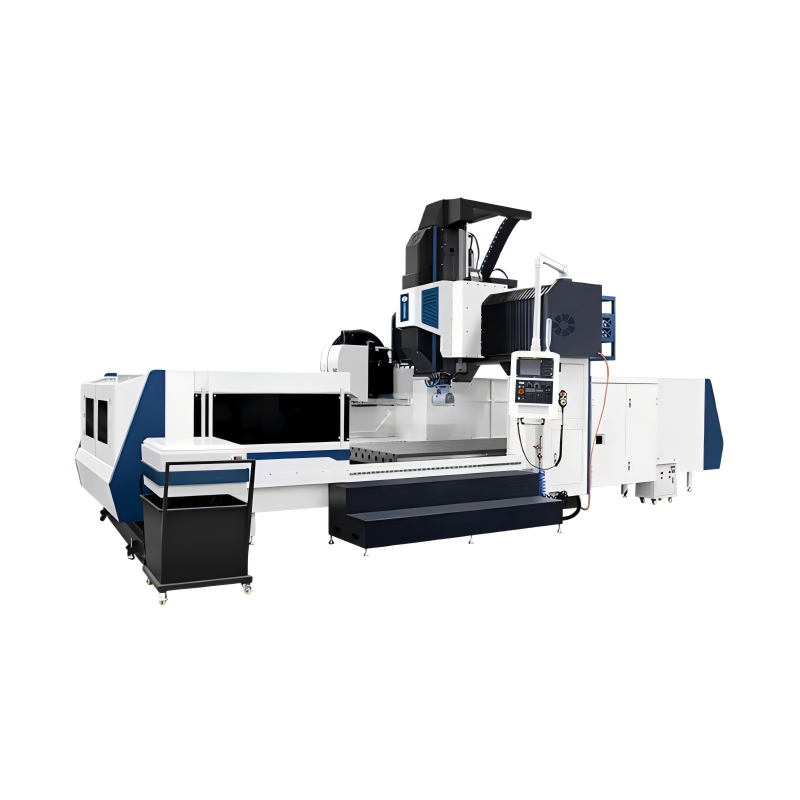
In the realm of manufacturing, precision and speed are paramount. One of the most critical processes in this field is mold making, which demands both high accuracy and efficiency. The advent of advanced VMC (Vertical Machining Center) systems has revolutionized the way molds are produced, offering unparalleled precision and productivity. This report delves into how cutting-edge VMC systems can maximize efficiency and accuracy in mold making, with a focus on the latest technological advancements and their practical applications.
One of the key factors that set modern VMC systems apart from their predecessors is the integration of advanced control systems. These systems utilize sophisticated algorithms and real-time data processing to ensure that every cut is executed with the highest level of precision. For example, the use of high-resolution encoders and servo motors allows for micron-level accuracy, which is essential in mold making where even the slightest deviation can result in defective parts.
Moreover, advanced control systems enable features such as adaptive control, which adjusts the machining parameters in real-time based on the material being machined and the tool condition. This not only enhances precision but also extends the life of the cutting tools, reducing downtime and maintenance costs. The Mold Making VMC systems equipped with these advanced controls can produce highly complex and intricate molds with consistent quality, meeting the stringent requirements of industries such as automotive, aerospace, and medical devices.
High-speed machining (HSM) is another significant advancement in VMC technology that has a profound impact on mold making. HSM involves using high spindle speeds and feed rates to achieve faster material removal rates while maintaining high surface finish and dimensional accuracy. This is particularly beneficial in mold making, where the ability to rapidly produce molds without compromising on quality is crucial.
Modern VMC systems are designed with robust spindles capable of operating at high RPMs, often exceeding 20,000 RPM. These high-speed spindles, combined with advanced tooling and cooling systems, allow for efficient and continuous machining, reducing cycle times and increasing overall productivity. Additionally, the use of high-speed machining techniques can minimize the need for secondary operations, such as hand finishing, further streamlining the production process.
The integration of automation in VMC systems is a game-changer for mold making. Automated systems, such as robotic loading and unloading, pallet changers, and tool changers, can significantly reduce setup times and operator intervention, leading to a more streamlined and efficient workflow. This is especially important in high-volume production environments where minimizing downtime and maximizing throughput is critical.
Furthermore, the use of computer-aided design (CAD) and computer-aided manufacturing (CAM) software, in conjunction with VMC systems, enables the seamless transition from design to production. CAD/CAM integration allows for the creation of detailed 3D models and the generation of optimized toolpaths, ensuring that the VMC system can execute the most efficient and accurate machining operations. This integrated approach not only enhances productivity but also reduces the risk of errors and rework, ultimately leading to higher-quality molds and reduced lead times.
Consistency is a critical aspect of mold making, and modern VMC systems are equipped with advanced quality control measures to ensure that every mold meets the required specifications. In-process inspection tools, such as laser scanners and touch probes, can be integrated into the VMC system to perform real-time measurements and verify the accuracy of the machined parts. This immediate feedback loop allows for quick adjustments and corrections, preventing the production of out-of-spec molds.
Additionally, many VMC systems come with built-in error detection and correction features, which monitor the machining process and automatically adjust parameters to maintain optimal performance. These features, combined with rigorous post-machining inspection protocols, ensure that the final products meet the highest standards of quality and consistency. This level of quality control is essential in mold making, where even minor variations can have significant downstream effects on the end product.
The integration of cutting-edge VMC systems in mold making has transformed the industry, offering unprecedented levels of precision, productivity, and quality. By leveraging advanced control systems, high-speed machining, integrated automation, and rigorous quality control, manufacturers can achieve new heights of efficiency and accuracy. As technology continues to evolve, the future of mold making looks increasingly promising, with VMC systems playing a central role in driving innovation and excellence.
 25/06/2026
In the domain of manufacturing, especially in the production of high-precision molds, the integration of advanced technology is not just a trend but a necessity. One such technological advancement that has revolutionized the mold making industry is the Ve
Read More25/06/2026Choosing the right Vertical Machining Center (VMC) for your project, especially when it involves mold making, can be a daunting task. With so many options available on the market, each with its unique features and capabilities, it's crucial to understand
Read More24/06/2026In the ever-evolving world of manufacturing, the precision and efficiency of mold making have become increasingly critical. The advent of advanced machining technologies, such as Vertical Machining Centers (VMC), has revolutionized the way molds are desig
Read More24/06/2026In the ever-evolving landscape of manufacturing, the integration of advanced technology has become a cornerstone for innovation and efficiency. One such technological advancement that is revolutionizing industries is the Mold Making VMC (Vertical Machinin
Read More24/06/2026In the rapidly evolving world of manufacturing, precision and efficiency are not just desirable; they are absolute necessities. This is especially true in mold making, where the slightest deviation can lead to significant quality issues. One technology th
Read More23/06/2026In the ever-evolving landscape of manufacturing, technological advancements are reshaping the way we produce goods. One such technology that has gained significant attention is Vertical Machining Center (VMC) technology. This report delves into the future
Read More23/06/2026With the rapid advancement in manufacturing technologies, the demand for precision and efficiency has never been higher. One of the key areas where this is evident is in mold making, particularly with the use of VMC (Vertical Machining Centers). This repo
Read More23/06/2026In the intricate world of manufacturing, precision is not just a preference but a necessity. The ability to create molds with high accuracy and consistency is crucial for industries ranging from automotive to electronics. This report delves into the art o
Read MoreOur professional sales team is always ready to assist you.