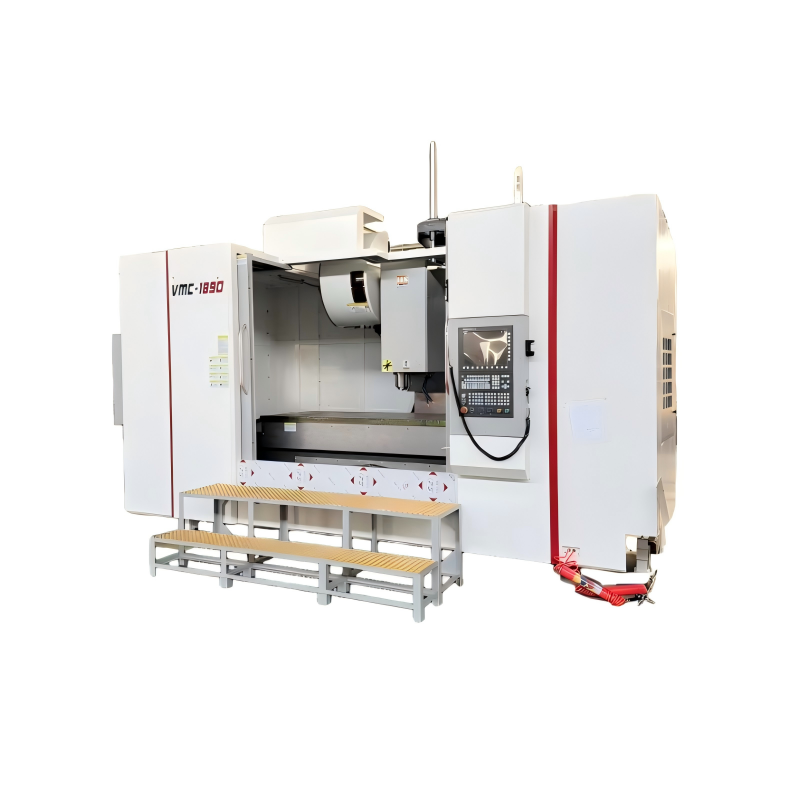
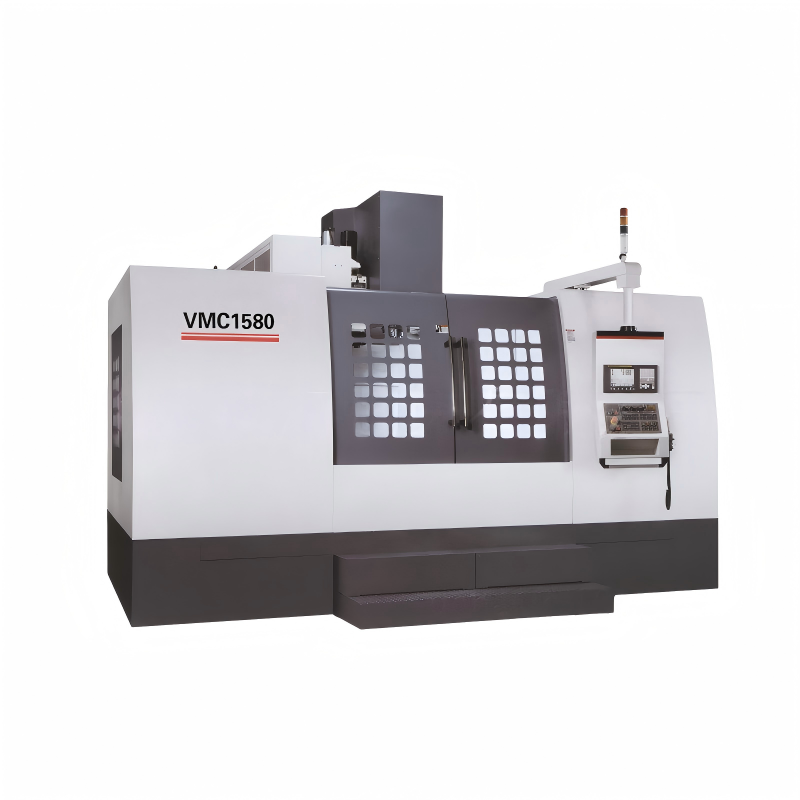
In the realm of advanced manufacturing, the integration of high-speed VMC (Vertical Machining Center) technology has revolutionized the production processes for complex components. This report delves into the capabilities and advantages that high-speed VMC brings to the table, particularly in handling intricate designs and materials, thereby enhancing productivity and precision. We will explore how these machines contribute to improved efficiency, cost-effectiveness, and versatility in manufacturing environments.
Enhanced Precision and Surface Finish
The advent of high-speed VMCs marks a significant leap forward in achieving unparalleled levels of accuracy and surface finish. These machines are equipped with advanced spindle technologies capable of operating at extremely high speeds, often reaching up to 20,000 RPM or more. The rapid rotation minimizes vibration, which is a common issue in conventional machining, leading to smoother cuts and finer finishes. Furthermore, the use of specialized cutting tools designed for high-speed operations further enhances the quality of the machined surfaces, making them ideal for applications where aesthetic appeal and functionality are equally important. For instance, in the aerospace industry, where parts must meet stringent standards, high-speed VMCs play an indispensable role in producing components that not only look good but also perform exceptionally well under demanding conditions.
Increased Productivity Through Reduced Cycle Times
One of the most compelling benefits of adopting high-speed VMCs is the substantial reduction in cycle times. By leveraging higher feed rates and faster tool changes, these machines can complete tasks much quicker than their traditional counterparts. The key to this efficiency lies in the machine's ability to maintain stability and control even at elevated speeds, thanks to robust structural designs and sophisticated control systems. In addition, many modern high-speed VMCs incorporate automation features such as automatic tool changers and pallet changers, which minimize downtime between operations. As a result, manufacturers can produce more parts within a given timeframe, significantly boosting overall productivity. This is particularly beneficial for industries like automotive and electronics, where there is a constant demand for quick turnaround times without compromising on quality.
Versatility in Material Processing
A notable advantage of high-speed VMCs is their adaptability to a wide range of materials, from soft plastics to hardened steels and even exotic alloys. Traditional machining methods may struggle with certain materials due to limitations in speed and force, but high-speed VMCs overcome these challenges by employing optimized cutting strategies and advanced cooling techniques. For example, when working with heat-sensitive materials, the high-speed approach reduces the amount of heat generated during the cutting process, thus preventing thermal damage and ensuring the integrity of the final product. Moreover, the flexibility offered by these machines allows for seamless transitions between different material types, enabling manufacturers to diversify their product offerings and cater to a broader market. This versatility is crucial in today's rapidly evolving industrial landscape, where innovation and adaptability are key drivers of success.
In conclusion, the implementation of high-speed VMC technology represents a pivotal advancement in the field of complex component manufacturing. By delivering enhanced precision, reduced cycle times, and versatile material processing capabilities, these machines empower manufacturers to stay competitive and meet the ever-increasing demands of modern industries. As we continue to push the boundaries of what is possible in machining, it is clear that high-speed VMCs will remain at the forefront of technological innovation, shaping the future of manufacturing for years to come.

 28/06/2026



