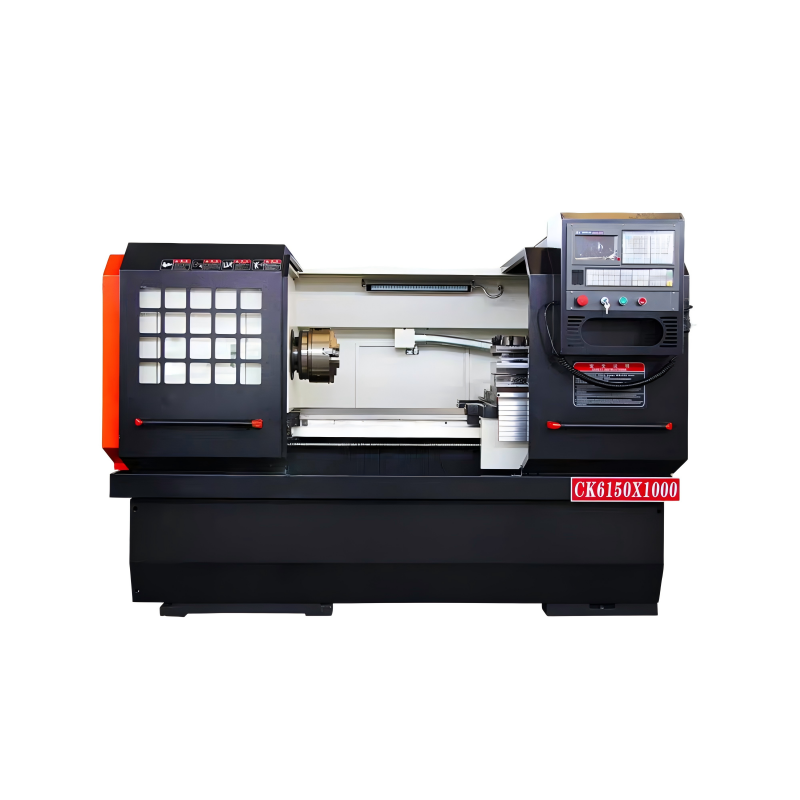
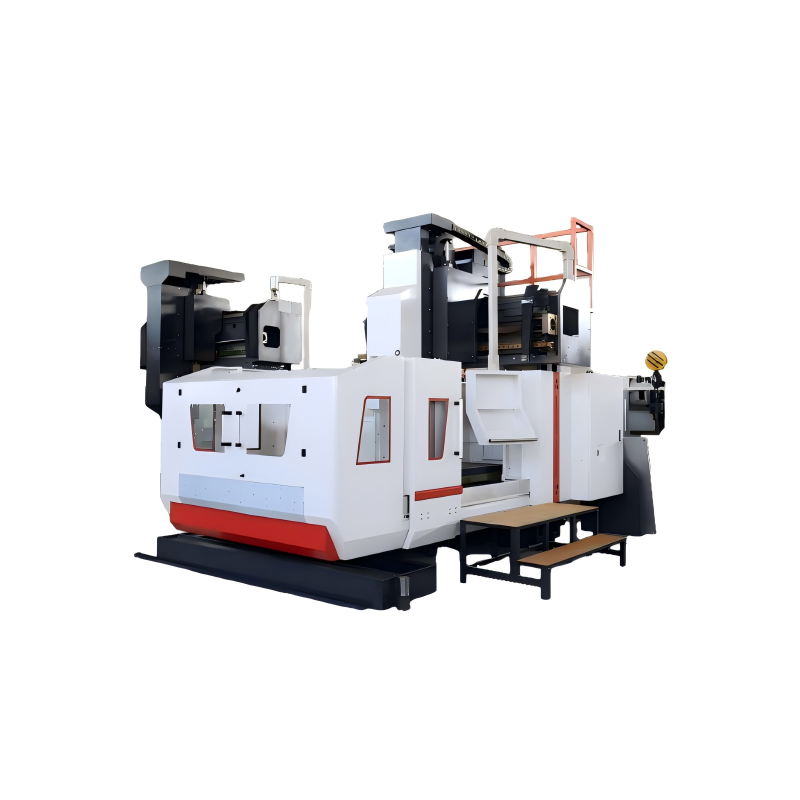
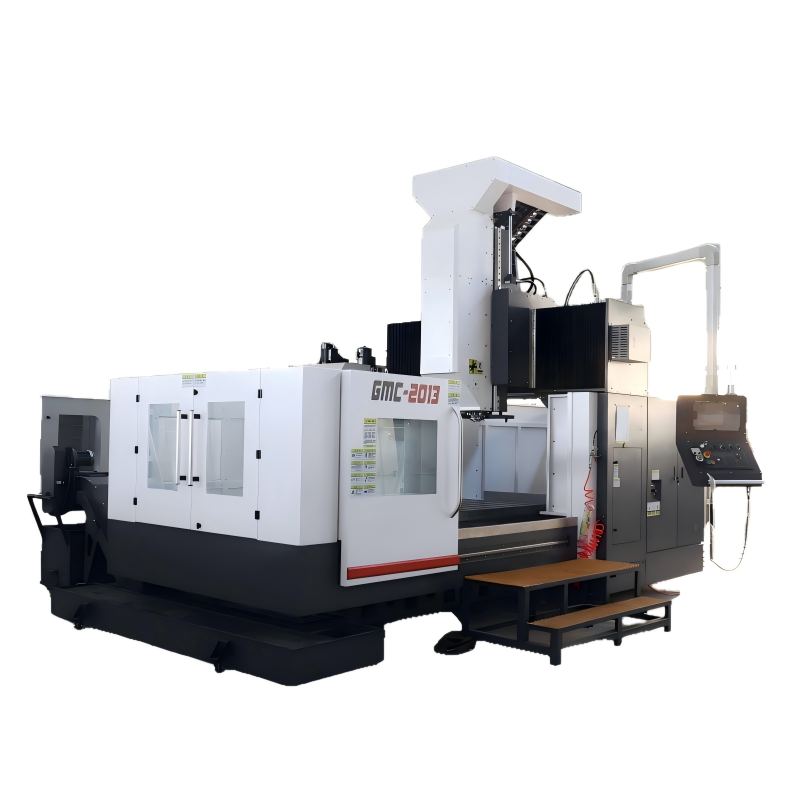
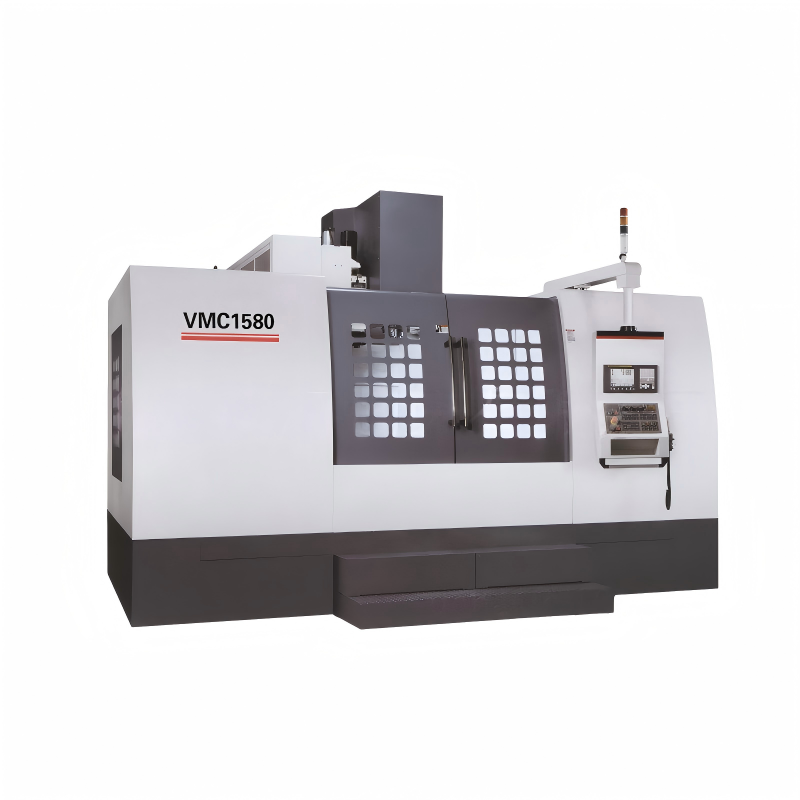
As the landscape of manufacturing and prototyping continues to evolve, the demand for versatile, compact, and efficient machining solutions has grown significantly. One such solution that stands out in this context is the Small VMC (Vertical Machining Center) designed specifically for workshops. This report aims to delve into the unique capabilities and benefits of integrating a small VMC into workshop operations, exploring its versatility, efficiency, and potential impact on productivity.
In many workshops, space is at a premium. The Small VMC for Workshop environments addresses this challenge by offering a compact design without compromising on functionality. These machines are engineered to fit seamlessly into tight spaces, allowing businesses to maximize their available floor area. The reduced footprint not only enhances workspace organization but also facilitates easier maintenance and operation. Moreover, the compact nature of these VMCs makes them ideal for small-scale operations, startups, and educational institutions where space and budget constraints are common. By optimizing the use of limited space, a small VMC can significantly enhance the overall workflow and operational efficiency of a workshop.
One of the most compelling features of a small VMC for workshop is its ability to deliver high precision and versatility across a wide range of applications. These machines are equipped with advanced CNC (Computer Numerical Control) systems, which enable precise control over tool paths and cutting parameters. This level of precision is crucial for producing high-quality parts and components, ensuring that they meet the exacting standards required in various industries, from automotive to aerospace.
Furthermore, the versatility of a small VMC allows it to handle a variety of materials, including metals, plastics, and composites. This flexibility is particularly valuable in workshops where the production requirements may vary frequently. Whether it's milling, drilling, or tapping, a small VMC can adapt to different tasks with ease, making it a cost-effective and efficient solution for diverse manufacturing needs. The ability to switch between different operations quickly and accurately ensures that the machine remains productive and responsive to changing demands.
Investing in a small VMC for workshop can be a strategic decision that offers significant long-term benefits. While the initial cost of acquiring such a machine may be a consideration, the return on investment (ROI) can be substantial. The compact design and high precision of these VMCs contribute to lower operating costs, as they require less energy and maintenance compared to larger, more complex machines. Additionally, the ability to perform multiple operations in a single setup reduces the need for additional equipment, further lowering capital expenditure.
Moreover, the increased productivity and efficiency provided by a small VMC can lead to higher output and faster turnaround times, which can translate into increased revenue and profitability. For small businesses and startups, this can be a game-changer, enabling them to compete more effectively in the market. The cost-effectiveness of a small VMC is further enhanced by its durability and longevity, ensuring that the machine remains a reliable asset for years to come.
In the era of Industry 4.0, the integration of digital technologies is becoming increasingly important in manufacturing. A small VMC for workshop is well-suited to this trend, as it can be easily integrated with various digital tools and software. For instance, modern VMCs often come with built-in connectivity options, allowing for seamless data exchange and real-time monitoring. This enables operators to track machine performance, optimize processes, and identify potential issues before they become critical.
Additionally, the compatibility of a small VMC with CAD/CAM (Computer-Aided Design/Computer-Aided Manufacturing) software streamlines the design and production process. Engineers and designers can create detailed 3D models and generate toolpaths directly, reducing the time and effort required for programming. This integration not only enhances the accuracy and quality of the final product but also accelerates the production cycle, making the workshop more agile and responsive to market demands.
The adoption of a small VMC for workshop can also have a positive impact on the skill development and training of operators. Modern VMCs are user-friendly and often come with intuitive interfaces and advanced features that simplify the machining process. This makes it easier for new operators to learn and master the machine, reducing the learning curve and increasing their confidence and proficiency.
Workshops can leverage this opportunity to provide comprehensive training programs, equipping their workforce with the necessary skills to operate and maintain the VMC effectively. This not only enhances the overall productivity of the workshop but also fosters a culture of continuous improvement and innovation. As operators become more proficient, they can explore new techniques and applications, further expanding the capabilities of the small VMC and driving the workshop towards greater success.
In conclusion, the small VMC for workshop represents a powerful and versatile tool that can significantly enhance the efficiency, productivity, and competitiveness of a workshop. Its compact design, high precision, and versatility make it an ideal choice for a wide range of applications, while its cost-effectiveness and integration with digital technologies ensure a strong return on investment. By investing in a small VMC, workshops can unlock new opportunities for growth and innovation, positioning themselves at the forefront of modern manufacturing.
 23/06/2026
As the manufacturing sector continues to evolve, the demand for more efficient and versatile machinery has never been higher. One such piece of equipment that stands out in this regard is the Small VMC for Workshop, which, when combined with fully automat
Read More23/06/2026In the rapidly evolving world of precision engineering, the introduction of a Small VMC for Workshop has emerged as a transformative solution, offering unparalleled flexibility and efficiency. This report delves into the impact of such machinery on small-
Read More22/06/2026Vertical Machine Centers (VMCs) have emerged as a pivotal tool in the modern manufacturing landscape, particularly for workshops that require high precision and flexibility. This report explores how small VMCs are shaping the future of precision machining
Read More22/06/2026In the realm of precision manufacturing, the integration of advanced machinery such as Small VMC for Workshop and CNC lathes is pivotal. These machines not only enhance productivity but also ensure high-quality output. One of the key factors that contribu
Read More22/06/2026In the evolving landscape of workshop technologies, one innovation stands out for its potential to revolutionize small-scale manufacturing and prototyping: the Small VMC (Vertical Machining Center). This technology is not just a step forward but a leap to
Read More22/06/2026In the modern workshop, efficiency and versatility are key. A small VMC (Vertical Machining Center) can significantly enhance these aspects by providing a compact yet powerful solution for various machining tasks. This report delves into how customizing y
Read More22/06/2026When it comes to equipping a modern workshop with the right tools, one piece of machinery that stands out for its versatility and precision is the Small VMC (Vertical Machining Center). These compact yet powerful machines have become indispensable in vari
Read More21/06/2026In the realm of modern manufacturing, the integration of advanced machinery is key to achieving high-quality output and efficient production processes. One such piece of equipment that has gained significant attention in workshops across various industrie
Read More21/06/2026In the ever-evolving landscape of modern manufacturing, the integration of advanced machinery is crucial for maintaining a competitive edge. One such piece of equipment that has gained significant traction in small to medium-sized workshops is the Small V
Read More21/06/2026When it comes to outfitting a workshop with the right machinery, choosing a Small VMC (Vertical Machining Center) is a critical decision. These machines are not only versatile but also essential for precision work in various industries, from automotive pa
Read More20/06/2026Exploring the Versatility of a Small VMC for Workshop EnvironmentsIn the realm of hobbyist machining, the small VMC (Vertical Machining Center) has emerged as an indispensable tool. This section delves into the versatility offered by such machines, making
Read More20/06/2026In the contemporary landscape of manufacturing and prototyping, workshops are increasingly becoming hubs of innovation and efficiency. A key enabler in this transformation is the introduction of advanced machinery, with the Small VMC (Vertical Machining C
Read More20/06/2026In the world of modern workshops, precision and efficiency are paramount. The integration of advanced machinery has become a critical factor in achieving these goals. One such piece of equipment that stands out for its versatility and capability is the Sm
Read More19/06/2026In the realm of manufacturing and small-scale production, the integration of a Small VMC (Vertical Machining Center) into a workshop can significantly boost productivity. This report delves into the practical aspects and strategic approaches for enhancing
Read More19/06/2026IntroductionThe integration of a Small VMC (Vertical Machining Center) into your personal workshop can significantly elevate the quality and efficiency of your projects. This guide aims to provide an in-depth look at setting up a Small VMC, ensuring it is
Read More19/06/2026In the realm of precision machining, the choice of machinery plays a pivotal role in determining both the quality and efficiency of the final product. A Small VMC for Workshop, or Vertical Machining Center, is an increasingly popular option due to its ver
Read More18/06/2026In today’s fast-paced manufacturing environment, the need for efficient and versatile machinery is more critical than ever. One such piece of equipment that has gained significant popularity among small to medium-sized workshops is the Small VMC (Vertical
Read More18/06/2026In the world of machining, choosing the right small VMC (Vertical Machining Center) for your workshop is a decision that can significantly impact productivity and efficiency. This article will guide you through the key considerations and steps to ensure y
Read More18/06/2026In the realm of home workshops, having the right tools can make all the difference. One such tool that has gained significant attention is the Small VMC (Vertical Machining Center). This article explores the benefits of integrating a Small VMC into your h
Read MoreOur professional sales team is always ready to assist you.